
Can A Fitness Fad Get You Fit?
Millions of us are forsaking the gym in favour of trendy fitness crazes, but do any of them actually work? FHM’s guinea pig tries military fitness, Davina’s home workout, Tabata, Nordic walking and hot yoga.



We humans are lazy: give us a corner, and we’ll cut the hell out of it if we can figure out how. Even in the one part of our existence that should equate to the opposite of laziness — exercise — we’re always looking to “get ripped quick” or “lose fat fast”. Your body is big business, and the India health and fitness industry has this year grown to a massive ₹196 crores, helped in large part by newfangled workouts that promise life-changing results, sharpish. But are these faddy fitness regimes really worth your hard-earned dosh? We sent our FHM guinea pig along to some of the most popular classes to find out…
Military fitness: hard graft, army style
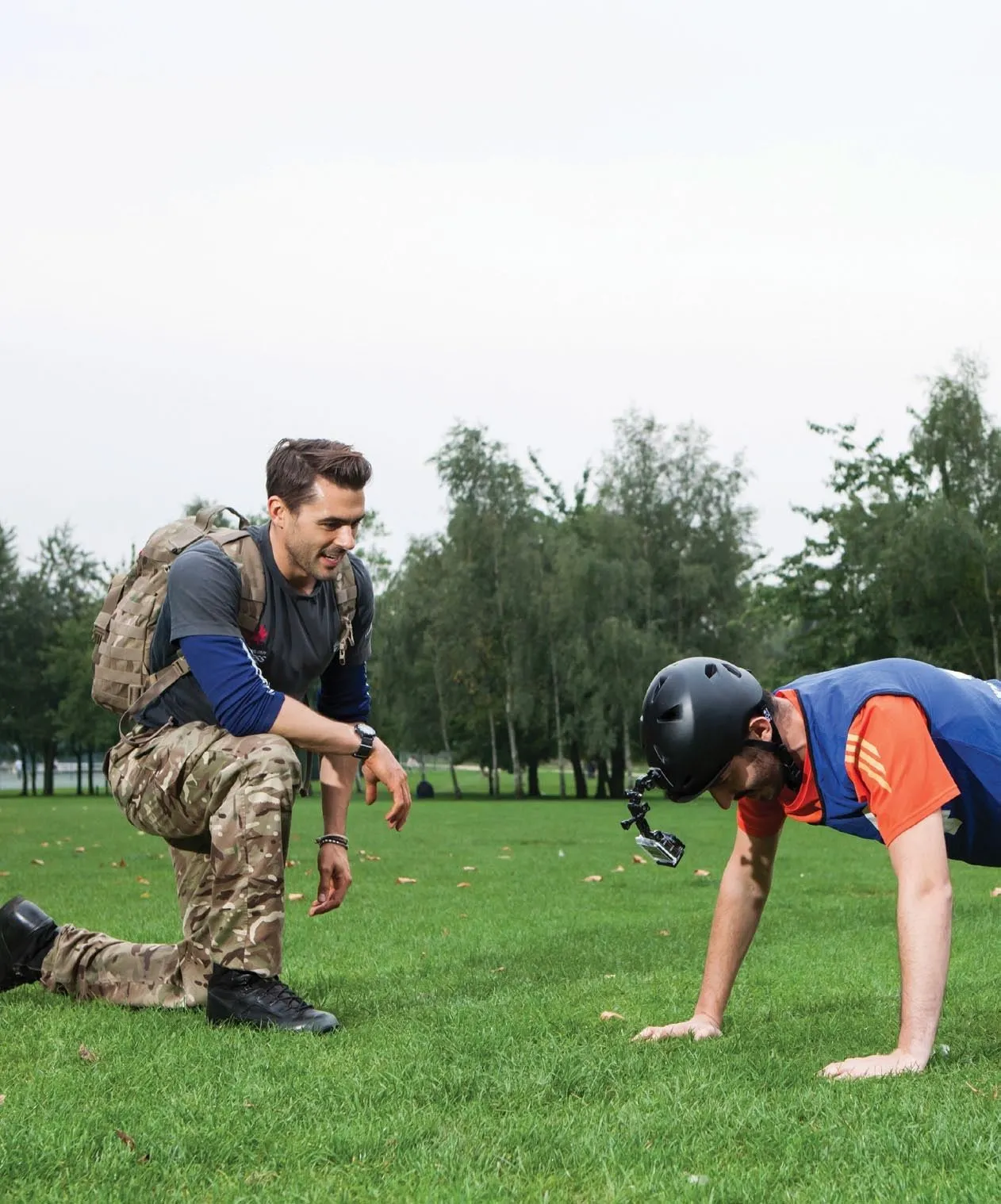
The basics A serving or former member of the army gets all Full Metal Jacket on your arse as you join a group of 15-odd people of a similar fitness level in your local park. How sessions go is up to the individual instructor, but they always make the most of the outdoor space – whatever the weather – and involve individual and team exercises, working on your speed, strength and stamina.

How hard is it? This is essentially 50 minutes of circuit training in the cold, muddy outdoors, led by a bona fide, camo-clad gruff of a soldier. From squats, more squats and, well, even more squats, to core work, sprints and one-on-one challenges (pushing, pulling, racing, and the like) with fellow class members, you’ll struggle to walk by the end of the session. If nothing else, you’ll develop a new-found respect for the army and its recruits.
The benefits MF provides a full body workout that will get your blood flowing, muscles straining and lungs burning. From lunges to shuttle runs, the individual moves are nothing that you couldn’t do yourself down the park, but having a shouty soldier yelling at you provides a lot of motivation. And don’t underestimate the competitive element – no one wants to be left behind by their classmates.
Fad or rad? You might feel a bit of a cadet sweating your way round the park in a numbered vest, but you can’t argue with the benefits to your body. Or with the large, weapons-trained bloke leading the session.
Home workout: get bouncy with Davina
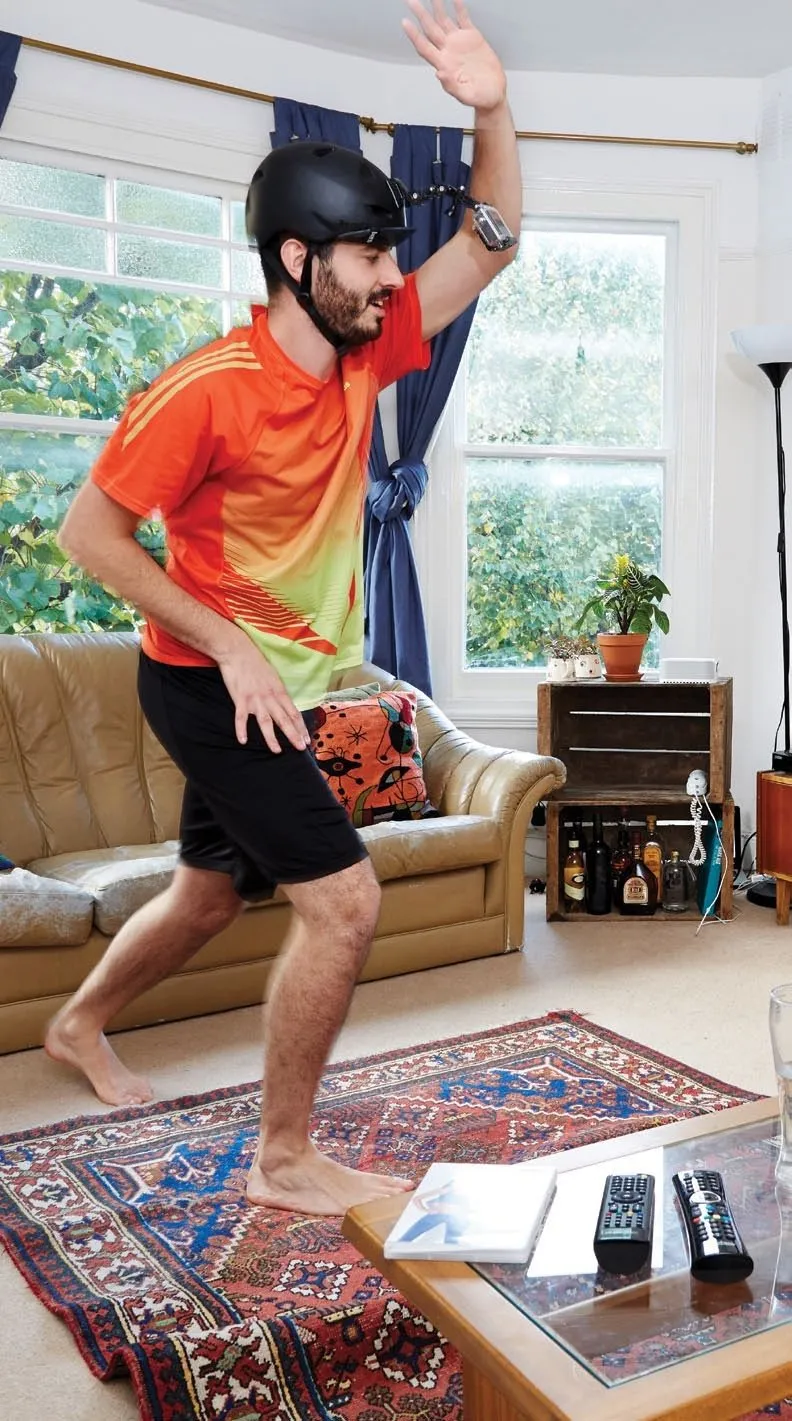
The basics Here she is, The Million Pound Drop presenter Davina McCall, right here, in your living room. Standing there in her finest midriff-exposing Lycra workout wear, she’s commanding you to get face down and taste the carpet. Well, maybe not in those words, exactly. Here’s the deal: you spend ₹1013 on what is set to be the bestselling fitness release of the year, and Davina will pop up on your telly. Simply choose to just watch her jump, kick and squat herself fit in a series of four 15-minute workouts, or get off the damn couch and join in.
How hard is it? Either side of Davina stand her personal trainer pals. You can go hard, like Davina and ex-Marine Mark, or follow his wife Jackie, taking the easy option. With this being a home workout DVD, you can always just opt to sit it out too, and you’ll still hear Davina’s words of encouragement. If you do push as hard as she wants you to, you’ll get a solid sweat on and have the post-workout aches, but your only real motivation is not to let the surprisingly fit Ms McCall out-exercise you.
The benefits If you’re serious about getting fit then the routines on this disc can help you lose weight and sculpt your bod into a TV star shape. Realistically, though, the DVD will probably just sit on your shelf, its once-shiny cellophane wrapping slowly gathering dust.
Fad or rad? Workout videos have existed for as long as spandex itself, and 46-year-old McCall occupies a permanent position atop the list of bestselling fitness titles on Amazon. As long as Davina remains this fit, her DVDs will keep on coming. Davina Intense is out now
Tabata: four minutes of pain
The basics Devised by Japanese scientist Professor Izumi Tabata while working on the Japanese Olympic speed-skating programme (and now marketed globally), this is highintensity interval training (HIIT) at its most extreme. You pour every ounce of energy you can muster into an explosive full-body movement for 20 seconds, then rest for 10 seconds, and repeat all over again. Eight times. The good news is a Tabata session lasts for only four minutes. The bad news: you’ll be huffing, puffing, panting and crying for your mummy within about 60 seconds.
How hard is it? Tabata uses eight main exercises (though you’ll generally only do two per class), designed to move your body in three planes of motion: backwards and forwards, up and down, or side to side. Going from a squat into a press-up into a high-knees frog jump is tough. Doing this as many times as you can, at 100% effort, for 20 seconds, is knackering. The 10-second rest period doesn’t even come close to allowing you to recover properly, making each repetition more burningly difficult than the last. Four minutes later and you feel like you’ve been hitting the gym for half an hour.
The benefits It sounds too good to be true but, in tests, this type of short, sharp interval training has been shown to be more effective at boosting aerobic fitness than jogging or cycling at a steady, moderate pace for 60 minutes. And recent studies have shown that Professor Tabata’s system gets your metabolism going too, so that you continue to burn calories at a faster rate than normal for the 12 hours following the exercise.
Fad or rad? Tabata comes complete with all the PR babble and marketing speak of a fully fledged fad but, for once, it’s actually backed up by science fact. Just be warned, this is no shortcut: you’ll sweat your glands out. Sign up at fitnessfirst.net.in
Nordic walking: take a stroll with poles
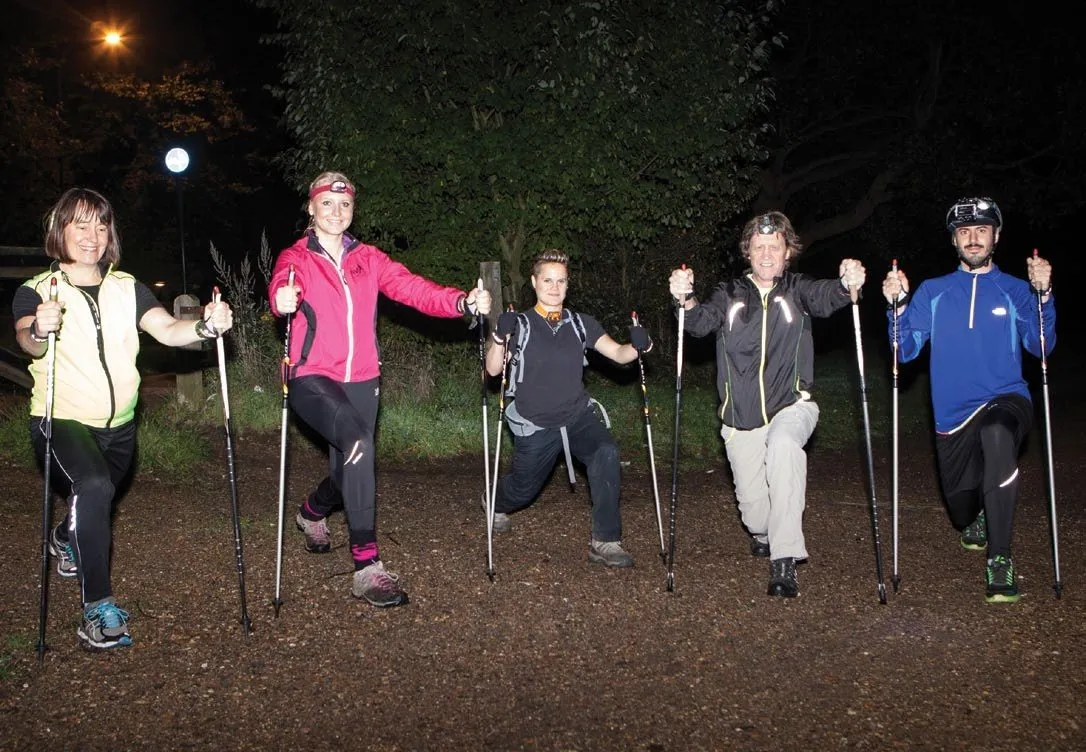
The basics Think cross-country skiing, without the skis. It pretty much comes down to going for a walk, with ski poles. Only they’re not ski poles, they’re specially designed Nordic walking poles. And you’re not walking, you’re Nordic walking. Sometimes you break into a Nordic jog, and on occasion you’ll do some Nordic squats, but basically you’re walking at a brisk pace through a park, field or highway for anywhere up to an hour, with a group of people your parents’ age, holding sticks.
How hard is it? As anyone who’s been late for a meeting knows, breaking into a fast-paced walk gets your heart rate going pretty darned fast. The poles, far from a gimmick, are designed to drive you forward, bringing your upper body into play. It may be seen as something to keep pensioners active, but the technique – originally an off-season training method for cross-country skiers in Finland – is no laughing matter among the Nordic countries, from Norway to Estonia. By the end of the session, you’ll be out of breath and sore of arms.
The benefits Just straight-up, plain old walking is actually incredibly good for you, and most of us, who spend our lives sat on our arses, don’t do anywhere near enough of it. Nordic walking, by forcing you to work your shoulders, arms and chest, burns up to 46% more calories than a regular hike, meaning you could easily smash 500 calories in a session.
Fad or rad? With its largely older, female membership, Nordic walking across the world has a bit of an image problem – but just you try telling your incredibly attractive Estonian instructor lady that you don‘t see the appeal.
Hot yoga: stretch it out in a sauna
The basics Back in the 1970s, a chap called Bikram Choudhury decided that 2,000 years’ worth of yoga tradition was all well and good, but just not quite hot enough. So he came up with the idea of doing all the usual yoga postures (your downward dogs, camel poses and the like) in a room with the temperature dial cranked up to 42°C (105°F). Mr Choudhury trademarked the official Bikram Yoga name, but hot yoga has spread its sweaty way around the nation’s gyms. The traditional elements are here – the deep-breathing, the toe-touching, the flexible girls in skin-hugging fabrics – only this time in a stuffy, dizzyingly hot fitness studio.
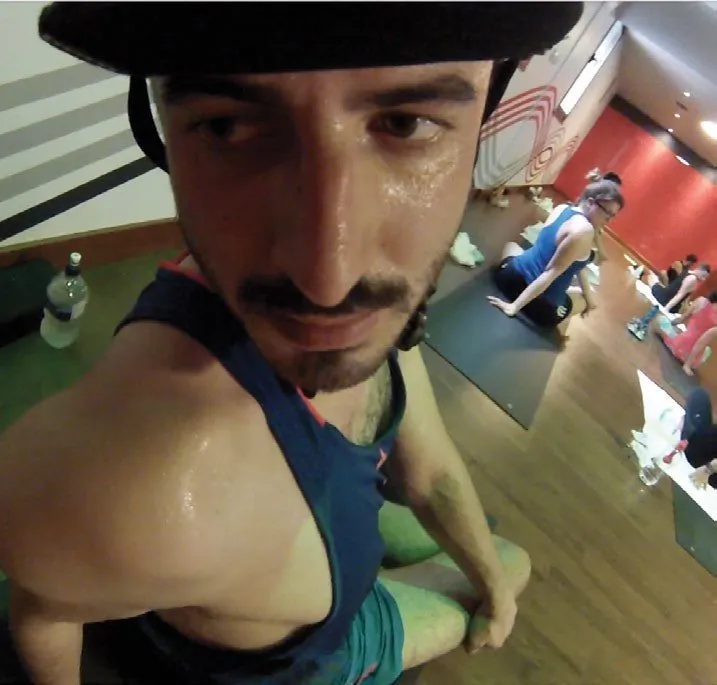
How hard is it? You probably think you’ve got that whole breathing lark down, don’t you? Well, get yourself into a plank position, in a room with 40% humidity that more closely resembles the climate of central Sudan than your local leisure centre, then try inhaling without falling on your face. Breath through your mouth, and you’ll let out too much carbon dioxide, resulting in a feeling of distress that’ll leave you hyperventilating in sheer panic – so make sure to take deep breaths in and out through your nose. You’d break into a sweat scratching your arse in a room this uncomfortably hot, let alone doing a series of shakiness-inducing, muscle-straining yoga movements.
The benefits Five minutes in, beads of sweat will form on your top lip; 15 minutes later, you’ll be mopping streams of perspiration from your forehead; by the end of the class, you will look and feel like you’ve been for a dip in a warm pool of your own bodily secretions. Supposedly all this sweating business flushes out nasty toxins from your body. But it’s the strength and flexibility benefits that make it popular with everyone from Wimbledon champ Andy Murray and basketball ace Kobe Bryant to David Beckham, Beyoncé and Benedict Cumberbatch.
Fad or rad? Forget the smug, mantra-chanting, hippyish nonsense you might normally associate with yoga – the almost unbearable heat makes this a bloomin’ hard workout. Sign up at fitnessfirst.net.in
From the January 2014 issue of FHM India.
Spotted a mistake, or your photo used without permission? Report a correction













 in your inbox