
The Year of the Ultrabook: Six Laptops vs the MacBook Air
FHM pits the overpriced and over-hyped MacBook Air against the Ultrabook gang: Acer Aspire S3, Asus UX21, Lenovo IdeaPad U300s, Samsung Series 9, Toshiba Portege Z830 and MSI X340.
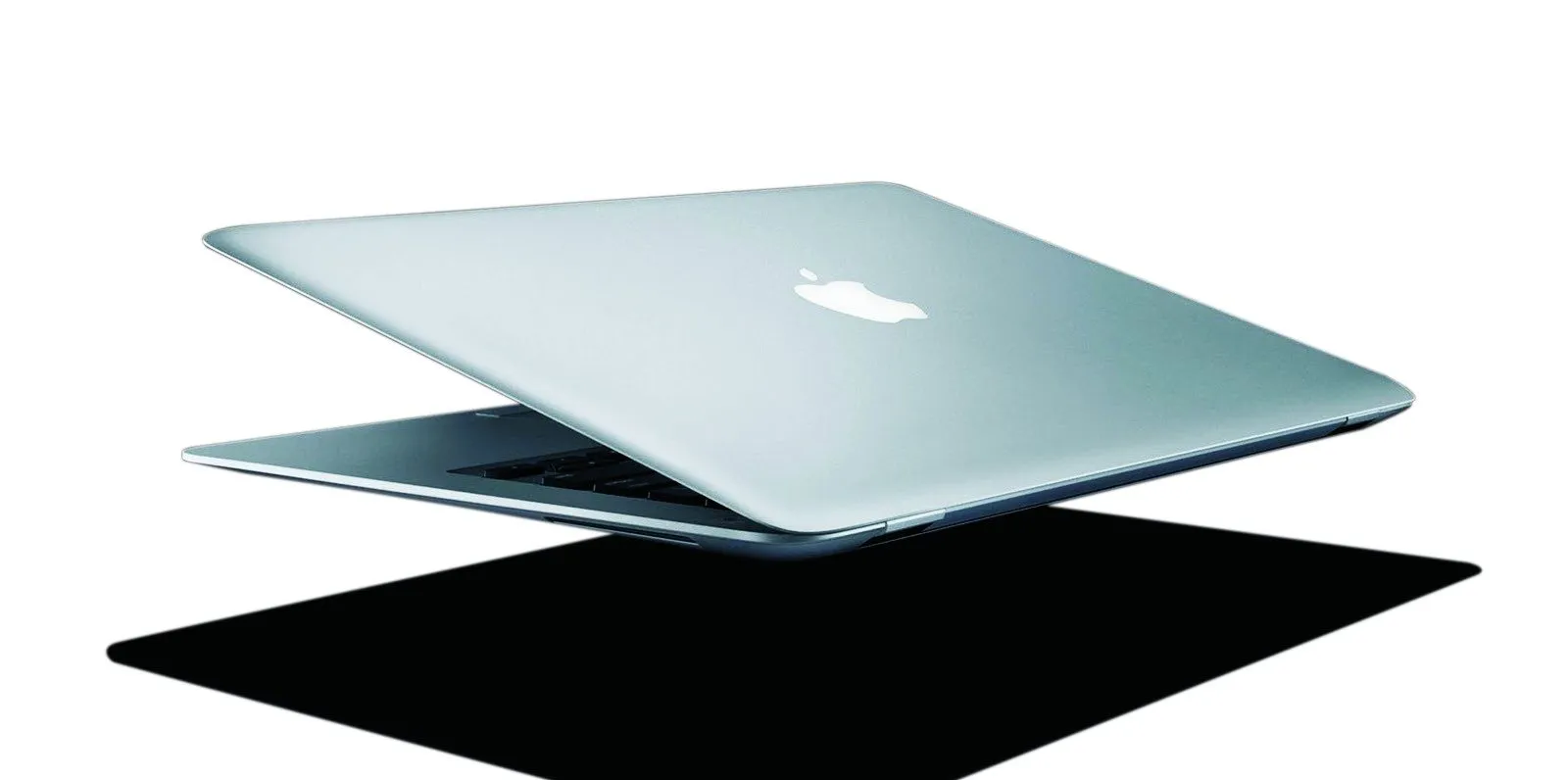



FHM seems to have developed a reputation for yanking Apple from its pedestal of invincibility and bringing it back to good ol’ Earth. This month, we pit the overpriced and over-hyped MacBook Air against the Ultrabook gang…
1 MacBook Air
The basic MacBook Air will cost you a princely ransom of Rs 94,000. Given its frugal specifications, is it actually worth buying the Air just because it came from the house of Apple?

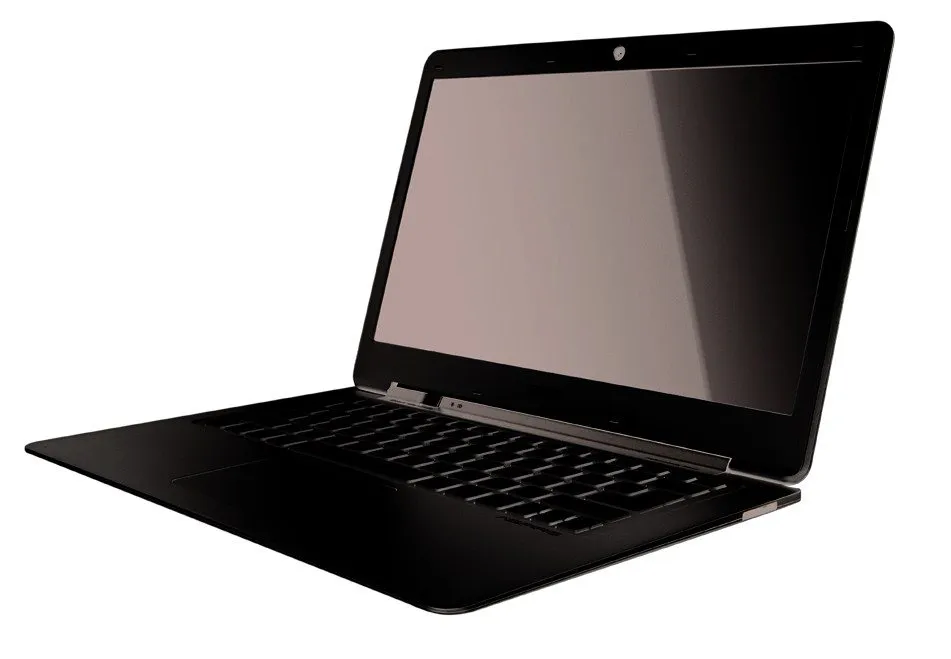
2 Acer Aspire S3
The Acer Aspire S3 seems to have taken a page of MacBook Air's design manual. It looks almost as sleek as the Air, which incidentally is the Air's sole redeeming feature. Apart from that the S3 beats the air out of MacBook in almost every department. It has a lot more space to offer (320 GB), comes with a 4 GB memory and is just 2 grams heavier and 2 millimeters thicker than the Air. I don't think we really mind that. The S3 unlike Air offers all standard connectivity options with two USB ports, full HDMI and an SD card slot. The sound quality is definitely better as compared to the Air due to the Dolby Digital Home Theater system used in Acer. Moreover, it comes with the standard Acer crystal eye 1.3-megapixel webcam, which makes the Air 0.3 cam hide in shame. It’s great to see Acer bring a modern, high-end look to its laptop with an aluminum/magnesium alloy chassis, rounded corners, and “aerodynamic” design. The S3 will be landing in Europe by the end of this year for between €799 and €1199, but no pricing or schedule has been announced for USA, Asia and India. We think we’ve come to expect Acer to provide a more economic option, so hopefully by the time the S3 formally gets launched in India, we’ll see the price drop further and become ‘pocket friendly’ in more ways than one.
Specs: Processor: Intel Core i5-2557M (1.7GHz). Battery life: 4 hours. Storage: 240GB SSD drive. Weight: 1.4kg (with battery)
FHM verdict: Acer has definitely spent a lot of time, effort and ingenuity in building product that would cut through Apple's hype. A product we'd definitely love to invest in.
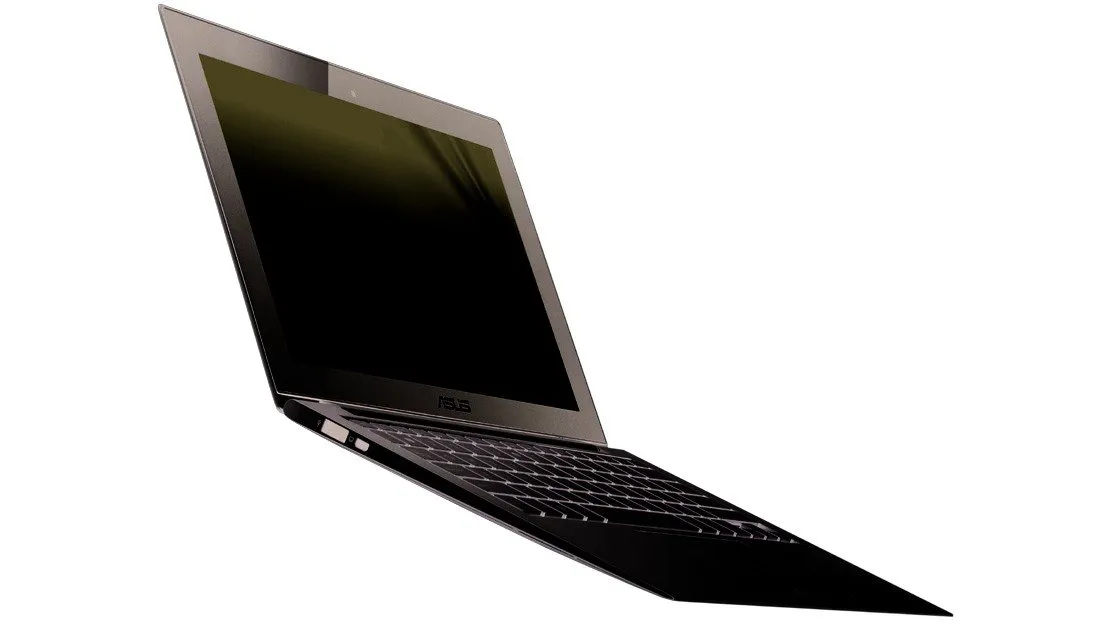
3 Asus UX21
Alongside Acer, the second company that fanned the Ultrabook revolution happens to be Asus. Hot on the heels of the Aspire S3, Asus too announced the launch of five to six different variants of the UX21 Ultrabook, competitively priced around Rs 40,000. Just like their similar sounding names, there are hardly any differentiating factors between the products of the two companies. When placed side by side, they look like near identical twins. A closer inspection however reveals certain interesting differences. The 'spun' finish inspired by luxury timepieces earns Asus some crucial brownie points. However, it’s slightly heavier than Acer and at its thickest point measures 17-millimeters (2 mm thicker than the S3). The metallic chiclet-keys and glass touch pad offer feather touch responses and make the UX2 look much more expensive than it actually is. Asus' proprietary 'Instanton' feature wakes up the machine within 2 seconds and allows it to stay in hibernation mode for almost ten days. While the complete specs haven't been released, we believe they will be almost the same as the S3. It's however confirmed that the ASUS UX21 Ultrabook is SandForce driven, so there is a small form factor SandForce SSD inside to make the laptop snappy and also to conserve battery strength.
Specs: Processor: Intel Core i5-2557M (1.7GHz). Battery life: 6 hours. Storage: SATA III SSD (64GB or 128GB). Weight: 1.5kg (with battery)
FHM verdict: All in all, the UX21 looks like an awesome alternative for users who desire the style and portability of Air but can do without its hefty price tag.
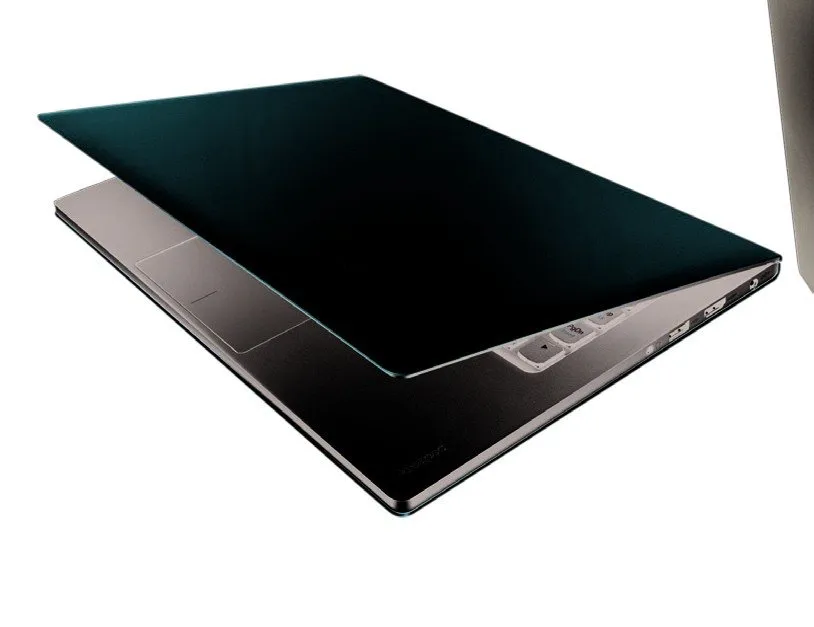
4 Lenovo IdeaPad U300s
When it comes to high-end lappys, Lenovo almost always tips the scale. We are still in love with its ThinkPad W701, which tech-pundits agree is one of best ever made. After going through the specs of the IdeaPad U300s, we knew that for most Apple haters it would be a 'shut up and take my money' case. The Sandy Bridge ULV processors at 1.8 GHz Core i7 packed with 4GB memory give it enough juice to compute at lightening fast speeds. Lenevo promises a battery life of around 8 hours compared to Air’s 7 hours. While the Air scores more in terms of weight (about a gram lighter), Lenovo has managed to keep its form almost as compact as the Air. In terms of looks, Lenovo comes in two very attractive colours. The business friendly graphite gray and the distinctive clementine orange perfectly compliment the IdeaPad's slim to a fault design. If there was something that made us frown when it came to Acer was the absence of the Ethernet port. Definitely a component, given the country's uniformly dubious WiFi status, we can't do without. Lenovo not only gives us a built-in gigabit Ethernet port (along with Bluetooth and WiFi), it also comes packed with a one USB 3.0 and one 2.0 port, which depending on your usage patterns may prove way more useful than the MacBook's single thunderbolt port.
Specs: Processor: Intel Core i7-2677M dual-core. Battery life: 8 hours, 30 day standby. Storage: 256GB SSD. Weight: 1.3kg (with 4 cell battery)
FHM verdict: The Lenovo IdeaPad U300s is slimmer than the MacBook, the battery is supposed to be good for 8 hours - a good hour above the Mac.
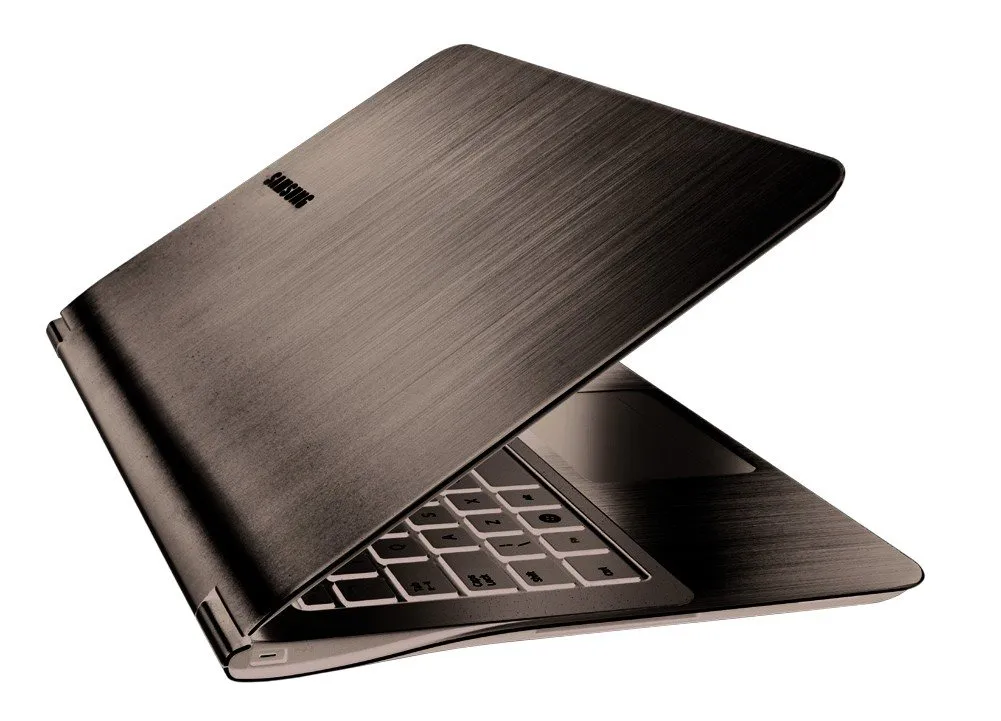
5 Samsung Series 9
Ever since Mr. Jobs pulled the original MacBook Air out of an envelope, Windows laptop makers have been trying to beat the thinnest, lightest notebook in town. Now Samsung has taken up that challenge with the Series 9, a machine that rivals the latest 13-inch MacBook Air not only in terms of design but also performance. It has a brighter display than the Air and a backlit keyboard, something that is available only on the MacBook Pro. It’s definitely a beautifully crafted machine. It’s also by far the sturdiest laptop we have seen till date. The secret to its durability is ‘Duralimim’, an alloy used in the construction of aeroplanes. It’s twice as strong as aluminium and actually weighs a shade lighter than the Air. Unlike the Air, the Series 9 isn’t all metal. The deck and the base of the display are made of high grade plastic and meld really well with the duralumin body.
The unit is powered by a 1.4GHz Intel Core i5 2537M Processor, which is actually a lot snappier than it appears on paper. It's paired with 4GB of DDR3 memory and a 128GB Samsung SSD. The combination is distinctly snappy – and it puts many other notebooks we've tested to shame.
The all important connectivity ports are found along the edges, hidden out of sight by roll down drawers, to avoid marring the elegant lines of the laptop. You will find a mini HDMI, a Gigabit Ethernet port, a USB 3.0 and 2.0 port and a microSD card slot.
Specs: Processor: Intel Core i5-2537M. Battery life: 4.20 hours. Storage: 128GB SSD drive. Weight: 1.3kg (with battery)
FHM verdict: The Series 9 is designed with mobility in mind and its duralimin casing makes it twice as durable and a shade lighter than the 'Mac.
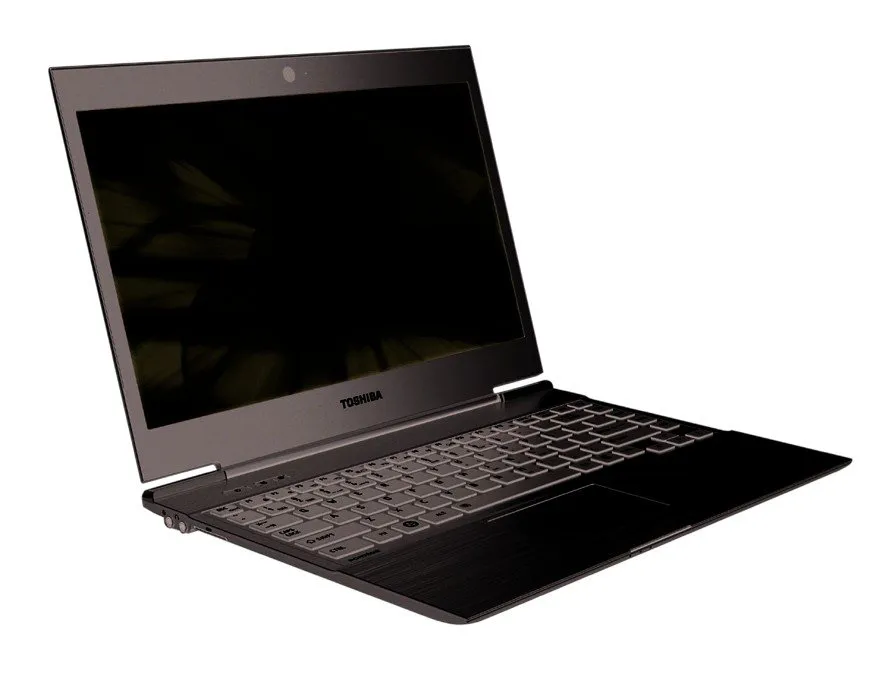
6 Toshiba Portege Z830
Toshiba's Portege Z830 is now a proud member of Intel's exclusive Ultrabook family and it's as slim and svelte as all its competitors. At 15 millimeter thick and weighing just under a kilo and half, it's both both pleasing to eye and light on the lap. While offering the standard Ultrabook fare, Toshiba like Asus scores in terms of looks. The 13.3inch display screen has a matte coating, instead of gloss which makes it easier on the eyes when being used outdoors. Adding to richness is the chiclet keyboard, which both spill-resistant and LED backlit. The metallic body though will invite comparisons with Apple. However, the Portege boasts of a magnesium chassis rather the usual aluminum.
We wonder if 'shock-resistant' is Toshiba had in mind when they chose safety over the Air's mirror like sheen. What sets Toshiba apart from the rest of the Ultrabook pack is its 6 GB RAM. Other winners include HDMI and VGA output, an SD card slot, and an Ethernet jack. The Protege comes packed with three USB ports (finally!) one of which is a super fast 3.0 USB port which is about 10 times as fast as its predecessor and can easily manage transfer rates of up to 5 Gbps. You also get the optional Intel Wireless Display in addition to the obligatory WiFi.
Specs: Processor: 2nd generation Intel i-Core. Battery life: 4.35 hours. Storage: 128GB SSD drive. Weight: 1.3kg (with battery)
FHM verdict: Its matte finish screen makes for a welcome change and greatly improves visibility. With 6GB ram it also offers impressive operating speeds.
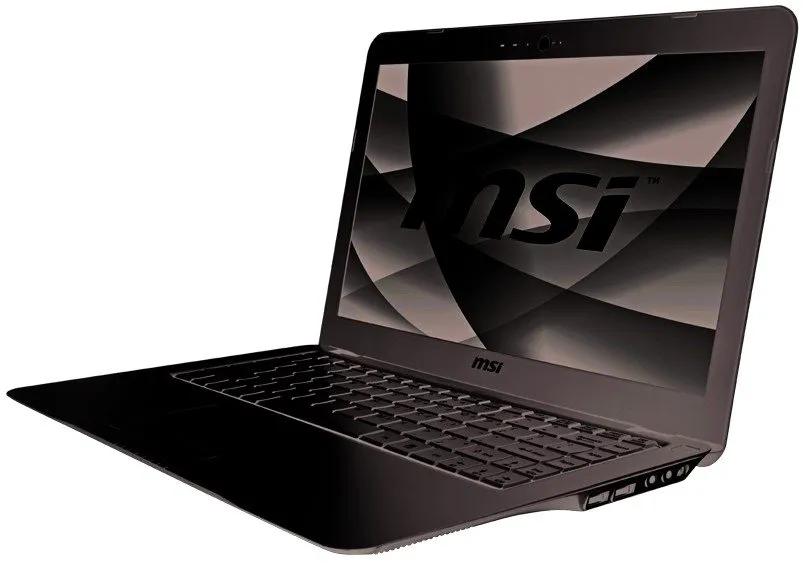
MSI X340
So what if Intel’s i7 processor doesn’t power the MSI X340, that doesn’t mean we’ll disqualify it from the competition of the best Ultraportable laptops in the market. Part of the company’s X-Slim series, it weighs a scant 1.3kgs and measures just 16-millimeters at its thickest point. Any ultra portable that is lighter than the Air is a winner in our book and while the plastic shelled X340 doesn’t quite match the richness of Apple’s aluminum shell, we found its automotive black finish quality attractive. While the Air offers a mini DVI jack and a single USB port as its sole connectivity options, the X340 packs in HDMI, VGA and Ethernet in addition to two USB ports without compromising an inch in size. The 13.4-inch LCD screen is definitely a highlight. The 1366x768 resolution offers surprisingly bright images and sharp text and we were also quite pleased with the sound quality of the speakers. While we were expecting the typical shrilly transistor-radio quality offered by low priced ultraportables, X340 offered a nice boom coupled with distinct bass presence. You certainly don’t need headphones to enjoy a movie on this one. Currently the lowest priced Ultraportable in the market, the MSI X340 with its full sized screen and keyboard offers the best of both worlds.
Specs: Processor: Intel Core 2 Solo/1.4GHz. Battery life: 3.30 hours. Storage: 320GB Serial ATA-150. Weight: 1.3kg (with battery)
FHM verdict: The cheapest Ultraportable in the market, it has been described as the Macbook Air for the unemployed. We aren't so sure.
From the October 2011 issue of FHM India.
Spotted a mistake, or your photo used without permission? Report a correction








 in your inbox