
12 Things You Need to Know About a Helmet
Sure a helmet doesn’t really go with an Enfield, you won’t get the wind in the hair feeling with it – but it may just be the only thing standing between you and a crash
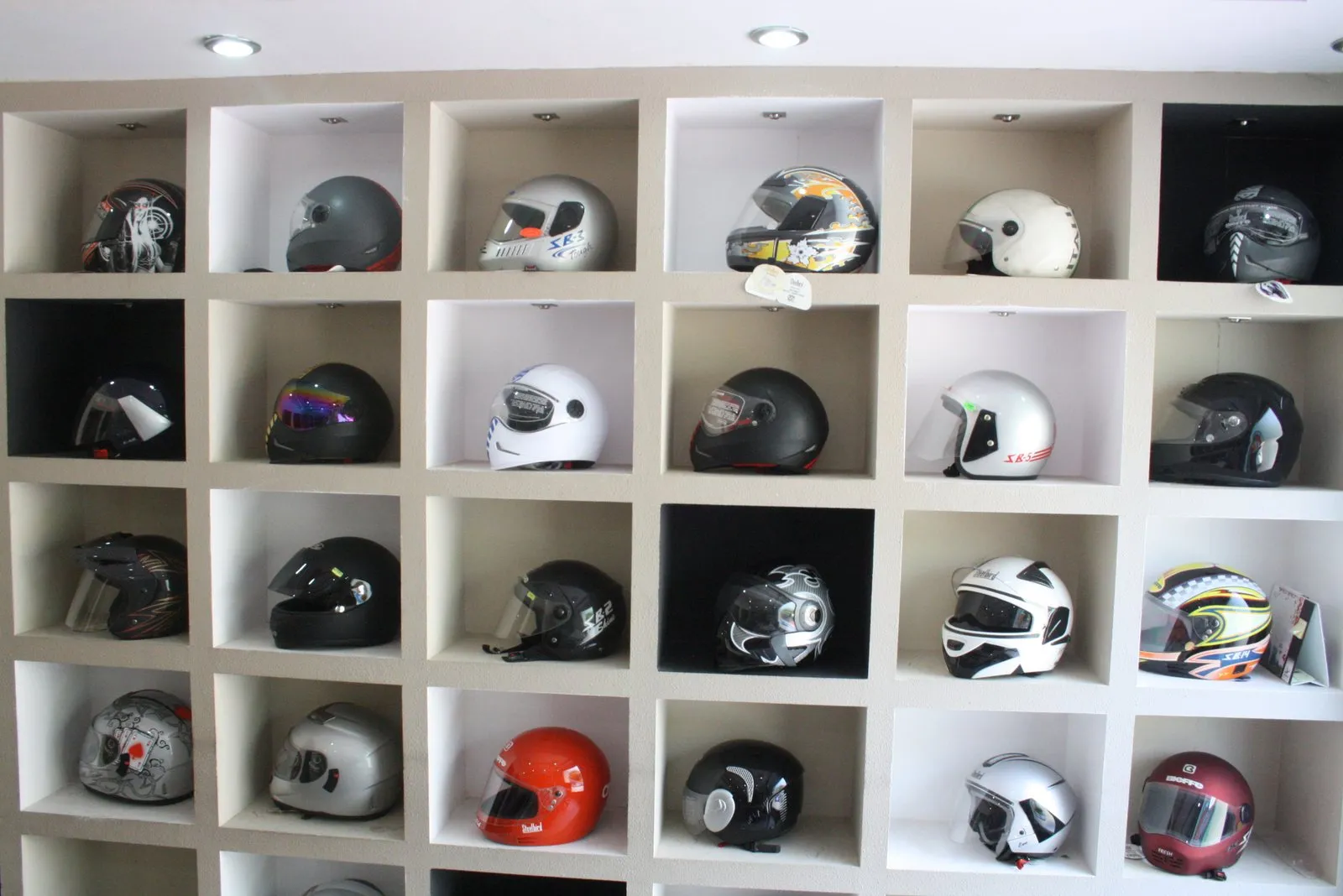



Man Fact: 85% of the helmets sold in India will not save you in case of an accident.
The yearly demand for helmets in India is 9 crores per year, but only one crore ISI approved helmets are produced.

1. Should I buy a light helmet?
Absolutely not. Most of the helmets that you buy are light because the manufacturers use poor quality of thermocol and plastic for outer shell. Don’t be surprised if the light helmet that you bought from a roadside vendor doesn’t even have thermocol in it. If you’re really keen on buying a light helmet, buy one in which the outer shell has been made using carbon fiber, which is used in Ferraris and airplanes because it’s sturdy and light.
2. Does the quality of thermocol really matter?

Yes it does. The thermocol used in helmets are not the same as the ones, which we used in school for art lessons or the ones used to safeguard electrical appliances in the boxes. Thermocol used in helmets are specially made of a particular density to absorb maximum pressure produced on the surface of the helmet during accident. If it’s of poor quality, the pressure will be passed on to the head. Also, poor quality thermocol would become too brittle during summer to stand the pressure, and extremely hard during winters to absorb the pressure.
3. How should I decided the size?
If you carefully observe the bikers, you’ll notice that either the helmet is too tight or too loose. Manufacturers make helmets from 52 cm to 64 cm, but only size M (58) and L (60 cm) are sold. No one really cares about the fact that the helmet should be bought according to the circumference of the skull. One should buy a helmet that doesn’t move freely like chakra. If the helmet is loosely fitted, your head will spin like a ball and break the moment you hit the ground in course of an accident. Chances of survival are extremely bleak after the neck breaks.
4. Should the helmet only protect head?

Primarily yes, because head injuries are deadliest unlike jaws and cheeks, which can still be restored. However, you should buy a helmet that protects you from front and jaw impact. Some helmets use thermocol around the shell to guard jaws. Your visor has to be unbreakable and made of materials like polycarbonate, which will not break even if an elephant jumped on it.
5. Is anti-scratch visor a waste of money?
The high intensity of headlights of vehicles coming from opposite direction is distracting, but not when your visor has anti-scratch coating.
6. What is peripheral vision?
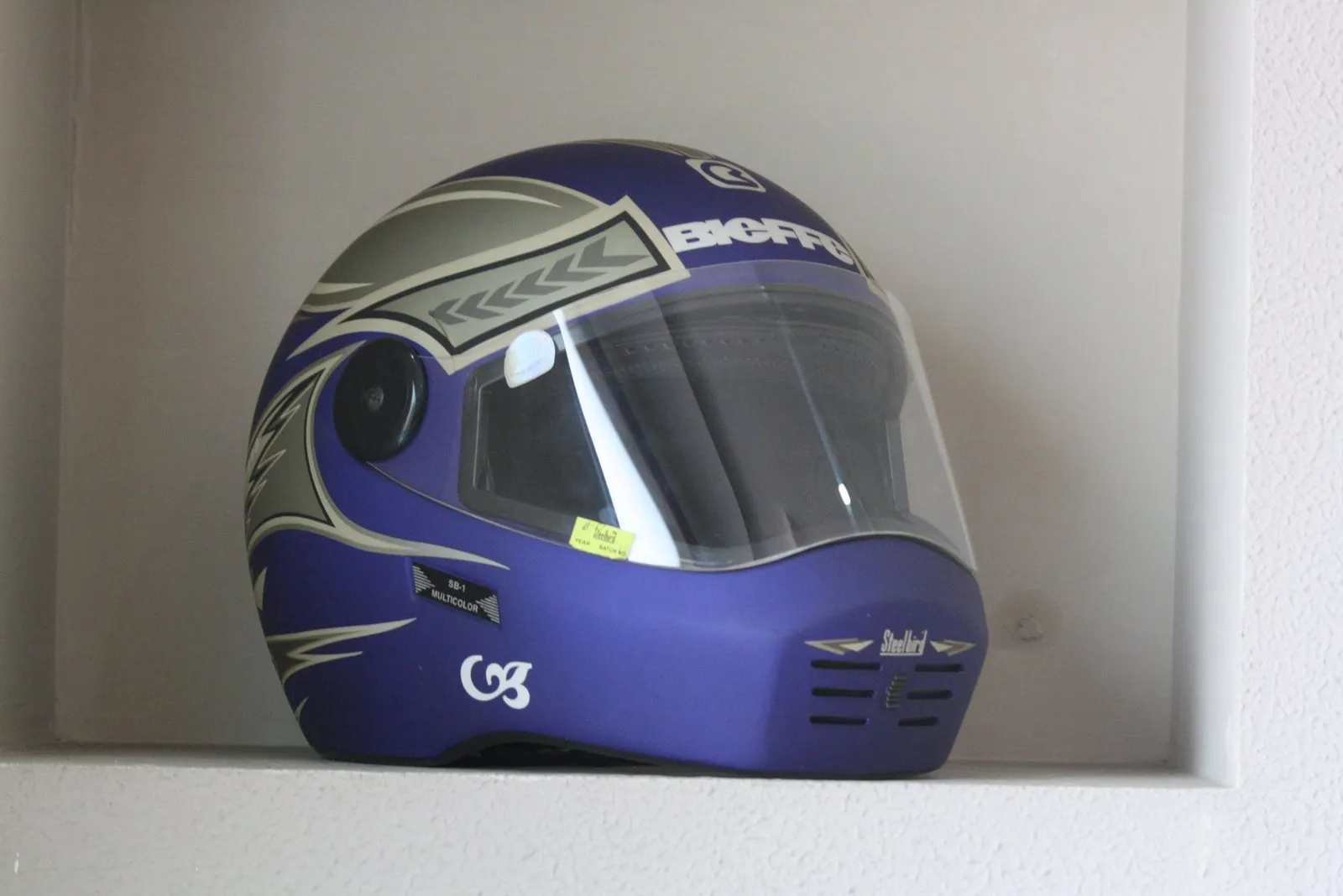
Any helmet must allow you side vision of 45 degrees else you’ll miss on the car or truck that’s trying to overtake you.
Which colour should I buy?
7. Colour doesn’t matter, but buy a helmet that has reflective stickers so that vehicles approaching from behind can spot you.
8. How should I check the sturdiness?
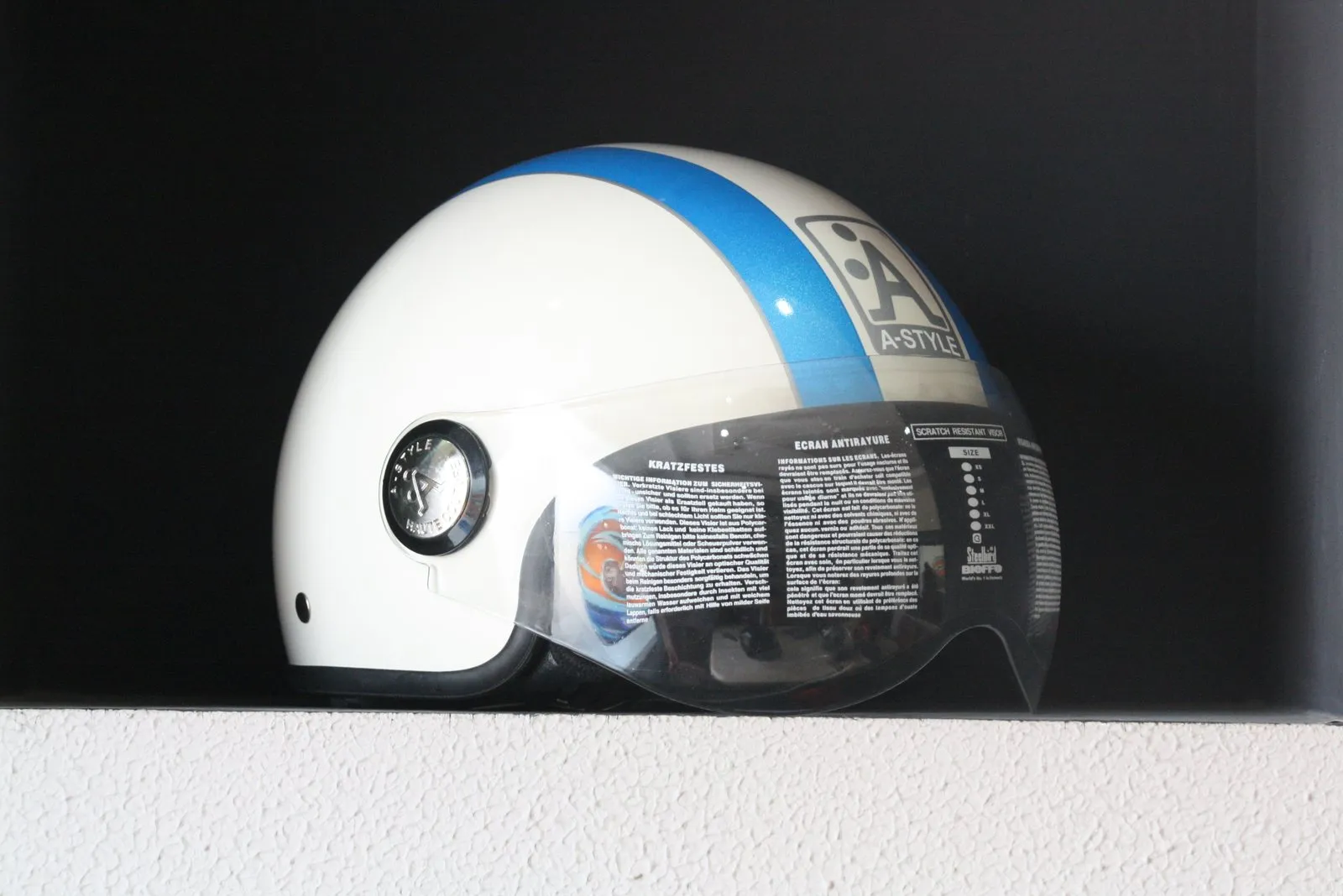
Buy a helmet that would rather get crushed like a car’s front glass than break into chips.
Maintenance and handling
1. Don’t make any modification to the helmet because it might make it unsafe.
2. Always strap your helmet so that it doesn’t get thrown away during accidents
3. Change you helmet after every accident because the thermocol looses it’s sturdiness with every hit.
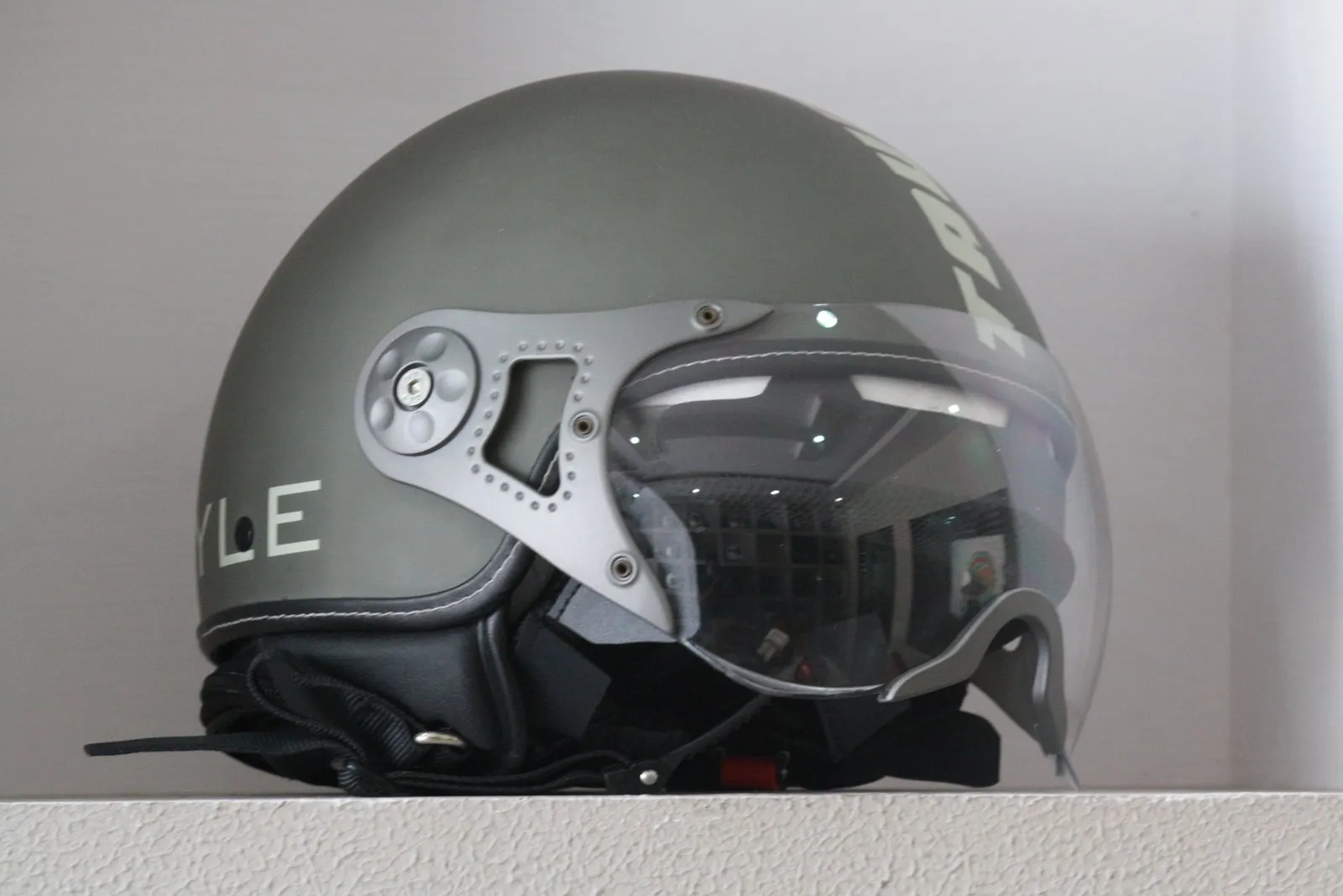
4. Helmet can be seriously damaged by some common substances without the damage being visible to the wearer, so inspect it regularly
5. Never buy a fake helmet.
HELMET MYTHS BUSTED
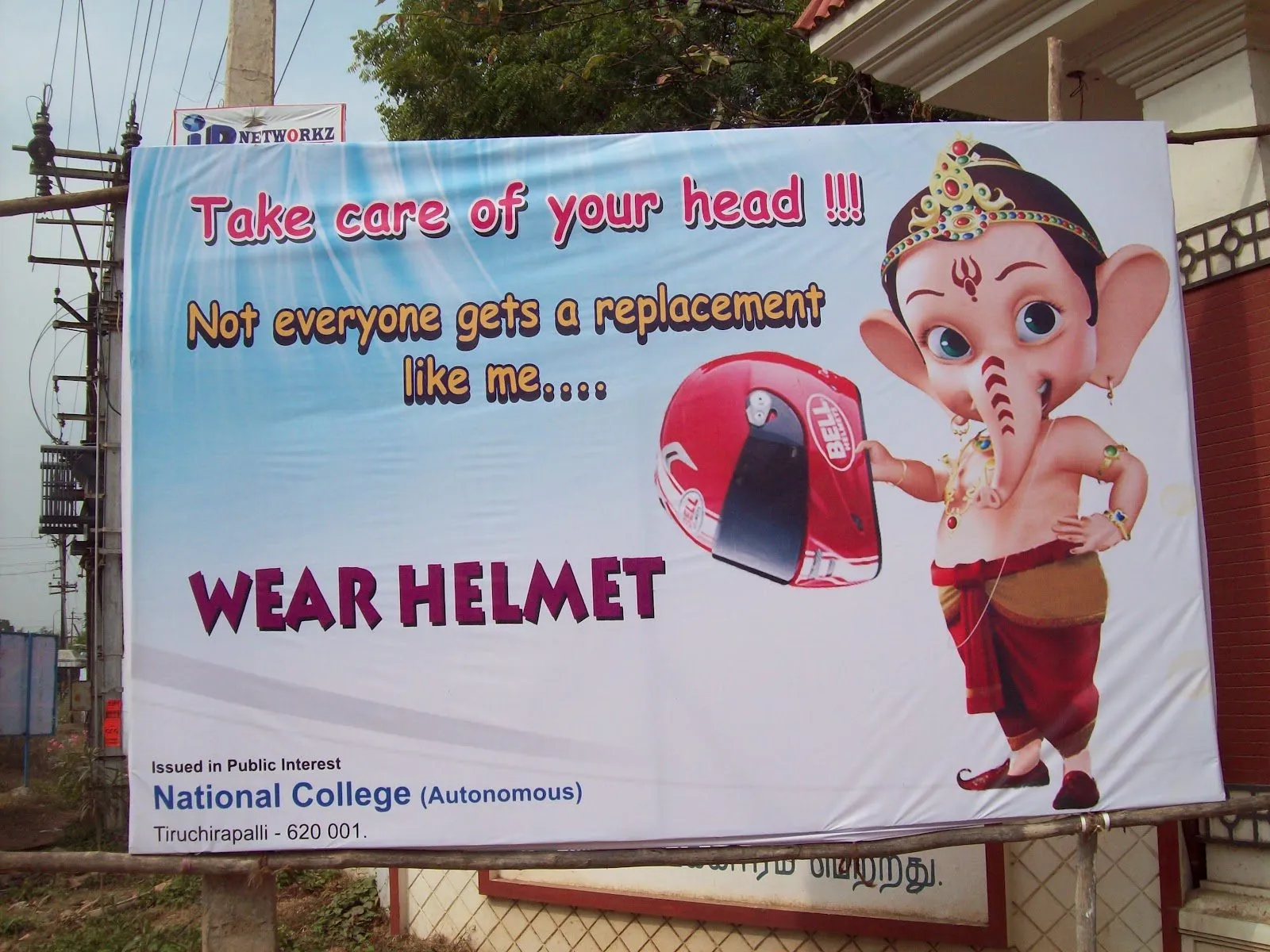
Myth: Helmets cause neck or spinal cord injuries
Fact: A study conducted at Johns Hopkins University in 2011 said that wearing a motorcycle helmet reduces the chance of cervical spine injury. The research studied more than 40,000 motorcyclists to prove that riders with helmets were 22 percent less likely to suffer cervical spine injury than those without them.
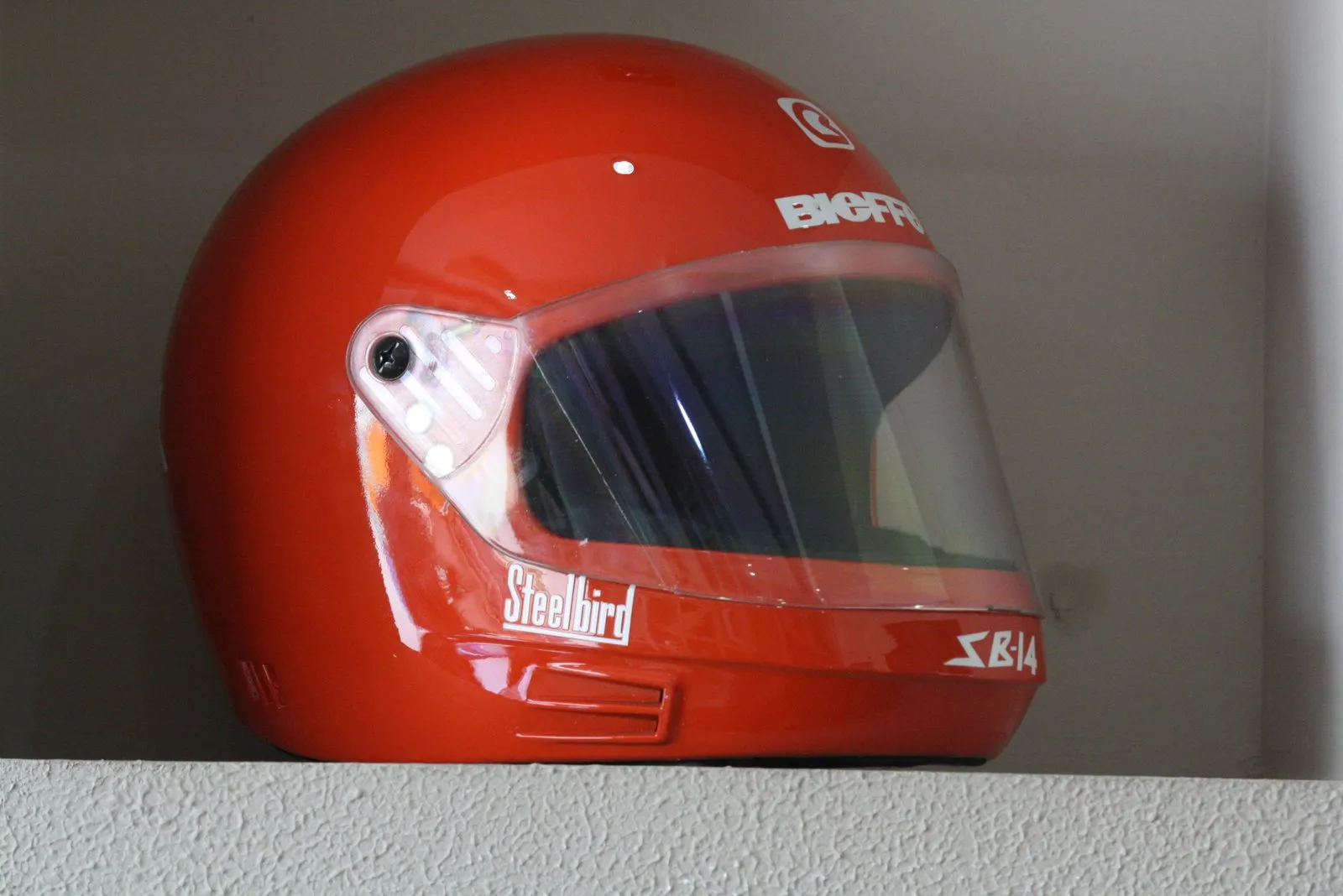
Myth: Helmets hinder vision.
FACT: Not true. Normal peripheral vision is approximately 180 degrees, and helmets provide 210 degrees of vision. Over 90 percent of crashes happen within a range of 160 degrees with the majority of the remainder occurring from directly behind.
Myth: Helmets reduce traffic noise.
FACT: On the contrary, helmets just reduce wind noise. In a study conducted by the University of Southern California, not even a single case was detected where the rider, who met with an accident, couldn’t detect a critical traffic sound.
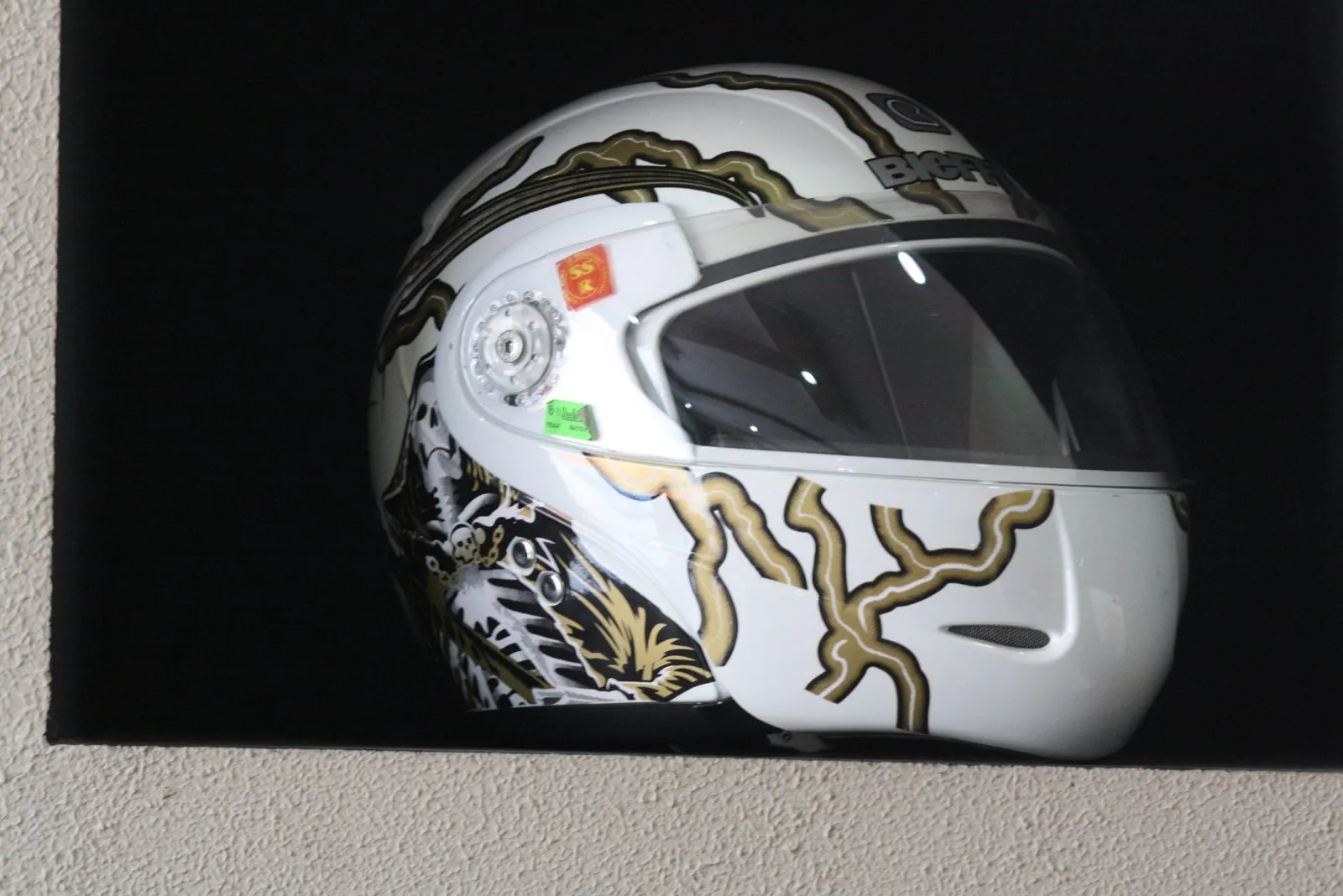
Myth: Helmets give a false sense of insecurity.
FACT: There’s no research that supports this myth. However, there’re some evidences that indicate that riders who wear full gear and don’t drink and ride, ride safer.
Myth: Helmets cause heat exhaustion.
FACT: Dehydration is a possible problem for riders; and wearing proper protective gear, including a helmet, will lessen the likelihood of dehydration by diminishing the effects of hot wind and help in retaining body moisture.
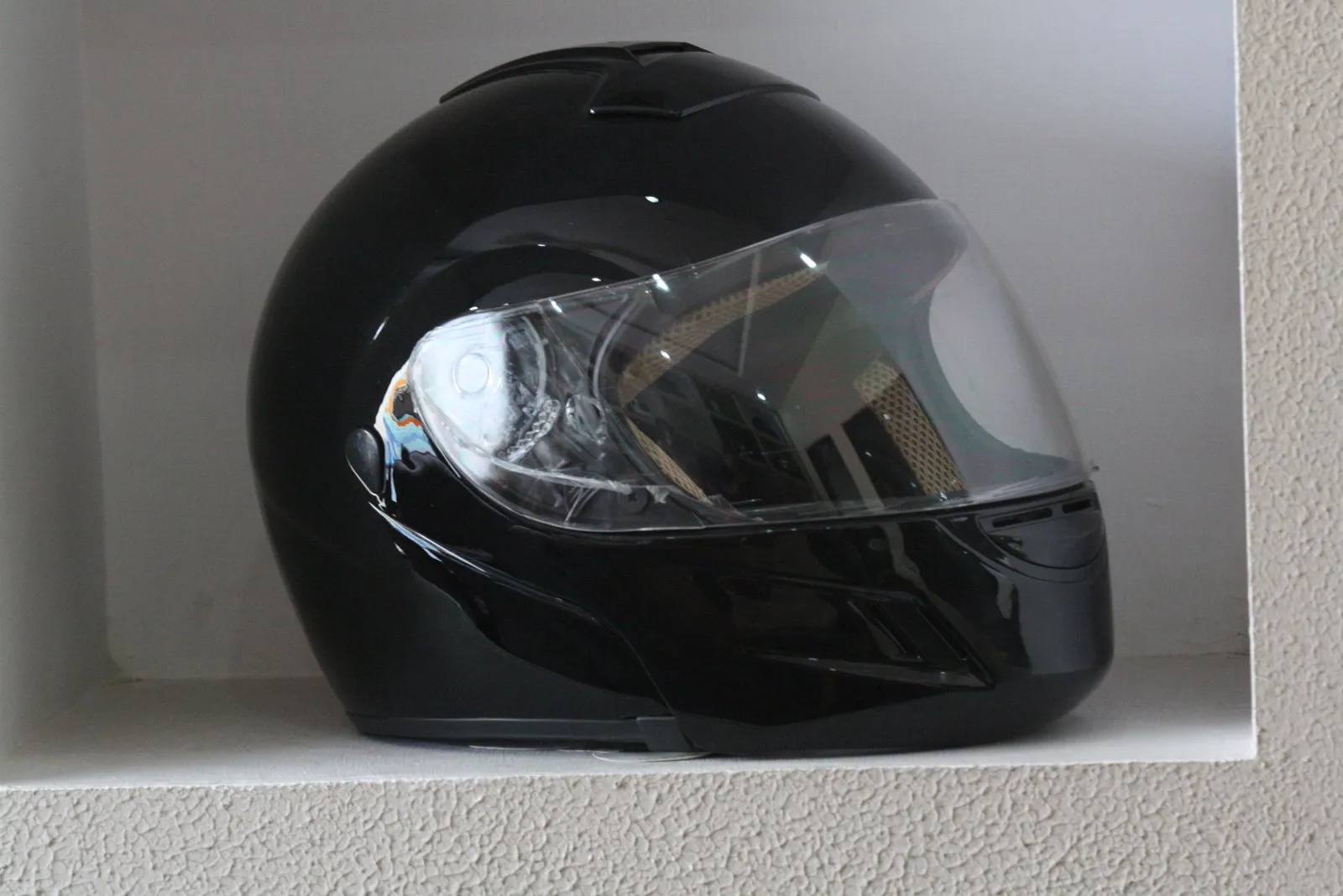
ISI STANDARDS FOR HELMETS
1. The shell of the helmet has to be only of approved non-metallic materials.
2. The protective padding has to be of expanded polyurethane foam, polyethylene or any other material having similar properties.
3. The comfort padding shall be of expanded polyurethane foam, polyethylene or any other suitable material having similar properties.
4. The retention system material for chinstrap and headband shall be sweat-resistant, non-irritant and shall not be known to cause skin disease.
5. The characteristics of the materials used in the manufacture of helmets shouldn’t noticeably change with time.
6. The strap should be at least 2Omm wide.
7. The helmet conditioned by solvents, ambient, ultra violet, heat and cold shall be tested for impact absorption.
8. The helmet should be tested for sound properties.
From the May 2012 issue of FHM India.
Spotted a mistake, or your photo used without permission? Report a correction











 in your inbox