
9 Places To See Before They Die
Nine fragile corners of the planet to see before they disappear



Let’s face it we have pretty much fuckered the Earth beyond repair; the least we can do is get ringside seats
These are strange times that we live in, the morbidity probably necessary to hammer in the point. Two-thirds of the Earth’s eco-systems are under threat of fading, drifting or simply crumbling away. It’s getting warmer, the ice is melting, the seas are rising and the rain forests are being taken down faster than virgins in America.

So what can we do? We say travel. Climb the mountains before all the ice is gone, wander through depleting rainforests and convince girls to take off their bikini tops on soon to be underwater islands.
True, it raises an ethical question – wouldn’t a flood of tourists to push already fragile eco-systems over the edge?
It would but that’s where sustainable tourism steps in. Plus people who’ve visited these places are more likely to help conserve these places than those who haven’t. A survey by a charity working on the conservation of Galapagos discovered that 75 per cent of the people who visited the island recognised the need to balance tourism with conservation, while 50 per cent planned on remaining involved in ensuring a positive future for Galapagos.
A cruise to the bottom of the Earth – Antarctica
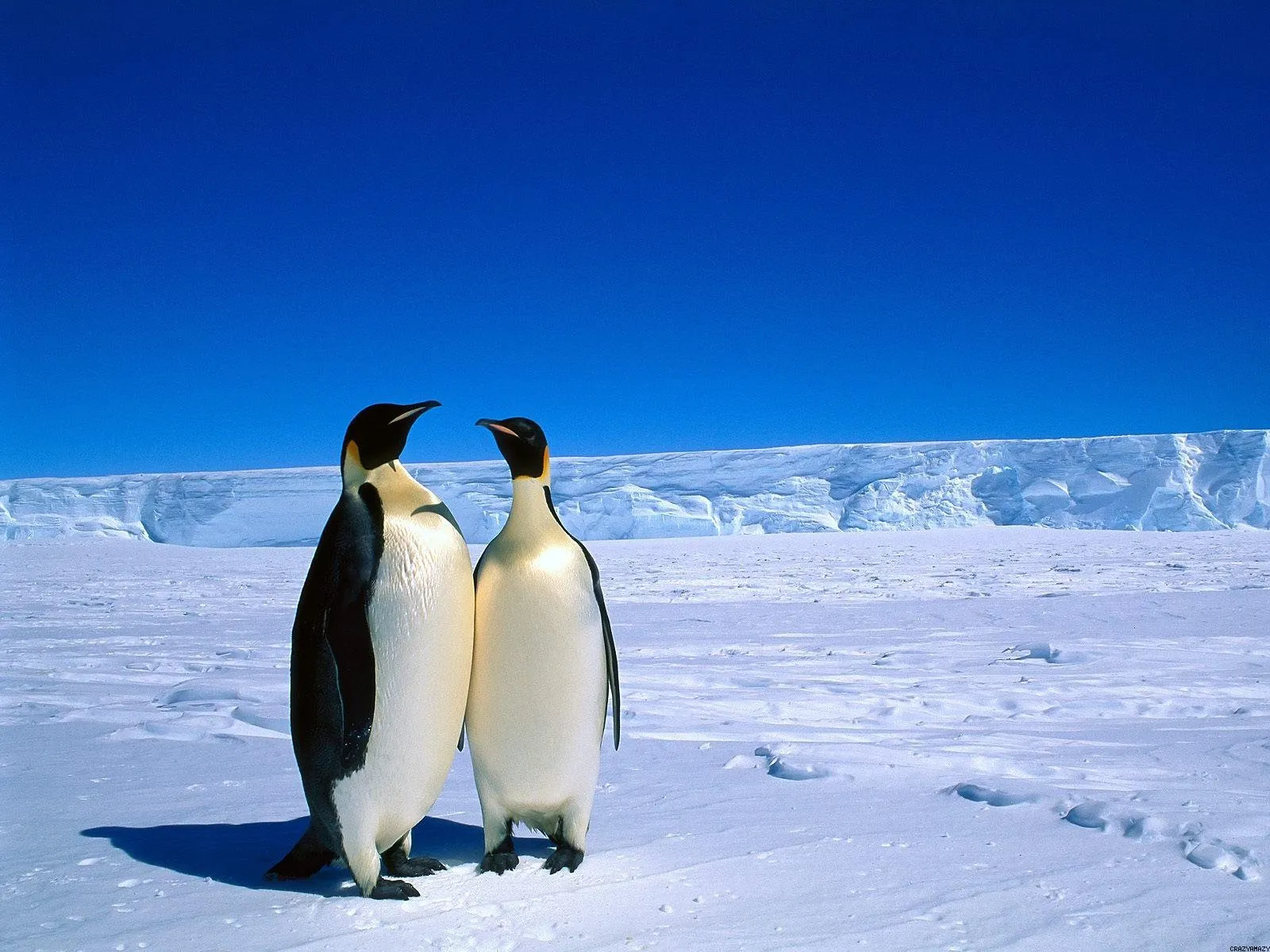
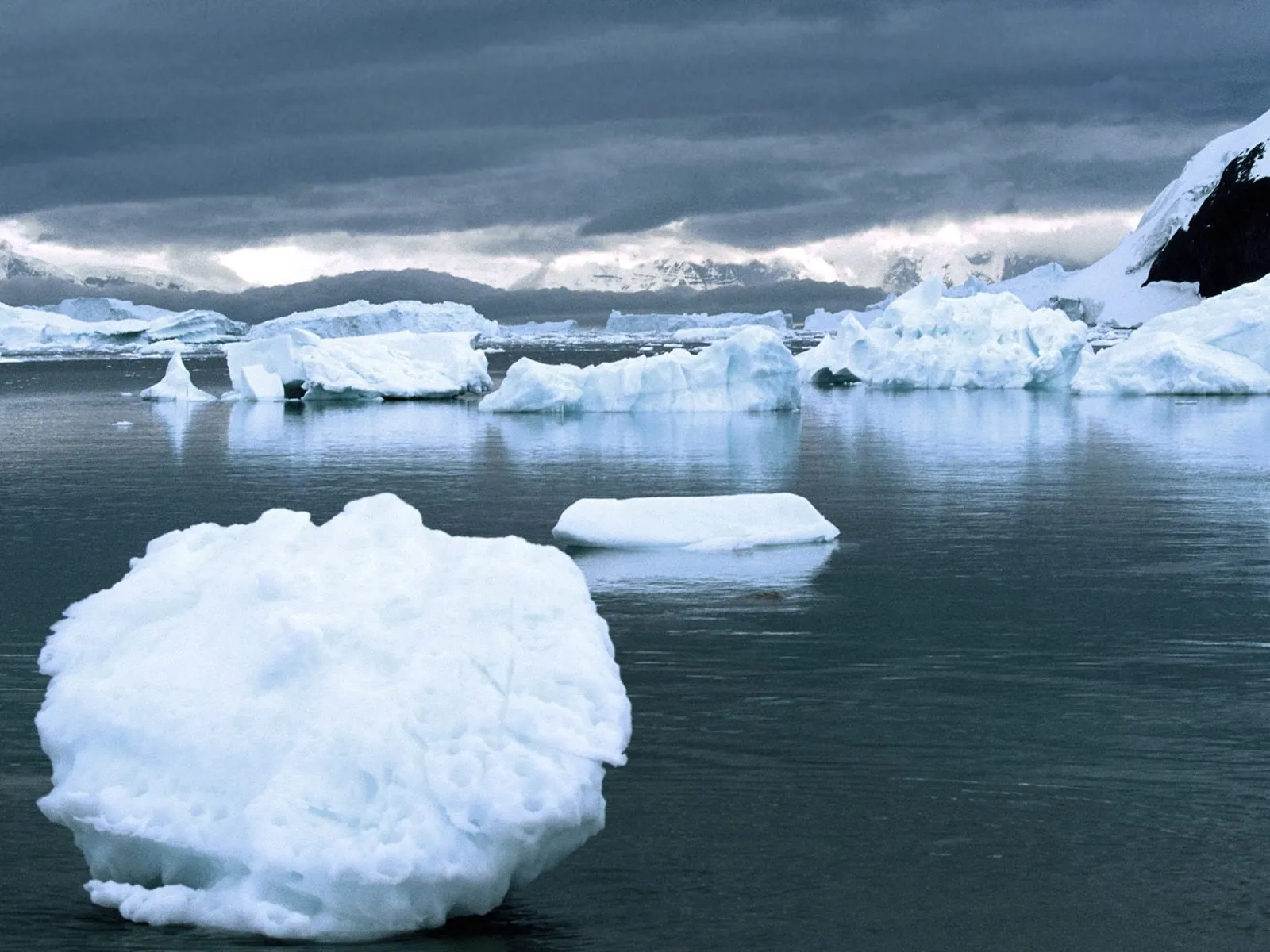
Anyone who's travelled to Antarctica will be dying to tell you what it's all about; unfortunately very few will ever find words to do it justice. Odds are they'll describe the cracking noise when the ship's hull tore through a sheet of ice, talk about the hurricane force winds; and something about small balls of black and white leaping off an iceberg – the King Penguin. But, sooner or later, they'll shake their heads and tell you: 'you had to be there'.
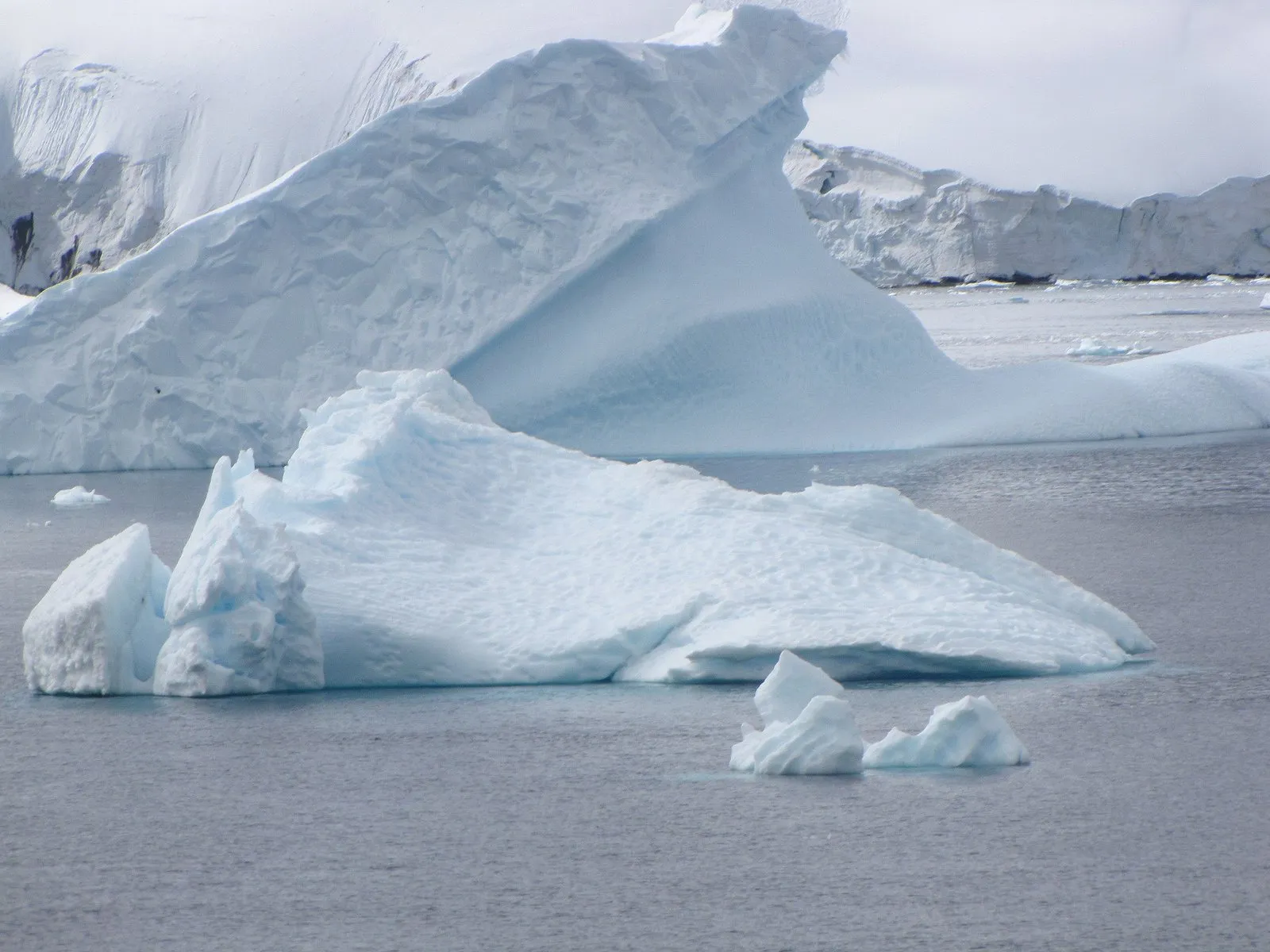
If you want to be there while the South Pole is still in its prime, you'd be better advised to hurry. Global warming is taking a very heavy toll. According to a report by the Scientific Committee on Antarctic Research (SCAR) as much as a third of the Antarctic ice would have melted by the end of the century. According to the report, the Antarctic Peninsula alone has decreased by over 27,000 sq km in the last 50 years and the rate of melting of ice is only getting worse. The South Pole ice caps are even more precariously placed since the temperatures of the South Sea are rising faster than other oceans.

"Ice shelves the size of small countries are crumbling away and the latest evidence from the Antarctic is showing that the effects of global warming there are increasing in magnitude," Rob Nicoll, WWF manager for Antarctic and Southern Oceans Initiative had been quoted as saying.
What does it mean? Apart from the 203 ft rise in the world's sea levels (when it all melts), a tragic future for Emperor penguins, Humpback Whales, Elephant and Antarctic fur seals. In fact so much so, that it may very well cause Earth's rotation to shift 500 mt from its current position.
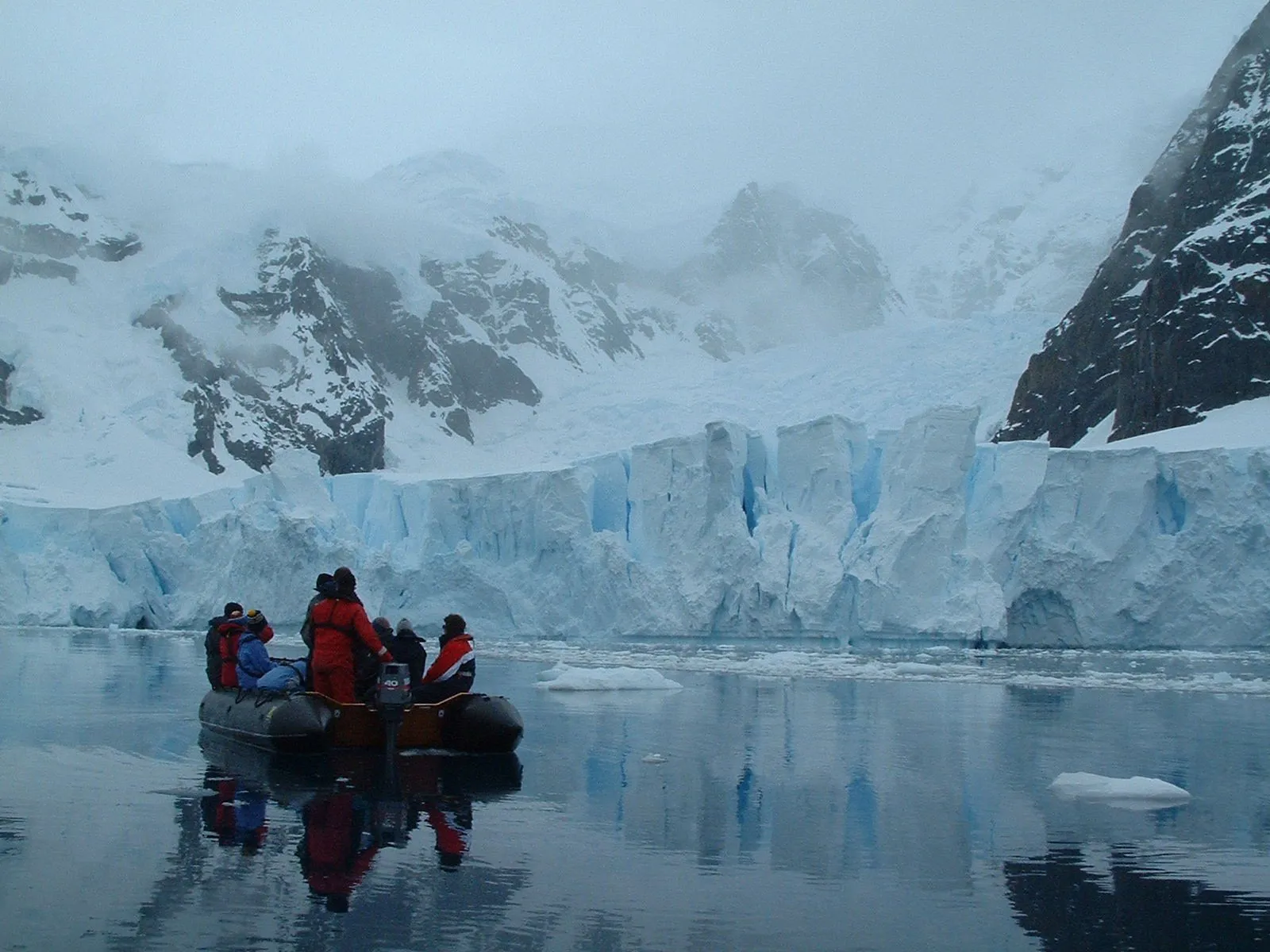
Tourism: If there are any doubts about Doomsday tourism figures from the South Pole seals it all. According to figures by The International Association of Antarctica Tour Operators (IAATO) the number of tourists heading to Antarctica has increased six folds since 1992-93. While 12 ships and yachts made 59 voyages with 6,700 tourists on board in 1992-93; in 2008-09 it increased to 53 ships and yachts making 290 voyages and carrying 37,800 tourists. Indians too are scribbling itineraries for Antarctica– 87 Indian tourists visited the South Pole in 2008-09.
The figures are bound to raise questions about the additional stress that traipsing tourists are creating on the already fragile eco-system. Steve Wellmeier, Executive Director of IAATO (it was established to promote responsible tourism in the region) believes it's possible for tourism to promote conservation. The IAATO has management strategies in place to "provide only a minor or transitory impact related to the presence of tourism". "Since our founding in 1991, we have developed guidelines related to appropriate distances when approaching wildlife, for example," Wellmeier says.
We suggest: Antarctica Cruise Voyages it subscribes to all of IAATO's guidelines and has also won a 'Responsible Tourism' award. An 11-12 day cruise will cost you upwards of $ 5,990.
ALSO VISIT: GREENLAND: Earlier this year Greenpeace scientists discovered a huge crack in Peterman Glacier, Greenland's largest. Scientists estimate that the glacier is draining out at the rate of 50 cubic metres per second (enough to fill an Olympic Pool in a minute). Last year a 37 km square ice island broke off and this year the far end of the glacier has already broken away more is expected. Greenland's other major glacier - the Kangerdlugssuaqabout is receding at the rate of 8.5 miles each year, the fastest in the world. The midnight sun and the Northern Lights are to die for.
Galapagos Island
600 miles off the coast of Ecuador is an archipelago which is often called "the most biologically outstanding area on Earth" and for good reason. Apart from the sparkling blue waters and the jet black cliffs, the island is home to 9,000 species which are not found anywhere else in the world. Galapagos is home to the only penguins in the Northern Hemisphere, the only ocean going lizards in the world and plants that reproduce without pollination and of course Darwinian finches.
But all is not well on Darwin's island - invasive species, tourism, fishing, overdevelopment and pollution have left the island ecosystem staring down the barrel of the gun.
Invasive species have had a particularly severe impact on the native species of Galapagos. There are now 748 introduced species of plants compared with the 500 species of native plants; an estimated 490 species of insects and 53 species of other invertebrates which have been introduced to Galapagos. Fifty-five of these are known to severely impact on the native species, such as the parasitic fly that is attacking Darwin’s finches. The Penguins have been detected with a blood born virus that can cause avian malaria, giant tortoises are in the deep red and only 48 adult Floreana mocking birds remained in 2007.
Only last month, the Ecuadorian Government started to evict migrants who had been moving to Galapagos from the mainland to reduce pressure on the eco-system.
The number of tourists visiting grew by more than 390 per cent from 1991 to 2006 when 160,000 tourists descended from their yachts. The growing number of visitors has had an adverse impact and could destroy the Islands if allowed to increase uncontrolled.
Tony Darton, Chief Executive of the Galapagos Conservation Trust, agrees that the challenge is "Keeping the balance between sustainable tourism, visitor numbers, local economic development and the health of the ecosystem." Following a campaign led by the GCT in UK, there is a moratorium on the visit of large cruise-ships to the Galapagos. In addition, the Charles Darwin foundation has laid down some rather stringent guidelines both for tourists visiting the islands as well as yachts taking anchor there.
We Suggest: Ecoventura – the company won the Conde Nast traveller's World Savers award this year and operates the first hybrid yacht on the islands run by solar and wind power. An 8 Day cruise will cost you upwards of $ 2,925.
Mount Everest
It would be foolish to try and describe Mt Everest except saying it feels like the top of the world, because it is. Unfortunately, things at this mecca of mountaineers, isn't exactly aces. Global warming, melting glaciers and an unforeseen number of tourists (mountaineers say they can't count as mountaineers; half of them don't even know how to hold an ice-pick) have begun to take a toll. Since Sir Edmund Hillary and Tenzing Norgay climbed the summit in 1953, 4000 climbers have climbed the Everest and two thirds of them have mounted their assaults on the world's highest peak in the last 15 years. The Everest base camps have been spruced up for tourists – the base camp now offers facilities like fresh strawberries, flat screen TVs and wireless internet connections – hardly what Sir Edmund would have approved of.
The melting glaciers though, continue to be the worst worry for Everest conservationists. The Khumbu glacier has retreated by more than 5 km in the last five decades and much of the Imja glacier (its less than 6 km from the Everest) has melted into a huge blue lake and continues to recede at the rate of 74 m a year, the fastest of all Himalayan glaciers. This is a cause for worry because the Himalayas have the thickest concentration of glaciers in the world outside the poles. An exhibition 'Himalaya: The Changing Landscape' organised by the International Centre for Integrated Mountain Development (ICIMOD) showed that while some of the glaciers at lower altitudes have completely disappeared, while some of the bigger ones have lost as much as half of their volume.
Dr. Andreas Schild, Director General of ICIMOD thinks that “Melting glaciers are just the tip of the iceberg" and that scientific evidence has showed that the effects of globalisation and climate change were being felt in even the most remote Himalayan environments.
Tourism: Dawa Steven Sherpa, who has been running an Eco-Everest expedition in partnership with ICIMOD for the last two years relates, "Mountaineers often joke that they will soon be purely rock climbing to the top of Mt Everest since all the snow will be gone". "The Eco expedition aims to address the problem of human impact on the mountain. Be it garbage and human waste (faecal matter) or the melting of the glaciers themselves," Sherpa relates. Till, date his firm has collected nearly 7 tons of garbage on the mountain in their "cash for trash" project and brought down all their human waste for the last two years using specially designed waste bags. They also reduce their dependency on fossil fuels and fire wood by using solar technology to cook and to generate electricity in the camps to make sure that the next expedition is environment friendly.
We suggest: Asian Trekking; a 62 day trek costs upwards of $ 20,679 for services till the summit.

See a Cetacean
Now may very well be your last chance to see some Whales, Dolphins or Porpoises outside of a photograph. IPCC (Intergovernmental Panel on Climate Change) noted that climate change “was producing long term and perhaps irreversible changes in the physical oceanography”. Reports suggest that as many as one fifth of the world’s cetaceans will fall pray to the rise in ocean temperatures.
According to Eric Hoyt, Senior Research Fellow for WDCS (Whale and Dolphin Conservation Society), The Vaquita only found in far Northern Gulf of California, all 5 species of river dolphins, including the South Asian or Gangetic River dolphin are going to be affected. "The rising ocean temperatures also threaten "Arctic whales and dolphins that live along the ice, Belugas, Bowhead whales and Narwhals,” Hoyt says. “Last year the Yangtze River dolphin or Baiji was declared extinct. It was not due to climate change, but due to habitat destruction and interference from fishermen over many years,” Hoyt says. Others like the Western Grey Whale too are precariously placed.
Tourism: Since its commercial endeavour in the mid-1950s, whale watching now attracts more than 13 million participants across 119 countries and is now valued close to $2.1bn. “Many cetacean populations are already so impacted by human activities, including over-fishing, habitat degradation, naval exercises, noise and chemical pollution that negative encounters with vessels can be the ‘final straw’ threatening an already beleaguered population,” Vanessa Williams-Grey, Leader for WDCS’s Responsible Whale Watching Programme says. Grey says while there are certain cetacean populations that may need to be either exempted from viewing or controlled, she admits “a limited amount of responsibly-conducted whale watching is fine for many cetacean populations”. In addition, many countries now impose strict regulations governing how close vessels can approach such populations and maximum speeds for vessels (Northern right whales off USA for example).
We suggest: Out of the blue (oceansworldwide.co.uk); prices vary
The company has come up with rather comprehensive guidelines for tourism along with WDCS. The boats cater to strict norms of speed, directionality and waste disposal.
Indonesian and Brazilian rainforests
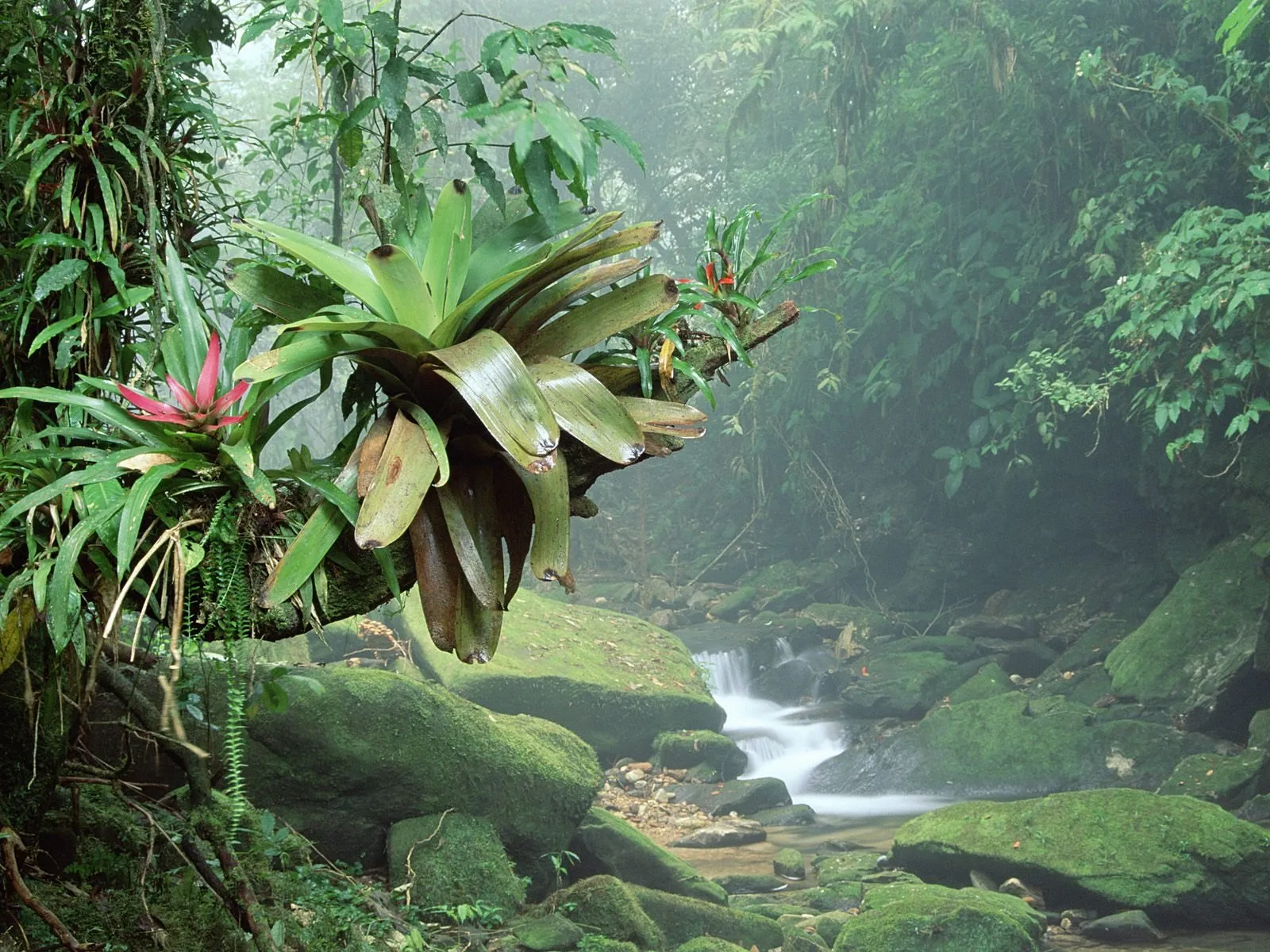
Once the world was covered with an unbroken sash of green – 6 bn acres of Tropical Rainforests; today even though more than half of it has been felled (2.5 bn acres is left) the myth surrounding a tropical rainforest still remains. The Rainforests are said to be home to as many as 50 per cent of the world's species, they help stabilise the rainfall, absorb CO2 –that's why its even more shocking that these uber precious eco-systems also happen to be the most threatened on the planet. According to reports the world loses as much as 80,000 hectares of forests a day and with it several species endemic to them.
"Nearly 20 percent of global carbon emissions are caused by deforestation, so when we cut down forests, we’re adding more CO2 into the atmosphere," Abby Ray, Communications associate for Rainforest Alliance says. "Often it's cut down for agricultural production because farmers can earn more money by growing crops that are in demand. In the case of Indonesia, the rainforest is under threat from the rampant growth of palm oil plantations. Probably the most critical areas of rainforest right now are in Indonesia and the Amazon region," Ray adds. The other big threat that the rainforests face is from the burgeoning illegal timber trade.
In the Indonesian forests, several conspicuous species including the Orang-utan and the Sumatran Rhinos are on the brink of extinction while the Bali and Javan tigers are already extinct. On the island of New Guinea (Irian Jaya) the world's only tropical glacier is receding due to climate change, mining and deforestation.
Brazil on the other hand is home to the largest and most heavily deforested rainforests along the mighty Amazon. In a single square mile of tropical forest in Rondondia, Brazil there are 1,200 species of butterflies – twice the total number found in US and Canada. The rainforests are home to thousands of indigenous people who are increasingly finding it more and more difficult to survive. In Brazil alone 26 groups have been wiped out and scattered over the last decade. The Amazonian and Indonesian rainforests house thousands of species of flora and fauna, more than half of which exist nowhere else in the world.
Tourism: Conservationists talk about national parks being overwhelmed by an influx of tourists the impact of rapid tourism related development on the forests. Keeping that in mind, The Rainforest Alliance (along with the United Nations Foundation, UN World Tourism Organization and the UN Environment Programme) has come up with a Global Sustainable Tourism Criteria to minimise the impact of tourism on the local environment as well as maximise socio-economic benefits to the local community. "When done with best sustainable practices in mind, tourism can educate guests, promote conservation, provide jobs for local workers and give local communities/businesses incentives to keep their forests standing rather than cutting them down," Ray says.
We suggest: The Mamirauá Sustainable Development Reserve in Brazil (book through brazil-ecotravel.com) or try a boat cruise on the Amazon with Amazon clippers (prices upwards of $1236)
Madagascar
If there was one place on Earth where evolution stood still this is it, this is it, this is it. Isolation from the African mainland for 160 million years has created a flora-fauna that will flummox even the most imaginative souls. Madagascar is home to evolutionary oddities like Fossa that looks like a cross between a Puma and a dog, an insectivore that looks like a miniature hedgehog and makes grinding, chirping noises and the legendry Baobab trees that looked like they are planted upside down. No mention of Madagascar though would be complete without the lemurs more than 60 varieties of which exist in Madagascar including one specie which sings eerie, whale-like songs and one that swears rudely but dances like a ballerina. The island is also home to an entire desert eco-system only of spiny plants; and houses flora that has varied medicinal purposes.

Unfortunately, the threats to this unique eco-system are just as numerous as the species it houses. Estimates suggest that as much as 80-90 per cent of Madagascar's forests have been destroyed in a mere 2000 years since human settlers set foot here. Every year as much as one third of Madagascar's land area burns in agricultural fires that spread in the wild-lands; soil erosion and the threat posed by invasive species make matter even graver. As many of the 15 species of Madagascar's symbols of conservation – the lemurs are already extinct, as are the elephant birds.
Tourism: "Madagascar is increasingly dependent on ecotourism but the recent political chaos has been a huge setback," Rhett Butler says. Butler runs Wildmadagascar.org and works for the conservation of Madagascar. "Guides are now out of work and funds for parks and conservation activities have dried up. Madagascar needs political stability for it to reach its fullest potential, which includes a healthy and sustainable ecotourism industry," Butler says. Fortunately Madagascar is on the cusp of political stability and talks as recent as last week have indicated to the same. There are several companies which follow guidelines laid down for sustainable tourism by WTO and ilk to minimise the tourist footprint.
We suggest: Remote River Expeditions (remoterivers.com); expeditions start from $ 3,700.
Coral triangle
Spread over 5.7 mn sq km, the coral triangle is not just the global centre of marine bio diversity it is also one of the world’s top priorities for marine conservation. The 'Serengeti of the Sea' as the coral triangle is often called, constitutes the Solomon Islands, Papua New Guinea and much of Indonesia. Its home to 600 reef-building coral species (75 per cent) of all species in the world and more than 3,000 species of reef fish. It is also home to 75 per cent of known mangrove species, six of the world's seven species of marine turtles (Green, Hawksbill, Olive Ridley, Leatherback, Loggerhead and Flatback) and 22 species of marine mammals.
A report by the World Resources Institute estimated that 88% of Southeast Asia’s reefs are threatened by over-fishing, mass coral bleaching and rising ocean acidity. "The reefs here are threatened by climate change. When corals become stressed by high sea temperatures, they expel their colourful algae and turn white (coral bleaching). If you don't know what it is, it looks quite beautiful. But, if you do, it's quite sad because what you are looking at is dying coral. With enough warming this can happen over very large areas and the corals might die off completely," Dr Alison Green, a Senior Marine Scientist with the Nature Conservancy's Coral Triangle project said in a report. A WWF commissioned study has already made a Nostradamus-like prediction; it says if effective action is not taken on climate change – corals may have completely disappeared from the Coral Triangle by the end of the century.
Tourism: A company funded by The Nature Conservancy and the World Bank manage eco-tourism in the Komodo National Park. Coral triangle countries have put a conservation plan in place and the Nature Conservancy will be establishing guidelines for sustainable tourism next year.
We suggest: Head either to the Komodo National Park or the Raja Ampat Islands (rajaampatislands.com), stay at the eco tourism lodge or take a cruise.
ALSO SEE: THE GREAT BARRIER REEF: The case of the Australian Great Barrier reef is even more alarming. Scientists estimate that corals may have completely disappeared from the barrier reef by 2025.
Patagonian Grasslands
When our ancestors hunted for game on the African savannah almost one fourth of Earth's total landmass was covered in them. We domesticated grassland animals for food, adopted wild grasses into grains; and have now managed to plough under, pave over or indelibly alter as much as 70 per cent of the world's tropical savannahs. According to the Nature Conservancy's campaign for a Sustainable Planet, grasslands are the most converted, least protected terrestrial habitat on Earth (less than 2 percent are effectively conserved). They're being lost at twice the rate of their more glamorously mythical cousins – the rainforests. Grasslands house a wide gamut of species from the rarest antelopes on Earth, the wetland birds and some of the world's most endangered predators like the Cheetah, the African lion.
But in the Patagonian grasslands, over a century of grazing has left landscapes barren, desertification, conversion to agriculture and predator control took care of the rest. According to the Wildlife Conservation Society, “The dominant fauna of most Patagonian landscapes in the 21st century are now sheep, cows, goats, or European red deer, rather than Guanacos, Choiques (rheas), and Huemuls (Andean deer)". The Argentinean coastal region of Patagonia is house to some of the most varied biodiversity on the planet. Animals that live and breed there include Southern Elephant Seals, Wandering Albatrosses, Southern Right Whales, King Penguins, Southern Sea lions, and South American and sub-Antarctic fur seals and several others.
Tourism: Torres del Paine National Park (Chile) receives approximately 100,000 visitors per year with an estimated increase of 10,000 per year. Thousands of tourists hiking across the same trails every year has not just eroded the trails, it is also producing hundreds of pounds of waste and refuse. However, the sustainable tourist models are now being adapted to reduce the environmental impact of tourists.
We suggest: Gap Adventures (gapadventures.com) runs a best of Patagonia trip. The 11 day tour costs $ 2,499
Sunderbans/Cartret Islands and Maldives
At the beginning of this decade, the Kiribati islands in the Pacific became the first uninhabited island to disappear under the waters. The Carteret Islands of Papua New Guinea were expected to be the first inhabited islands to be swallowed by the rising oceans; until Lochara island in India's part of the Sunderbans beat it to the infamy. Scientists estimate that there are over a dozen vanishing islands in the Delta which are not just displacing several thousand people; it's also putting the region's 400 odd tigers in danger. The Sunderban delta is the largest Mangrove forest in the world and is home to a wide variety of endemic birds, turtles and snakes.
Strangely enough it's a fight for extinction and not for survival between the Carteret and the Sunderbans. As far as the Carteret Islands are concerned, scientists have estimated that horseshoe scattering of atolls in South Pacific would be completely submerged by 2015.
While over the 20th Century the sea levels rose between 10 and 20 cm (4-8 inches), IPCC pegs the sea rise in the 21st century at 9-88 cm (3.5–34.6 inches). Scientists also estimate that at least 2,000 small islands across archipelagic Indonesia may disappear by 2030 as a consequence of excessive mining and other environment-damaging activities; Indonesia has already lost 24 of its more than 17,500 islands. Maldives is another island nation that is preparing itself for an almost certain submersion. The small low-lying nation archipelago of great beaches averages only seven feet above sea-level, and may completely disappear under the rising waters by the end of the century.
Tourism: The Sundarbans Tiger Reserve Management and the WWF India have roped in Help Tourism, an organization working on community tourism. Efforts are on to find means for sustainable development of the village of Bali. A demonstration project - Sundarbans Jungle Camp – a low cost tourism infrastructure involving local people has been developed to turn Bali into a tourist destination. The organisations hope that the model will be picked up by the other villages and thus support a large but sustainable tourist influx. The effort is not just to develop a tourism destination but to allow villagers an alternative source of income so that intrusion into the forest declines.
We suggest: For Sunderbans try the Sunderban Jungle Camp – it was one of the finalists of the Responsible Tourism Award for 2009. Packages start at ₹18,900 for four days.
What Is Sustainable Tourism?
Sustainable tourism, like a doctor's code of ethics, means "First, do no harm." It is the foundation for destination stewardship.
Sustainable tourism protects its product-the destination. It avoids the "loved to death" syndrome by anticipating development pressures and applying limits and management techniques that preserve natural habitats, heritage sites, scenic appeal, and local culture.
It conserves resources. Environmentally aware travelers patronize businesses that reduce pollution, waste, energy consumption, water usage, landscaping chemicals, and excessive nighttime lighting.
It respects local culture and tradition. Foreign visitors learn local etiquette, including at least a few courtesy words in the local language. Residents learn how to deal with foreign expectations that may differ from their own.
It aims for quality, not quantity. Destinations measure tourism success not just by numbers of visitors, but by length of stay, how they spend their money, and the quality of their experience.
From the November 2010 issue of FHM India.
Spotted a mistake, or your photo used without permission? Report a correction













 in your inbox