
A man’s guide to baking
Baking, long considered the preserve of bored housewives, is now a man’s game. Here’s how to get started.
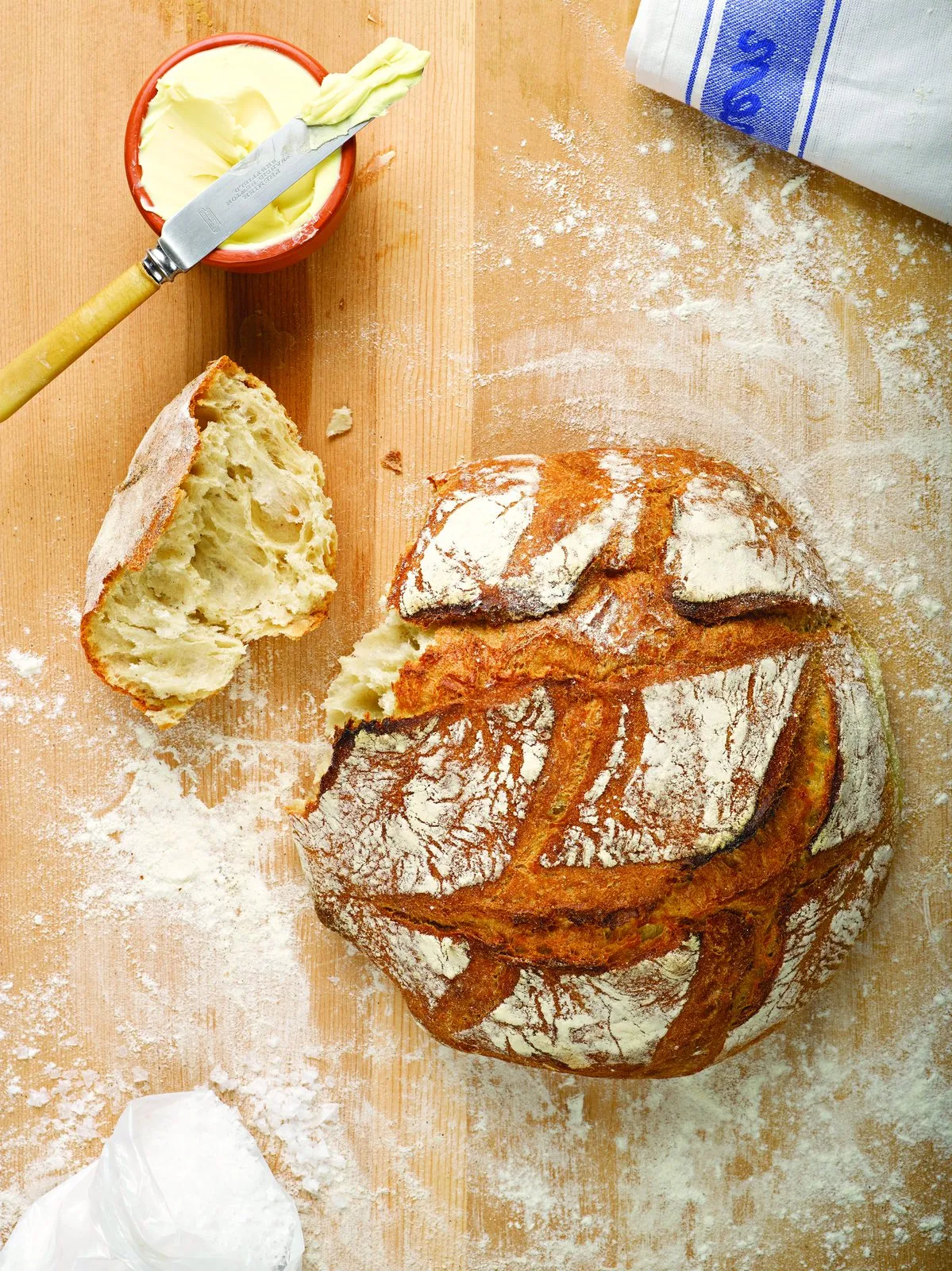



Max Tobias, 30-year-old co-founder of The Dusty Knuckle Bakery in London, on why every man needs a bit of flour power in his life.
If you think baking is just a hobby for bored housewives, come and spend a day in my kitchen… you’ll end up eating your words as well as my bread. Because baking is manly. It requires strength and sweat. It’s a race against the clock. You have to dominate the dough or it will dominate you. Bottom line: it’s not for the faint of heart. But put in the hard work and the finished loaf will repay you 10 times over.

More than that, there is something magical about baking bread, like alchemy. Watching the transformation from a lifeless, white powder into a delicious, nutritious, chewy and light substance that we rely on – and have done since the dawn of civilization. I love the fact that it is such an ancient craft yet still so relevant today. It has been the keystone of humankind’s evolution over the past 10,000 years, from the Egyptians to the Greeks to the Romans to us.
There’s another reason I love baking: it’s the perfect combination of selfishness and generosity. I love eating the bread that I bake, how it feels and how it smells. But more than that, I love giving bread to people. Because eating bread, more than any other food, is a social activity, ingrained in our culture. It’s no mistake that we have so many related expressions in our language – “it's his bread and butter”, “breaking bread” and “stealing bread from his mouth”.
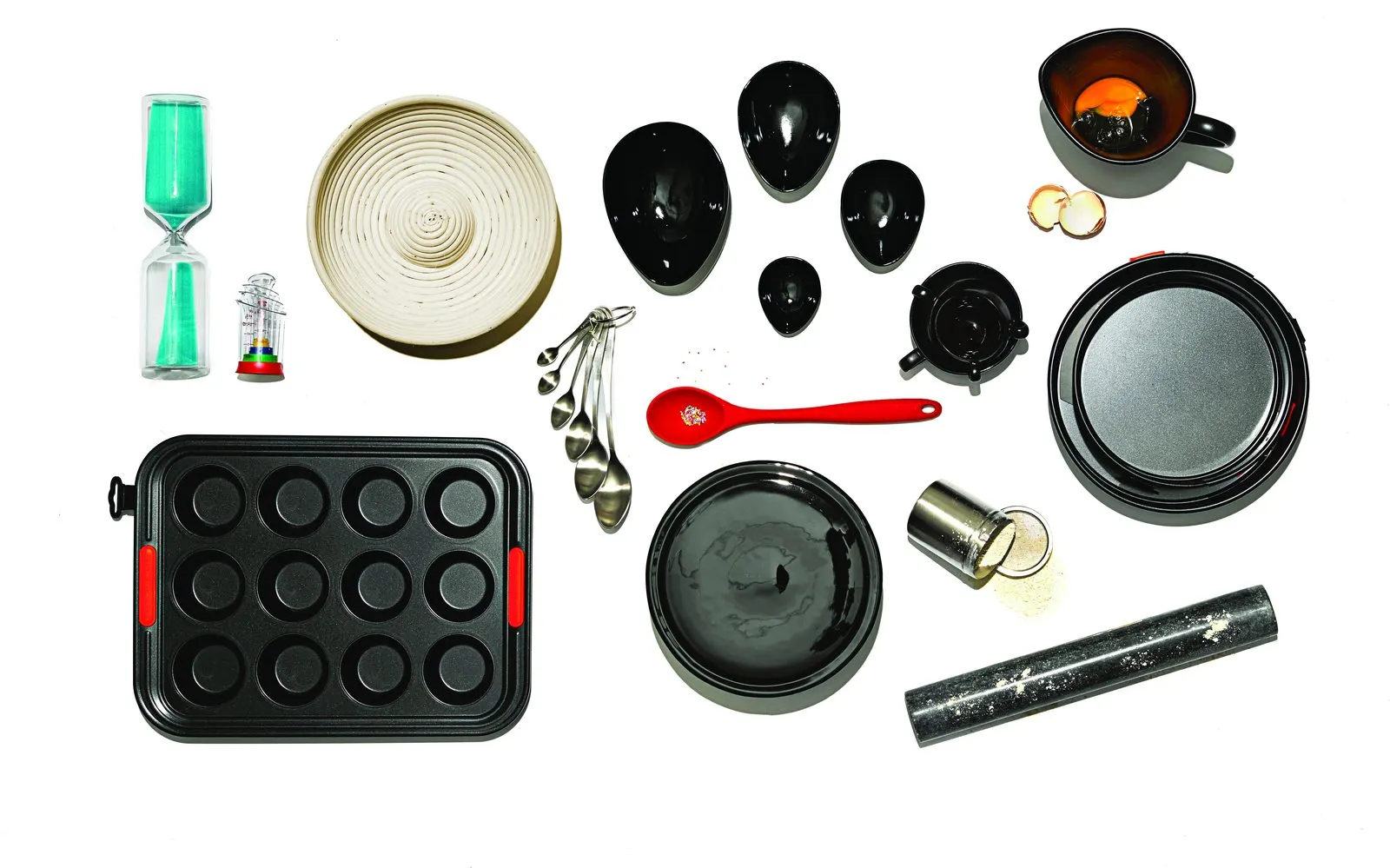
One of the toughest, but most rewarding, elements of being a baker is getting up before dawn six days a week. There is nothing more magical than kneading a lump of dough at sunrise, golden light streaming into your kitchen. It’s just you, the bread and the binmen clattering outside. You feel like you’re ahead of the game, watching the world wake up and begin its day when you’re already halfway through yours. And that cold beer never tasted better than at 1pm when your work is finally done. Better still, at that time of day, you can always get a seat in the pub.
The Dusty Knuckle Bakery is an award-winning social enterprise in North London that aims to work with youth offenders as well as the long-term unemployed.
MIXING Combining all your bits in a bowl. The flour, yeast, salt and butter are going to do some really awesome things together.
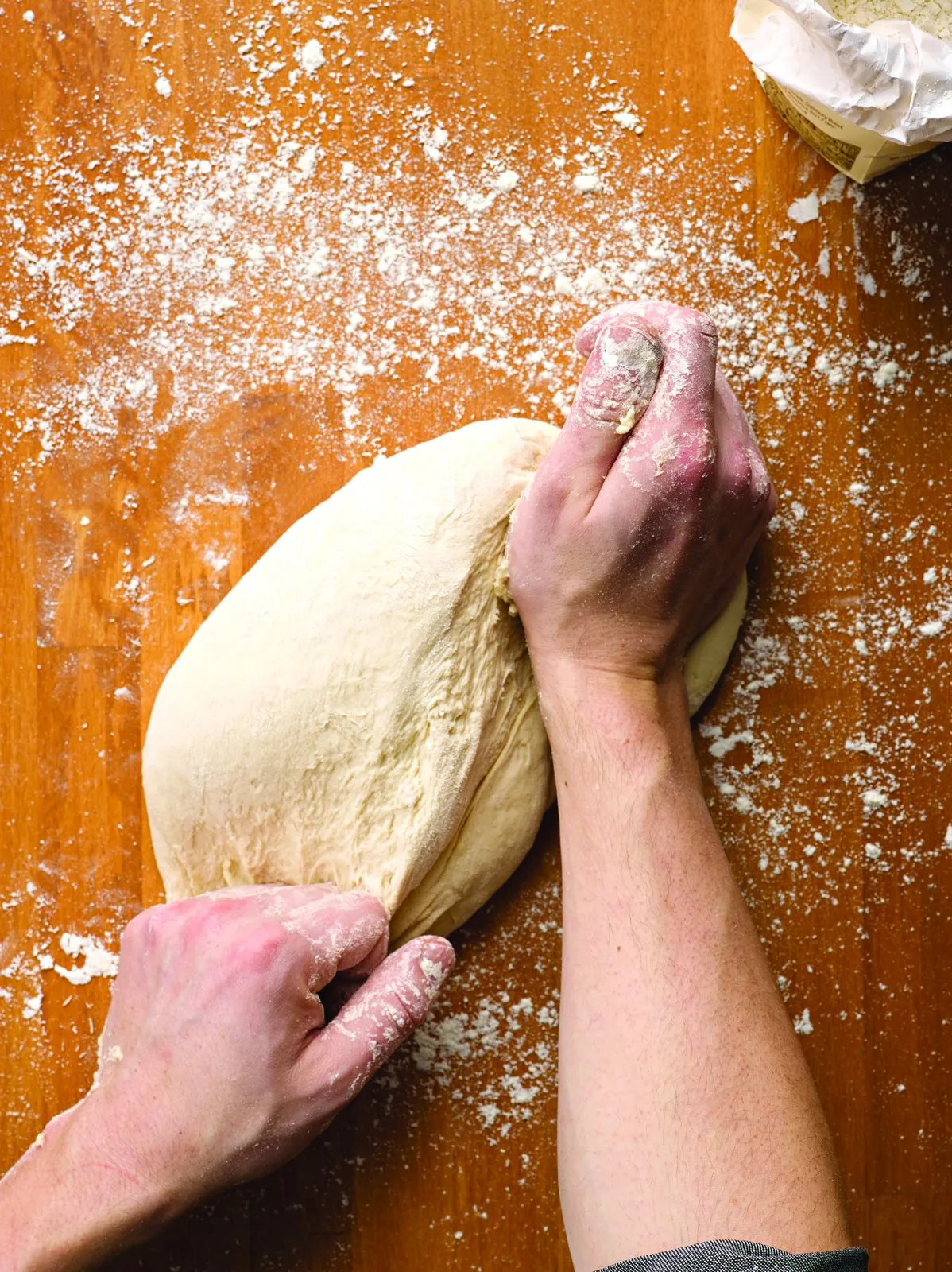
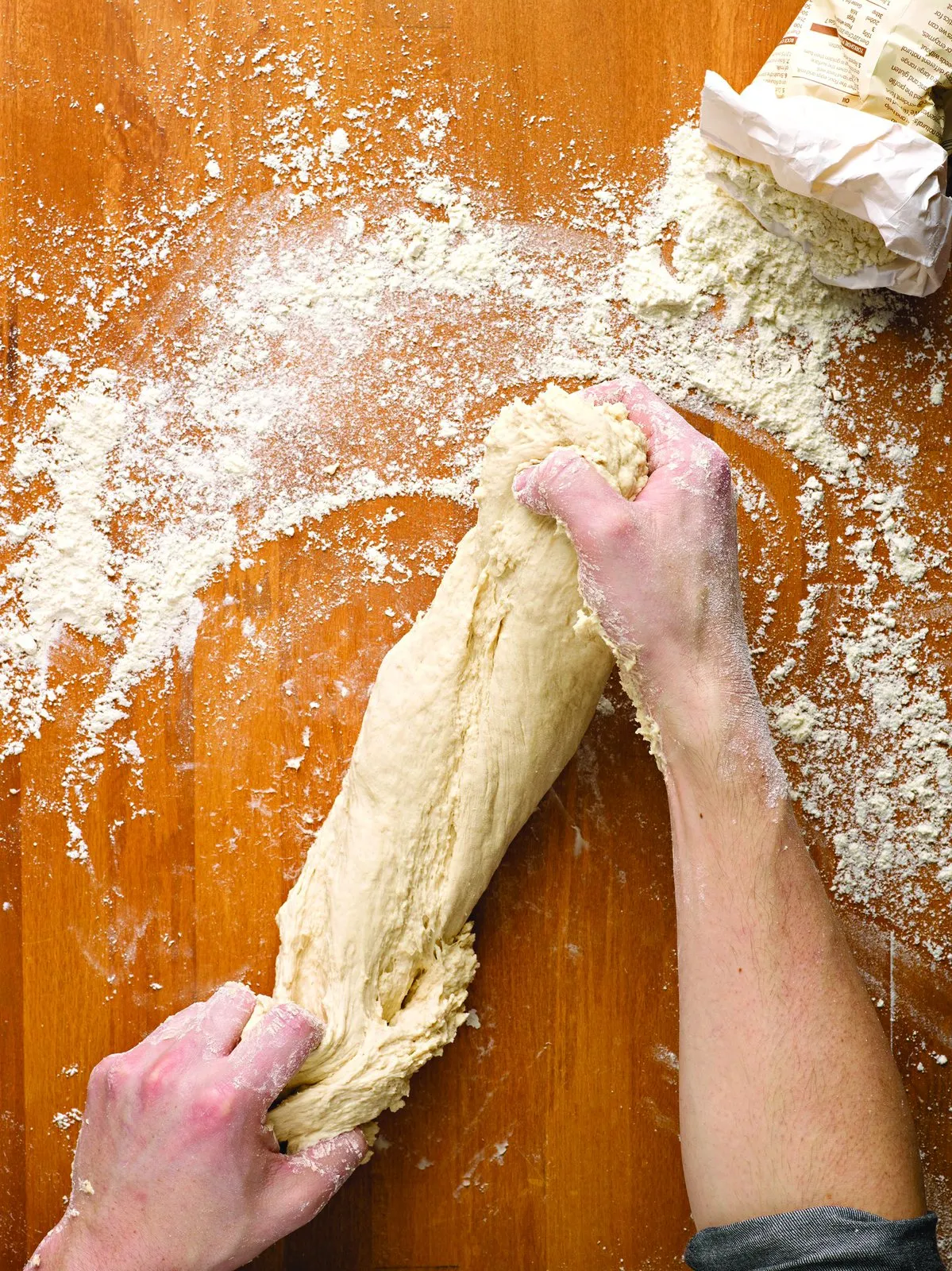
KNEADING Pressing and pulling the dough. There is an art to this. An art you should learn.
PROOFING Letting the dough rise like a glorious, sludgy phoenix.
BAKING Sticking it in a nice hot oven (usually about 105ºC) for half an hour to 40 minutes.
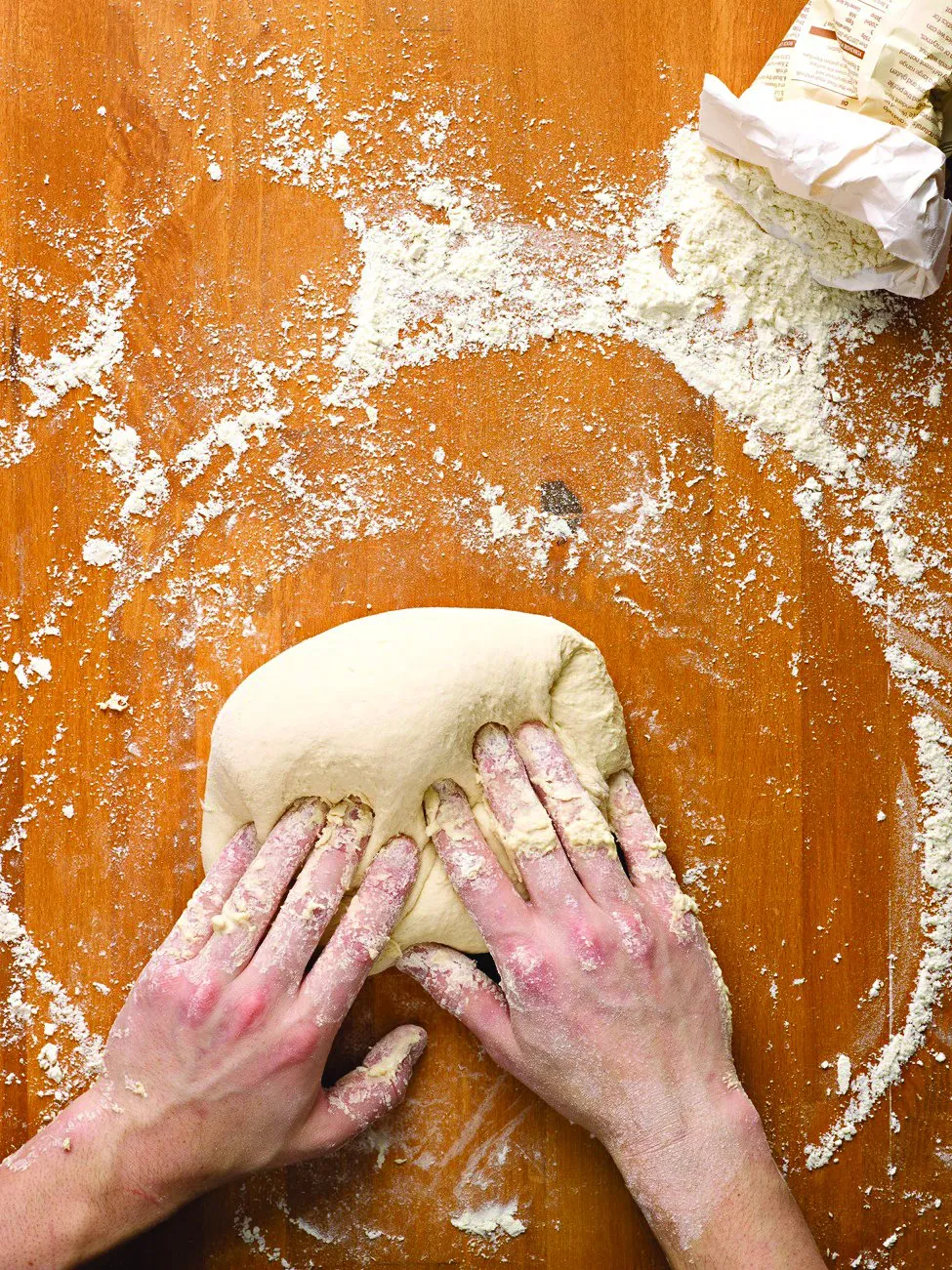
With expert tips from The Great British Bake Off’s Richard Burr
SEPARATION ANXIETY “Make sure you keep salt and yeast apart,” says our expert. “When mixing your ingredients together during bread-making, always add the salt and yeast to opposite sides of the bowl as the salt can kill the yeast. Like when you were a kid and poured salt on a poor slug. It dries it right out.”
You thought that the moment you’d taken your creation out of the oven, it was all over? Not so fast. Richard says: “As soon as you take anything bread-based out of the oven, put it on a wire rack. If you put it on a flat surface, the rest of the steam evaporates out of the bread, leaving it soggy at the base. “And listen to the crackle as it cools. That’s the sound of the bread contracting. It’s a beautiful sound that lets you know you’ve done a good job. It’s meant to crackle.”
“Also, don’t cut it straight away. Even though it looks like bread, it’s not quite. Have self-control and let it rest for half an hour, then tuck in. If you cut it when it’s too hot, it’ll still be soft and gooey in the middle.”
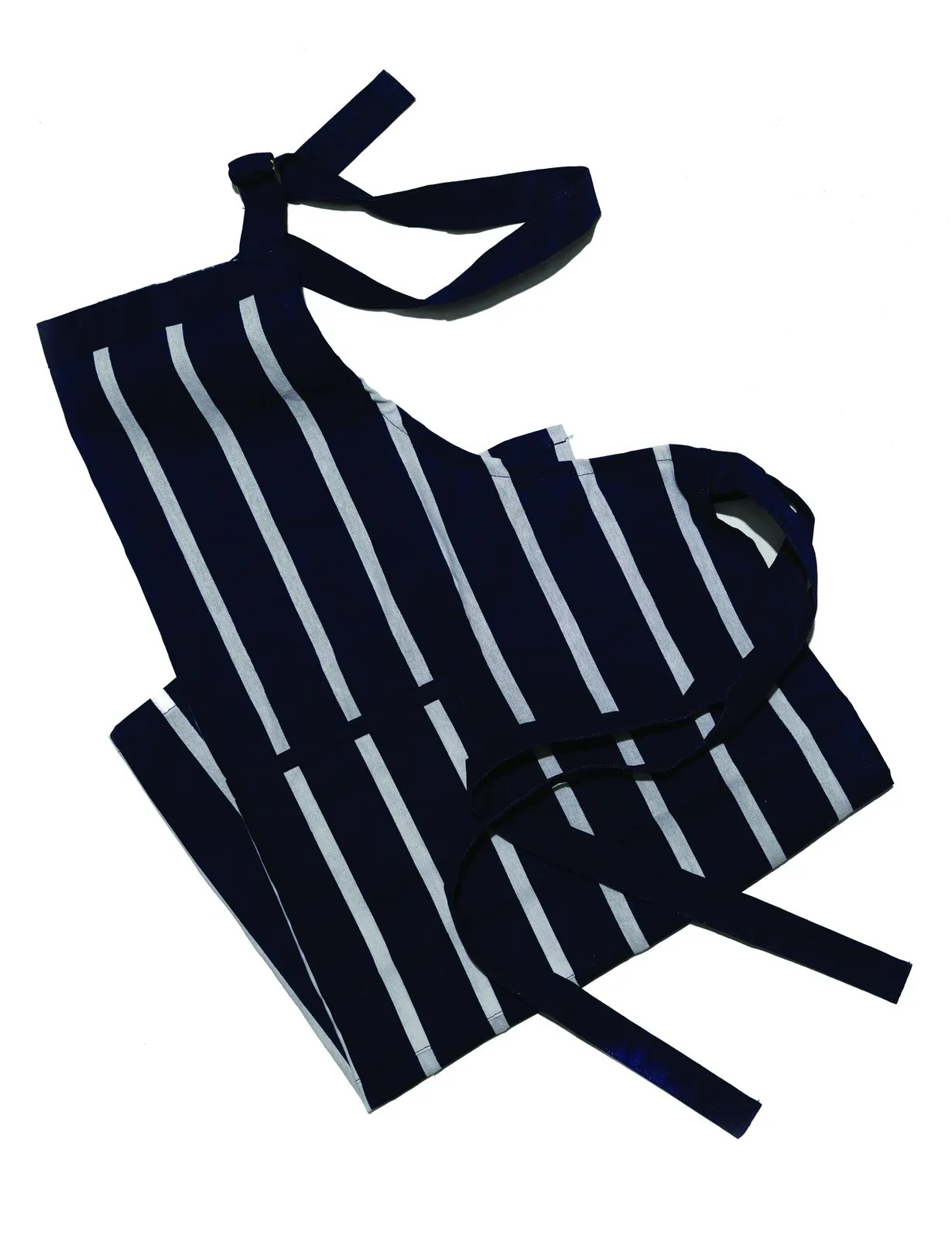
Stomping around your kitchen, throwing up white clouds of flour and pummelling dough is hard work. But you can still look like a dude while you’re at it. This apron tells any visitor to your baking lair that you are the man and you are definitely in control. Even when you’re holding a tray of dainty scones.
Argos, ₹465
The first part of the process – mixing the basic ingredients together – is easier to screw up than most people realise.
“I’ve always been a fan of using cold water in my mix. If you use cold water and then keep it at room temperature, your bread will have a richer, deeper flavour,” says Richard.
“Add a bit of brown sugar to your bread mix. If you’re making bread or sourdough, a little bit of sugar brings that flavour right out. It gives the yeast something to eat and grow on as well.”
“Being a builder,” says Richard. “I’m pretty much pathologically addicted to doughnuts. Monkey bread is basically a giant pile of doughnuts stuck together, which you cook in a cake tin.
“You make lots and lots of small doughnuts and roll them in cinnamon and sugar so they get covered and then you bake them. When you eat it, you pull them off in chunks. The cooked sugar that holds the whole thing together can be pulled apart really easily – it’s so satisfying. You could pour almost an entire bottle of maple syrup on there too, then serve it with some ice cream.
“My main tip would be to make the doughnuts small. If you make them too big, they won’t cook from the inside-out, like they’re supposed to.”
Flour Water Salt Yeast by Ken Forkish (bonus points for a name that sounds like the punchline of a cooking-related joke) has everything you need to hit the ground (or kitchen floor) running. It’s basically an awesome chemistry textbook for bakers, clueing you up on all the weird science-y things you’ll need to know if you want to really “get” bread.
Sieve 500g flour and 1tsp baking soda into a bowl and mix in 70g butter and 70g sugar. Beat together an egg and 260ml milk. Combine both mixtures to form a dough.
Roll out your dough on a well-floured surface to about 1cm thickness, then cut into ring shapes. Fry the shapes in hot oil for 30 seconds, then turn them over and cook them for a further 30 seconds until they are golden brown.
Drain the doughnuts on some kitchen paper until they’re cool, then roll them in sugar.
“You might have heard about it. On the other hand, you might have absolutely no idea what it is. Sourdough bread basically comes from a sourdough starter – a special yeast starter that makes really rich-flavoured bread. It’s bloody lovely. But sourdough scares most amateur bakers because you have to maintain and nurture it. It’s almost like having a pet. “I reckon it helps to give your yeast starter a name. I’ve killed so many over the years, I suspect that if I’d named them, I would have probably nurtured them more. Jordan from The Great British Bake Off named his one Yorick, and he talked to it – he’s really affectionate with his sourdough. “Keep it warm and keep an eye on it. If you’ve got an airing cupboard or a warm spot in your house, keep it in there. And just keep an eye on it. They just have to be looked out for, fed every now and again and not forgotten about. If you’ve got a yeast starter, then you’ve basically signed yourself up for making sourdough regularly, for a while. It’s a commitment. Sourdough’s for life, not just for Christmas.”
“Keep your eggs out of the fridge. I would never use cold eggs for anything; eggs should never be kept in the fridge as far as I’m concerned. It’s the density of the yolk versus the white. I’ve never stored eggs in a fridge. My old man keeps chickens and we’ve always got eggs flying around. Tell anyone who puts eggs in the fridge not to.”
“When your dough has risen up, you’ll need to get the air bubbles out or you’ll end up with a giant hole in your bread. This is called knocking back. “There’s nothing worse than when you can’t spread butter on your bread because you’ve got a great big hole in the middle of your slice. To stop that from happening, you’ll need to fold it over itself over and over again until it becomes similar to your unproofed dough.
“Take the dough out of the bowl and put it on a lightly floured surface and fold it repeatedly in on itself using the heels of your hands, until it is smooth and all the air has been knocked out of it. That should do the trick.”
“Want something rich and full-on, like a Chelsea bun? Then add warm milk to your mixture to make an enriched dough. The fat in the milk slows down the action of the yeast, so warming it balances this out.”
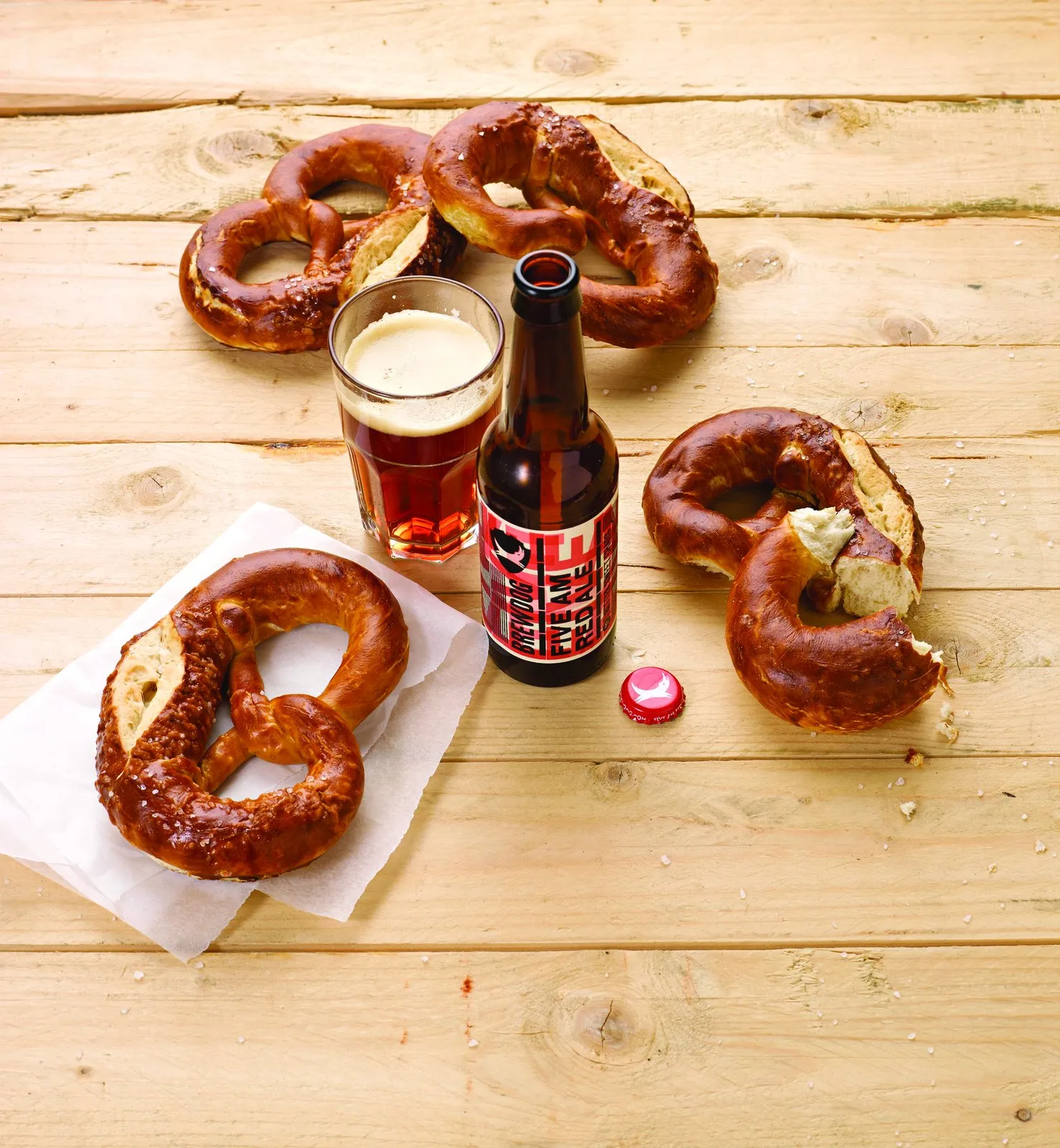
Everyone in the world can agree on pretzels. No one in the history of time has ever said “no pretzels for me, thanks”. They have the power to bring buddies together, reignite romances and perhaps even end wars.
“There are two secrets to making a killer pretzel,” says Richard. “The first one is getting loads of brown sugar in your mix to balance out the salt, which you’ll use both in the dough and to pour on in the form of lovely rock salt at the end.
“The second tip is, once you’ve made the pretzels and twisted them, which is pretty easy to figure out, you have to boil them quickly in an alkaline solution. You need to put maybe three or four tablespoons of bicarbonate of soda in a pot and quickly flash-boil your pretzels before you cook them. That’s what’s going to give them the brilliant shiny outer edge that everyone loves.”
From the April 2015 issue of FHM India.
Spotted a mistake, or your photo used without permission? Report a correction













 in your inbox