
Battle De Curve: Do You Need A Curved TV?
Curve TV sits on the pinnacle of groundbreaking innovations, but is it really worth the attention? We grill the two behemoth products to find out.
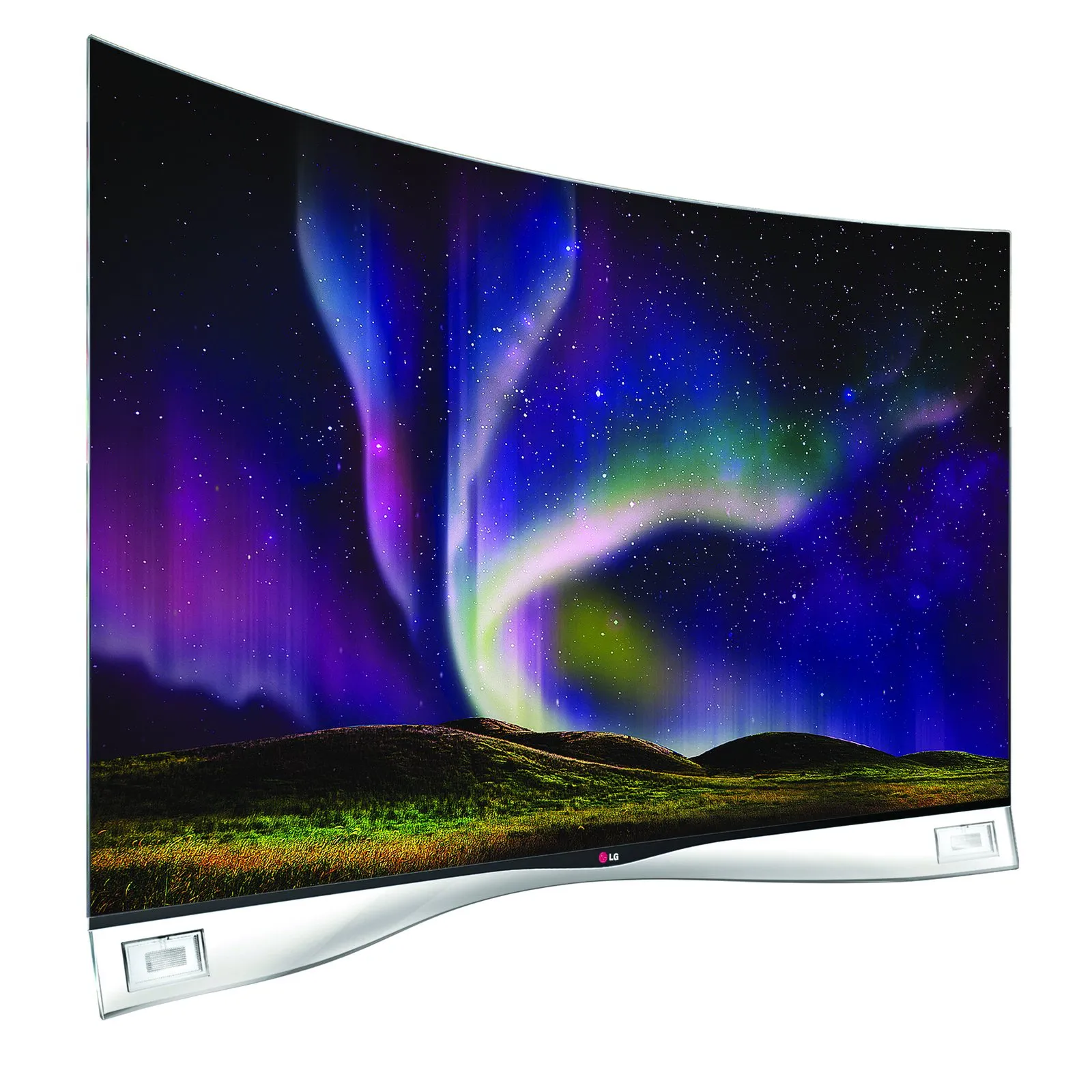



Before we got the product we had two arguments doing the rounds in our heads - would one need to sit in a sweet spot directly in front of the TV’s display for the perfect view and how much of a curve do you really need on the TV?
Let’s address the first concern - how would your sitting position affect your viewing range in front of this TV. And the much anticipated enthu-cutlets can breathe a sigh of relief.

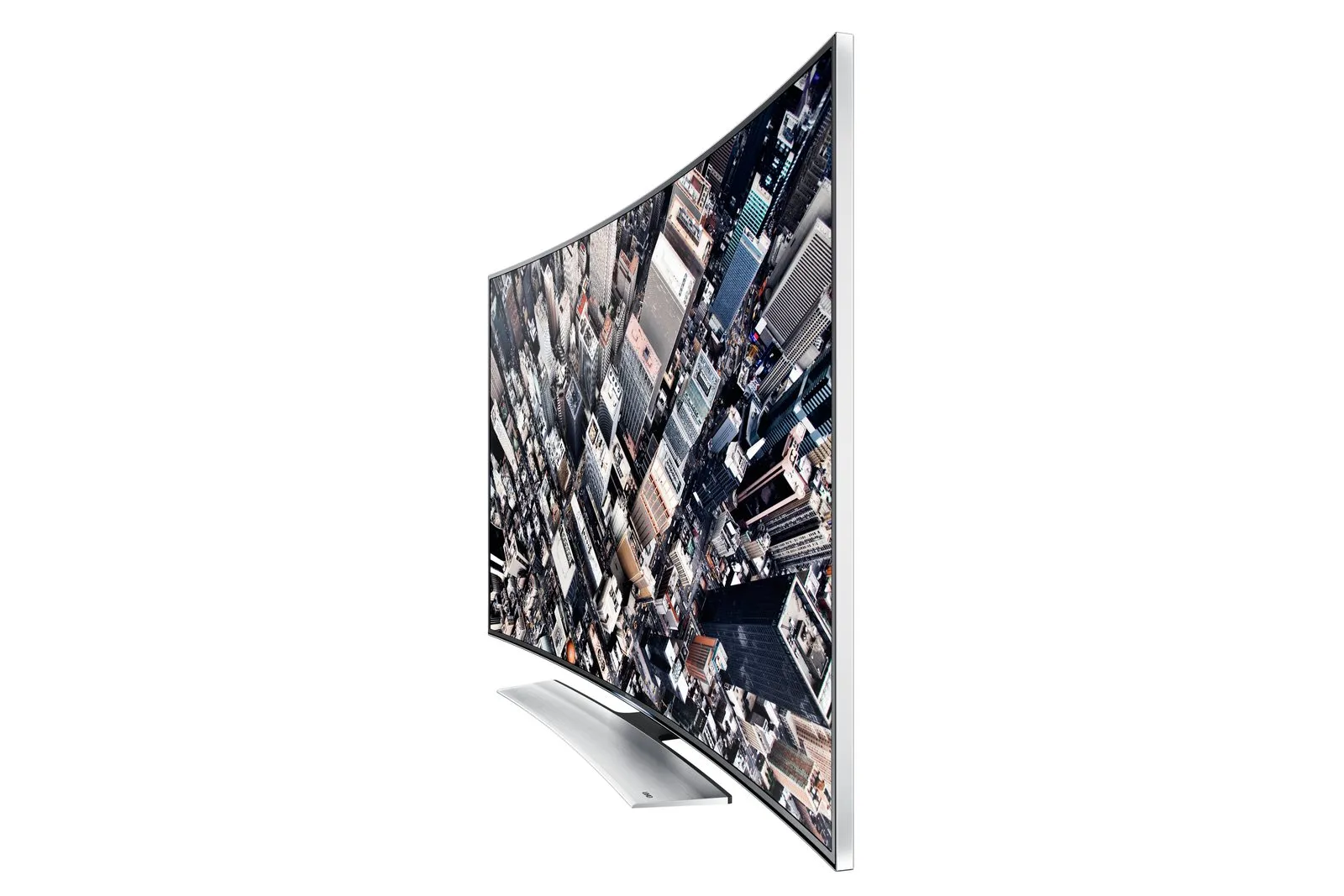
Both, the LG and Samsung TV’s curvature has been pointed in a manner that it lets you see the full screen, primarily owing to the viewing angles of less than 35 degrees. What adds up to the surprise is the fact that from anywhere within the sub-35 degree viewing angle range - good enough for sitting 3 adults in - the curve enhances the viewing experience. The images do stand out with the increased depth, again thanks to the curve, leaving the viewer with a feeling of being enclosed inside the display.
It’s the closest you can get to experience 3D without the hassle of donning those ugly, heavy 3D glasses.
Viewing
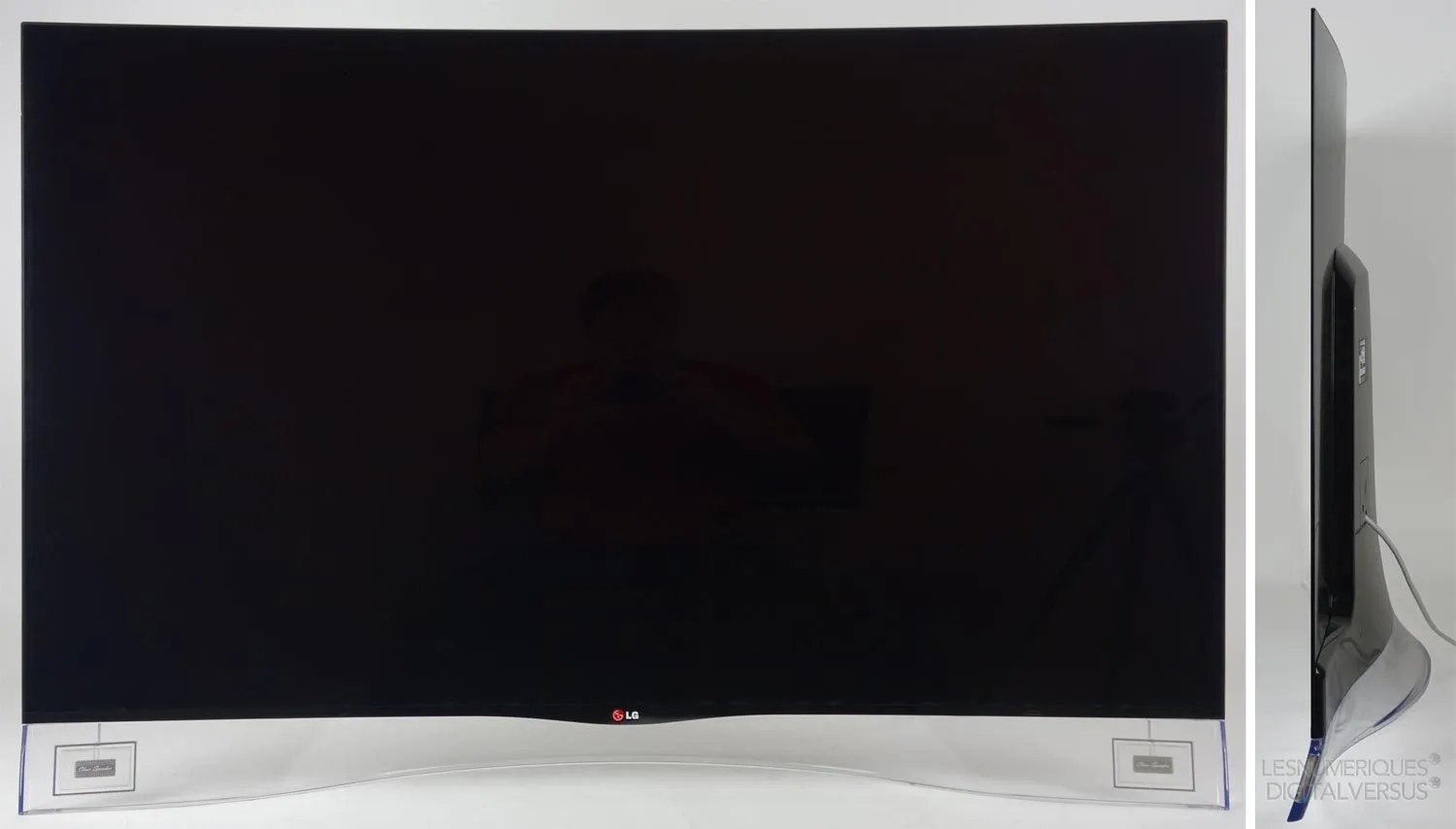
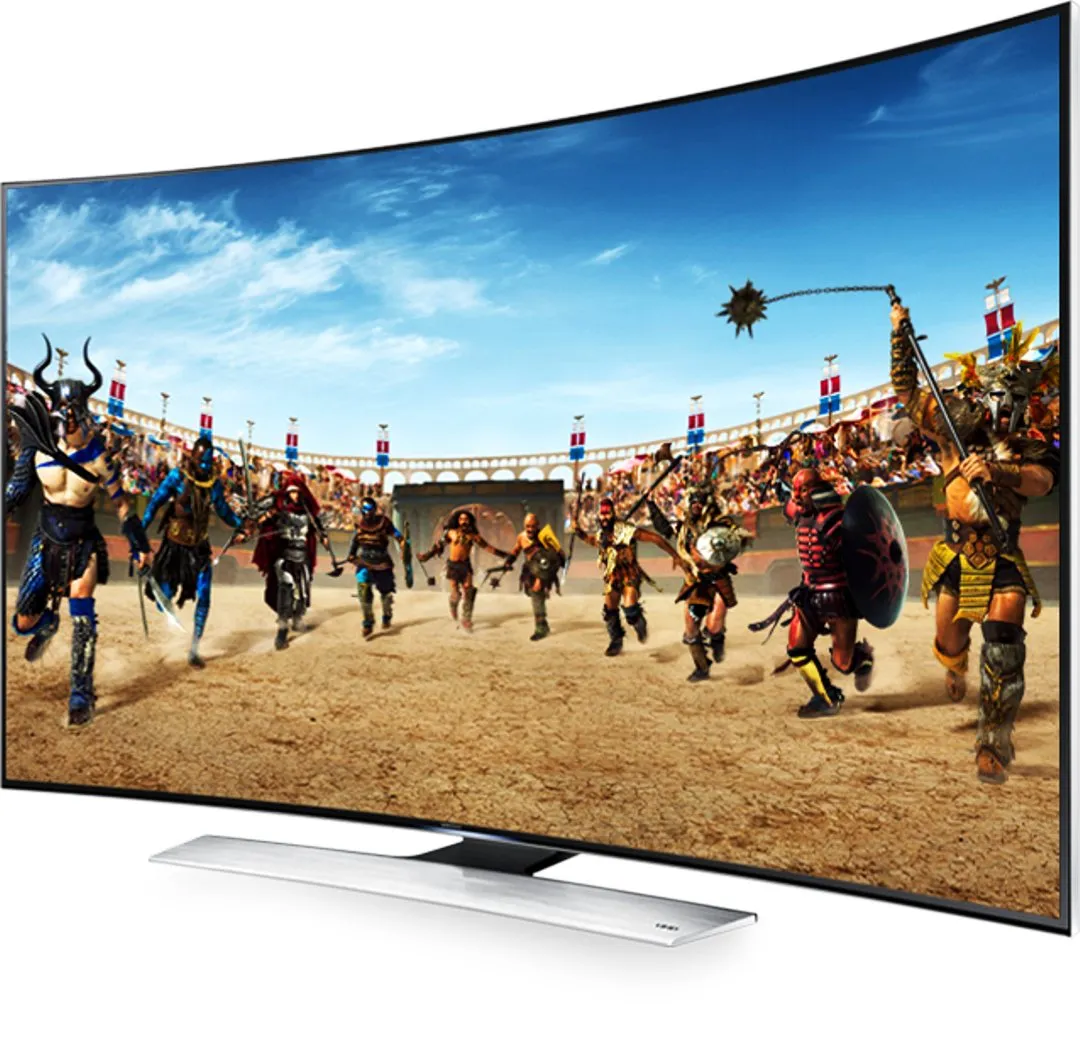
Undoubtedly, both the TVs deliver exceptional picture quality, with bright colours, subtle contrasts that add up to the overall immersive viewing. That being said, one nuance that bothered us is the fact that bright objects opposite the screen tend to be double reflected or stretched across the screen. This is obviously owing to the curved stature of the TVs.
Design
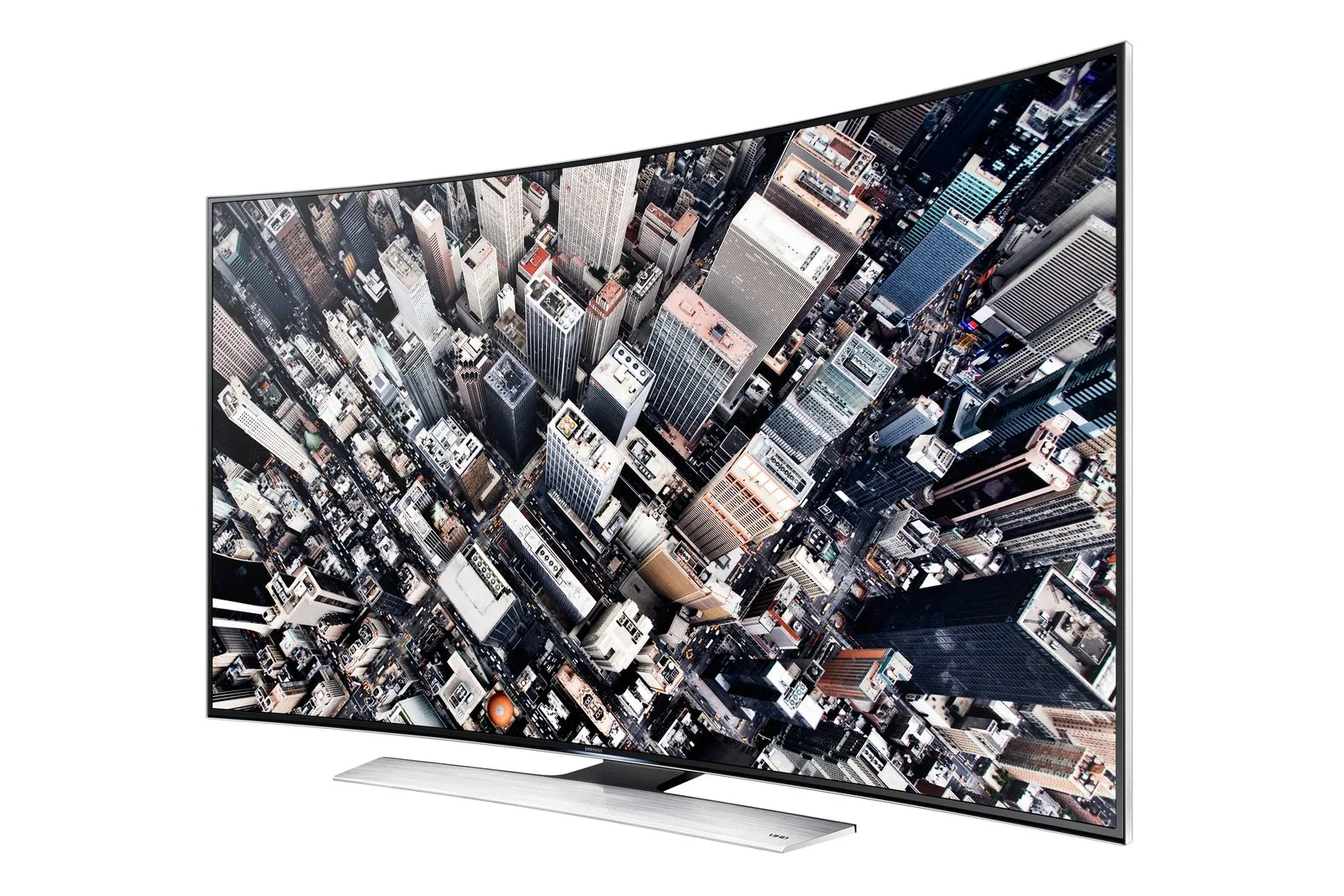
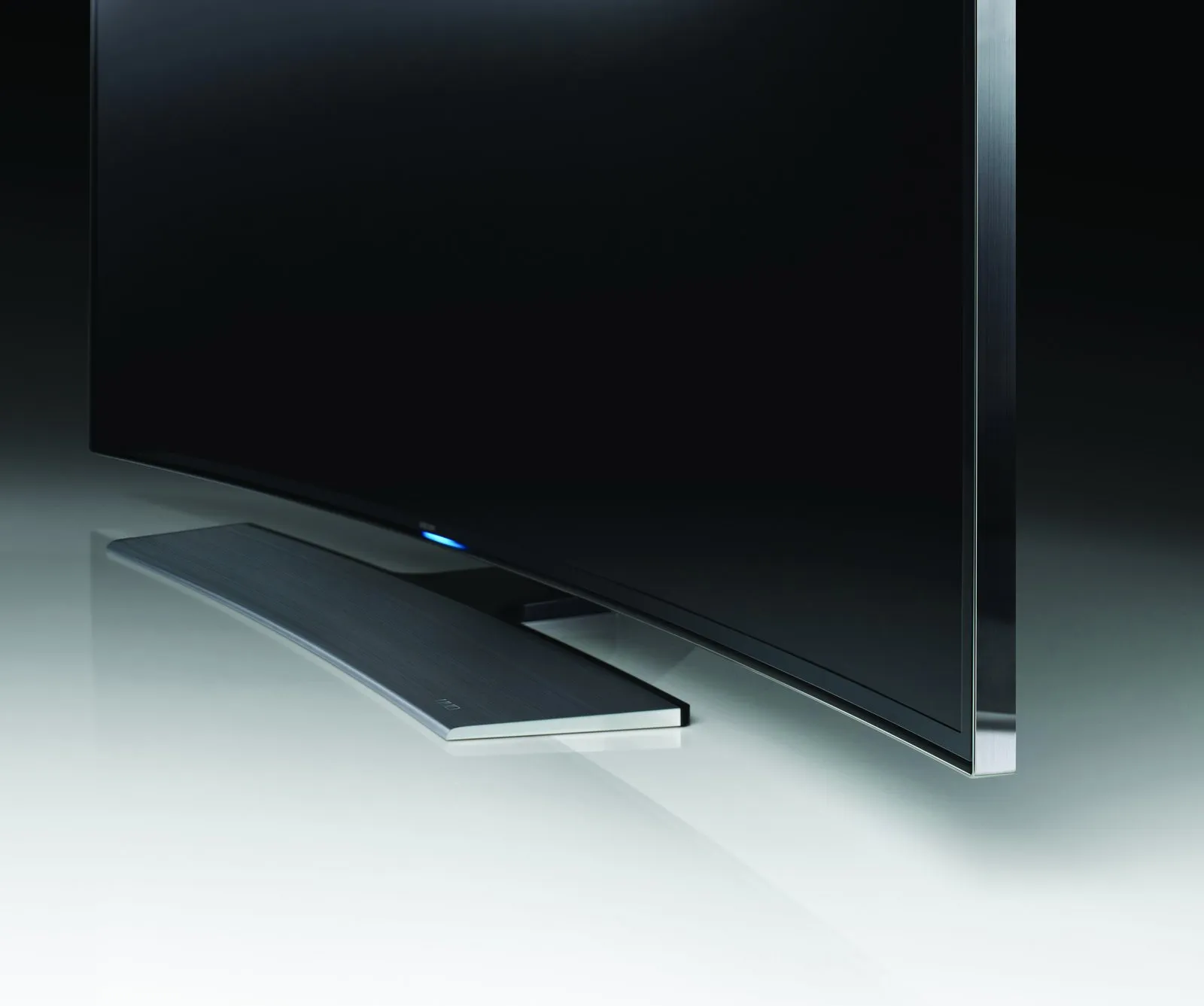
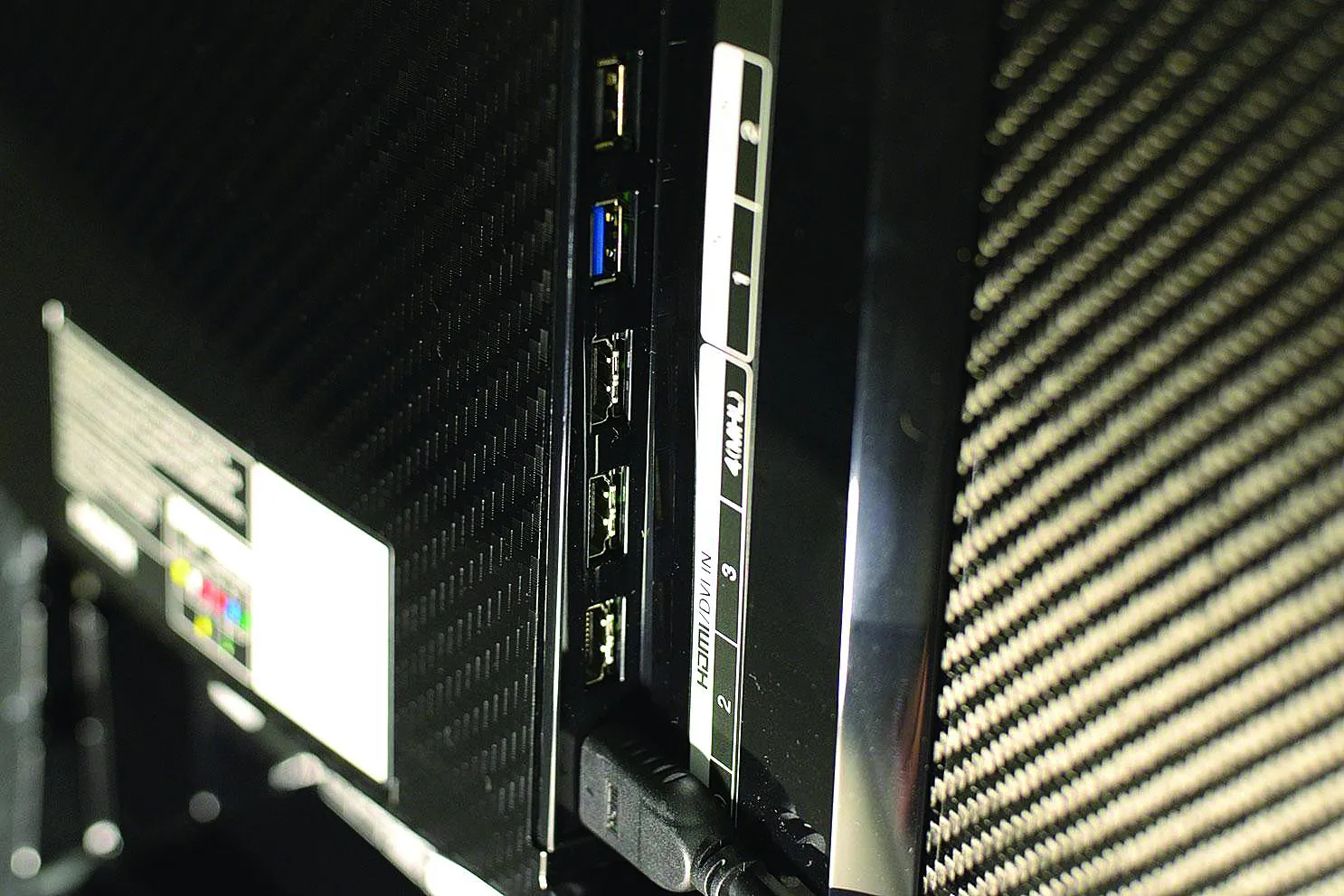
LG’s TV is a unison of a slim OLED panel atop a curved plastic base - making the TV very fragile. And with no frame/bezel around the upper side of TV, this product becomes more prone to breakages/cracks etc. On the other hand, Samsung’s TV is nestled in a metal bezel covering the OLED panel completely from all sides. This, definitely makes the edges and the panel less fragile, but also makes the TV appear bulkier and to some extent overshadows the curved dimensions. LG’s TV rests on a unibody stand, which bends like a curve in the middle of the stand to give a better grip on the base, whereas Samsung rests on a metal stand. Another thing to point out here is the fact that LG has vested its external connection points at the rear side of the TV, saving on space and making the product less hassled to use. Samsung, like their previous iteration of UHDs launched last year, sports a similar external connection box, which doubles up as the brain of this TV, but nevertheless clutters the area around the TV. Based purely on design aesthetics, LG’s TV looks sharper and a more lifestyle-oriented product.
Sound Quality
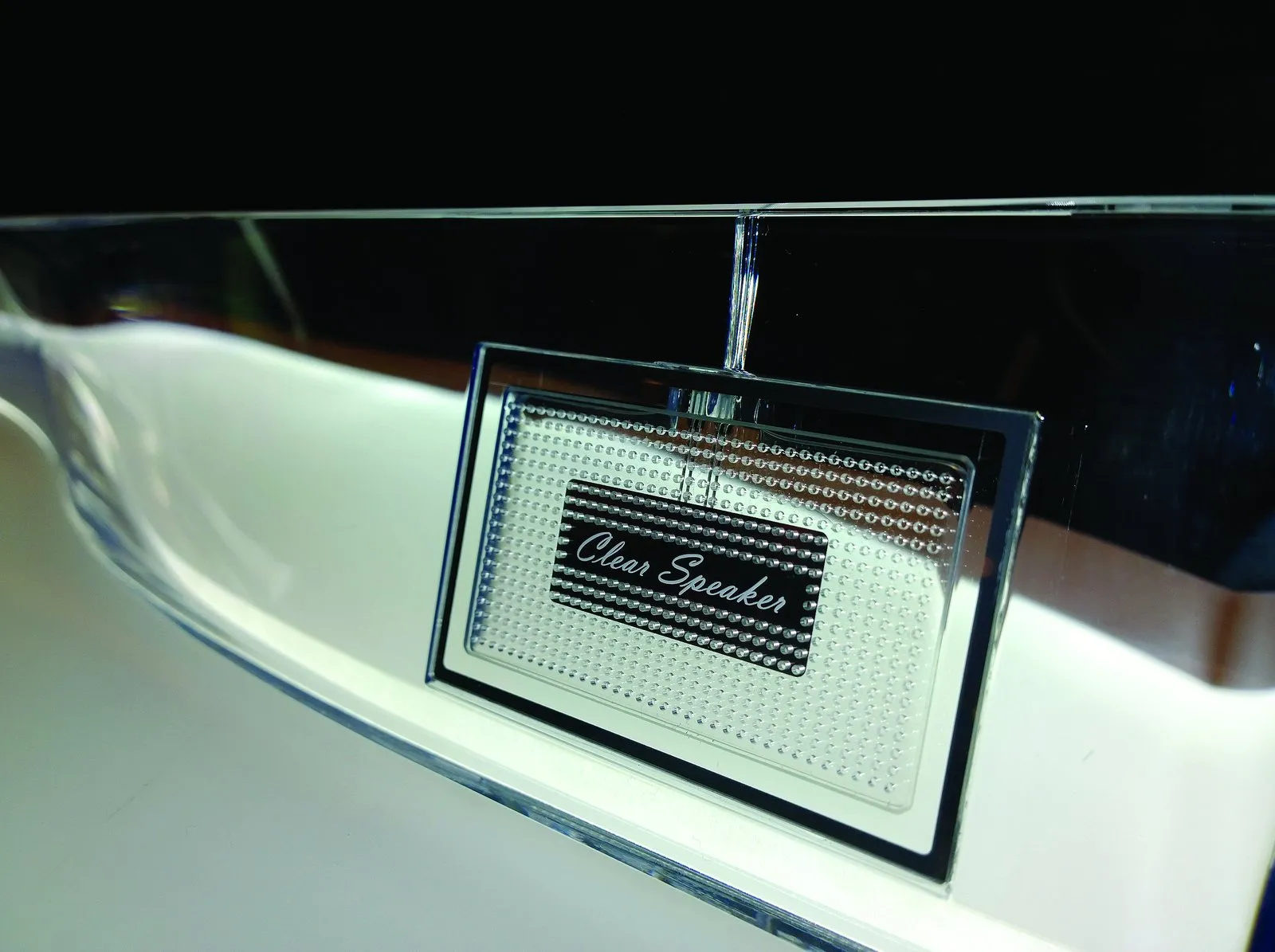
LG flaunts its Clear Speakers, that do deliver clear audio output, despite their miniature outlook. Samsung, on the other hand, over-delivers as they are known for producing TVs with unimpressive sound output. This time around, Samsung has equipped a duct system that runs along the rear of the TV, giving the speakers more room to breathe and ultimately producing crisper and heavier sound quality.
Remote
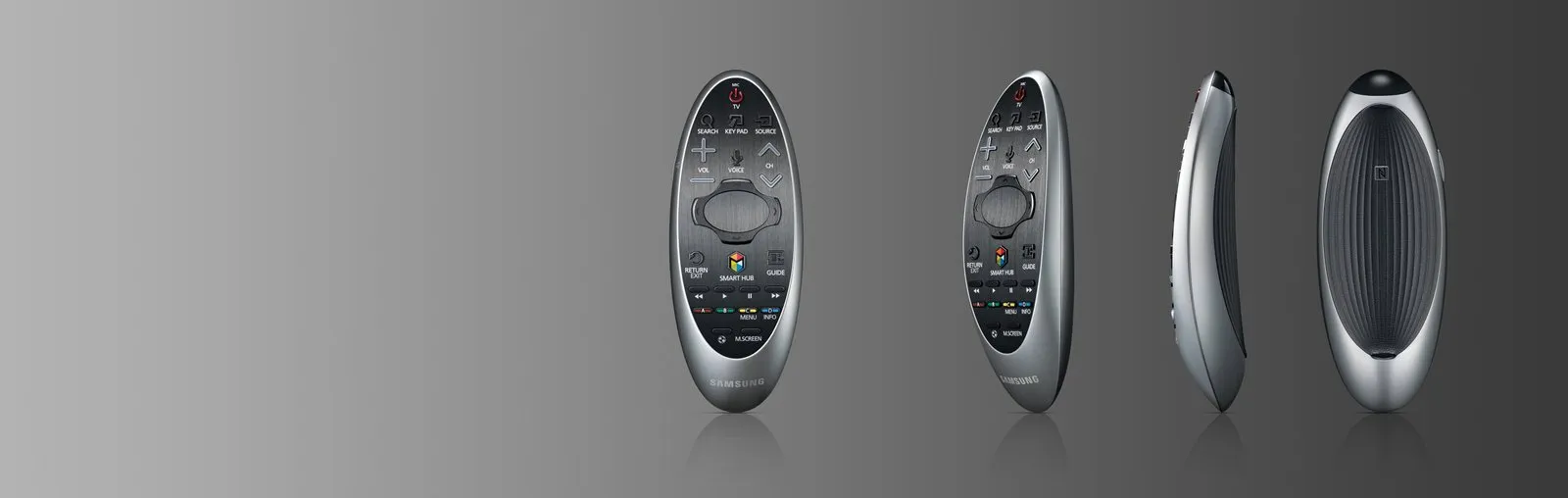
LG flaunts a futuristic remote which has a trackball in the middle, and enables simple TV navigation, using point, scroll, gesture or voice commands. Samsung on the other hand lets you do the aforementioned activities and also gives you the ease of using a trackpad, enabling you to scroll through various options on the screen.
Future Ready
Another feat that Samsung wins to its badge is the smartness of this Smart TV. In comparison with the LG's Curved TV, Samsung is easier to control, work, surf and video-chat on. Samsung’s got the edge because of its live TV integration and content recommendation engine.
Price:
LG 55 inch: ₹9,99,000 (but you can expect a serious cut in the price soon, owing to the global discount that LG has rolled out; prices should soon be cut by half of the marked price)
From the June 2014 issue of FHM India.
Spotted a mistake, or your photo used without permission? Report a correction












 in your inbox