
BMW 3 Series Gran Turismo: Nobody’s Halfway House
The 3 Series GT is a lot of things, but it ain’t the halfway house of anyone. FHM drives BMW’s long-wheelbase 320d Gran Turismo.
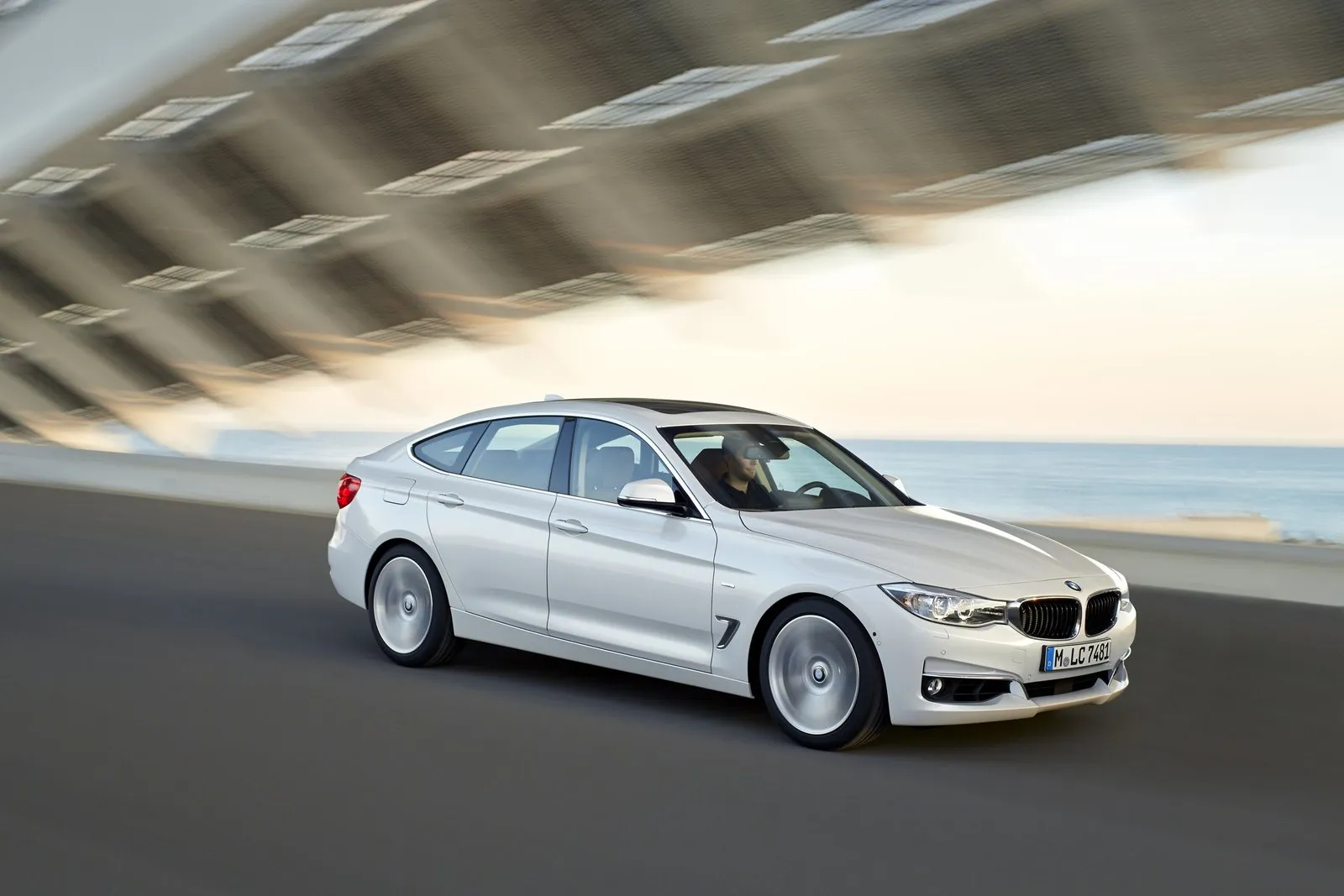



The 3 Series GT is a lot of things but it ain’t the halfway house of anyone.
The Chinese are strange people. Apart from what they’ve done to the electronics market, they have also done something strange to the automotive market – they have forced luxury car manufacturers to increase their wheelbase to suit them. Why a country where the average male height is between 5 ft 5 and 5 ft 8 would need more leg room than Germany where the average male height is about 5 ft 10 inches is anybody’s guess. But sometimes, it throws up rather spectacular treats – like the 3-Series Gran Turismo.

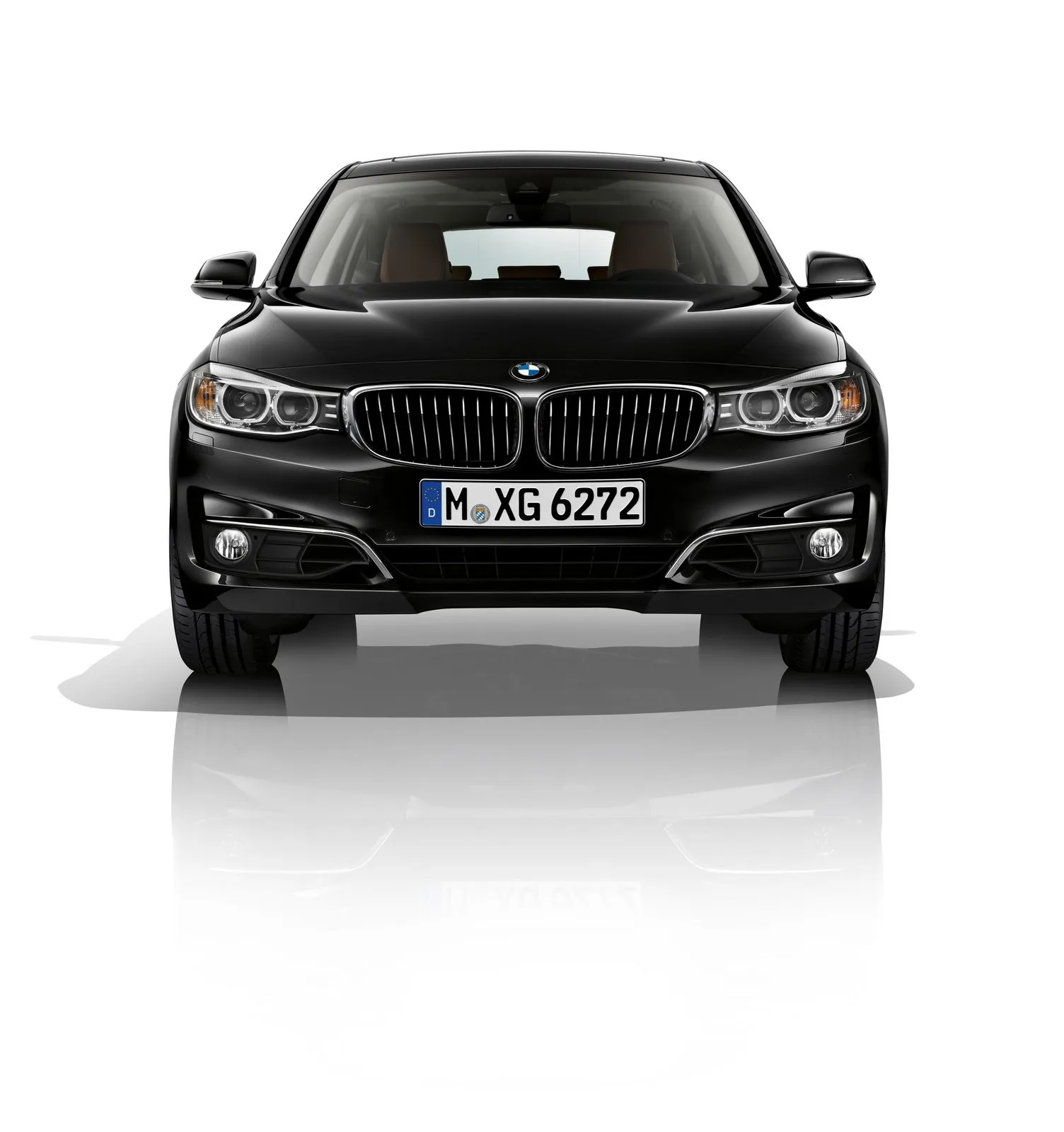
The 3 Series GT is based on the longer wheelbase 3-Series which is sold in China and is a car that not just sits pretty between the 3-Series and the 5-Series, it also sits pretty between a sedan and a hatch and yet it’s not what Indians hate from their core – a station wagon or what they love to bits – an SUV. Even then it’s a truly spectacular car. The general consensus amongst hacks has been to call it a half way house between the 3 Series and the 5 Series which is neither charitable nor entirely true. The fact is that the larger GT concept is something unfamiliar to us. Try telling some of the new owners of these cars that they are built for long-distance cruising and they will look at you with a question mark hanging over their head – isn’t a sedan for cruising and an SUV for the times when you need to load in a lot of luggage? So then what does the GT do?
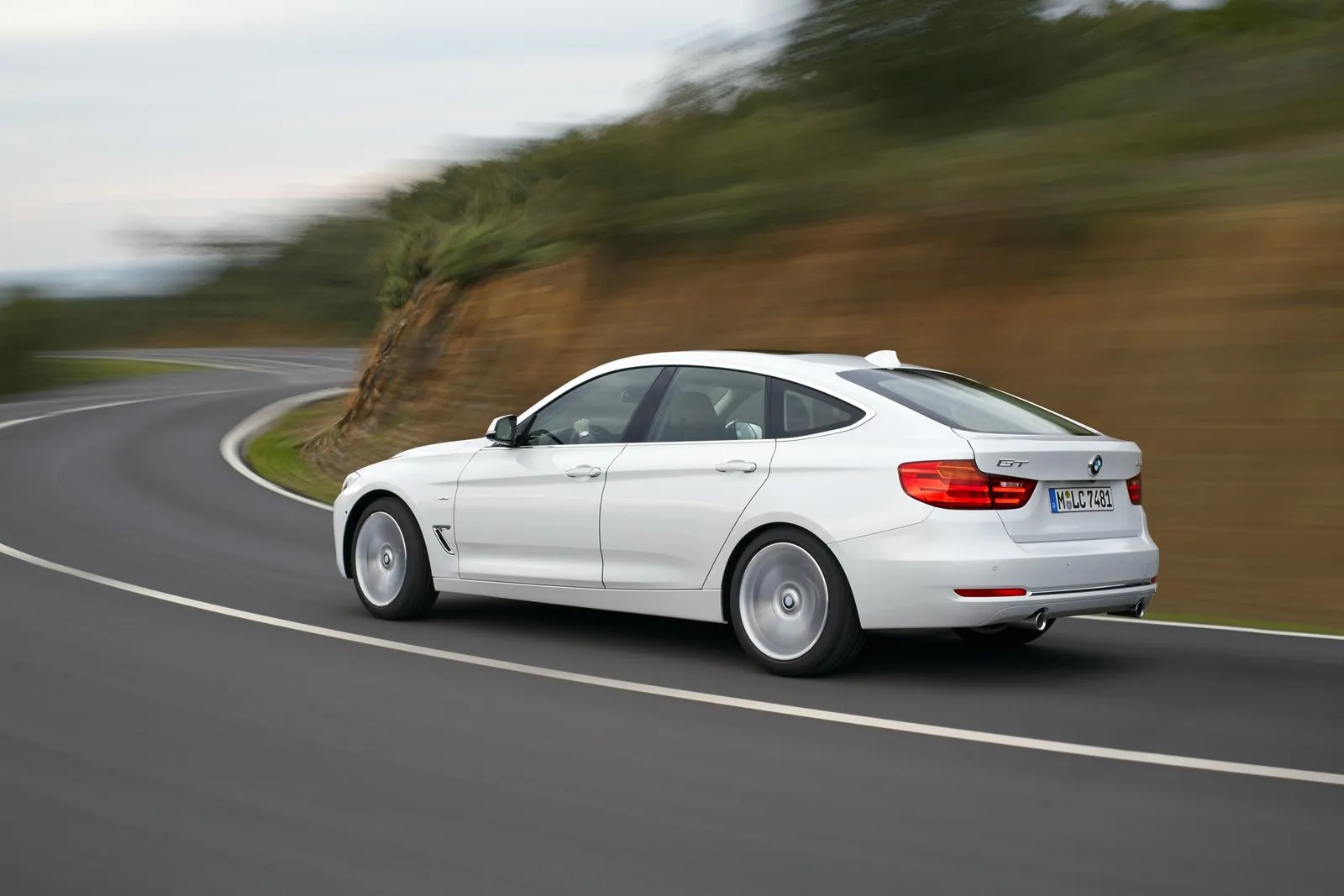
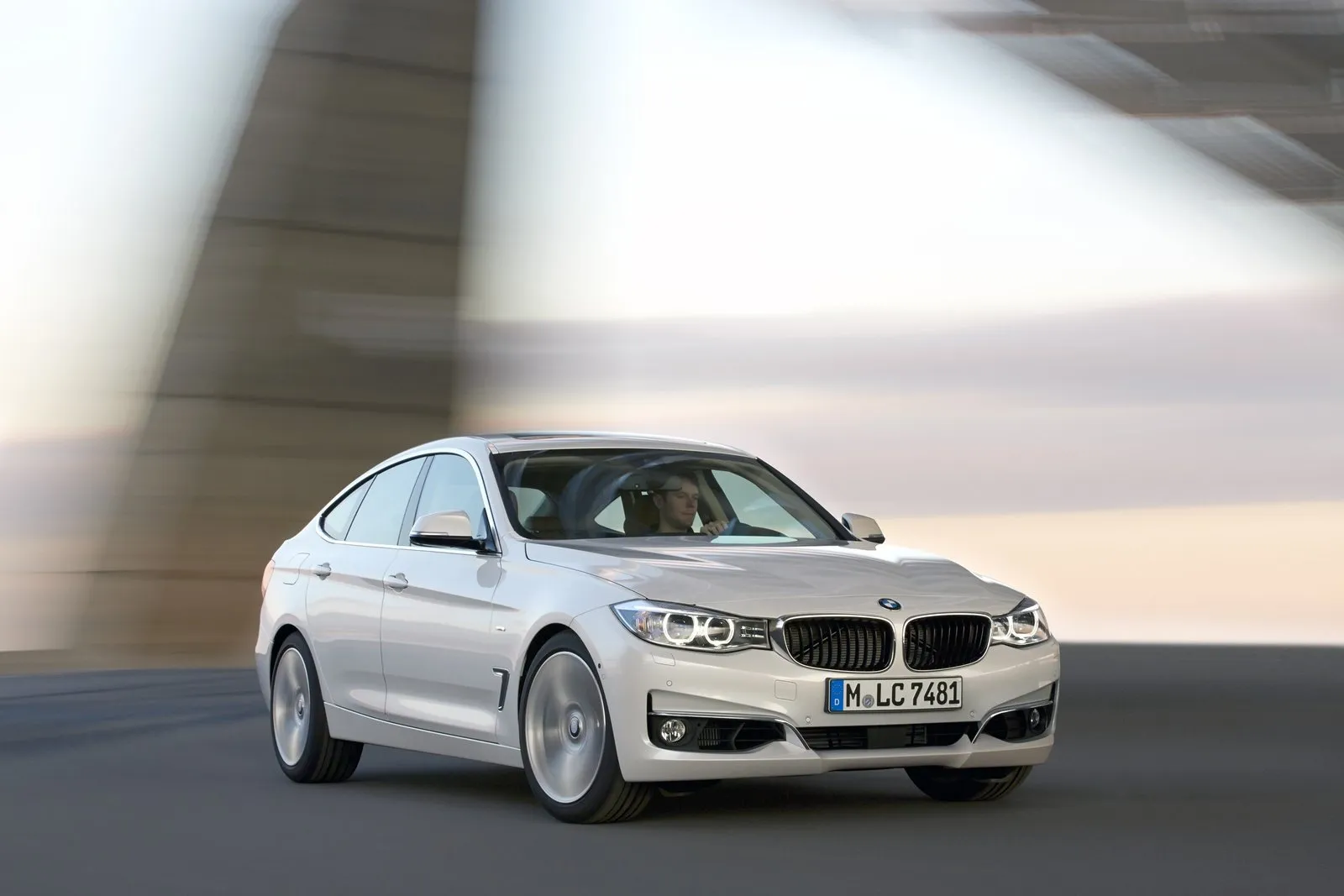
Not much in this scenario – which is great for precisely the same reason it’s bad - it is its very own car. Its wheel base is bigger than the 3-Series (almost 300 mm longer), it’s taller and you get a lot more space in the cabin for the six odd lakhs you spend on it over the top end 3-series. The car is close to 200 mm longer than the 3-Series, the seat heights have been raised to almost the same height as the X1. True, the acceleration has suffered thanks to carrying around the extra weight but the 100 still comes up in 7.9 seconds as opposed to 6.1 in the 3-Series Sport. Currently available only in diesel, the 320 D comes with a 2 litre engine mated with an 8 speed automatic transmission (this is the same engine that runs the 5-series) and you can choose between its three driving modes – Eco Pro, Comfort and Sport. The GT comes with frameless doors, which is our second most favourite kind of doors after gull-wing and the interior has acres of space over its entry-level sedan sibling.
On the boot lid sits a first of its kind active rear spoiler for a BMW. It automatically deploys at 110 kmph, increasing downforce, lending the car more stability at high speeds. Apart from the standard equipment that you come to expect on a BMW – it has Dynamic Stability Control, Dynamic Traction Control, Cornering Brake Control and six airbags.
The general complaint from the GT is that its on-board iDrive screen is smaller and seems less premium than the 3-Series, but the minute you retract the panoramic sunroof all of that seems to melt away, unless of course it’s as sunny as it is these days in which case you are screwed. The larger wheel base, though, has inspired comments that the GT isn’t as stable while cornering as the 3-Series but we were unable to verify this on our short drive.
As for the question you always wait for us to answer before you buy a new car (sic) – should you get it? Well, for just Rs 3.5 lakhs less than the 5-Series you get a different non-run-of-the-mill pulling-out-of-all-driveways BMW.
So why not?
Other GTs that made history
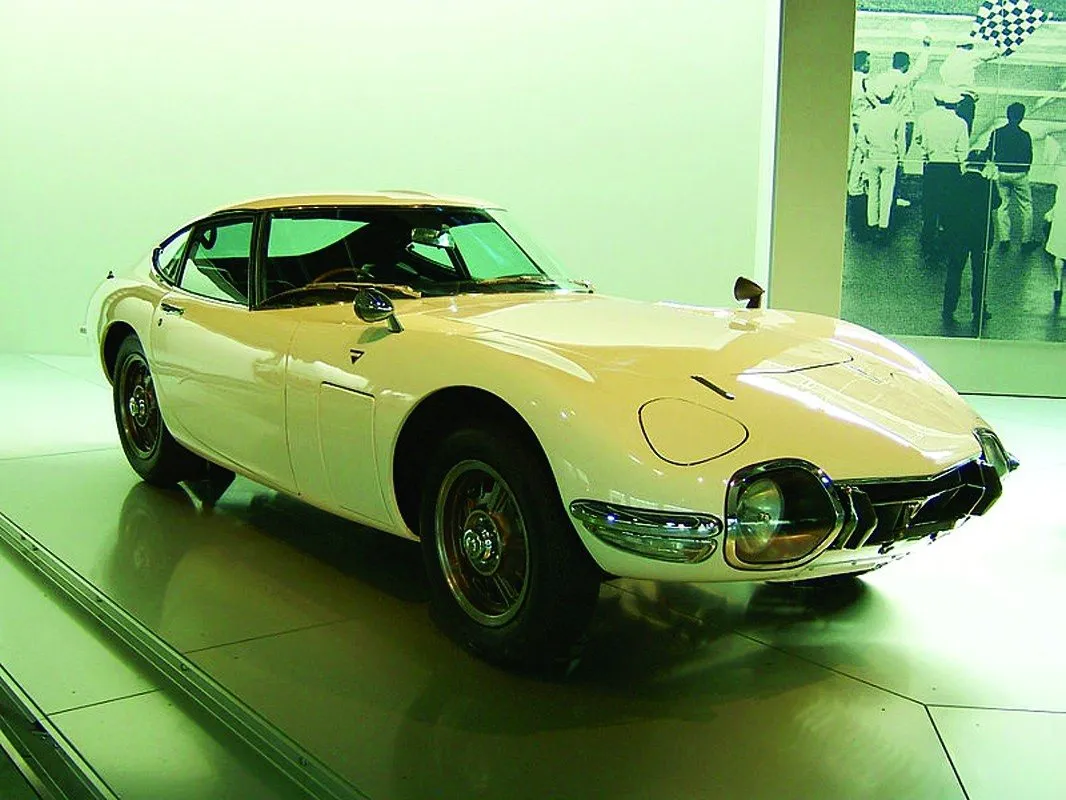
- Toyota 2000 GT: launched in ’65, it showed the world that the Japanese could make a proper sports car.
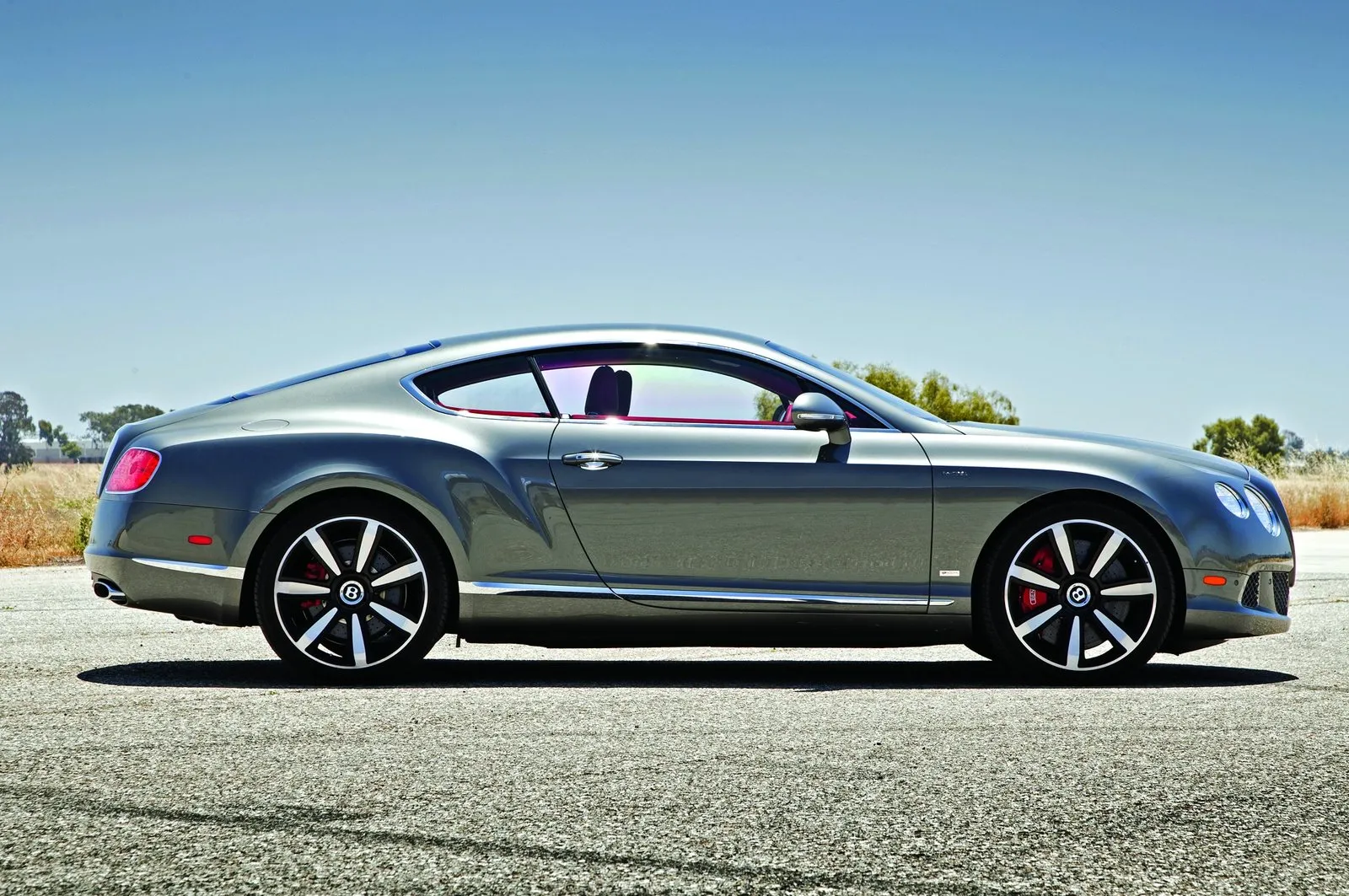
- Bentley Continental GT: initially launched in 2003, it is the first Bentley to be mass produced.
From the June 2014 issue of FHM India.
Spotted a mistake, or your photo used without permission? Report a correction











 in your inbox