
Boost your running stamina with expert tips
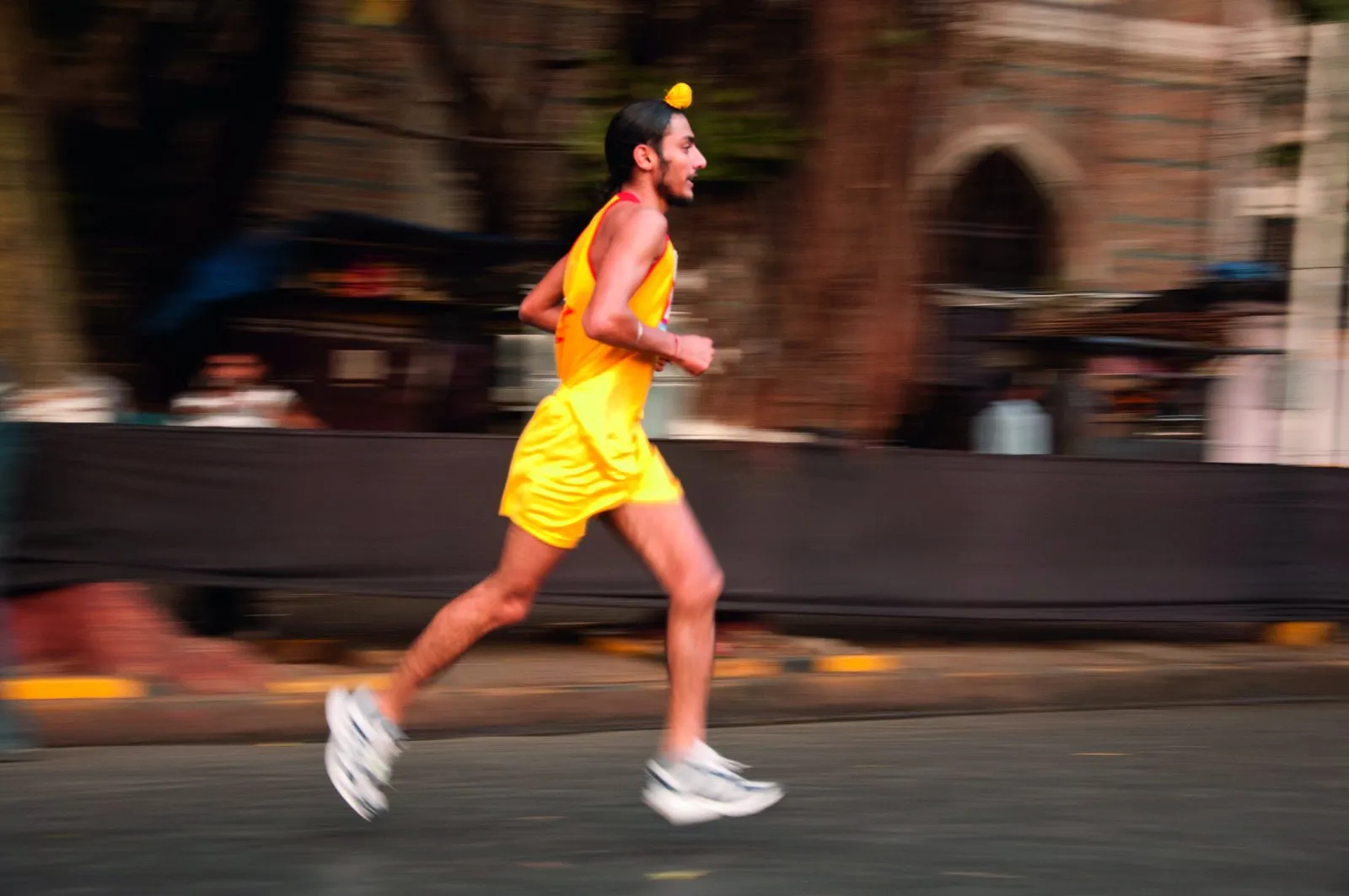



When it comes to marathon training, the most important aspect is to help one attain their peak fitness levels without injuring oneself while preparing for the long and short runs. This can be achieved by following a proper training routine with competent guidance.
Training Tips & Schedule
Below are a few guidelines that will help make your training effective and reduce your chances of injuries:

An ideal schedule is 5 days in a week. This gives your body 2 days of rest to recover.

Warm up before each session. This is important to prevent injuries. Warm up for 10 min to get the blood circulation revved up and flow into your muscles. Follow this up with proper stretches for 15 min to enhance flexibility and suppleness.
Your training should also include whole body fitness (one exercise per body part to stretch muscles like the gluteus maximus, quadriceps, hamstrings, calf muscles, pectorals, latissmus, deltoids and the core muscles), for cardiovascular conditioning and muscle endurance.
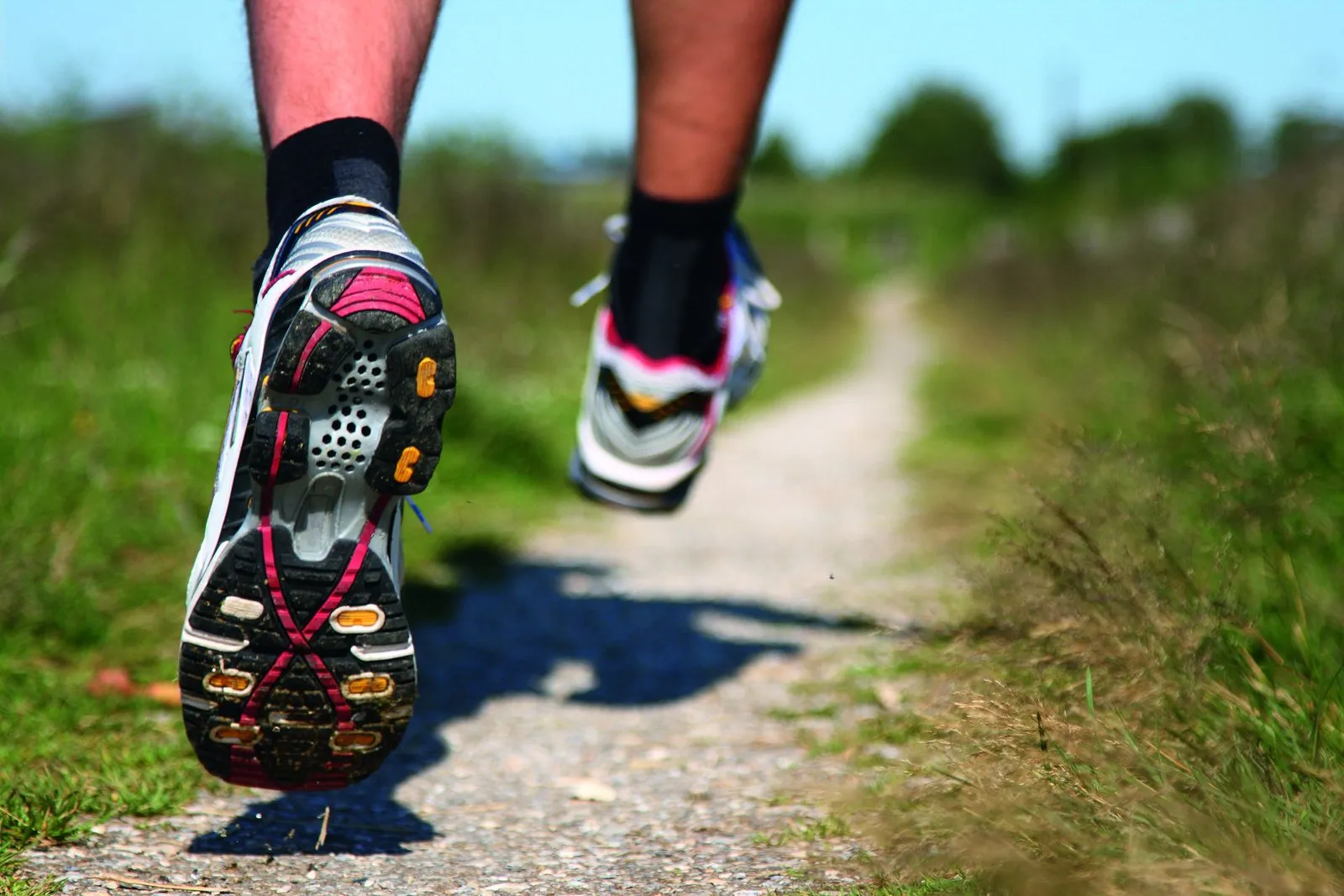
Have an optimistic outlook for better visualization of how much you can run
Consult your doctor/physician to gauge your current fitness status
Light massage three days prior to the run will help to relax your muscles
The best way to train is to start slow and build up until you peak 3 weeks before the marathon. Training too hard in the initial stages could reduce your sustenance and motivation. There is also the risk of developing injuries.

The training program should be coupled with rest to allow your muscles to recover faster. Lethargy and fatigue are another symptom if you overlook rest periods.
Eat right at right times

Take sips of water at every station during the run. Hydrate yourself well even during the training schedule to prevent muscle cramps. Coconut water or diluted orange juice is helpful. The temperature of water during the run must be just cool to keep down the core body temp and to prevent heat exhaustion.
Nutrition And Diet
It is important to give fuel and nutrients to the body to optimize performance, to boost endurance during exercise, and recovery after exercise. A macronutrient ratio of 50% carbohydrates, 30% protein and 20% fat are recommended.

Foods like fruits, vegetables, beans, nuts and millets which are rich in antioxidants are necessary for preserving cell integrity.
Stop all ergogenic aids like Creatine, Caffeine and other stimulants.
For this include brown rice, oats, whole grain cereals, beans, legumes, sprouts, soya, soy milk, tofu, fruits, flax seeds, nuts/dry fruits
Cut back on the high glycemic foods like desserts, soft drinks, alcohol, Maida or refined flour products, fried snacks etc.
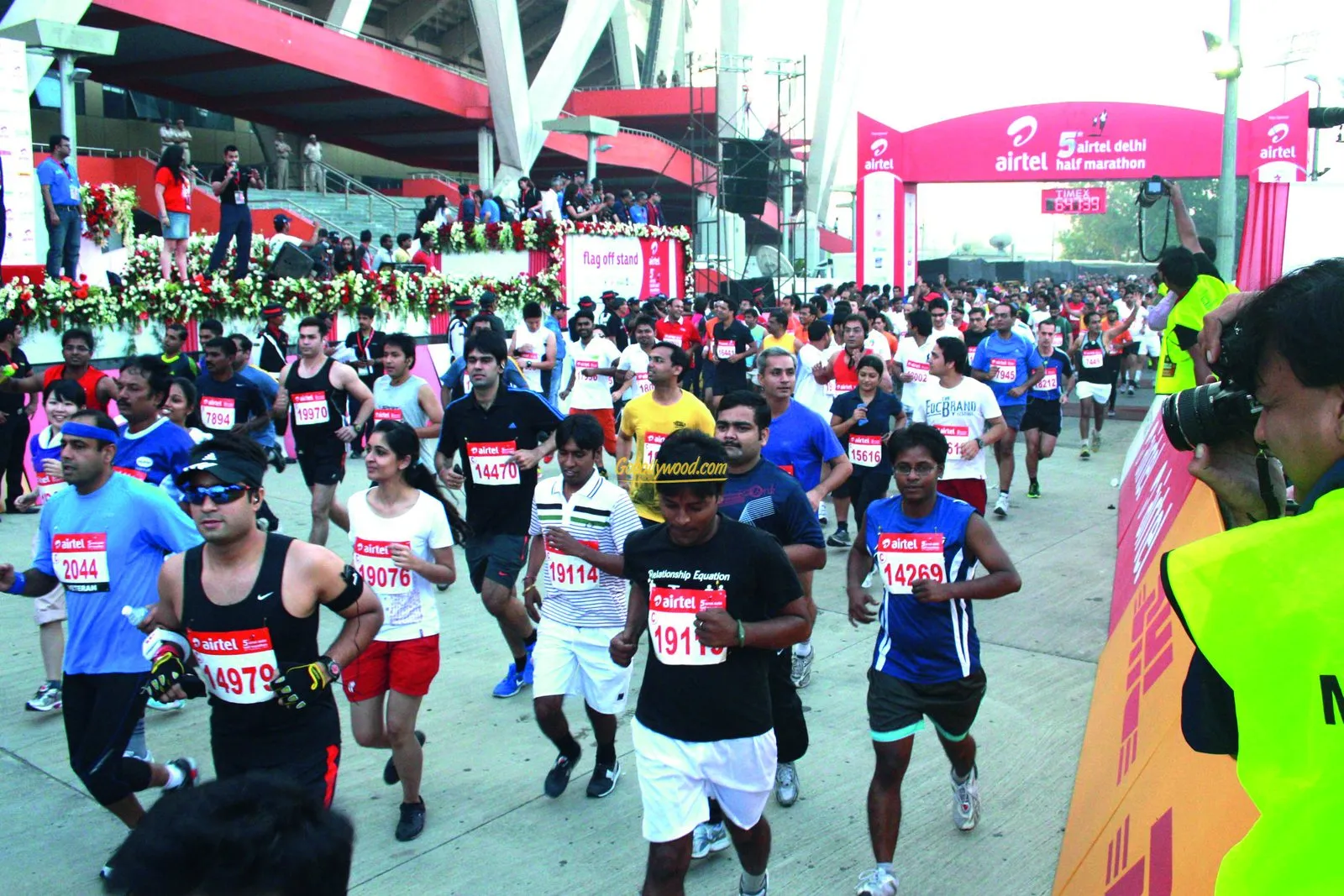
Training Gear
Ideal gear for the marathon must include comfortable shoes which give proper heel support.
Wear white colored cotton shirts or T shirts. These are preferred for better heat absorption.
Avoid accessories like scarves, stoles, cell phones, ear phones etc
A pair of sunglasses can be handy if the run day is sunny and bright.
Post Marathon Tips to follow
Ice your muscles as this will reduce inflammation without inhibiting tissue repair.\
Immediately after the run, make sure that you eat something nutritious and healthy this can be as simple as a banana, yogurt, or a nutrition bar
Do light activities 2 days after the run. Light exercises and stretching accelerates recovery period and enhances blood circulation.
Once the muscle soreness and fatigue ebbs, you can start with moderate exercises. Keep to low intensity workout schedules and increase the tempo only after complete recovery.
Training and running for a marathon requires meticulous planning. Winning a marathon should not be one’s sole goal. Right from the start that is for a marathon; we end up putting our body through a very rigorous workout to make sure that on a day of the marathon we are ready. It’s not only important to win, it’s important to understand that your body and mind has risen to this challenge undefeated and is ready to take on any hurdle be it emotional or physical. Prepare well and make your training and your run exciting.
From the April 2013 issue of FHM India.
Spotted a mistake, or your photo used without permission? Report a correction













 in your inbox