
Building a Sporting Nation
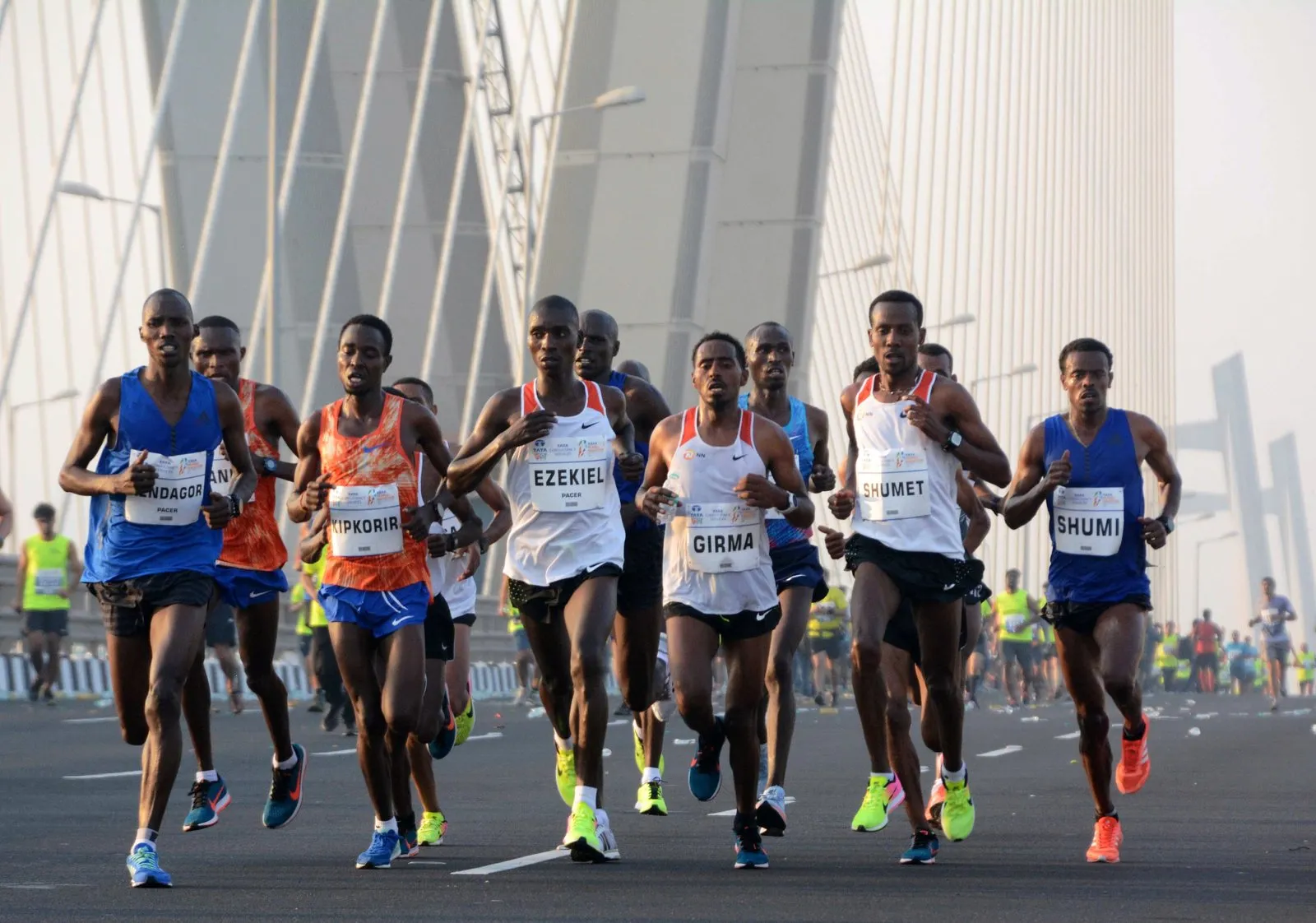



Marathons are changing the shape of the nation. We ask the brains behind the Delhi and Mumbai Half Marathons, how exactly.
The 1980’s was a decade that would revolutionise sports in India for two major reasons. First and foremost, the Indian Cricket Team won the ICC World Cup for the first time in 1983, in spite of being written off before the series even began. The victory of that World Cup showed us as a nation, that we were indeed capable of being champions of the world. This victory also led to the second paradigm shift that transformed us into a sporting nation. In the year 1988, professional sports management as an industry was born, with the founding of Procam International, by brothers Vivek Singh and Anil Singh.

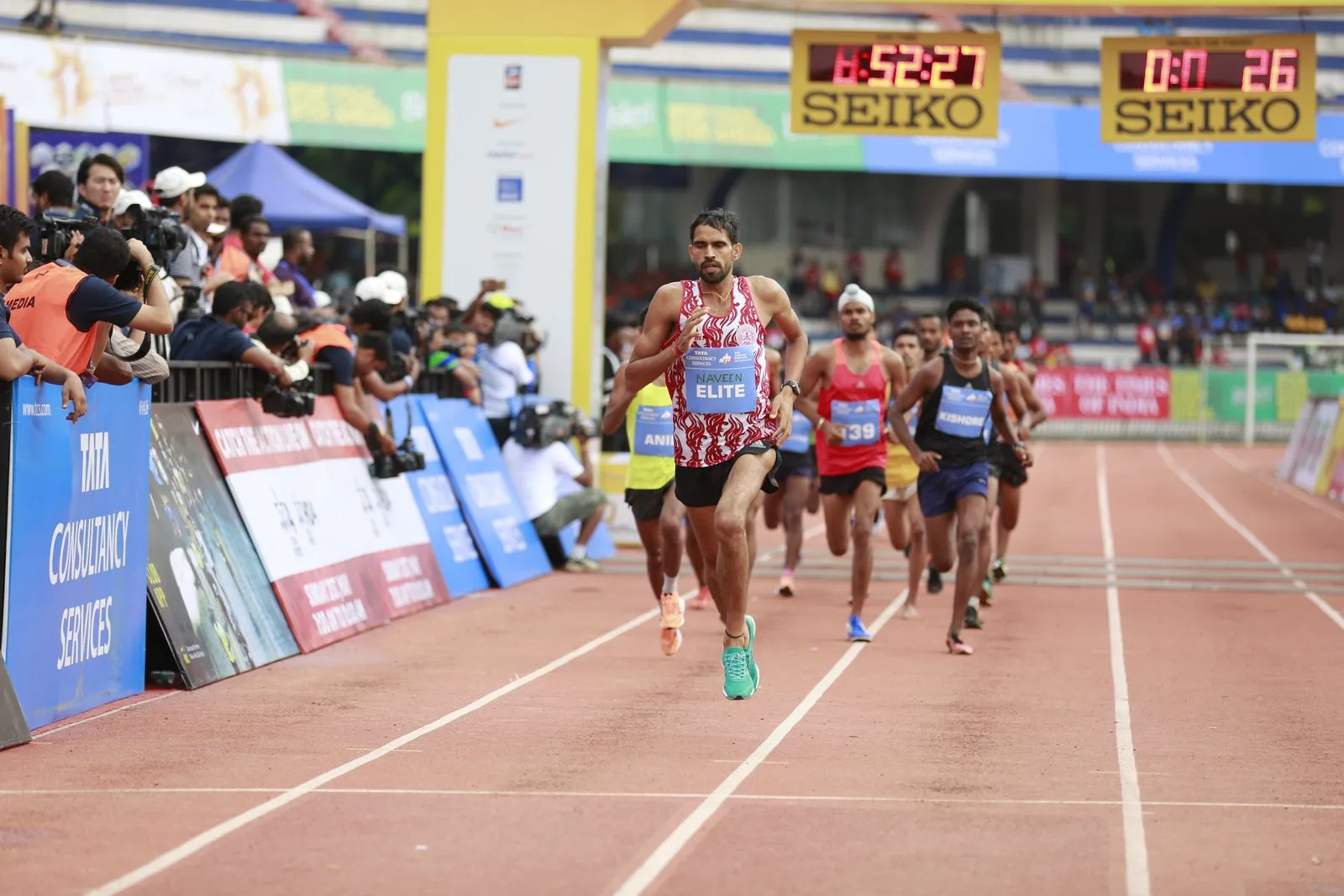
“Before 1988, there was no concept of professional sports management. There was a need to ameliorate the condition of the athletes in India. Back then, tennis was the largest sport in India, and even then the tournaments were not organised in a professional manner,” says Vivek. “There was a need to educate the corporate sector to invest in sports in the form of advertisements and sponsorship for tournaments. It had to be explained to them that these avenues were great in terms of return on investment, and that by investing in sports, they will be helping the athletes out as well,” he continues.
Procam started its journey by organising the Standard Chartered Indian Open Tennis in 1989, a completely revamped tournament that made sure that players were afforded top-notch accommodation and hospitality. Seeing the tremendous response that the tournament had, both from the people, as well as the athletes, they ventured out and ever since have transformed the manner in which different sports in India are perceived. Vivek believes that all sports are evolving. “Be it, kabbadi, tennis, football, or wrestling, all of them are getting their place in the sun,” he says. All this is possible by making spectatorship possible, which in turn creates an interest in participating in sports. This is where mass participatory sports steps in.
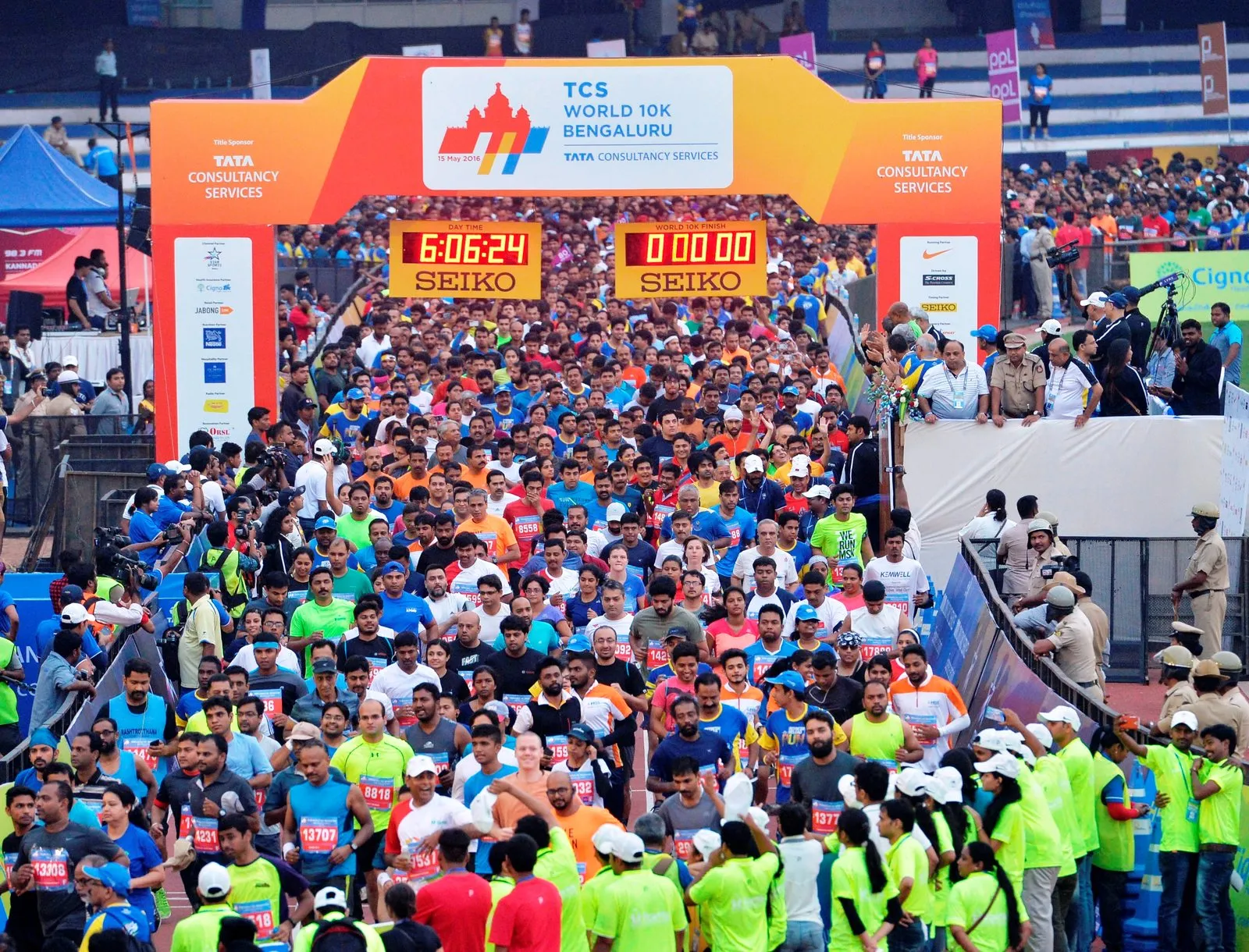
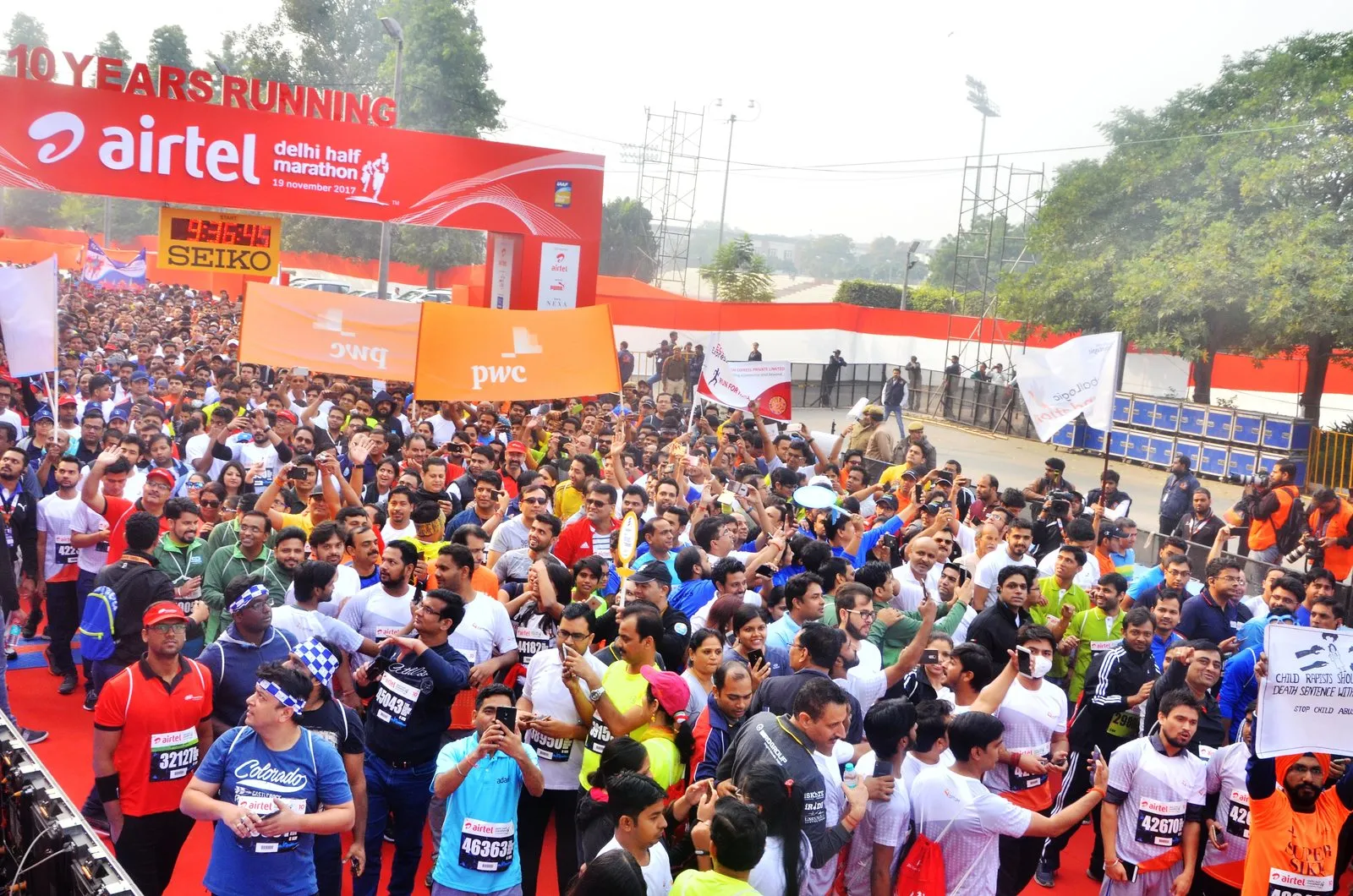
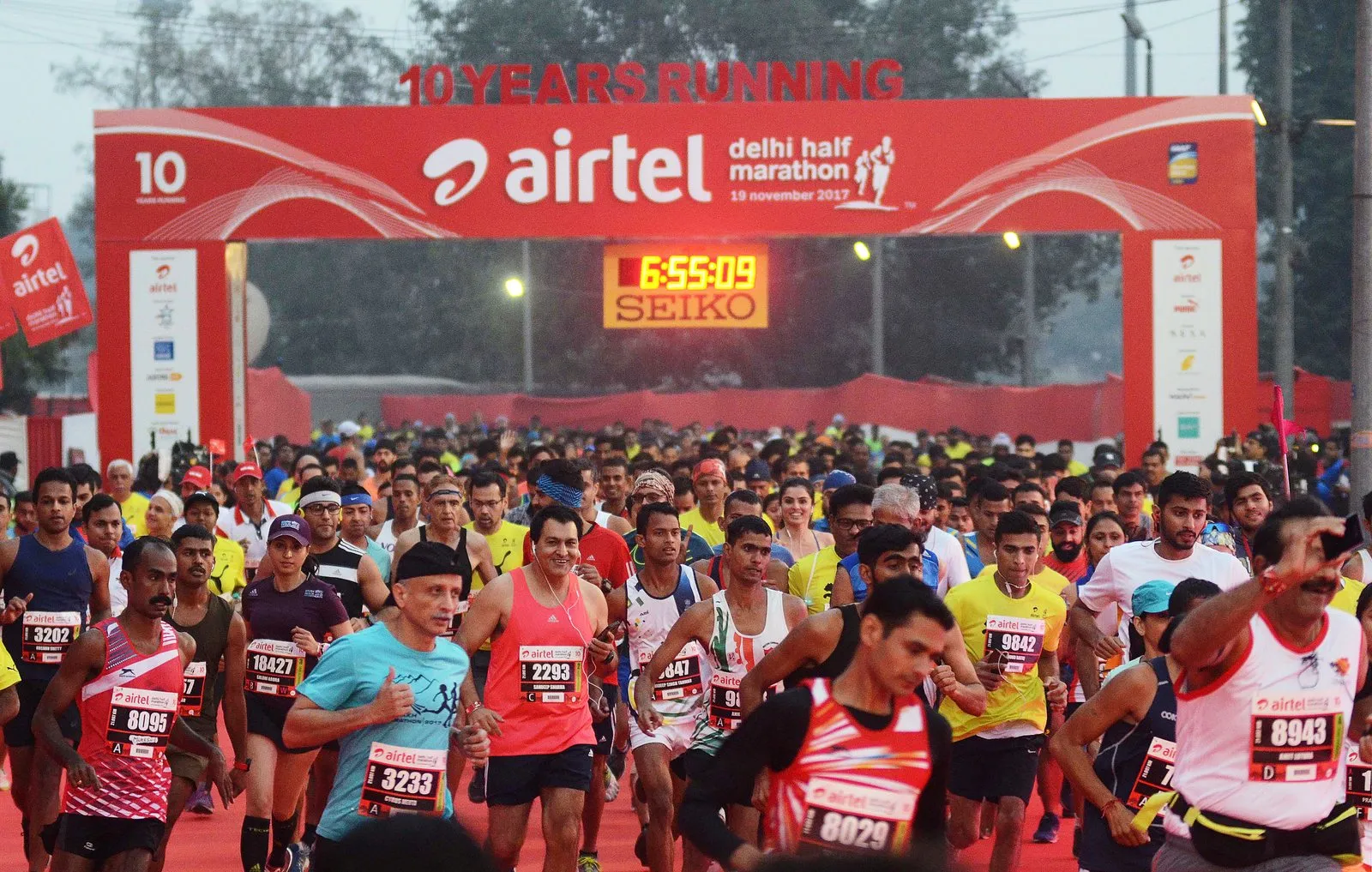
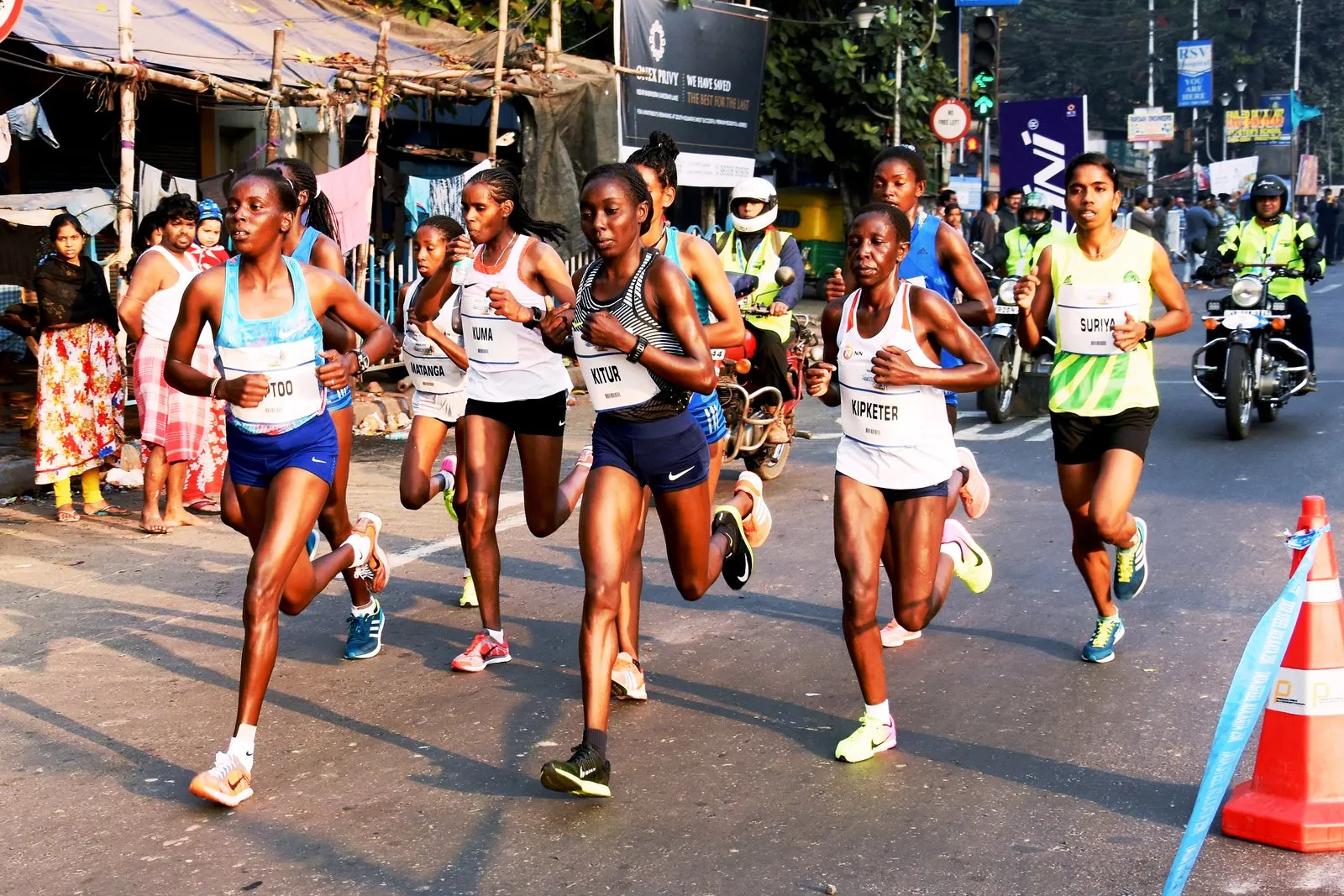
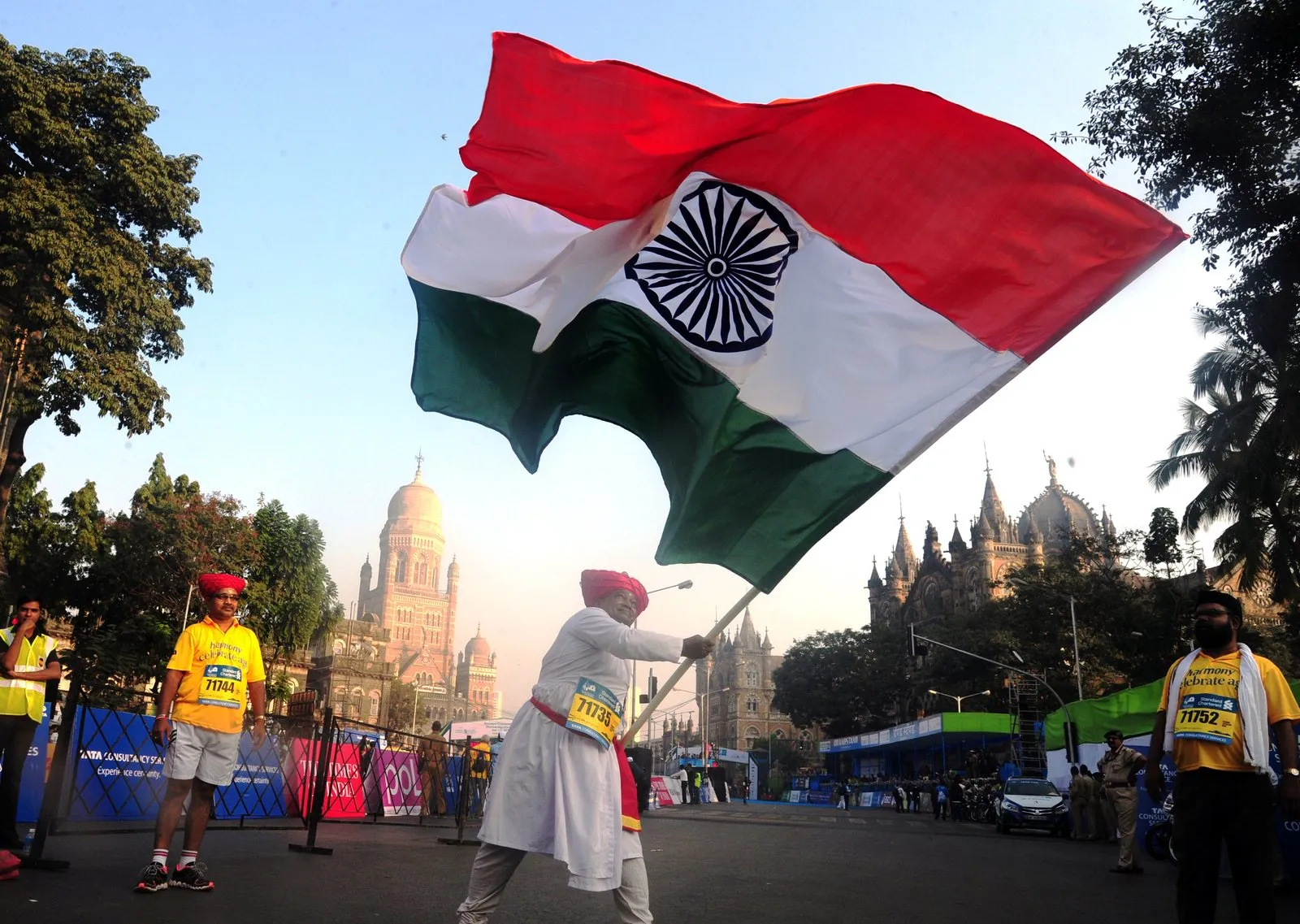
India has just scratched the surface with mass participatory sports like the Delhi Half Marathons and Mumbai Half Marathons, according to Vivek. Prior to 2004 there were hardly two or three sporting events for mass participation. As of 2018, there are about 1200 of such events a year, says Vivek. “Early on, we realized that sports in general is moving in a direction where the spectatory and the participatory aspects would cross over. With this in mind, we started organising marathons in the metros of India,” he continues. “We are now looking into newer formats, which can be brought into play here. These include swimathons, cycling tournaments, as well triathlons. Who knows, maybe we will have our own version of the Iron Man Triathlon.”

Sporting events such as the Delhi Half Marathons have an altruistic aspect as well. “Over the last 10 years, we have been able to raise 100 crores for various charitable causes just from the marathons. Going forwards, we envision raising that amount every two and half years. After all, sports such as these are great for creating a civil bond with the society.”

From the October 2018 issue of FHM India.
Spotted a mistake, or your photo used without permission? Report a correction








 in your inbox