
Capturing the action of sports: Scott Serfas
A snowboard snapper at heart, Scott Serfas now covers all sorts of action sports, from surfing to mountain bikes. The Vancouver-based photographer speaks technique, equipment, interaction and fear.
First contact with photography?
I got into shooting friends on the weekend when we were in high school and went snowboarding. We would all go ride and I would bring a camera to shoot. My friends started riding more and more and because they were some of the best riders in Canada at the time, it became easy for me to sell photos of them to magazines. I didn’t know anything about photography but snowboarding was very new, too. As they were learning, so was I.

Favourite sport to shoot?
Snowboarding. It is my favourite sport but at the same time, shooting different sports keeps it fresh. You learn a technique shooting one sport and use it in another sport. Skateboarding and snowboarding were the things I liked to do, but being from Vancouver where it would get cold and very wet, it was a lot easier to shoot snowboarding so it took over. Then I started surfing… it was a great excuse to go on trips! And lately I’ve been shooting a lot more sports like BMX – all stuff I really enjoy doing. Everything I shoot I have an interest in – it keeps it fun.
The photography category you see yourself in?
I think if I had to categorize myself I would say I’m an action sport photographer. I don't like to call it extreme sports photography – I feel like the word extreme is used way too often.
Preferred photography technique?
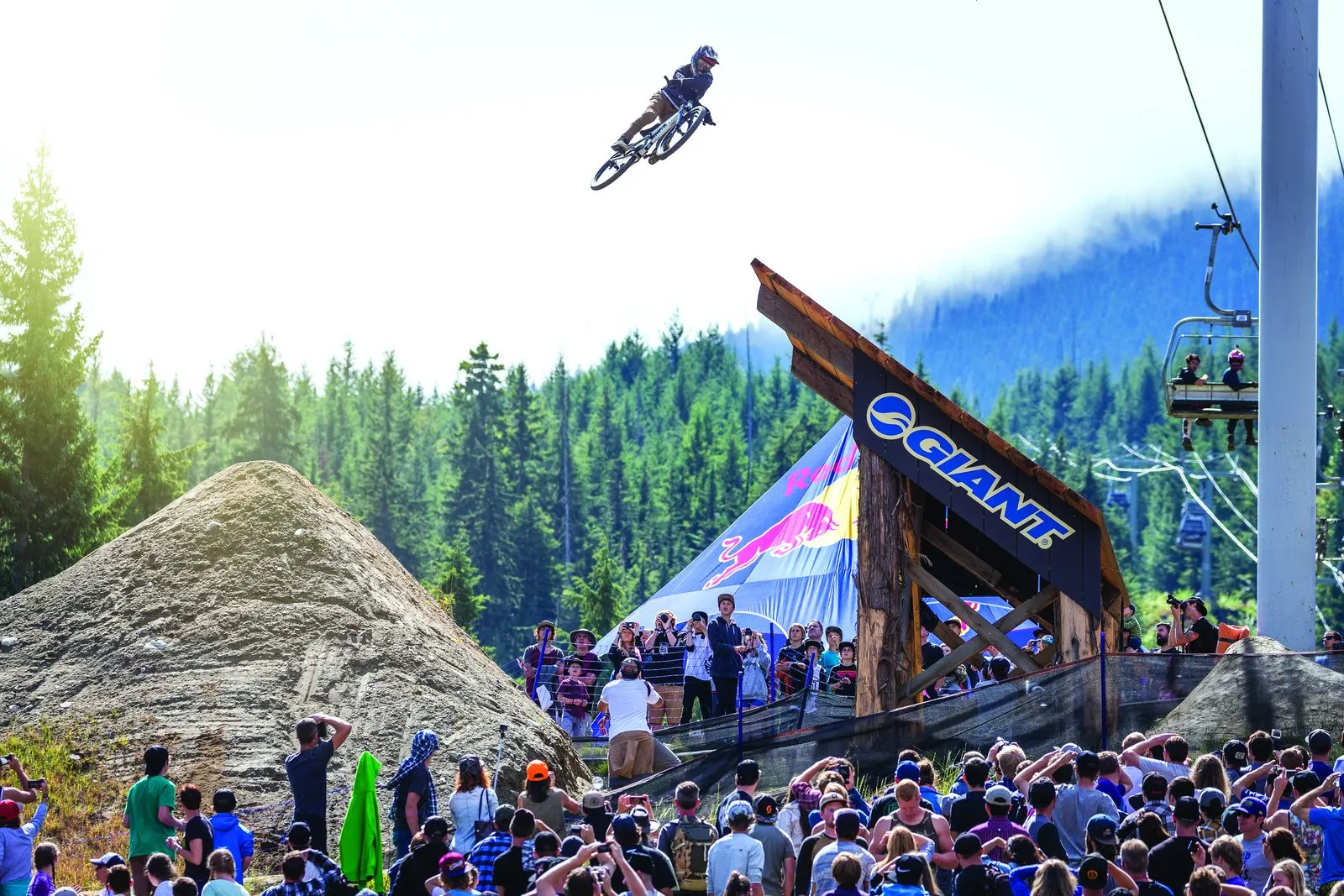
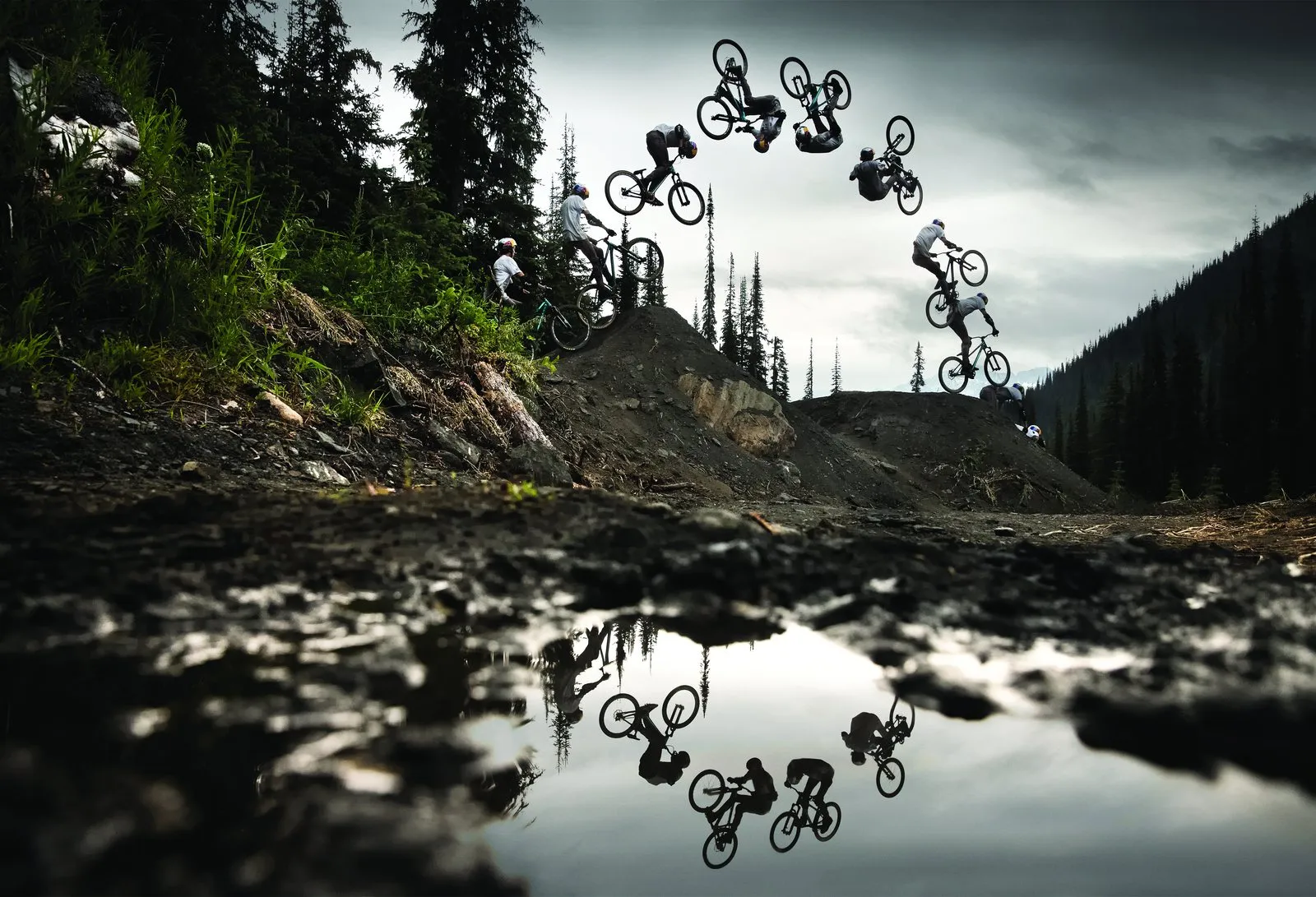
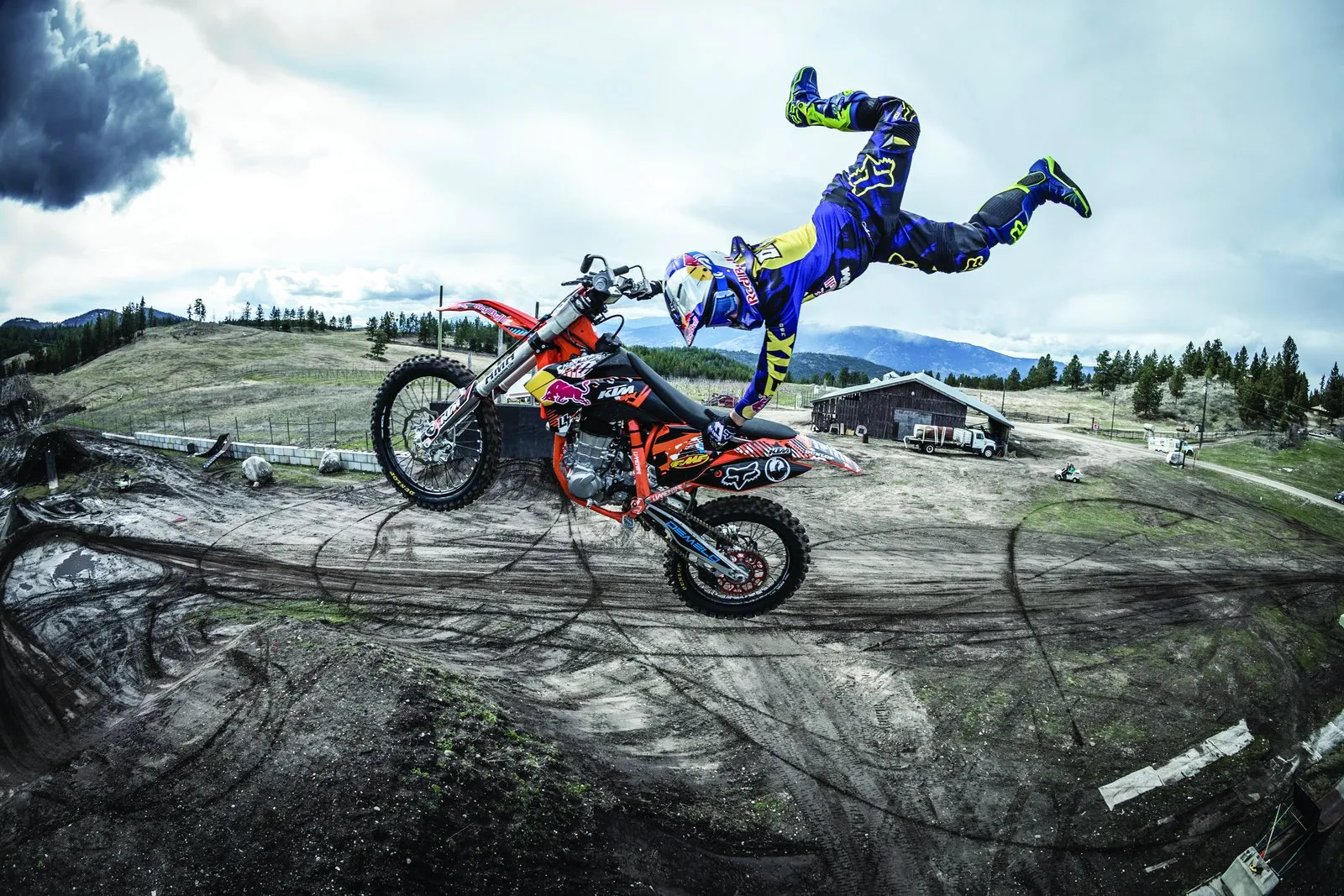
I have no formal training with photography. Over the course of 20 years I have worked out what works and what doesn’t with trial and error and I just do it as it comes. Every time somebody says that’s a great shot I am like, ‘Oh cool, because I had no idea what I was doing!’ I know what I am doing now. I try and keep it realistic and authentic. I was never a pro snowboarder but I come from that background. I was a snowboarder before a photographer. I want to make sure what the athletes are doing is represented properly. I don't ever want to compromise their talent to shoot a more creative photo. I try to put the athletes in a good spot in the frame, and shoot from an angle that represents what they are doing in a proper way and then make an interesting photo around that. I really try to emphasize what they are doing – I am not doing abstract art. Something like Joyride, I just know what’s gonna shoot well – the way things are shaped, the lines around it, the features… it’s about putting these lines together.
Any interaction with the athletes?
Every event is different. During a competition like Joyride, I don’t say anything to them – they just want to win, the last thing they are concerned about is getting a good photo. I'm just there to document what happens. But then for another event like Uncontainable, Drew and I spoke a lot about what angles were good and what kind of tricks he should think about doing. I'll offer up some suggestions but leave it in the athletes' hands to make the final call. We work together to create a great shot.
A risky job?
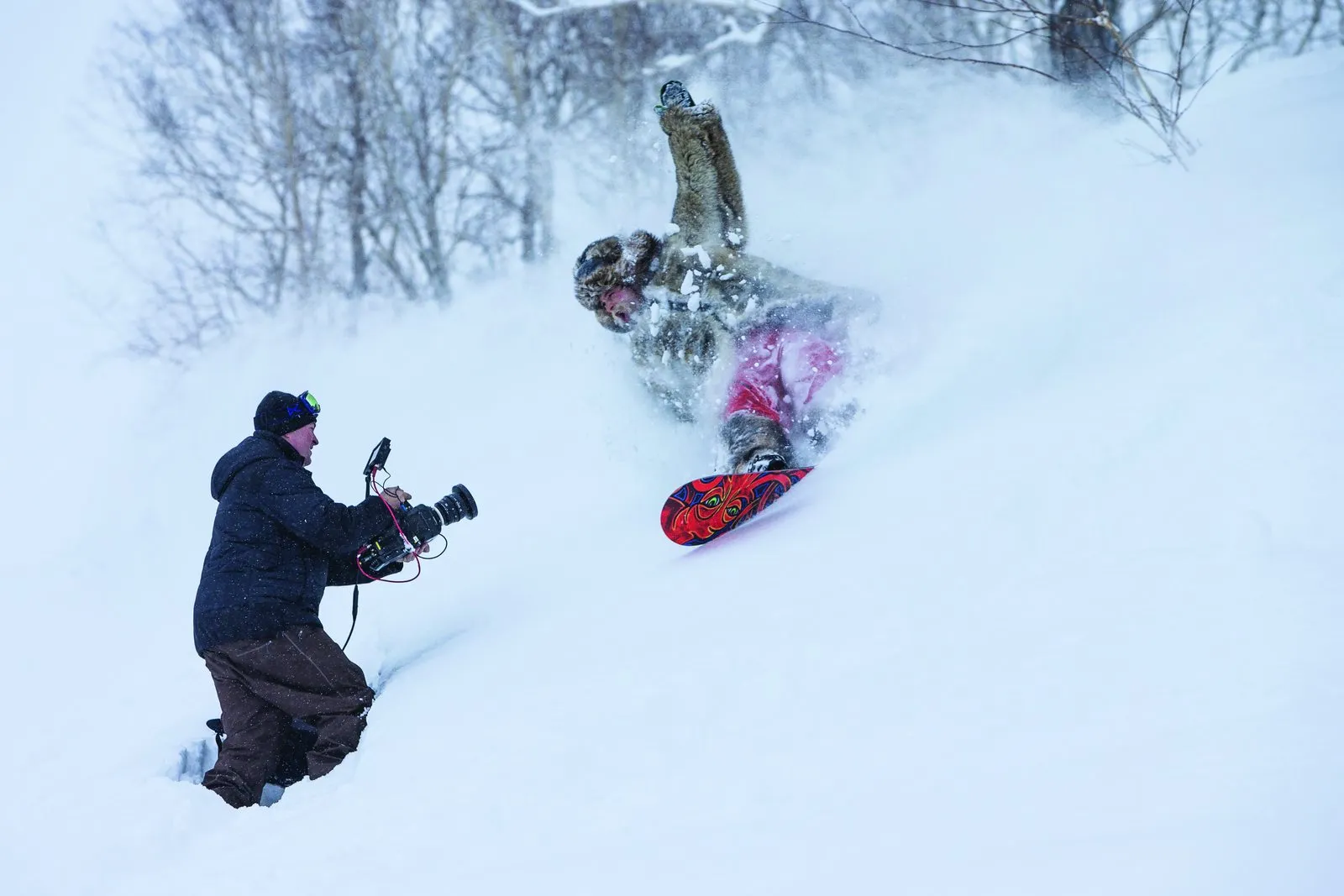
For sure. In snowboarding for example, the chances of an avalanche are pretty high these days because the sport is going further and further in the backcountry. That’s also why I am shooting with long lenses. There are times when I am like sweating and shaking trying to cross the slopes from one corner to another just to get to my angle. I also spend a lot of time in the helicopter and you are never 100% sure it won’t crash. And when I'm shooting surfing from in the water, a lot can go wrong. There are a lot of rip currents out there, getting caught in one and sucked out to sea is very possible. You need to be a great swimmer. I don’t know if I am getting smarter or older, or maybe it’s about having a family and kids… but I think about avalanches every day now. The other day I chose not to go back up because I didn’t feel comfortable about it. But I can’t let it stop me either.
Equipment owned?
I have twice as much as I need and half as much as I want. Because really you don’t need a lot – it’s often easier to have one camera and one lens with you, and shoot. I usually take one camera body with me, four lenses plus a back-up camera like a 5D in case the other fails. That’s the bare minimum and it weighs something like 10 kilos with the backpack and everything. It doesn’t get in the way though, it’s just part of it. I do have a whole bunch of other cameras, a Leica M6 and M9 with 35mm and 90mm lenses, a bunch of fixed focal length lenses for the Canon bodies and profoto lighting equipment, … It’s a lot of stuff but it comes down to only four or five pieces that I have to have and that should cover everything I need to shoot. I try to take as little as possible which is good because it forces me to take different shots. But sometimes I have these trips with the budget for it and I take the lighting kit and all my accessories. And I end up shooting something different as well.
From the December 2016 issue of FHM India.
Spotted a mistake, or your photo used without permission? Report a correction







 in your inbox