
Chillies for Delhi Police
You need to know these Indian variants of chillies just in case they order a new set of tear gas shells.



Naga Jolakia: Recently, a chef in London had to be rushed to the hospital after he tasted a sauce made of Naga Jolakia that's recognised by the Guiness Book Of World Records as the hottest chilli in the world. Infact its rising demand from the armed forced that uses it in various weapons is rescuing Naga Jolakia farmers in Assam from poverty.
The Indian Army wants to make non-lethal grenades using Naga Jolakia to combat riots.

Grown in: Assam, Nagaland
Hotometer: 5
Kashmiri Mirch: Not even close to the potency level of Naga Jolakia, this one is a bit fruity in taste and hence is used in making all sorts of curries. The deggi mirch that we use is actually powdered Kashimiri Mirch and red-capsicum. It's most commonly used in Rogan Josh and Tandoori Chicken.
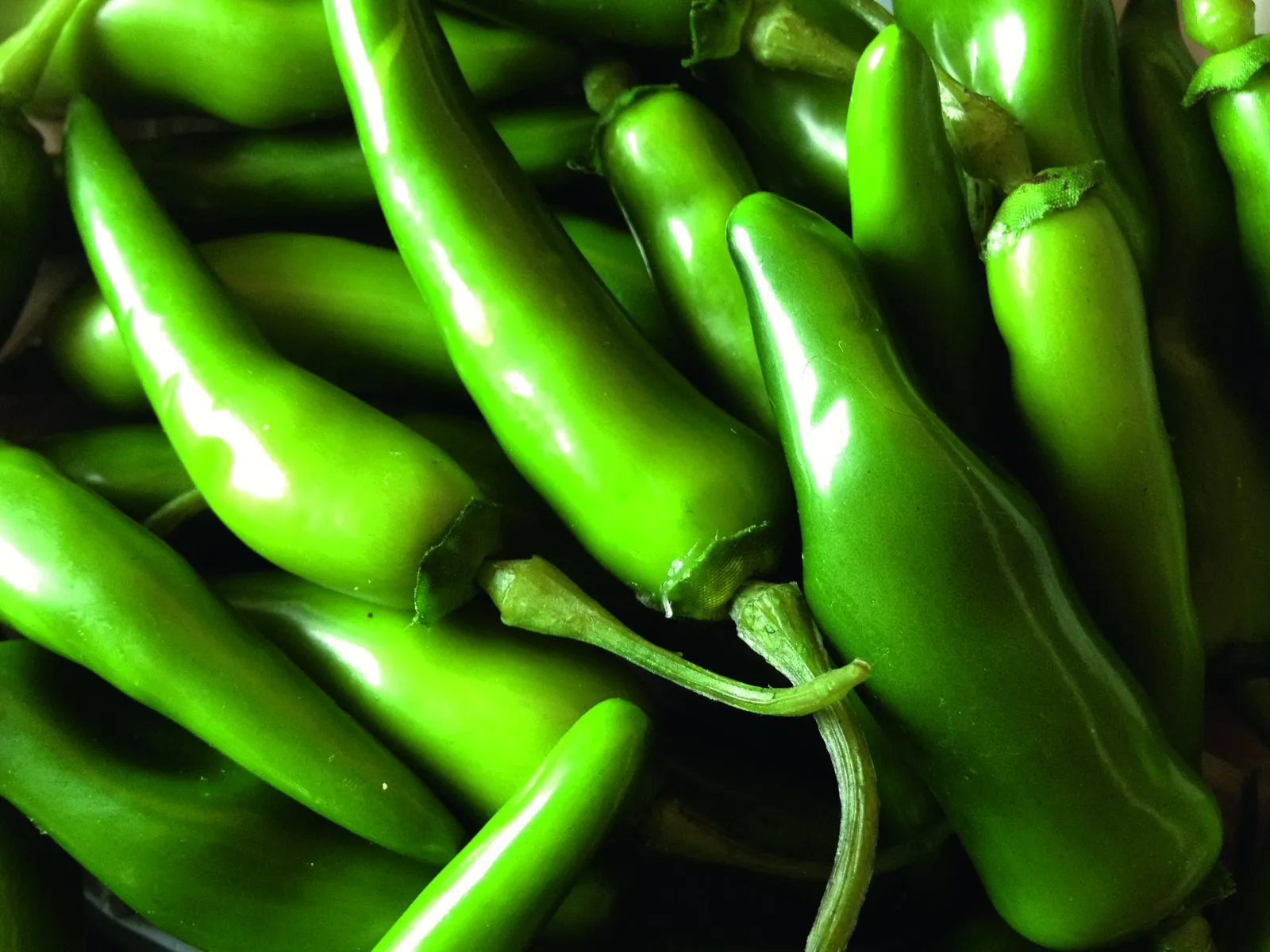
Grown in: J&K and Himachal Pradesh
Hotometer: 3
Byadagi Chillies: Also known as Kaddi Chillies, these have mild aroma, low pungency and is extensively used in South Indian cuisine especially Udupi cuisine. Named after the town of Byadagi in Karnataka, 300 crore of Byadagi Chillies is sold every year in India.
Oleoresin, an oil extractef from Byadagi, is used in the preparation of nail polish and lipsticks.
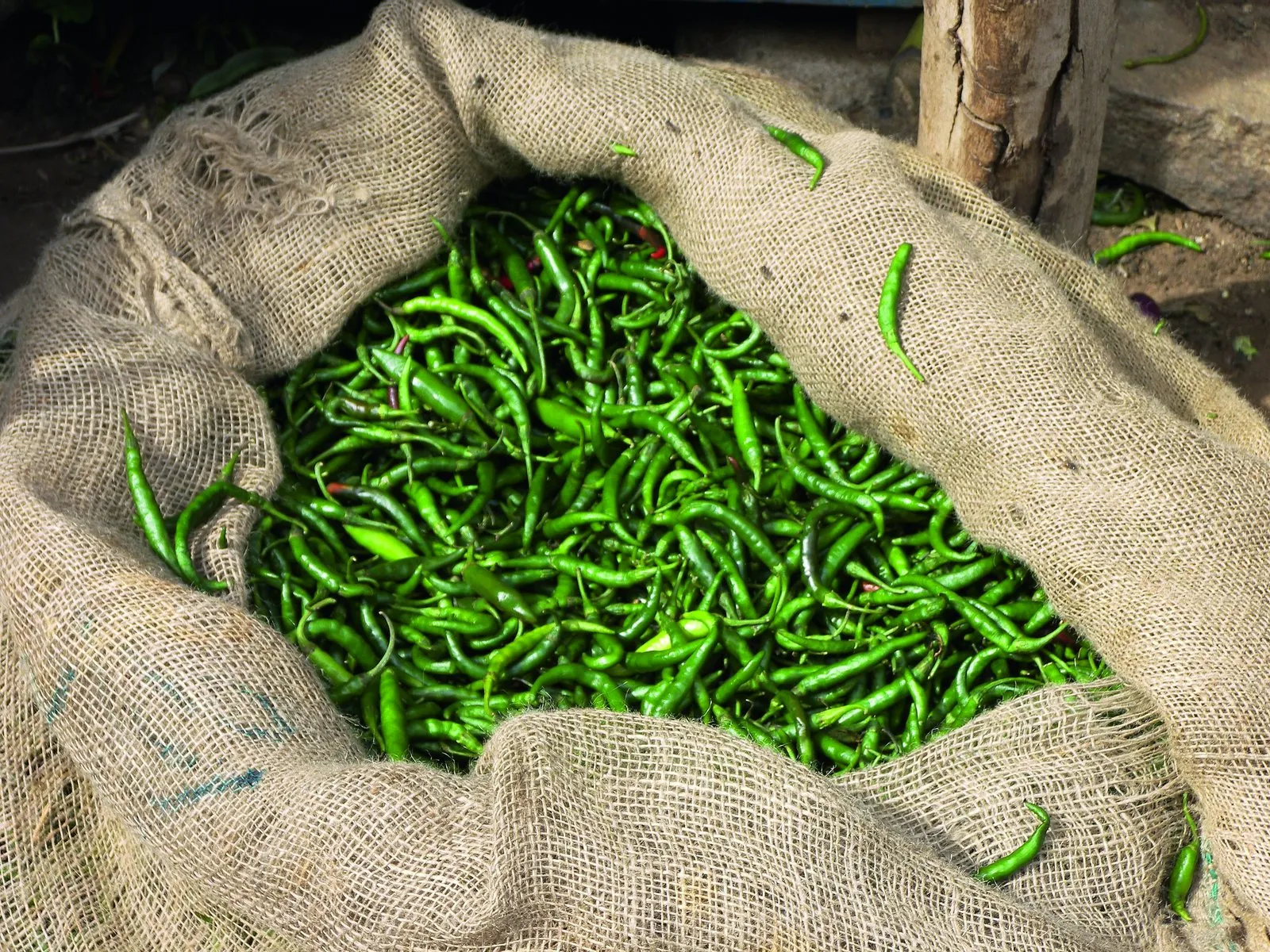
Grown in: Goa and Dharwar in Karnataka
Hotometer: 2
Jwala Chillies: As the name suggests, these chillies are really pungent because of which they are always in demand. If you like it spicy, this is the variety that you should be trying. These are usually 4 inches long, slender, green while raw and red while ripe.
Internationally, they are popularly known as Finger Hot Indian Pepper.

Grown in: Gujarat
Hotometer: 4
Nacheti Chillies: They are highly pungent, long, solid red in colour and known to be first grown in Nagpur, Maharashtra. They are acclaimed for their deep colour, aromatic value and pungency levels.
Grown in: Nagpur, Maharashtra

Hotometer: 3
Birdseye or Dhani Chillies: The tiny and green Birdseye Chillies grow up to be extremely red. However, their pungency level depends on the area and environment they have been cultivated in. So, a Birdeye chilli in India wouldn't have the same pungency quotient as the ones that are grown in other countries.
They are also known as African Devil
Grown in: Mizoram and Manipur.

Hotometer: 3
Ellachipur Sanman Chillies: Majorly grown from September to December, the Ellachipur Sanman chillies are very spicy and turn dark red in colour when they are dried. They are typically grown from September to December.
Grown in: Amravati, Maharashtra
Hotometer: 3

Hindpur Chillies: They are popular for their extremely high pungency levels, and is most widely used in Andhra Pradesh where farmers engage in its production between Demcember and March.
Grown in: Andhra Pradesh
Hotometer: 4
Guntur Sanman Chillies: Another spicy variant from Andhra Pradesh that's popular for its thick red skin and spicy flavour. It's majorly grown in Guntur, Khamman and Warangal districts.

Grown in: Andhra Pradesh
Hotometer: 4
Tomato Chilli : May be because it looks like cherry tomatoes, it's called Tomato chilli (also known as Warangal Chappatta). It's tiny, dark red in colour and is not very pungent, so people who don't like to keep it spicy yet want to enjoy pungency in some form relish tomato chilli.
Grown in: Godavari, Khamman and Warangal districts of Andhra Pradesh.
Hotometer: 1
Kanthari Chillies: They resemble the colour of ivory and are small sized. Don't let its small size fool you, Kanthari chillies can make you cry like a baby.
Grown in: Tamil Nadu and Karnataka
Hotometer: 3
Mundu Chillies: Also known as Gundu Molzuka, these fat and roundish variant has a distinct taste from other variants of chillies in the country. It's called Gundu Molzuka because Gundu in Tamil means fat and Molzuka means chilli. However, they are as hot as anyother chilli that are produced in the country.
From the January 2013 issue of FHM India.
Spotted a mistake, or your photo used without permission? Report a correction













 in your inbox