
Conqueror Of The Atlantic
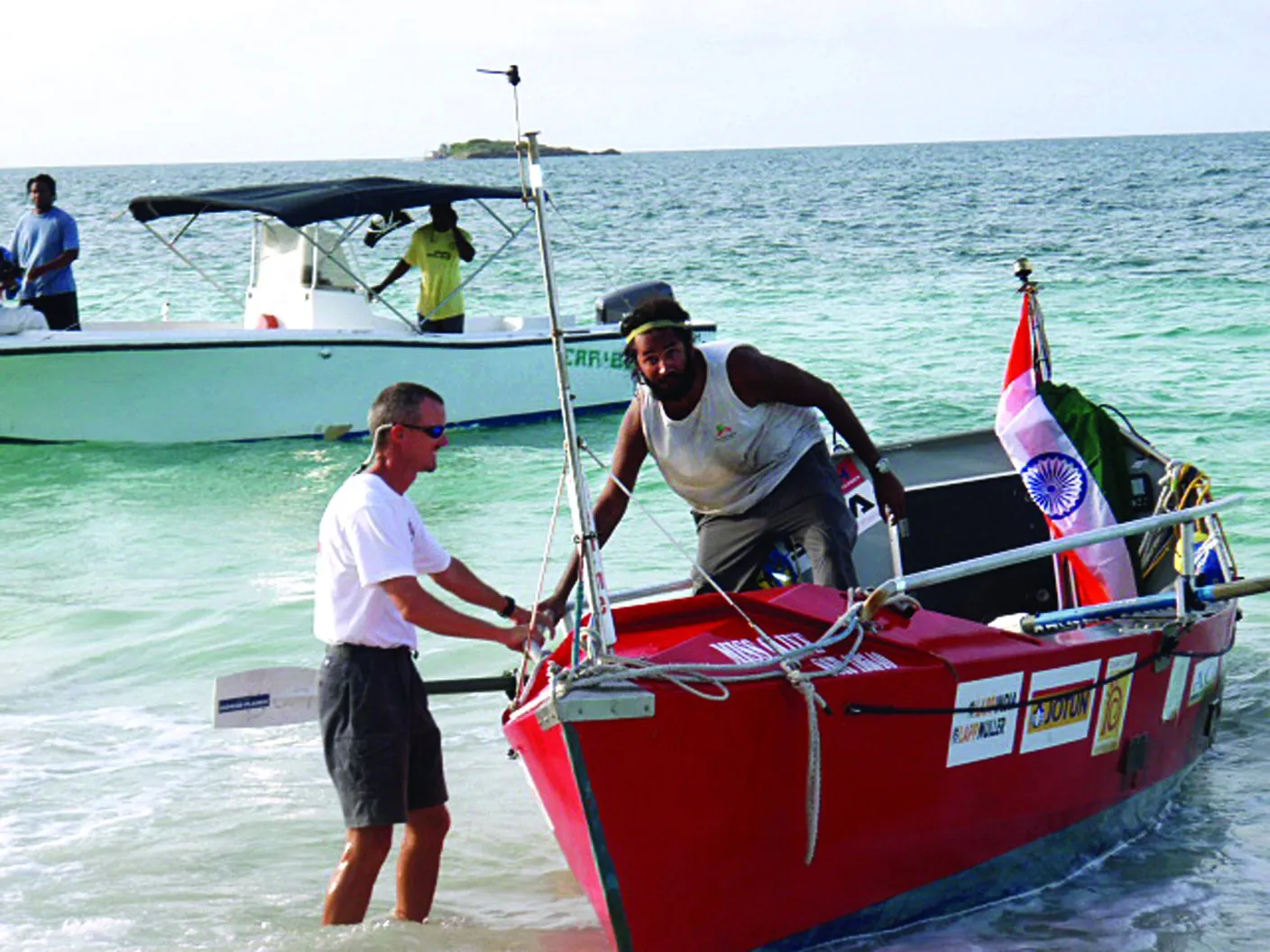
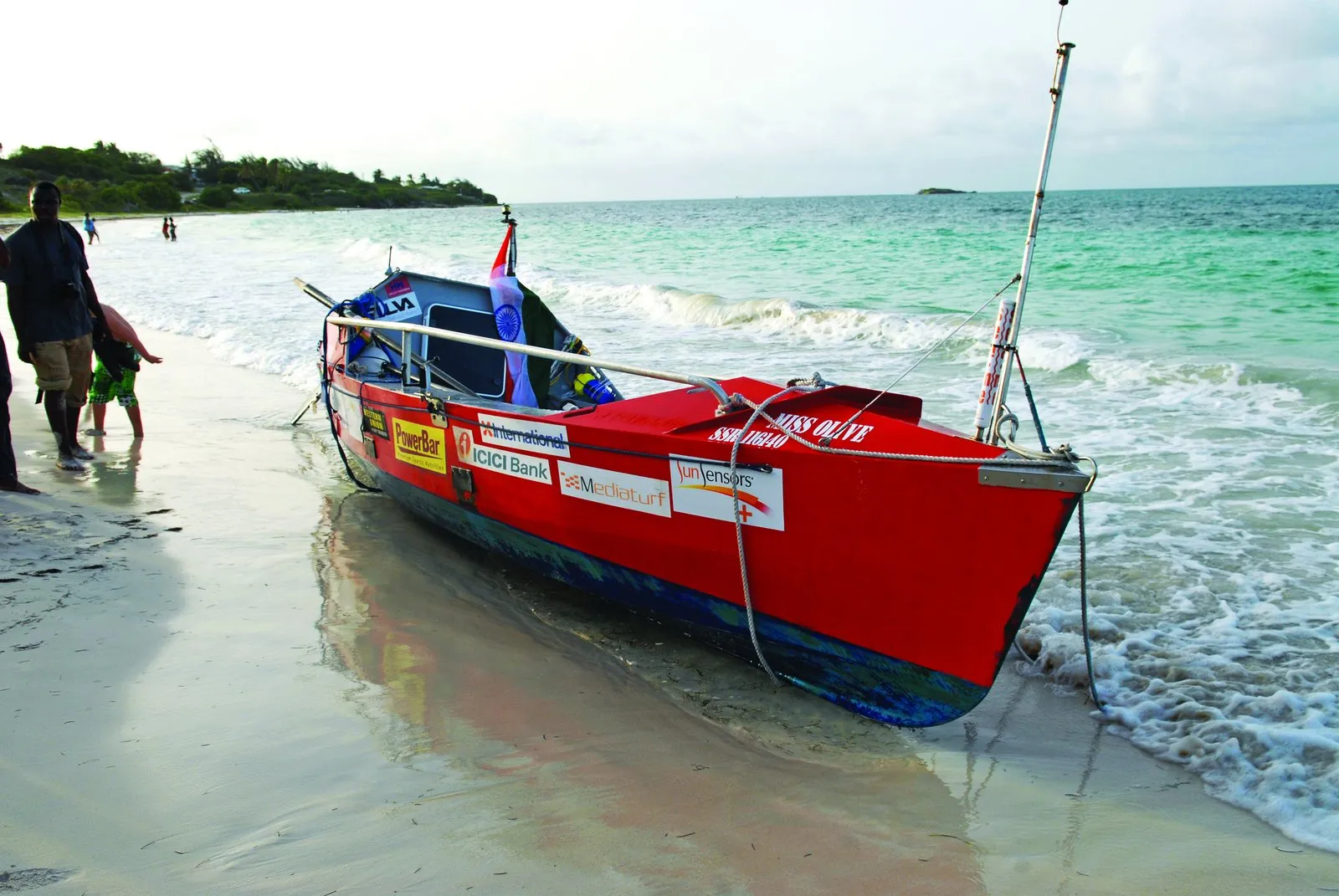
Horrid storms, water leaks, broken rudder and a capsize that left him without food and water. This is the story of Bhavik Gandhi, the first Indian to cross the Atlantic ocean on a row boat.
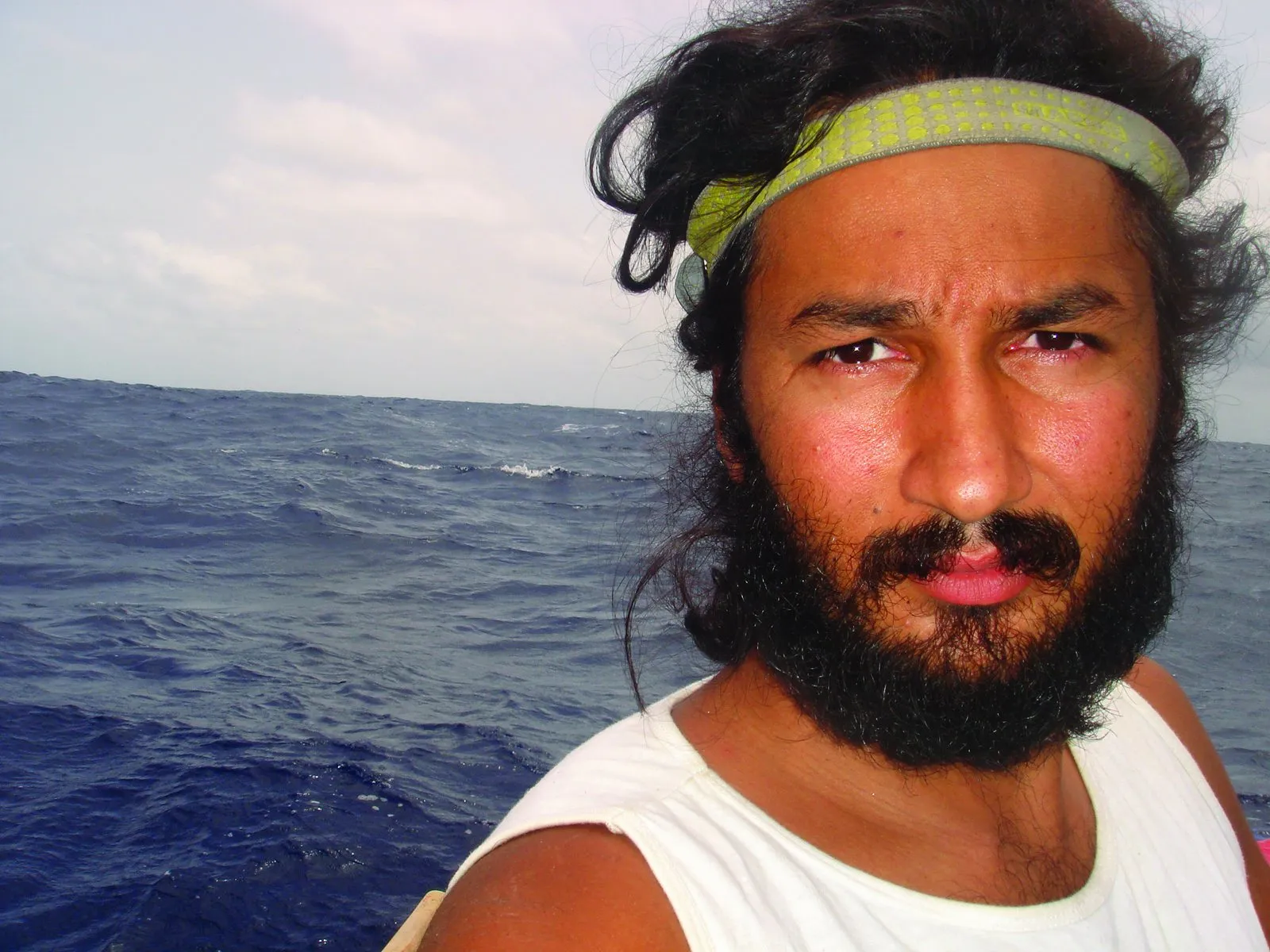



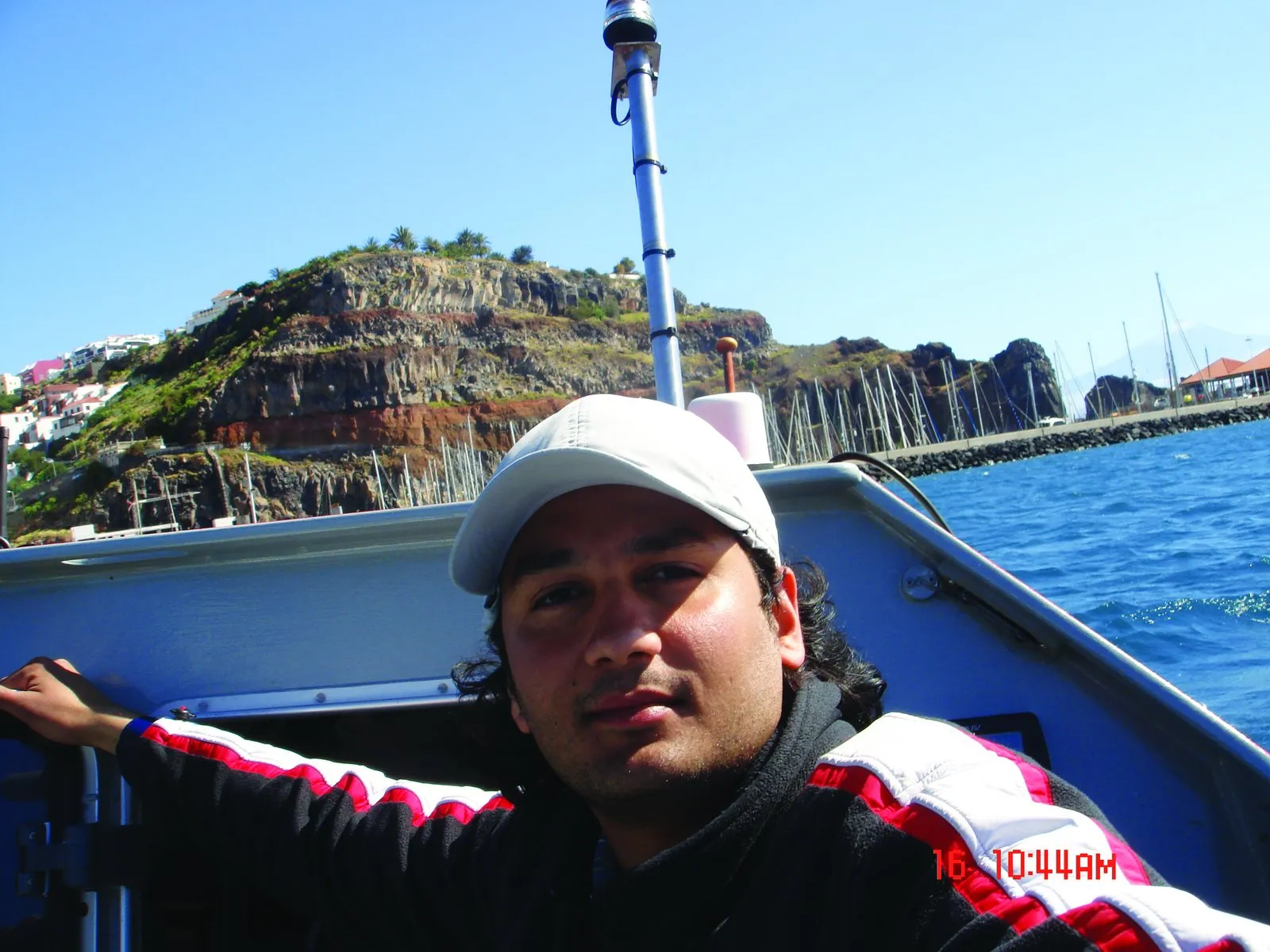
In 1966, two Englishmen tried to row across the Atlantic in vain. Their boat was found days later on a shore, but their bodies were never discovered. And it was this idea of crossing an ocean on human power, is what drove Bhavik towards rowing. “As a sailor, and as a fan of endurance challenges, this appealed to me on several levels,” says Bhavik, who later put the idea to test from Canary Islands, off the cost of Africa to Antigua, with no motor or sail on a voyage of a 106 days.
But crossing the Atlantic was no easy feat. So, how did he go about preparing himself? “How do you prepare for the unknown? Where do you start? What do you do? Anyone who thinks of taking an endurance challenge finds himself crippled underneath these quintessential qualms,” Bhavik says. To him it was like a bizarre puzzle, and he was the Sherlock Holmes of this story.

But the endeavour wasn’t about taking risk but about risk management, foolproof-ing, backups and fail-over systems. And this is what set him on this adventure. He’s a rower, so that settled our question about his passion for sports or adrenaline, for rowing is one of the toughest, highly exhausting solo sports that you can engage in. But does it make those who partake in it, sailors or athletes? “I consider myself a sailor, endurance sportsman, explorer and adventurer, in that order. Sailing and endurance sports are less about adrenaline and more about understanding your own limits and an appreciation of the power of nature and a curiosity for knowledge and psychology and especially dealing with fear.”
For Bhavik who is a keen swimmer, and also dabbled in windsurfing, kayaking and went deep sea diving - rowing came in as a natural progression. Rowing across an ocean, he excitedly points out, is much more than the rowing. It's good seamanship, mental and physical endurance, physics, managing the technical aspects of a boat, understand weather systems etc., and still be ready to face the your worst nightmare.
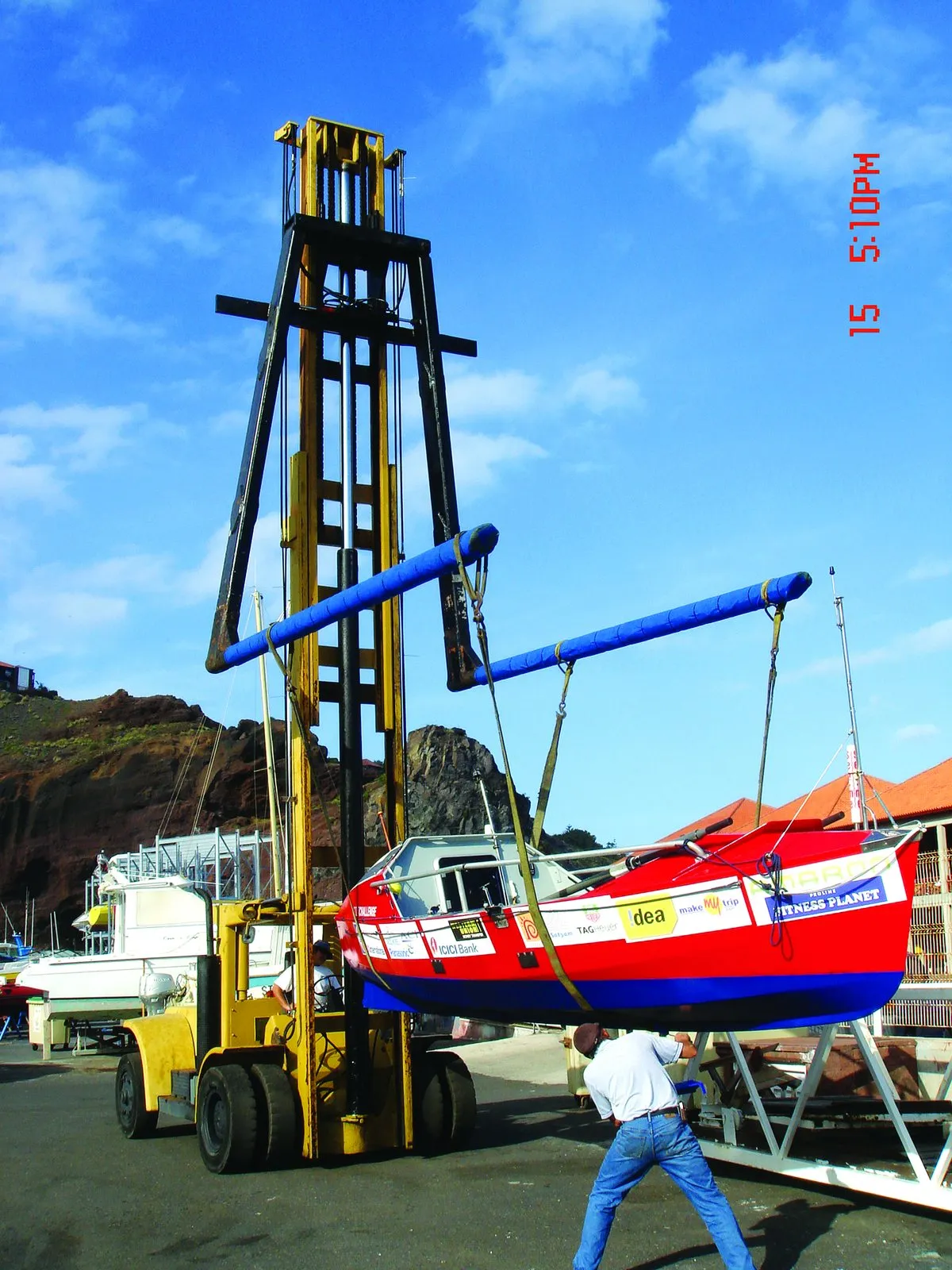
Intrigued by his 106 day stint in the middle of nowhere, alone, we asked him about one of the lowest points he faced during this endeavor, where he thought of giving up and abandoning his mission! He disclosed that on day 41, when he had already sailed about 2,000 kms and practically out of helicopter rescue range, he discovered a leak in his 7 meter long boat. Spending the night bailing out water with a mug, Bhavik hit a new low when he couldn’t locate the leak in the boat.
It was then that he was in two minds, thinking about calling it quits, and had informed his friends about his latitudinal coordinates to be on the safer side. This is where his endurance was tested. The morning after decided not to give up, somehow managed to find and seal the leak and sailed forward. All the while, as he points out, he only thought about saving the mission. “In hindsight, I think the obstacles are just a test of how badly we want something, if we are willing to pay the price. And if one gets down to weigh the lows and highs, he realises how the failures, problems and low points make the highs much higher and the victory much sweeter”.
Besides being an adrenaline junkie, Bhavik religiously trained in the gym for close to six hours a day, over a period of three years. This, coupled with rigorous diving and stints at sailing kept him upbeat . The lesser known part of his endeavor? Bhavik had previously tried crossing the Atlantic thrice and failed, before finally making it, on his fourth try. For food during the sail, keeping in mind the space and weight constraints, Bhavik chose to carry dehydrated frozen meals (dried rice, pasta etc.). Being at sea also meant higher calorie consumption (9000 vs 2500 calories per day for a person on land).
“Mental endurance to cross an ocean is very similar to running a startup - Setting goals, staying motivated in the face of adversity, having the mental stamina to go the distance,” he tells us. You see, Bhavik who is a bona fide adrenaline junkie, has trekked across Siberia, from Helsinki to Hong Kong, cycled across Europe from Stockholm to Istanbul across the Alps, when he has time, tries to take the learnings from these experiences back to corporate world. He is an entrepreneur, a start-up funder and founder and principal partner at Development Venture Capital Group, a venture capital fund. Between his story-telling and epic narration of the life-altering experiences we ask him what keeps him connected to endurance sports, he tell us “The experience of solitude in a vast space is something very unique to a soul, and gives me the answers to most of questions I seek."
Ups
1. Waking up to the whistling of dolphins around the boat
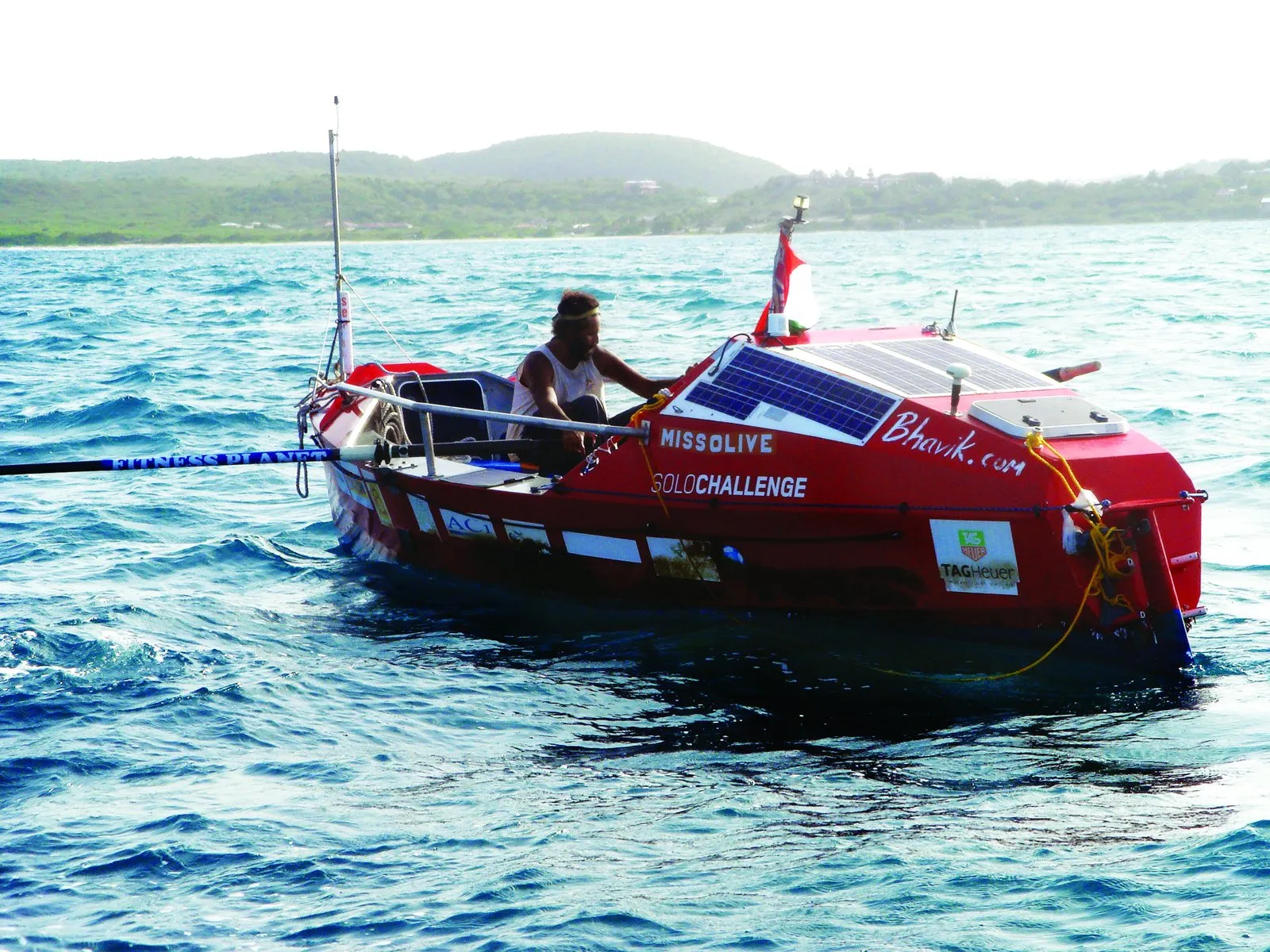
2. The absolute peace of being alone out there and having the time to think about a lot of different things in life
3. The sense of achievement after a hard day's row or fixing a problem. A day with great mileage
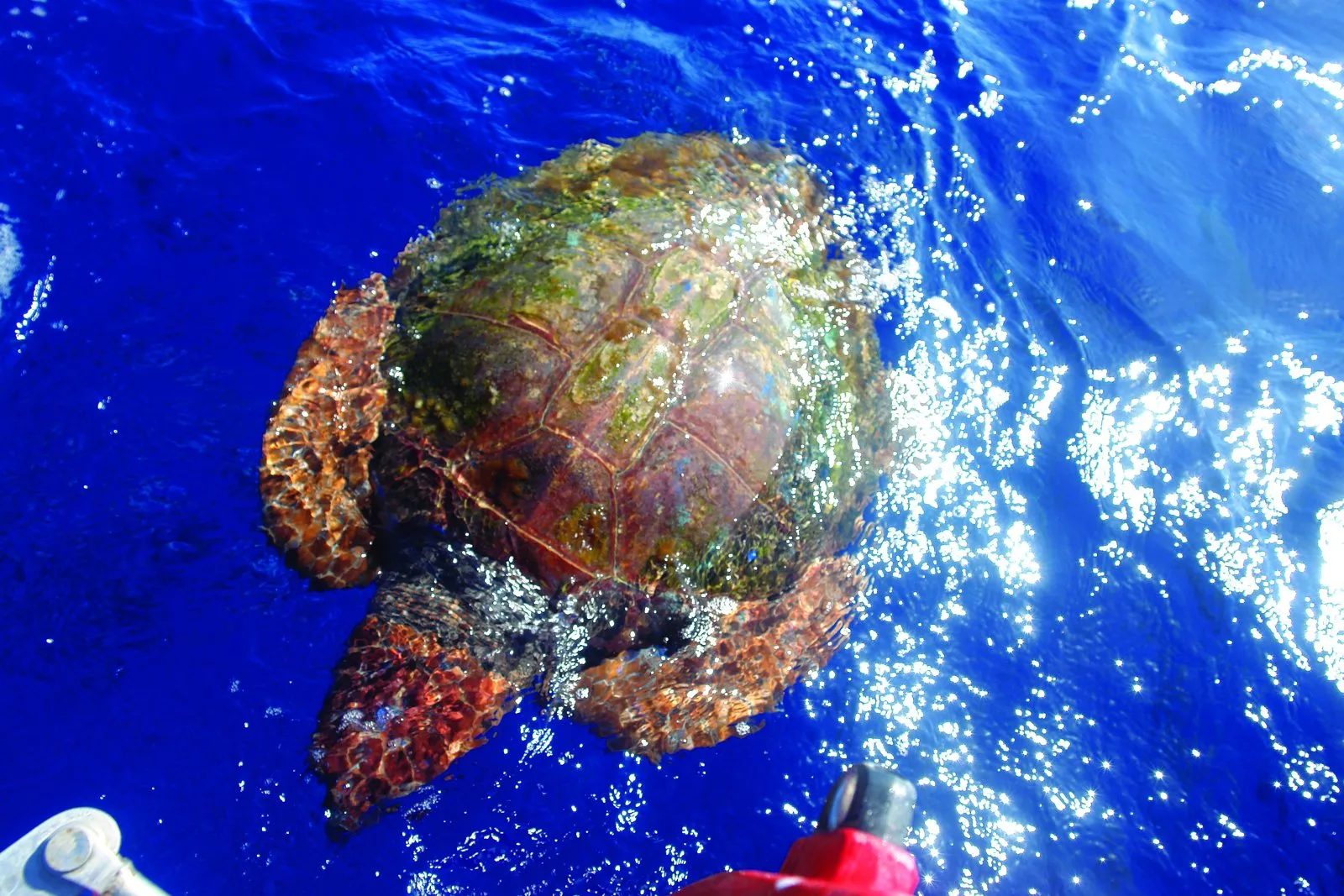
4. Being a silent spectator to the amazing wildlife in the ocean. Sharks hunting fish underneath the boat, dolphins, whales, giant sea turtles, flying fish, jelly fish, Doradas, barracuda, tuna
5. Spectacular sunrises and sunset, 360 degrees every day. Awesome sky on a clear night, you can see the Milky Way and all the constellations, the Plough, Mitanka, Milky Way. Maybe a satellite or two orbiting the earth.
6.Learning much more about myself, and my capabilities, than I ever imagined and learning to live alongside fear. Learning patience. Tolerance of discomfort. Learning to focus. Goal Setting. Self Motivation.
7. No news of the outside world. No news of bombs, killings, wars, nothing. The world seems more peaceful from there.
8. Diving when I feel like it, and can see some amazing wildlife just under the boat
9. Making friends with a Dorada dolphin that swam alongside the boat for 1500 km
10. Feet touching land for the first time in 106 days
Lows
1.Running out of coffee in the middle of the Atlantic
2. Everything is wet, smells of dampness, fish, salt and sweat.
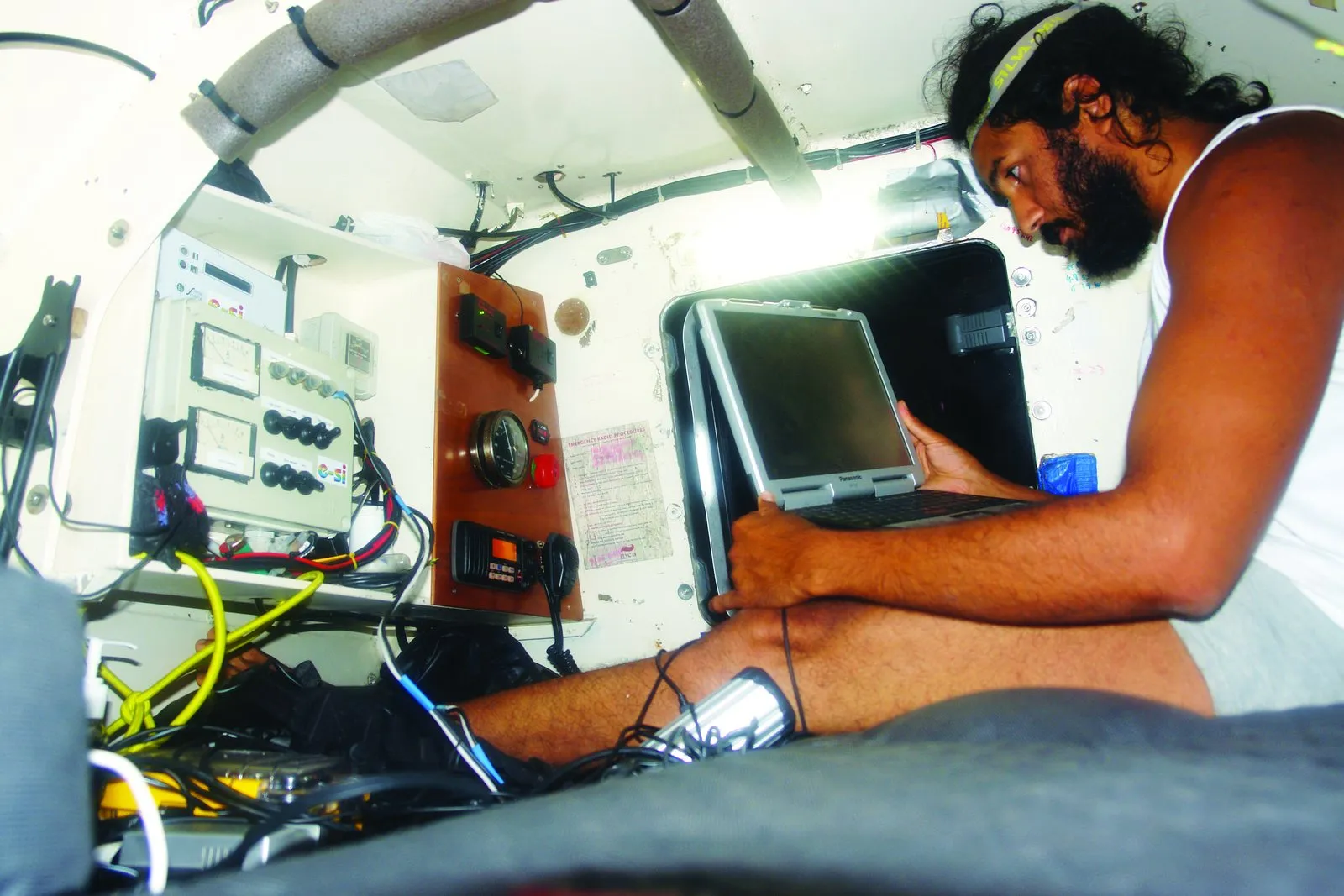
3.A hot coffee and a warm meal would be nice. Cooker rusted, so none of that.
4.Cannot walk. Never walked more than 4 or 5 steps between the cabin and the rowing seat each day. Leg muscles start getting weak.
5.Salt sores and rotting flesh on the feet as it's wet all the time
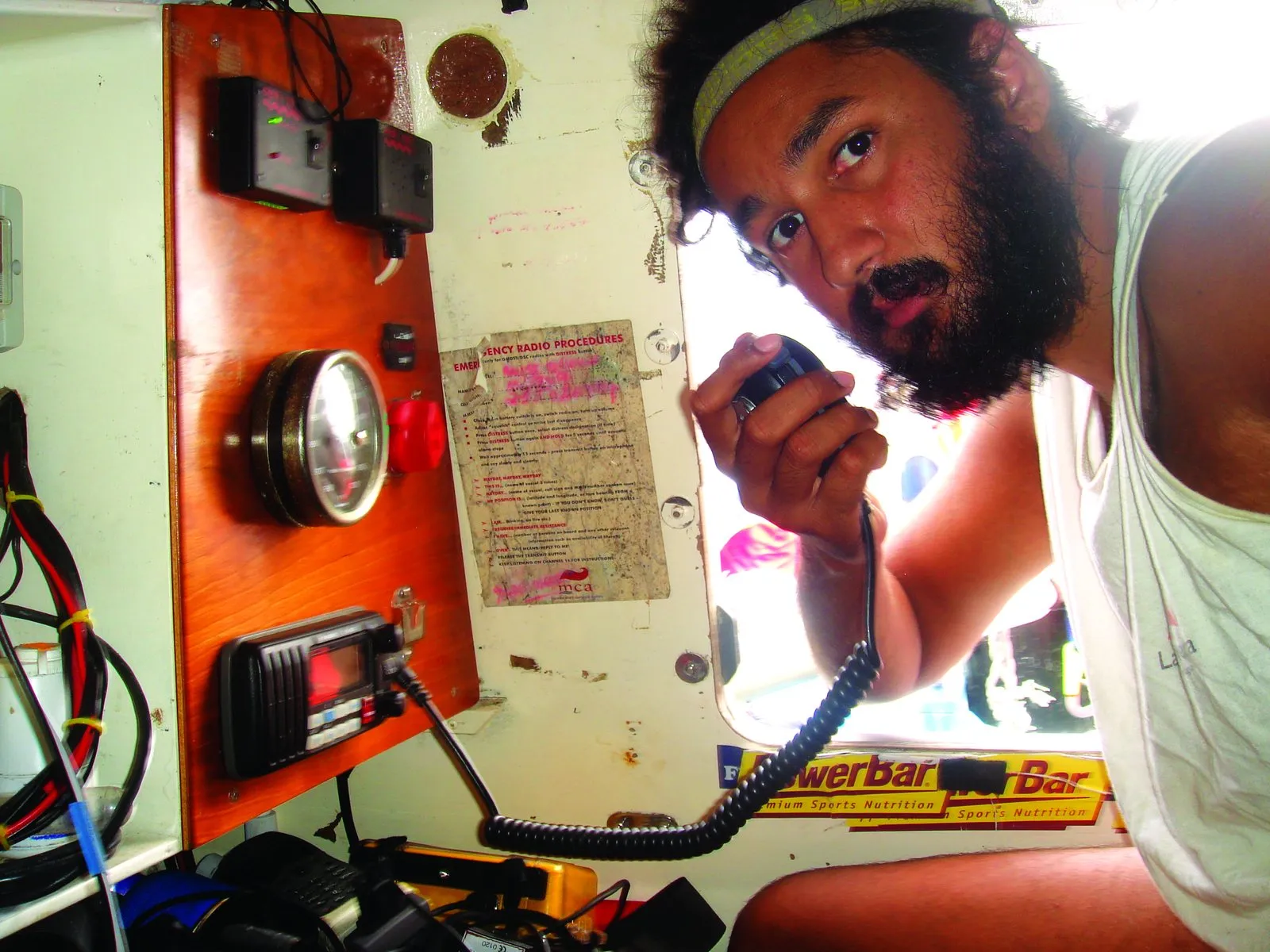
6.No proper bed to sleep in. Just a rubber mat that slides about all the time. A bit like trying to sleep in a washing machine.
7. Discovering a leak below deck and spending the next 48 hrs bailing out water from the boat with a mug
8. Rowing without a steering as it broke. It is twice as hard to turn the boat using only the oars.
9. Some bad days, when the large 15-20 feet waves are crashing over the boat all around.
10. Living in constant fear of capsizing or being run over by a ship.
11. Fighting the constant the urge to put my shoes on and go out for a jog
From the August 2014 issue of FHM India.
Spotted a mistake, or your photo used without permission? Report a correction










 in your inbox