
Cost Cutting or Lazy Designers?


If a hatch and a sedan end up sharing the same platform and engine with just a different power output, is it worth paying a premium for the so-called bigger car? We find out...
Mirror reflection under different car makers
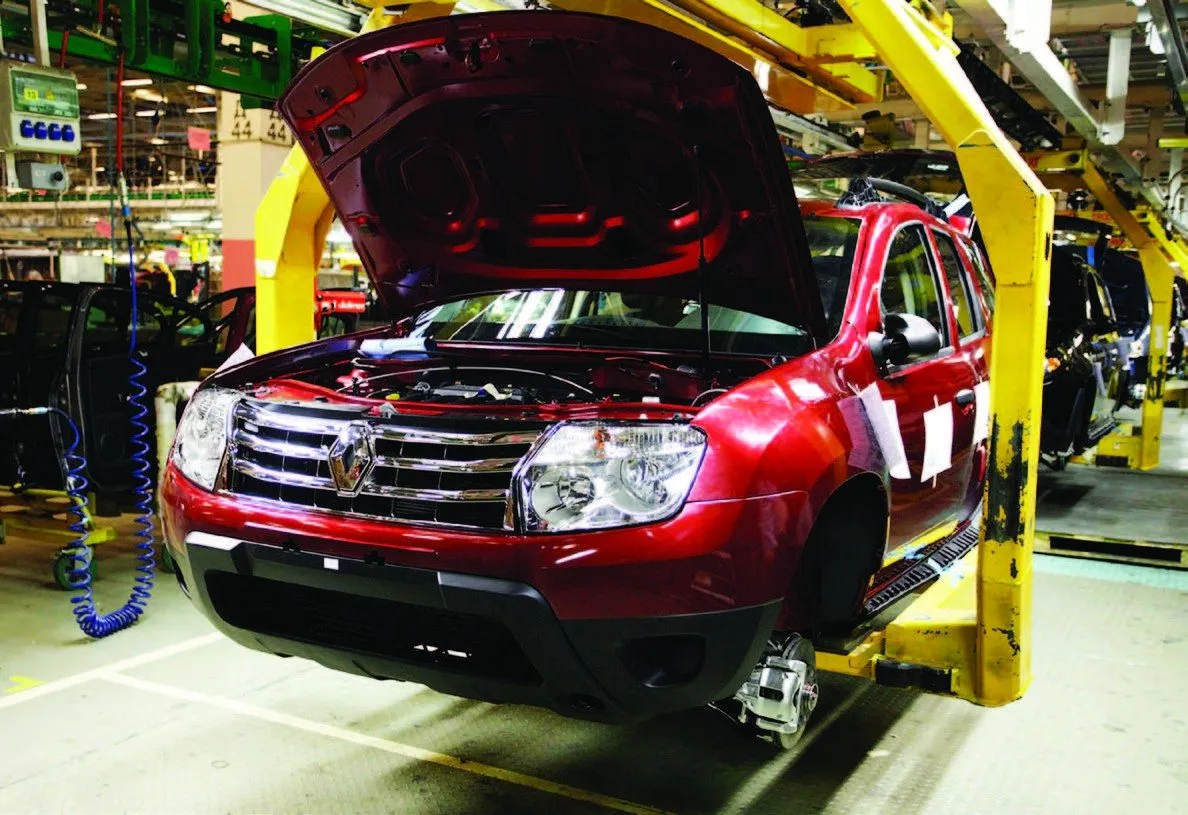
This practice of same cars under different badges continues to baffle many, including us. After all, how much of a difference can this bring to a car? The best example is the Renault-Nissan portfolio. Renault’s cosmetic upgrades of Nissan’s cars never really caught on and even though the two companies thought this would help establish both the brands, in reality neither gained anything. Due to this non-starter, the companies recently announced that they would not be sharing the same cars anymore. The price factor is an issue too, as Renault tries to add the luxury element while Nissan is more for the masses, but apart from perception, there is hardly any difference between the cars. Same thing happened to the Toyota iQ and the Aston Martin Cygnet — the latter being Aston Martin’s compact hatch was just an iQ with loads of luxury add-ons that costed double the moollah than the former. This ambitious plan was nothing short of harakiri for Aston Martin and they stopped Cygnet’s production last year. Do we need to say any more about this flop show?

Sharing same cars was once considered as a sensible move, but it has become Renault-Nissan India’s downfall and after identifying the problem, they have decided there will be no more sharing between the two. This will also help the two build separate identities.
Matters of the heart: what lies beneath
Money matters and if you can save it as well as rake in a profit then there’s no better formula for success. This is what Fiat has mastered by licensing out their 1.3-litre multi-jet diesel engine to different car companies like Maruti Suzuki, Chevrolet, Tata Motors and Premier. The versatility of this engine gives it an edge, as it provides ideal power for both hatchbacks and sedans. This practice is also followed by high-end car makers like Volkswagen who share their 2-litre diesel engine in Passat with Skoda Superb and Yeti and the Audi A4. No doubt the driving dynamics are different, but then does it justify a ₹10 lakh difference between a Superb and an A4? We’ll let you decide on that.
Fiat invented the 1.3 diesel engine, Maruti tuned it perfectly and made it a success while Tata is still trying to sell the idea of Vista.
Multiple vehicles on same platform
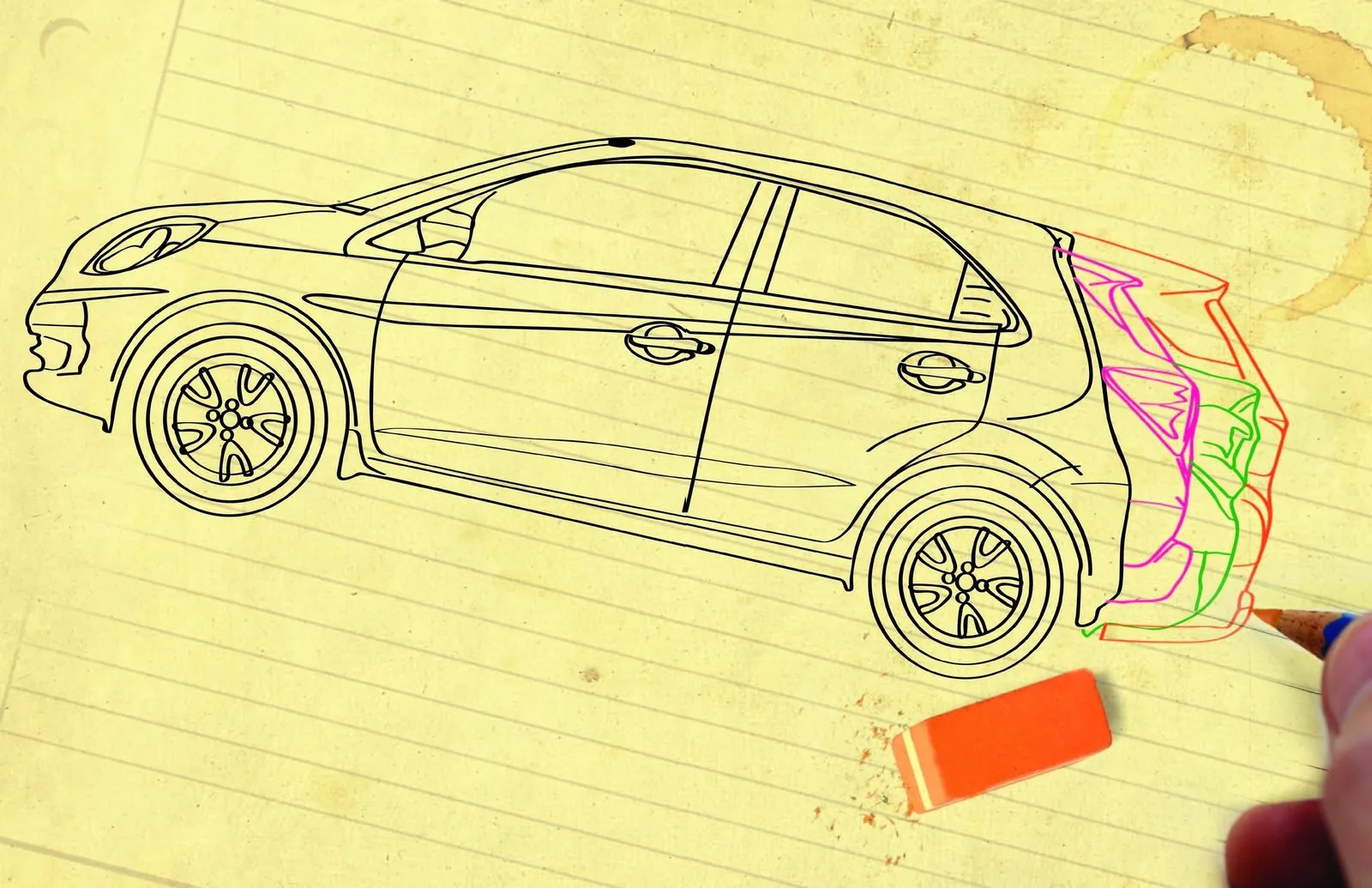
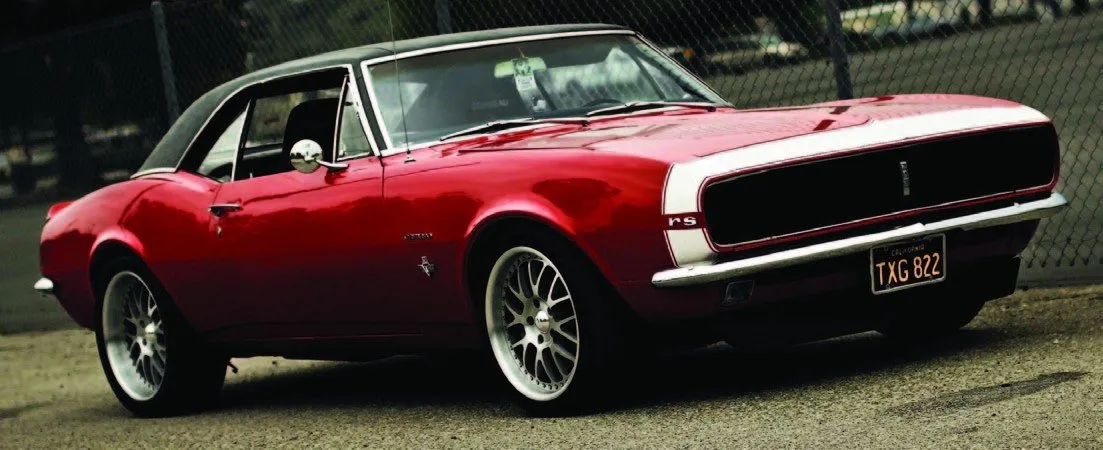
The notion is that carmakers have become so cost conscious that they build one platform and make different types of vehicle based on that. We hate to burst your bubble, but this was practiced even during “the good old days”. Muscle cars like the 1967 Chevrolet Camaro and the Pontiac Firebird had the same platform, but not many could point out their similarities. Another misconception is that if the base is same then the cars are identical, which is false. The Honda Brio platform reveals how a hatch can be built and then extended to get the Amaze and the soon to be launched multi-utility vehicle, Mobilo. This helps manufacturers save crores which makes cars more affordable.
The Brio platform is the mastermind behind Honda’s affordable portfolio like Brio, Amaze and the new MPV Mobilo. The SX-1 Crossover Concept is a 7-seater and comes with sliding doors. This compact vehicle’s production version will be powered by the 1.5-litre i-DTEC diesel engine.
Have we met before? You look familiar
There is a new school of thought that believes that a company should have a theme like Hyundai’s Fluidic design DNA. With Verna, Elantra, Sonata and Santa Fe receiving the same creases, it is difficult to identify cars. BMW was the champion in making each model stand apart, but now they follow Audi’s footsteps as well. But contrary to the trend, each car from Mercedes-Benz receives radical standout designs.
The fluidic design DNA is so prominent that the entire Hyundai portfolio resembles each other.
From the April 2014 issue of FHM India.
Spotted a mistake, or your photo used without permission? Report a correction











 in your inbox