
Curiosity Explained: NASA’s Mars Rover And The Cars Made For Space
A brief guide to the buzz around the Mars Science Laboratory, aka Curiosity – its laser, cameras, chemistry lab and plutonium power – plus eight other vehicles made for space.
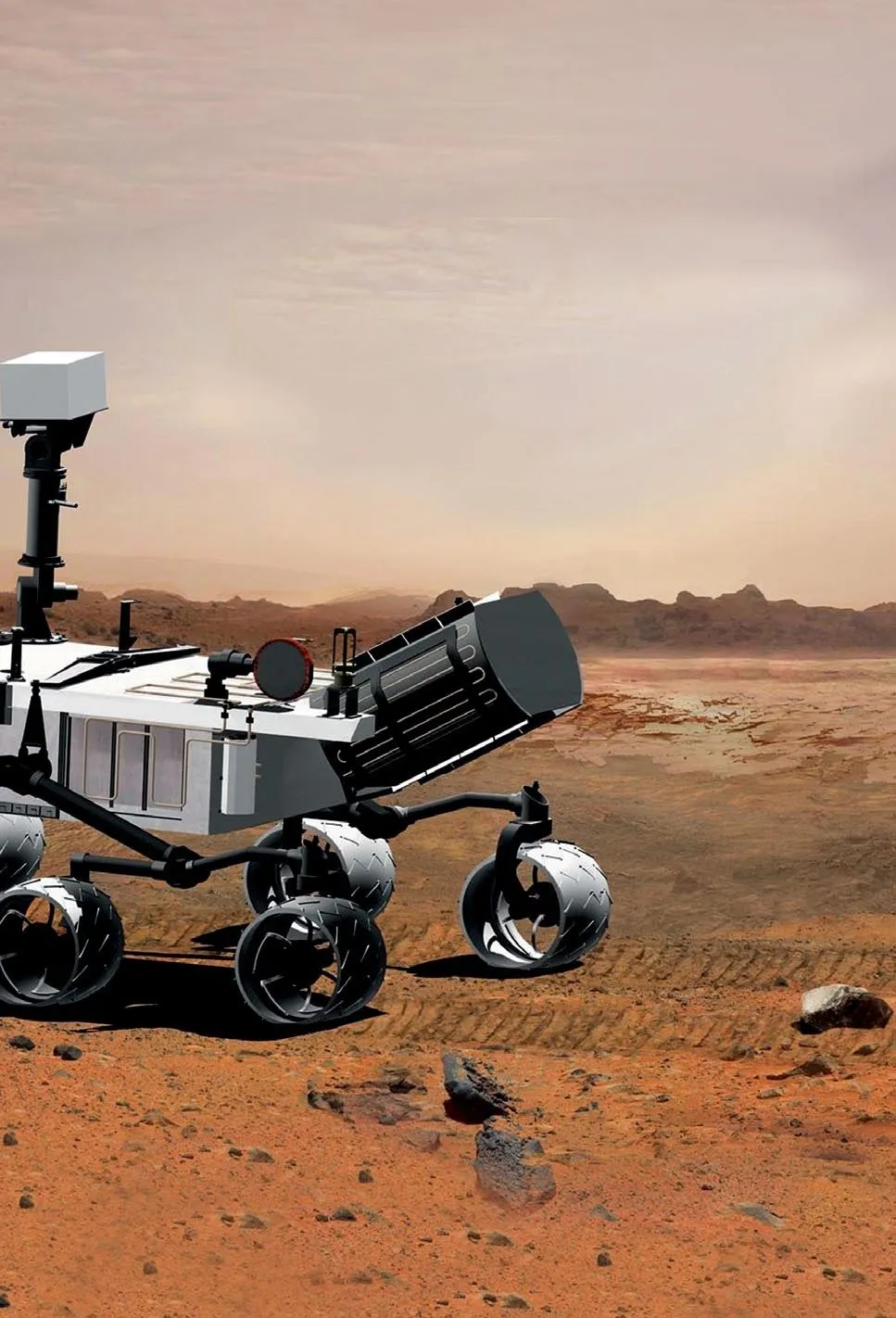



Here is a brief guide to the buzz around NASA’s most ambitious project – the Mars Science Laboratory, also known as Curiosity.
Curiosity vitals
- Budget: $2.5 billion
- Launched: Nov 2011
- Mass: 899 kgs
- Dimensions: 3 x 2.8 x 2.8 metres
- Distance travelled: 566 million kms
- Destination: Gale Crater, a five-kilometre high mountain that appears to be rich in minerals formed by the presence of water.
- Goal: To search for essential signs of life – carbon, nitrogen, phosphorus, sulphur and oxygen.
- What it can’t do: It’s not equipped to search for living or fossil microorganisms.
Curiosity explained
- Robotic arm: The robotic arms with power drills can investigate soil, rock and other substances below the surface.
- Laser: It can burn holes up to a depth of 25 feet and identify its chemical properties.
- Colour cameras: The two cameras on either side of the vehicle are equipped to click colour pictures and shoot 3D videos.
- UHF antenna: That’s the primary antenna that transmits information.
- Power service: The vehicle contains about 5kg of non-explosive plutonium-238 that can power the rover for at least 14 years.
- Neutron detector: It can detect water in soil.
- Radiation detector: Apart from measuring the usual radiation from the sun, it can also measure dangerous radiation on the surface.
- Weather station: Though the weather station worked properly initially, it hasn’t lived up to expectations.
- What you can’t see: Chemistry lab – Curiosity can sniff for the chemical building blocks of life. Mineral detector – using an X-ray beam on rocks and soil, it can identify their properties and mineral content.
Man fact: To land, Curiosity had to decelerate to a dead stop from 20,900 km/h in seven minutes.

Read FHM India in the digital libraryEvery issue, every shoot, on TCG Media.
What makes Curiosity better than earlier rovers Spirit and Opportunity?
- Better vitals: It’s 5 times heavier, twice as long, and has twice the number of scientific tools and is taller too.
- Can lift more weight: It can carry 10 times more payload than its previous cousins.
- Better power: The earlier rovers were solar powered, so they would stop working when dust covered the panels. Curiosity is nuclear powered, so it can go on without caring about dust.
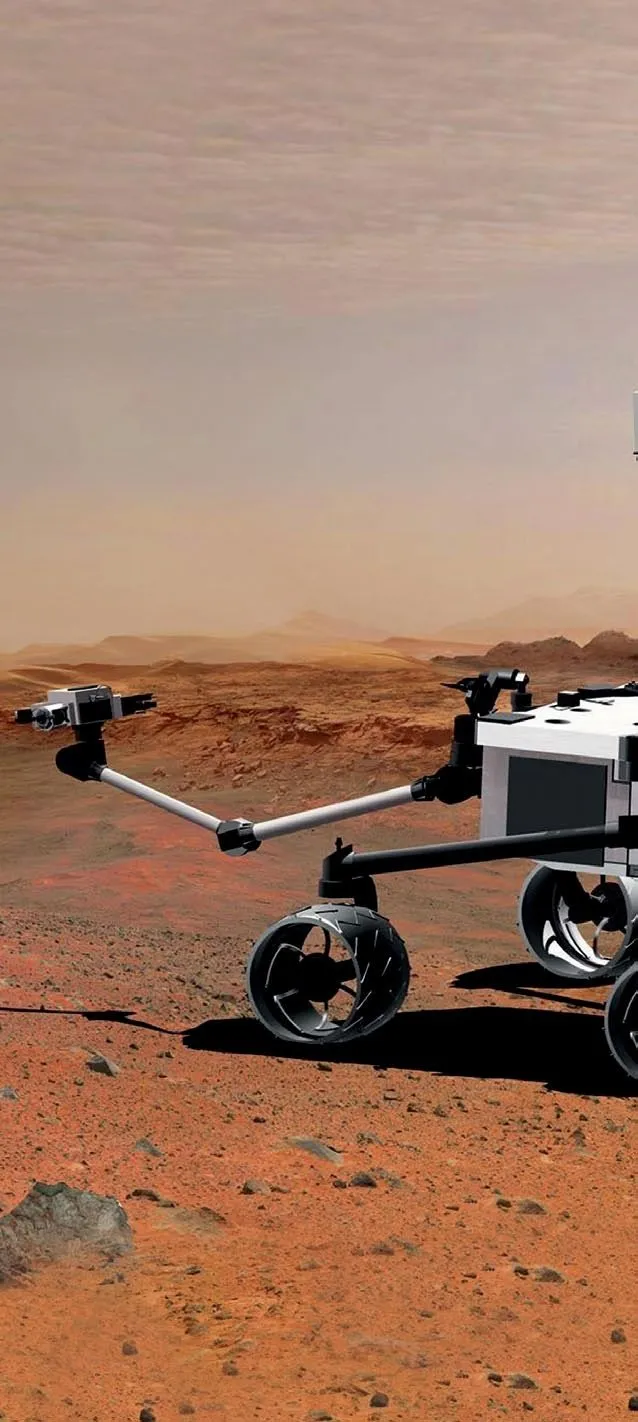
Few other cars made for space
Not each of them made it to space, but the effort was appreciated.
- Lama Russian Marsokhod Rover: It was built by VNII Transmach in Russia and was later bought by Alcatel Space Industries in 1995.
- Soviet Lunokhod-1 Moon rover: Launched by the Soviet Union, it was the first unmanned vehicle launched on the moon.
- Chinese Mars Rover Prototype: The 6-wheeled, 1.5 metres tall vehicle was expected to be launched this year.
- JPL Blue Rover Prototype (1987): It was used for Mars rover technology development in the late 1980s.
- Lunar Chariot: It was a two-ton truck with a top speed of 20 kilometres per hour that could double up as a bulldozer on other planets.
- Grumman LSS Rover (1963): The prototype is still on display at the Cradle of Aviation Museum on Long Island, New York.
- Rover prototypes for the Moon telescope: An astronaut and a geologist lived for 14 days inside this NASA prototype to test ride it.
- Orion lunar rover concept: It was being built by Lockheed Martin for NASA based on designs and tests of the now-cancelled Constellation program.
From the September 2012 issue of FHM India.
Follow FHM India
Spotted a mistake, or your photo used without permission? Report a correction








 in your inbox