
#FHMbucketlist: Take Up Shooting
Blackouts mean zombies and guns to shoot them, which makes shooting an essential skill. We went to an international-standard range in Delhi to find out how we’d fare.


Going by what we have seen and read so far, being able to use a gun accurately is by far the most important survival skill in a Zombie Apocalypse. Or winning Gold at an international shooting event, depending on your preferences. We have thing more for the former, though we do fancy ourselves as the latter. So we decided to see how well we would fare in either scenario and went straight to a firing range in Delhi recently. An international standard competition range no less.
Not like in the movies
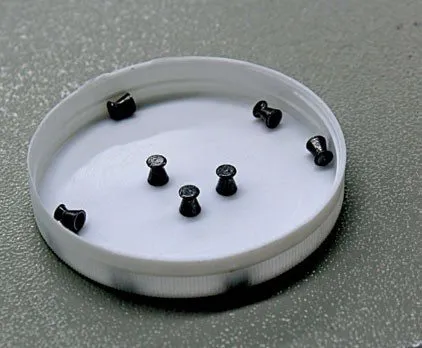
Our enthusiasm to fire quick bursts of lethal rounds was quickly quashed when we were told that we won’t be firing live rounds. And there won’t be an AK or an MP5 either. What a bummer! What we got instead was an air rifle and 4.5mm calibre lead pellets with a flat head design that are used in competitions. Same ones that Abhinav Bindra used to win the Gold at the 2008 Olympics and Jitu Rai used at the Asian Games this year. If it’s good enough for these guys, it’s good enough for us, we thought. To shoot these, we would be using a rifle that fires them at high sub-sonic speed using compressed gas.

We weren’t let loose on the range either. We had to sit through a five minute safety briefing that felt more like an hour; the coach frowning at us intermittently. In hindsight, saying “a zombie’s head” when asked where to point the rifle could have been the trigger. But in all seriousness, we can’t stress enough how important safety is at a range. What we learned was, when not in use the rifle should be kept pointing straight at the targets, on the table. Never should it be aimed up, down, left and right. When shooting, a stand is used to rest the rifle when inserting the pellet in the chamber, with the right hand index finger away from the trigger.
Method for our madness
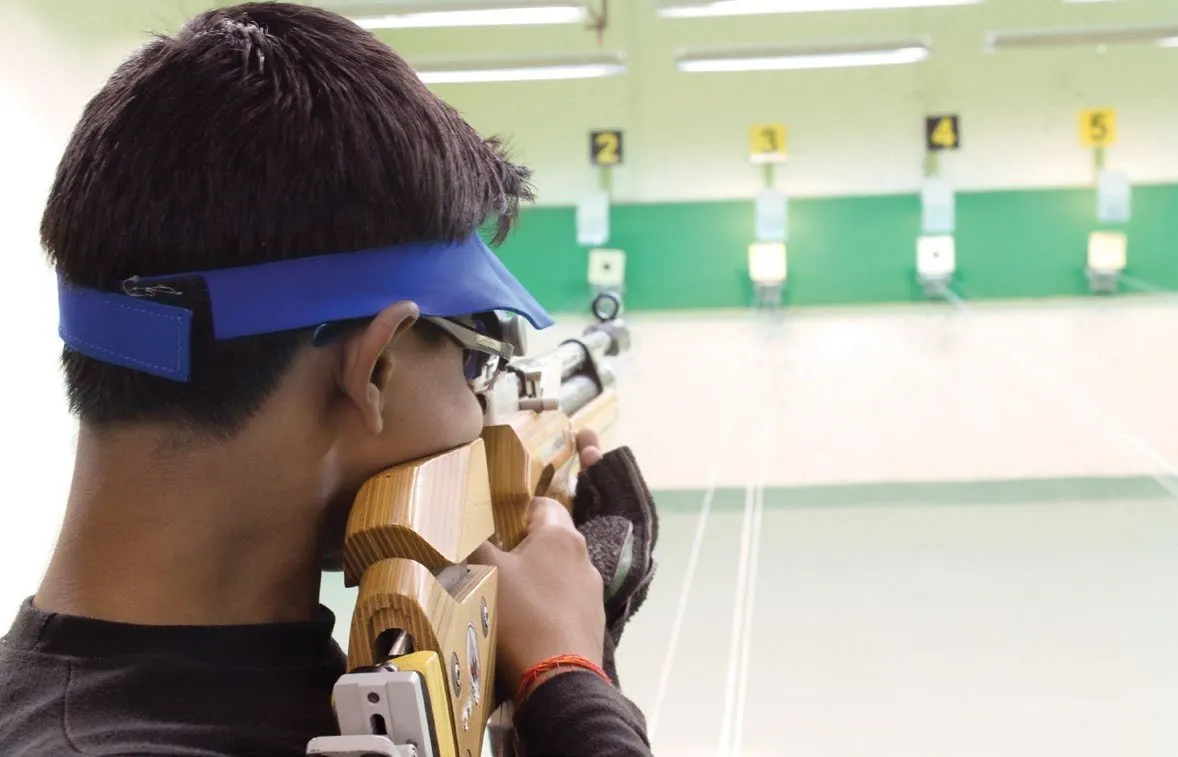
Which brings us to the shooting part. Did you know there’s a proper procedure to shooting a rifle? We didn’t either. You just can’t pick up a rifle and press the trigger. That rifle weighs in at five and a half kilos and has a weight distribution that will put a Bop Bag to shame. You just can’t hold it with one hand and shoot like you’re Sly Stallone. You stand facing perpendicular to the target, feet parallel to each other (or the toes of the right foot slightly out), shoulder width apart. Then with the right hand, you hold the rifle grip, pulling the butt plate between your biceps and shoulder with the elbow raised about 40 degrees. Leave the shoulder loose to better absorb the recoil.
Next you hold the ‘forearm’ under the barrel with your left hand to give the rifle more stability. The trick is to let the rifle rest easy on your left palm rather than holding it tight while the left elbow rests against your ribs. Take a deep breath in as you pick up the rifle and look through the rear sight, basically a hole not even a millimetre wide and rest your cheek on the adjustable cheek-piece. Line up the fore sight, aim at the target area 10 metres away and fire as you exhale slowly. In practice it’s even more difficult than it sounds.
The target
It’s a piece of square paper 95mm wide with a circular target area of 46mm diameter. There are a total of 9 concentric circles marked from 1 to 9 points. A dot in the middle of the smallest circle is worth 10 and we were told that competitors consistently hit the 10 mark. Since we were doing this for the first time, we were given a bigger target used for 10 metre pistol shooting.
Lining up the target for the first time is a bit wacky. You look through the rear sight, and though lining up the much bigger fore sight is easy, the thing keeps wandering all over the place. The harder we tried to hold it steady, the more wayward it became. Since the target is much farther away than the distance between the two sights, even small movements get exaggerated. Similar to what photographers experience when shooting with a telephoto lens. The idea though is to keep the centre of gravity of the rifle in line with the centre of gravity of the body. The trigger has to be pulled when the sights match the black circle on the target. How long you can see the three in a straight line and how steady you hold the rifle will determine how you score.

How did we fare?
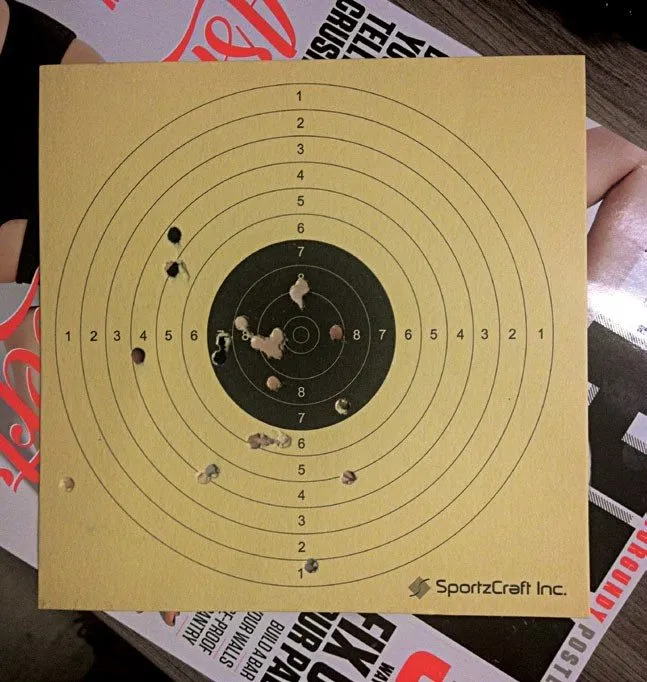
In one word, rubbish. Let’s just say the zombies can rest easy for now and so can Abhinav Bindra. After shooting 20 pellets at the larger target, we were given three pellets to shoot a smaller target. Post which we were given a summary of the things we were doing wrong. The list was too long so here’s the gist. First up, we were pressing the trigger too hard. Our breathing wasn’t calm enough and we were clutching at the rifle. To rub salt in our wounds, we were told that we needed to concentrate harder. That last bit explains why we can’t sit still for more than a minute. On the larger target we completely missed the black zone ten times. On the plus side, the ten times that we did manage to be within the zone we hit the 9 point mark five times. On the smaller target, the best we could manage was a five pointer. Oh and we have been given an estimate of six months to a year in which we may improve to a level where we will consistently hit the 10 pointer. Clearly we need a lot of practice.
Become an Olympic medallist
In shooting, the younger you start the better your chances are. There are three competition categories. Youth for ages 11 to 17, Junior for 18 to 21 year olds and Senior for the rest.
And while it may not be a field sport, one still has to look after the fitness levels. Holding the rifle for long periods puts strain on neck, shoulders, arms, wrists, legs and back. Stamina building exercises are recommended and warming up before shooting helps too. In fact our shoulder and arms were sore after just one round. For improved breathing, we were asked to walk up and down a flight of stairs and do yoga for improved concentration.
To compete in tournaments you have to register yourself with NRAI which will give you a Shooter ID and let you shoot in local and state level tournaments.
Getting enrolled for a shooting course won’t go amiss either. A basic course costs Rs 7,500 and includes 200 targets, 4 boxes of pellets (2,000 pellets) over 3 months and 42 classes. After this you can go for the advanced course which cost Rs 25,000 for 500 target papers and 5,000 pellets over a duration of six months.
Shooting isn’t cheap
Shooting isn’t an affordable sport. The rifle we used costs Rs 70,000. There are other more expensive brands like Alutec which start from Rs 1.30 lakh and Anatomic which cost upwards of Rs 2.40 lakh. Have more cash to spare? There are more expensive rifles out there.

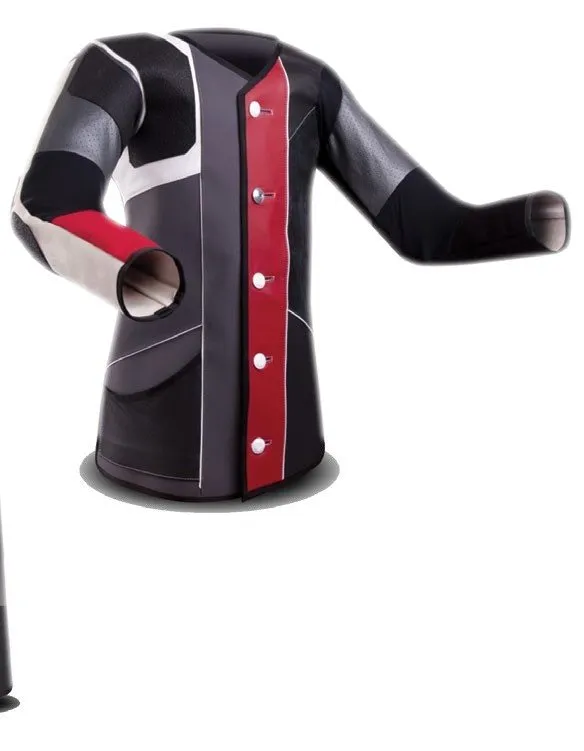
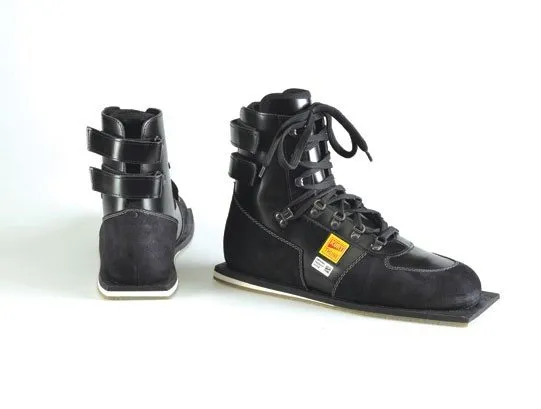
Then there is the specialised clothing that is required which helps improve the score by reducing body movement. It has to be customised for each shooter and starts from Rs 35,000 for youngsters and up to Rs 1 lakh for adults.
For beginners it’s best to pay for each session instead of spending money on the kit. We paid Rs 200 for a round of shooting 20 pellets.
The competition
- Rajyavardhan Rathore: Silver, 2004 Olympics
- Abhinav Bindra: Gold, 2008 Olympics
- Gagan Narang: Bronze, 2012 Olympics
- Jitu Rai: Gold, 2014 Asian Games
From the November 2014 issue of FHM India.
Spotted a mistake, or your photo used without permission? Report a correction



 in your inbox