
Focus On Your Breathing
Learning About Proper Techniques And Understanding The Active Role Of Breathing In Our Lives Is Extremely Important. Here Is Everything You Need To Know And Follow.



Exercise therapy for breathing is a specialized approach designed to enhance respiratory function and improve overall lung health. Therapeutic practices combine targeted exercises, and breathing technique to optimize breathing efficiency, increase lung capacity, and promote better respiratory control.
The primary goal of therapy for breathing is to empower individuals with respiratory conditions such as asthma, chronic obstructive pulmonary disease (COPD), or post-operative lung complications to regain control over their breathing patterns and enhance their quality of life. By engaging in specific exercises and breathing exercises, people can experience numerous benefits.

Not only it helps for breathing but also plays a crucial role in managing anxiety and promoting relaxation. By focusing on mindful breathing techniques, individuals can reduce stress levels, improve mental well-being, and cultivate a sense of calm. This aspect of therapy is particularly beneficial for those who experience anxiety-related breathlessness.
By engaging in specific exercises and breathing exercises, people can experience numerous benefits.
Education is an essential component of exercise therapy for breathing. Patients receive valuable information about their condition, learning about proper inhaler techniques, self-management strategies, and lifestyle modifications to support their respiratory health. By understanding their condition better, individuals can take an active role in their own care and make informed choices regarding their well-being.
Stomach Breathing
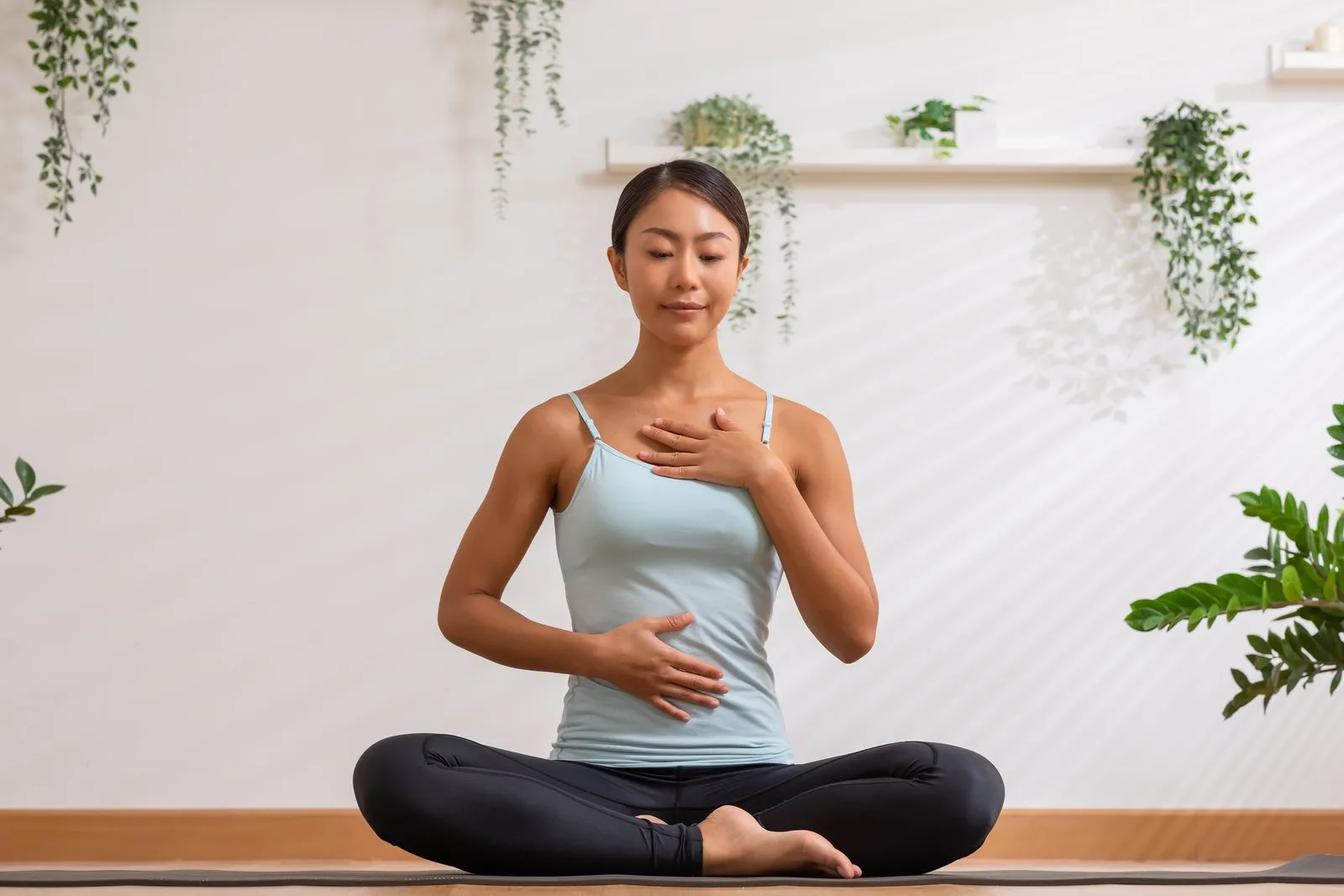
Medical institutes have claimed that 20 to 30 minutes a day of "belly breathing," often referred to as abdominal breathing will lessen anxiety and stress. Look for a peaceful, cosy spot to sit or lie down. Put one hand on your upper chest and the other on the area of your belly that is beneath your ribs. Allow your stomach to expand naturally rather than pushing it in by contracting your muscles. To relax, you can go for one of the many breathing exercises. The main objective is to switch from upper chest breathing to abdominal breathing.
Raise your ribs to widen your chest while relaxing in a chair. Your chest and abdomen should be covered by one hand each. Pay attention to how your upper chest and belly move when you breathe. Focus on your breathing and make an effort to slowly inhale and exhale through your nose. In order for the diaphragm to function more effectively with your abdomen rather than your chest, your upper chest and stomach should be still.
Stress and Breathing

The fundamental functions of breathing are to take in oxygen and release carbon dioxide through the expansion and contraction of the lungs. The diaphragm, a sheet of muscle under the lungs, and the muscles between the ribs are the muscles that regulate the movement of the lungs. Stress causes a person's breathing pattern to alter. In order to get air into and out of their lungs, anxious person typically takes tiny, shallow breaths instead of using their diaphragm. The balance of gases in the body is upset by this breathing pattern.
By escalating the physical signs of stress, shallow over-breathing, also known as hyperventilation, can prolong anxious sensations. Some of these symptoms can be made better by managing your breathing.
Mind Breathing

Focusing on your breathing and keeping your attention in the present moment without letting your thoughts wander to the past or the future are key components of mindfulness meditation. A similar result can be achieved by practising mindfulness breathing techniques, which can reduce anxiety.
Choosing a relaxing focus, such as the sound of ‘om’, a word of peace, or a phrase ‘breathe in calm, breathe out tension’ to repeat silently as you inhale or exhale, is one mindfulness breathing exercise to attempt. Relax and let go. If you become aware that your thoughts have left the present moment, take a deep breath and gently bring them back.
The 4-7-8 breathing
The goal of this breathing exercise is to ease the sleep. The 4-7-8 exercise, often known as the calming breath, acts as a natural nerve tranquillizer. To begin using the 4-7-8 technique, sit down with your back straight. Once you are comfortable with these procedures, you can also do the workout while resting in bed. The tissue ridge behind your upper front teeth is where the tip of your tongue should rest.
Make a ‘whoosh’ sound as you completely exhale through your mouth. As you mentally count to four, close your lips and take a slow, quiet breath through your nose.
For seven counts, hold your breath. Make another ‘whoosh’ sound while totally exhaling through your mouth, counting to eight.
From the May 2024 issue of FHM India.
Spotted a mistake, or your photo used without permission? Report a correction













 in your inbox