
Haryanvi Suplex
Padma Shri Bajrang Punia believes that it’s the soil of Haryana that gives birth to the state’s (and India’s) finest wrestlers. We grapple with him on the subject.
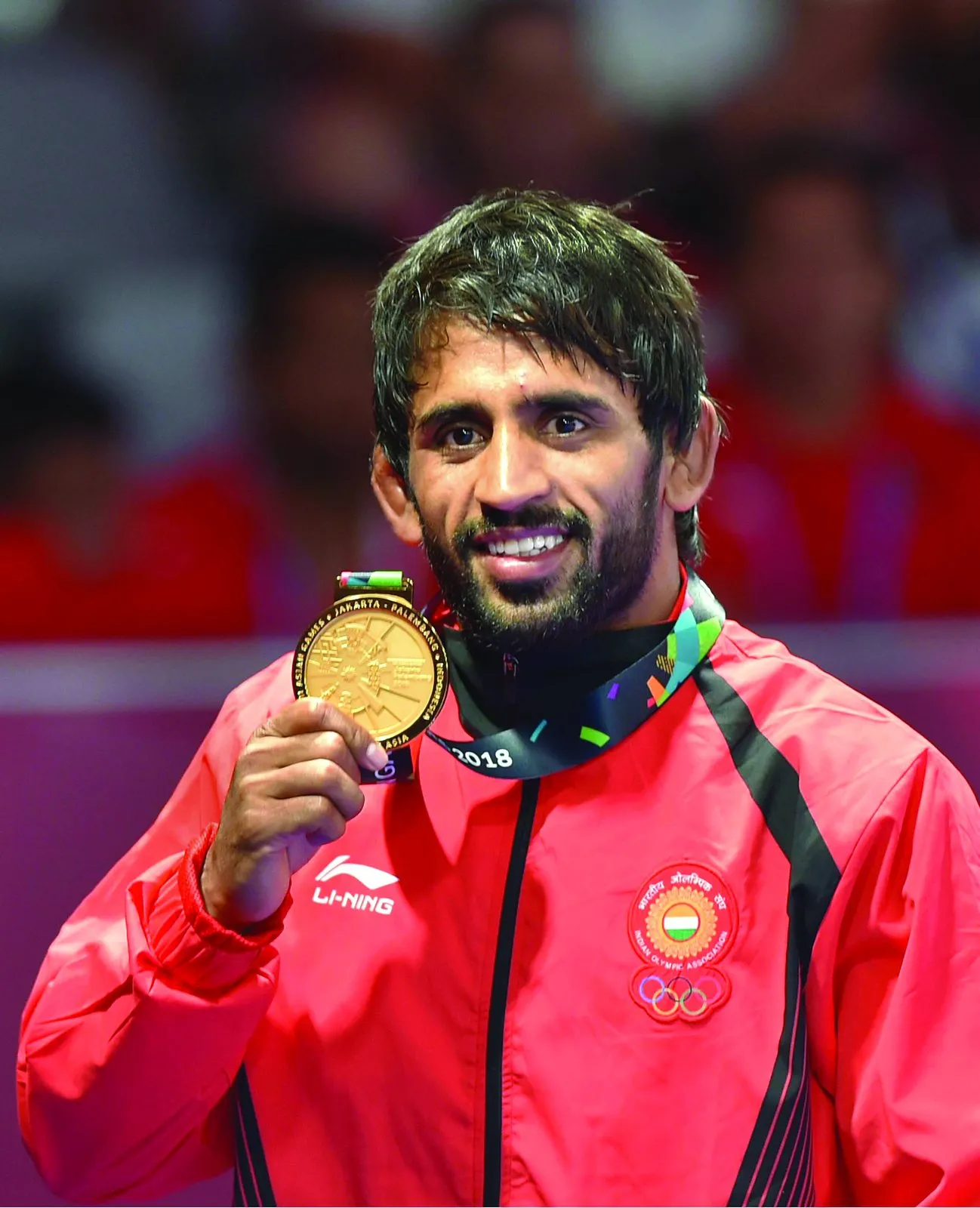


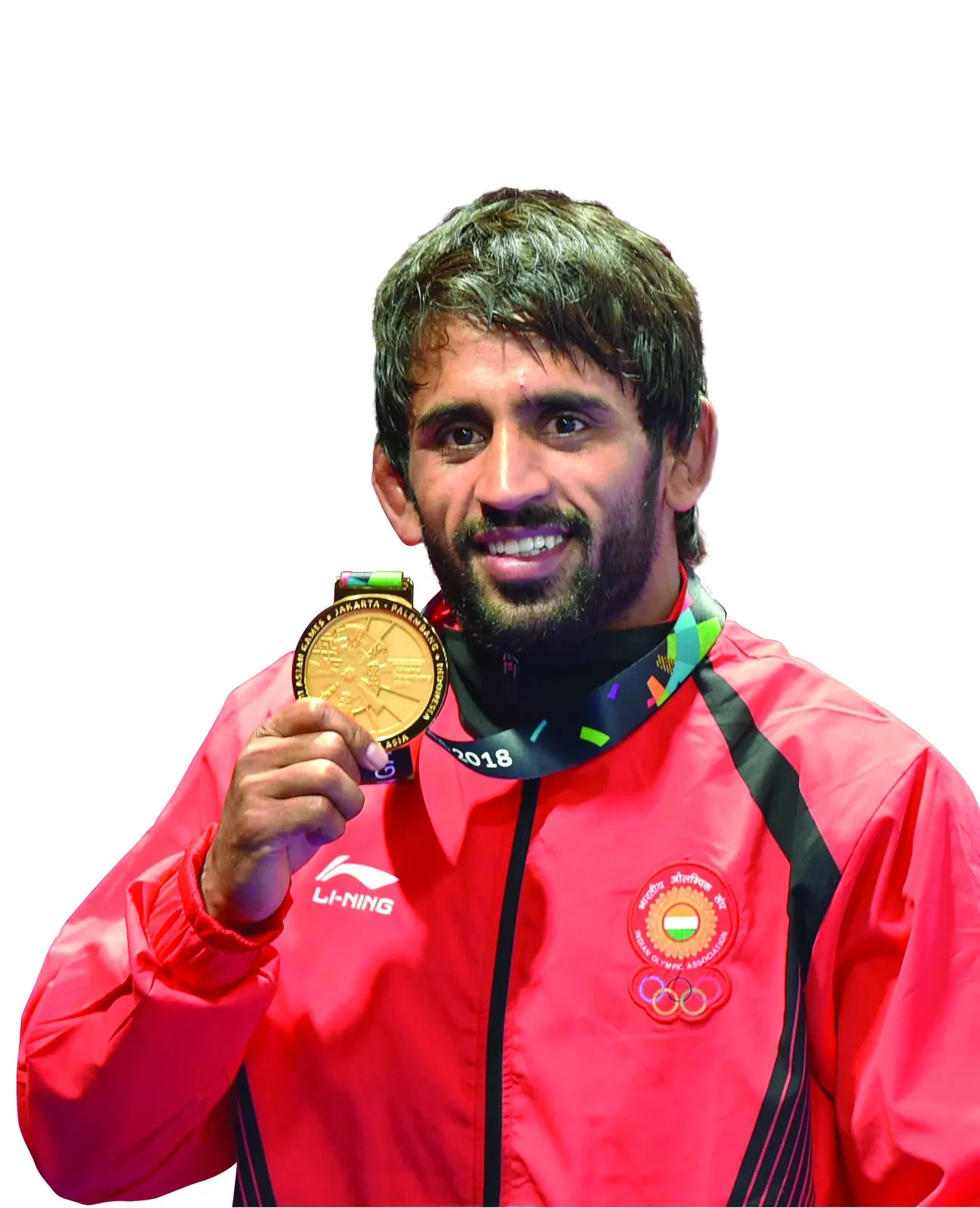
Tell us something about your journey so far. How and when did you start wrestling?
I started when I was seven. The environment in my village has always been very conducive for wrestling. I was never much into academics and would often skip school to go to the local akhara to participate in the mud dangals. My father used to be a wrestler as well, but had to give it up because of our family’s economic situation. He always wanted to see his children do well in this field, which helped as well.

How would you say that wrestling has evolved since the time you started practicing?
I think a lot of it has to be credited to Sushil Kumar and Yogeshwar Dutt and their performances at the Beijing and London Olympics. Their medals really helped in changing the impressions about the sport and wrestlers started gaining a lot of respect. Besides that, even for their fellow and junior wrestlers, they became role models and inspirations. Earlier, wrestlers used to go for international tournaments without much motivation and thought of them as fun trips, but after 2008, wrestlers started believing in their abilities to win medals at the international stage.
What is it about Haryana and wrestling that is so closely knit?
There is a famous saying about ‘Haryana ki mitti’ that I think is very true. Cricket and cricketers aren’t as popular in Haryana as wrestlers. You must’ve noticed that most wrestlers come from limited means. You don’t need to spend a lot of money to wrestle, all you need is a tunic and they can head out to the mud to play. Additionally, the popularity of the sport means that there are various competitions throughout the year in some village or the other, so there are always opportunities for athletes to compete.
How do you envision wrestling to grow in India?
A lot of great things are happening. The Wrestling Federation of India is the only national sports federation apart from the BCCI that hands out central contracts to athletes. There are a number of sponsors as well like JSW Sports and OGQ, from whom I have personally benefitted. The wrestling facilities at the Inspire Institute of Sport, for example, are akin to the best training facilities across the world.
Additionally, the government’s support through the Sport Authority of India is ensuring that wrestlers have the right kind of support to excel in their sport.
Did you ever breakdown during your training? Did you ever consider giving everything up and just quit?
I have been very lucky to always have a strong support system of friends and well-wishers to ensure that I never have such a breakdown. Usually as an athlete, the one thing that causes a lot of nervousness is when you suffer from an injury. That’s when you start doubting if ever you will be able to go out and do it again. With a strong support group, even that is easy to get over since they keep you surrounded with positive thoughts.
What do you make of Bollywood making films in sports?
Movies play a huge role in building awareness, because a lot of our sports are not easily accessible. Movies in India are very popular and are regularly played on television long after the release, so they do play an important role in making an impact. For instance, after Dangal released, people started recognizing Geeta and Babita, and women’s wrestling became more popular, which was a great outcome.
In the case of wrestling, most of our international competitions are not telecast on television and usually it’s difficult to find internet streams to watch them. If we get medals a few times a year, we come on the news and that’s about it. So for wrestling and wrestlers to be in the public eye, movies play an important role.
How do you train? What is the process like?
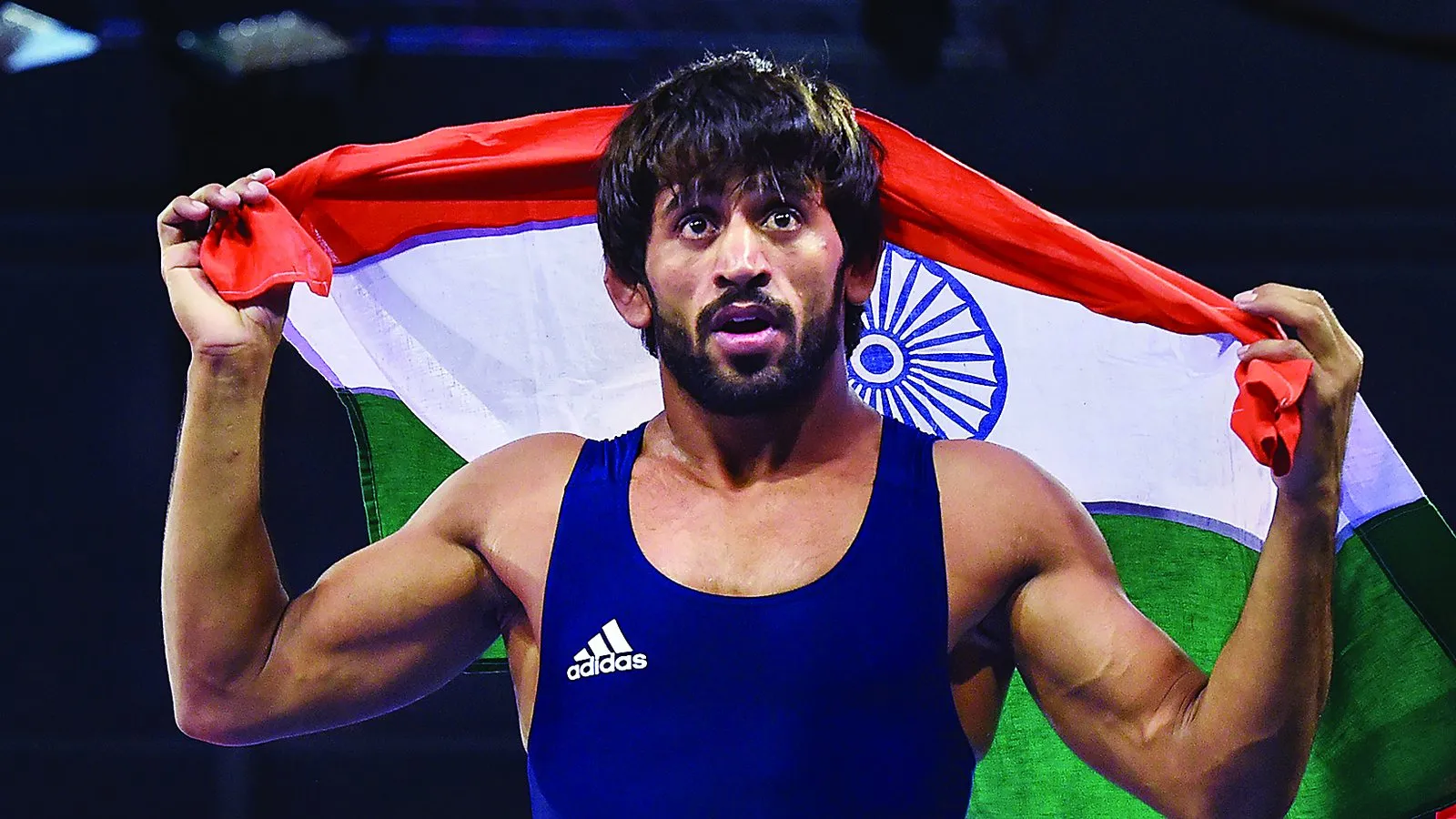
I mostly have a natural diet; vegetables don’t really bother me too much. The one thing I avoid is fast-food, but other than that, I have a fairly normal and regular diet. However, what we need to be extremely careful about is ingesting supplements that may have banned substances. We don’t always have doctors around us. Therefore, it is very important to be careful about what we take so that we don’t inadvertently consume something that affects our career in some way.
In terms of training, there’s no off-season in wrestling and one needs to be prepared for all eventualities. It is a sport that commands a lot from the body, and therefore, I train for everything from strength, flexibility and power to mental toughness and stamina. Each of these aspects can play an important role during a bout.
What would you change about your career as an athlete? Any moments that you regret?
Losing the bronze medal bout at the 2015 World Championships in Las Vegas was a hugely disappointing moment for me. Had I won, I would have been the first Indian to win two medals at the World Championships. At that time I was struggling with back pain and wasn’t in my best form. So I wasn’t particularly upset about the fact that I lost but the disappointment was more about the fact that I came so close to creating history and lost out.
As a sportsman, what do you fear the most?
Injuries can set you back quite a bit. The one thing an athlete is very fearful about is a major injury and I’m no different. I do take all measures to avoid it, but these things can never be predicted, and I always pray and do my best to ensure I can keep safe from any major injury
Quick Check
- The toughest opponent you have faced: Japan’s Takuto Otoguro
- One opponent you enjoyed wrestling against: Azerbaijan’s Haji Aliyev
- An actor who should play Bajrang Punia in your biopic: Ranveer Singh
- Your most cherished win: My first World Championship medal in 2013
From the June 2019 issue of FHM India.
Spotted a mistake, or your photo used without permission? Report a correction









 in your inbox