
India's electric car sales cross 3 lakh in a year for the first time – Tata, Mahindra and MG lead
Indians have bought more than three lakh electric cars in 2026 so far – a first for any calendar year – with Tata, Mahindra and JSW MG Motor taking the top three spots.



The electric car has officially gone mainstream in India. Retail registrations of electric passenger vehicles have crossed 3 lakh units in a single calendar year for the first time, with 3,04,701 sold between 1 January and 9 November 2026, according to Autocar India's analysis of the government's Vahan registration data. That is 66% more than the same period last year – and already well past the whole of 2025, which closed at about 1.96 lakh.
Industry watchers saw this coming: a Frost & Sullivan report cited by the government-backed India Brand Equity Foundation in June predicted 2026 would be the first year above three lakh. It got there with seven weeks to spare.

The monthly story
The momentum has been steady rather than sudden. June was the first month to cross 30,000 electric car sales, and every month since has stayed above that mark. Dealer body FADA's October figures show 37,049 electric cars sold in the month, with EVs taking 7.3% of all passenger vehicle retail – more than double their share a year earlier.
Who is winning
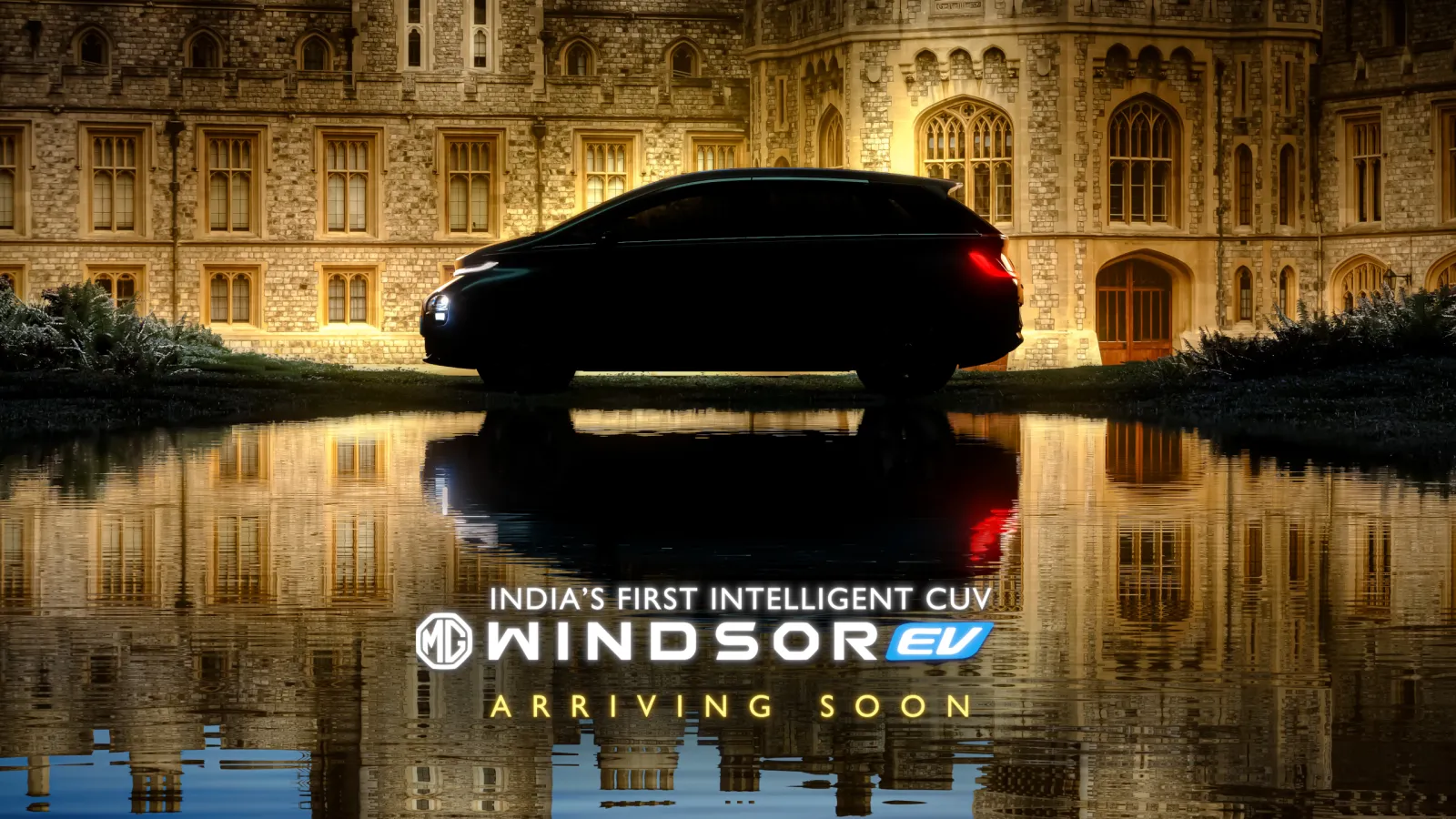
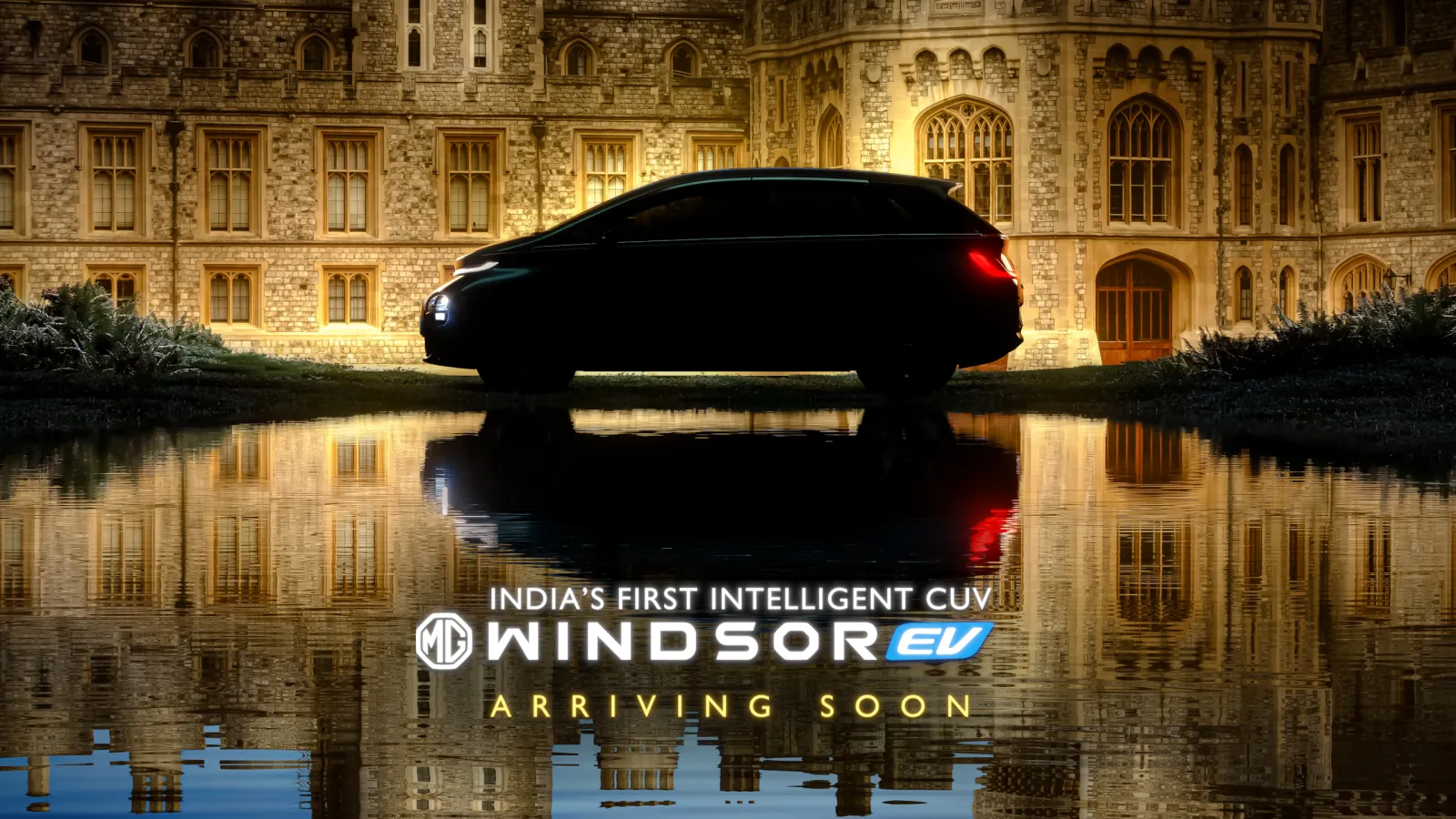
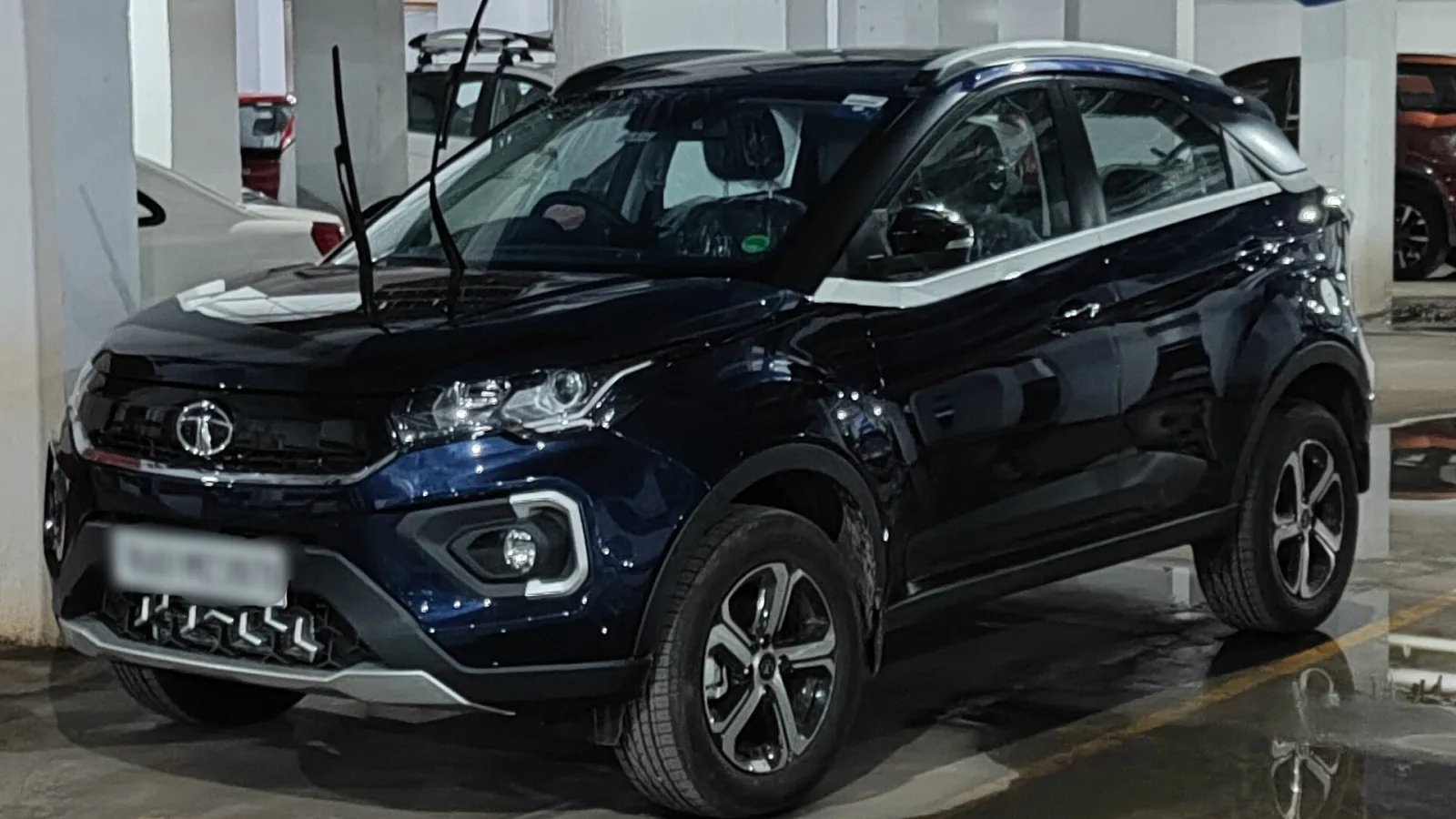
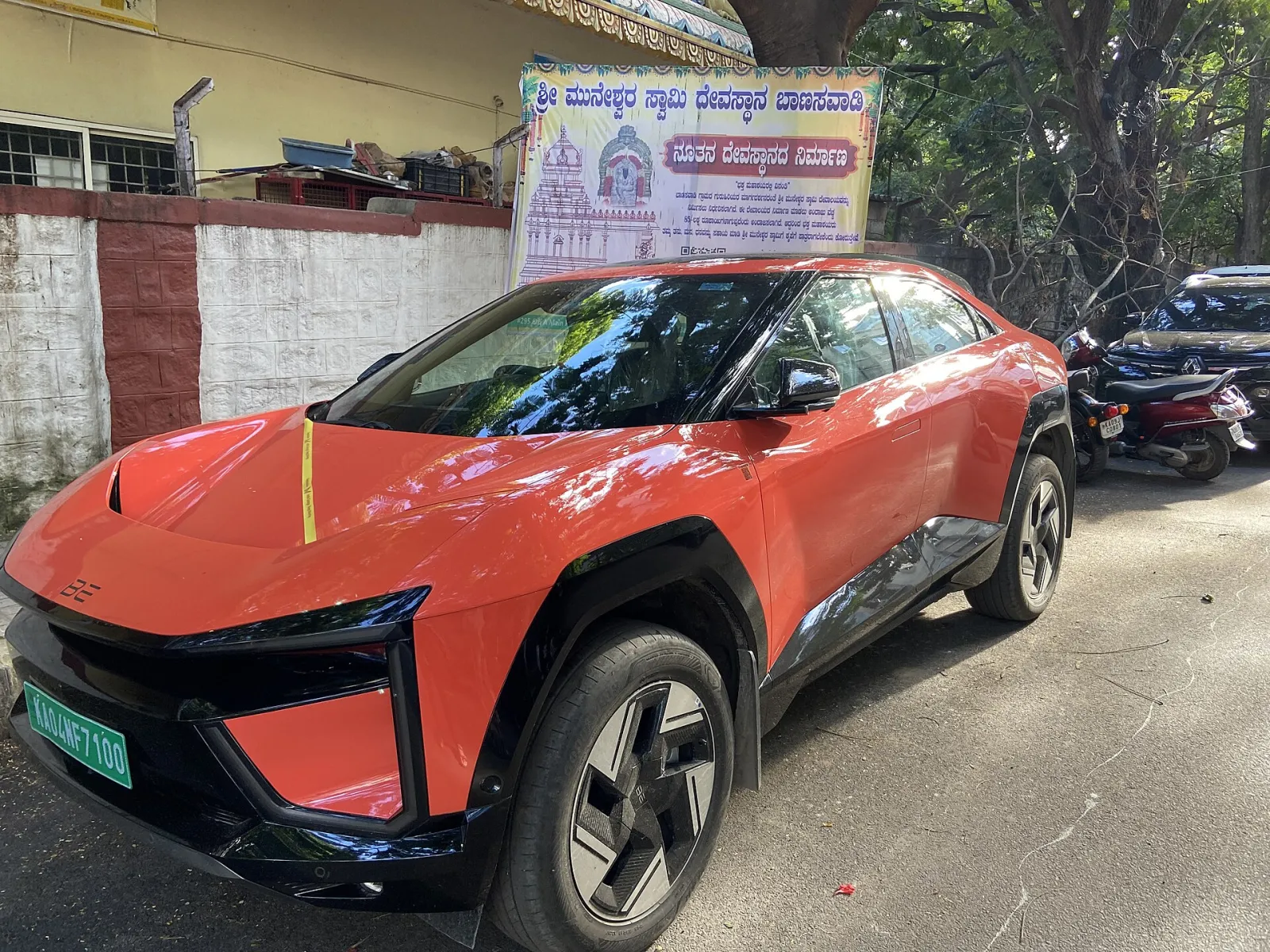
Tata Motors remains the brand to beat, with 1,20,895 electric cars this year and nearly 40% of the market; the Nexon EV is its top seller, with the Punch EV and Tiago EV also pulling their weight. Mahindra is a strong second with 69,660 units on the back of its BE 6 and XEV 9e family, and JSW MG Motor is third with 56,988, led by the Windsor EV. FADA's October table has the same top three, in the same order.
Further down, VinFast has climbed to fourth barely 15 months after entering India, Maruti Suzuki has sold more than 12,000 e-Vitaras, and Kia, BYD and Hyundai follow. In luxury, BMW leads with 4,273 units, ahead of Mercedes-Benz and Tesla.
What it means if you are buying
More buyers mean more choice and, slowly, more chargers. If you are weighing your first EV, the big three are where the service networks are deepest – handy when you are outside the metros. Expect sharper deals as newer brands chase volume, but check what the warranty covers on the battery before you sign, and work out where you will charge at home or at work; that matters more than a few extra kilometres of claimed range.
Remember too that these are registration figures, not the full picture of who is shopping. Plenty of families now shortlist an EV alongside a petrol or CNG car, and the gap in sticker price keeps narrowing as more models arrive under ₹15 lakh.
The FHM take
Three lakh is still a small slice of what India buys every year, so nobody is burying the petrol engine just yet. But the direction is clear, and it is being driven by Indian brands – Tata and Mahindra together sell more than six in ten electric cars. That is a rare case of India setting its own pace rather than following one. The next test is chargers on the highway, not sales in the showroom.
Spotted a mistake, or your photo used without permission? Report a correction









 in your inbox