
India's Toughest Treks
It’s time to move your butt people, because just playing the video games we feature and the cars we want you to drive won’t give you the rush that tackling a trekking terrain would. Read on to know more.
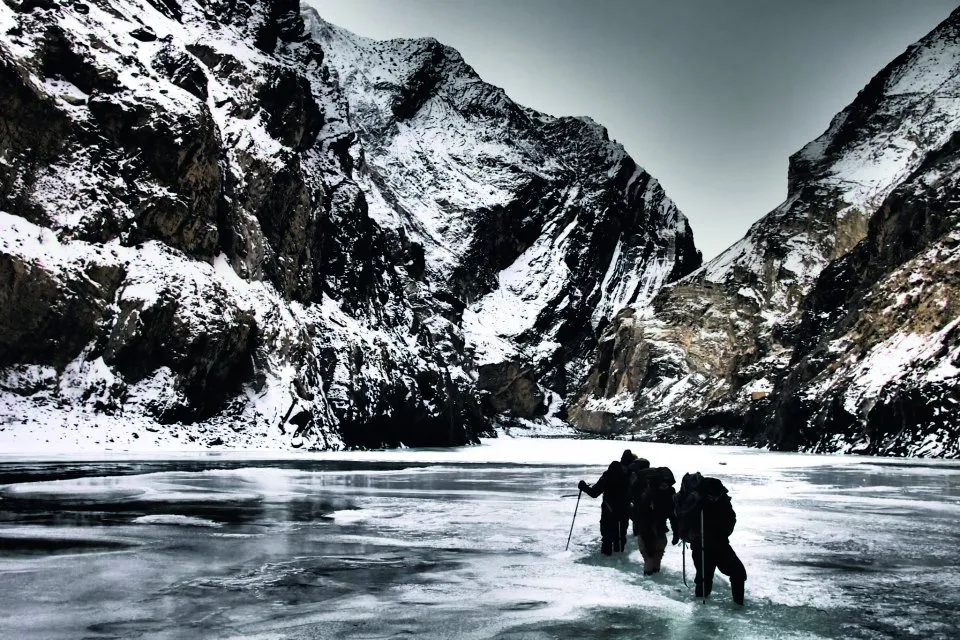



Kalindi Khal Trek (difficult)
Area: Garhwal, Uttarakhand
Season: Mid July to Mid August

Altitude: 19578 ft
It doesn't matter if you have always chosen stairs over lifts, you will still find this popular, but treacherous, terrain too tough to handle. Only those people who have earlier done high altitude trekking should consider this 100 km-long route that lets you cover Garhwal from the Bhagirathi Valley to the Alaknanda Valley. On the way, it takes you through Gangotri, Nandavan, Vasukital, Kalindikhal Pass, Arwatal and to the village on the Chinese frontier, Mana. The trek ends at Badrinath temple. Also, this is a pretty expensive trek because of the duration of the expedition and the extensive logistics needed.
Package cost: ₹1,05,000
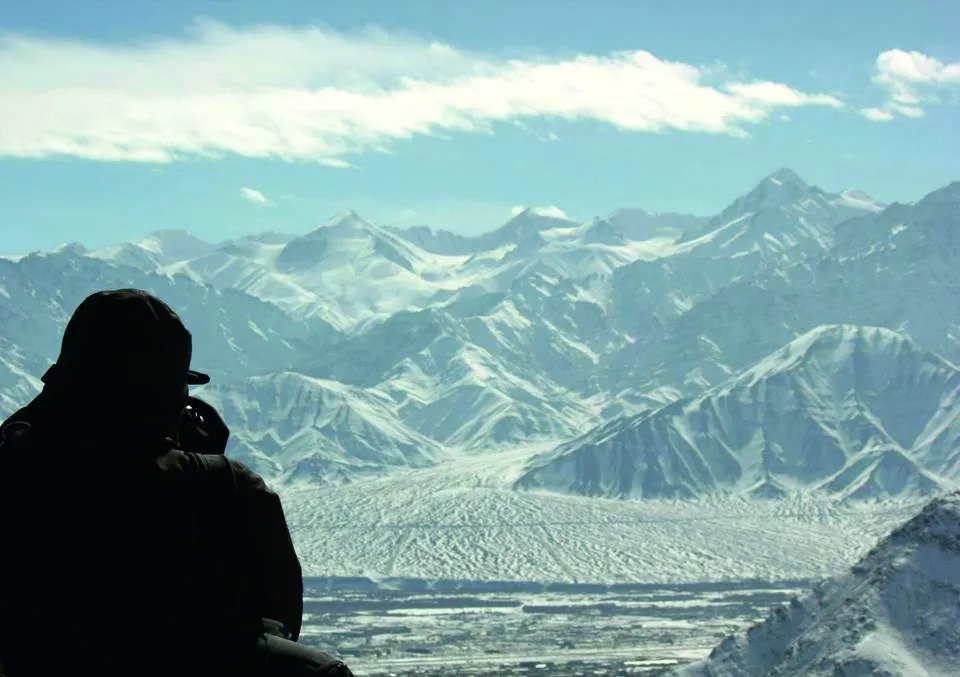
Treks that require technical equipment and are above 16000 feet are mostly difficult.
Key to complete this trek
1. Fitness: If you are not fit, don't do it. You know your body, and only if you are sure that you can take this high altitude route where fatality rates are really high, then only you should opt for this trek.
2. Permissions required: Ask your trek guide to take ll the necessary permission because considering the fatality rates, the authorities shy from granting permissions to let people go on this route. You will need permissions from forest departments. Carry identity proofs, photographs and medical certificates.
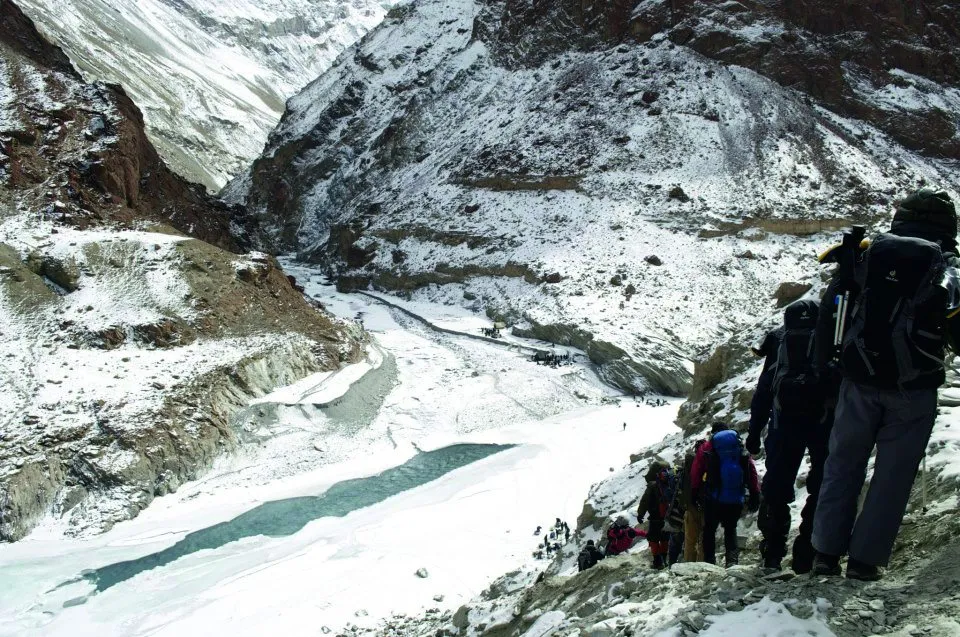
Be courageous: Once you are in mountains, anything can happen. The ground can sink, the ice on the mountains could slide and the weather have unexpected turns, so only if you have the balls of steel to face death-like situations, then try it, otherwise sit and home.
Nagtibba Trek (moderate)
Area: Garhwal, Uttarakhand
Season: Round the year
Altitude: 3048 meters

This trek offers stunning view of the Himalayan countryside. While this route is a sort of play ground for people who are used to off tougher treks, it's not that easy for beginners because of the simple reason that it involves around six to seven hours of daily walking. It's best explored during winters when most of the mountains of the Himalayan range that you get to see on this route are snow laden. Plus, the chill in the weather helps you save the energy needed to explore the temples and typical Garhwali villages en route.
Valley of Flowers, Uttarakhand (easy)
Area: Uttarakhand
Season: Round the year
It's like one of those family treks, easy and engaging. If you believe that nature is what makes the world beautiful, this is the trek you should be opting for because at no other place in the world your eyes will meet such a vast spread of beautiful wild flowers. While some people say that the smell of flowers have made them unconscious, the claim should be taken with a pinch of salt. Though people embark on this route round the year, July and August are considered the best time to check out on the flowers. Expect some rains on the route.

MANFACT: The valley was rediscovered by three British mountaineers Frank S. Smythe, Eric Shipton and RL Holdsworth long after it became inaccessible.
Khangchendzonga Range Trek (moderate)
Sikkim is a haven for trekking fanatics, and amongst the various popular treks, the one that remains the most popular is the Khangchendzonga Range Trek, which passes through the foot of Mt. Kangchenjunga, the third highest peak in the world. You get the most astounding view of the Himalayas from Dzongri and Gochila. Most of the treks start at Yoksum or Bagdogra and end at Goecha La, and on the way, you get to spot glaciers, yaks and three different tribes that are peculiar to this region - Lephcas, Nepalese and Bhutias. The trek assures great flora fauna and alpine camping experience.
Koch Fort Trek (moderate to difficult)
Area: Wagheta, Thane, Maharashtra
Located near the small town of Wada, this trekking starts near the Vaitarna dam. First, you will have to walk for about two kilomoters on a rocky strech which will take you to the tip of a mountain which looks like the entrance of a jungle. It's from here that you get a panoromic view of the fort and of the jungle around. It's a steep walk of around three hours and a partly submerged and largely damaged fort of Shivaji is the end point.
Rajamachi Fort Treks (easy to moderate)
Area: Tansa Lake, Naneghat, Maharashtra
Season: Monsoon
There are more than one routes you can opt for while trying this trek, and depending upon which route that you take, your duration could be anything between six to seven hours. You get to walk through dense foliage and spot several seasonal waterfalls. All the treks end at Udhivade,a small village in Rajmachi, and from here it takes another half an hour to clim the twin forts of Shrivardhan and Manoranjan.
Chadar Trek (tough)
Season: Winter
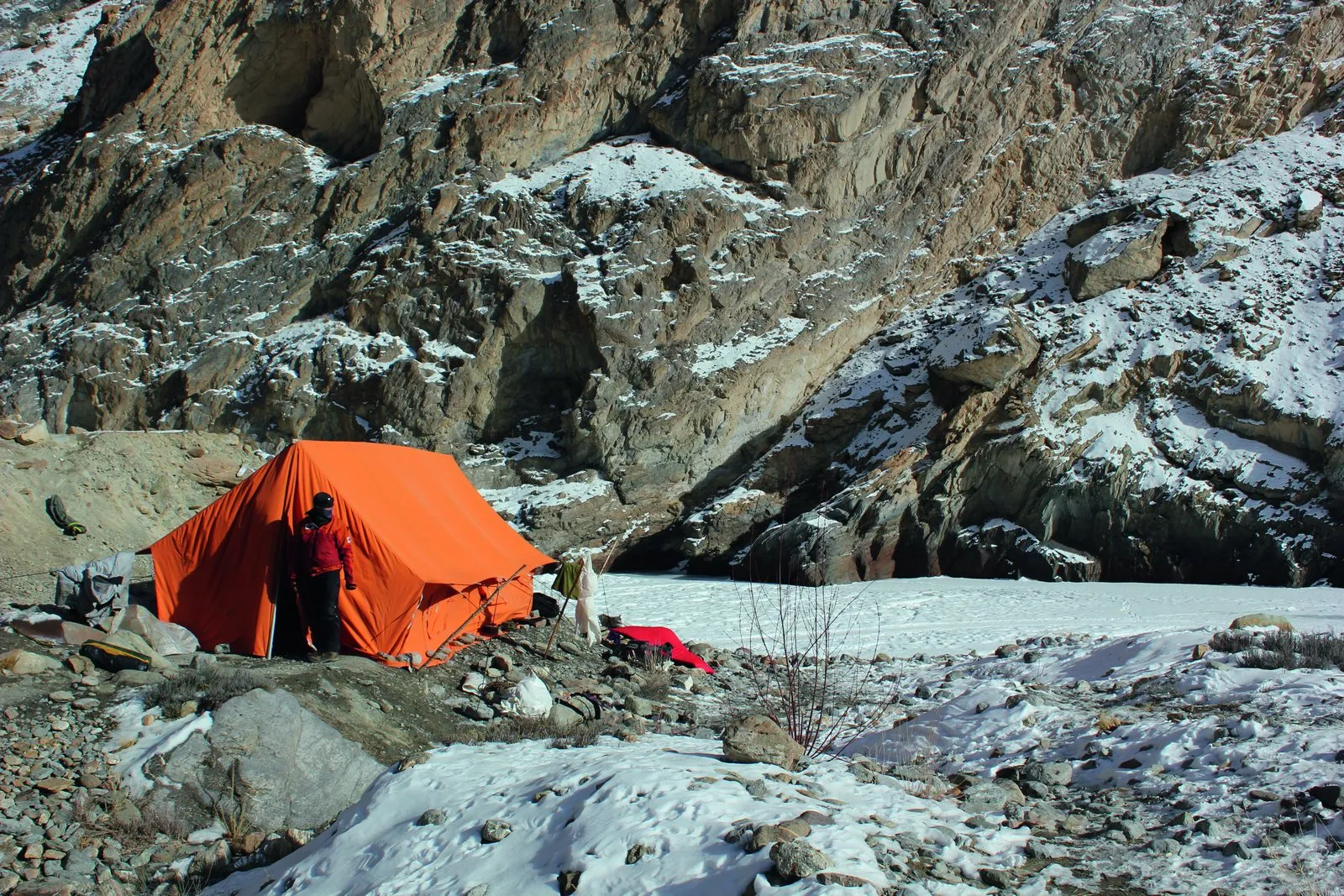
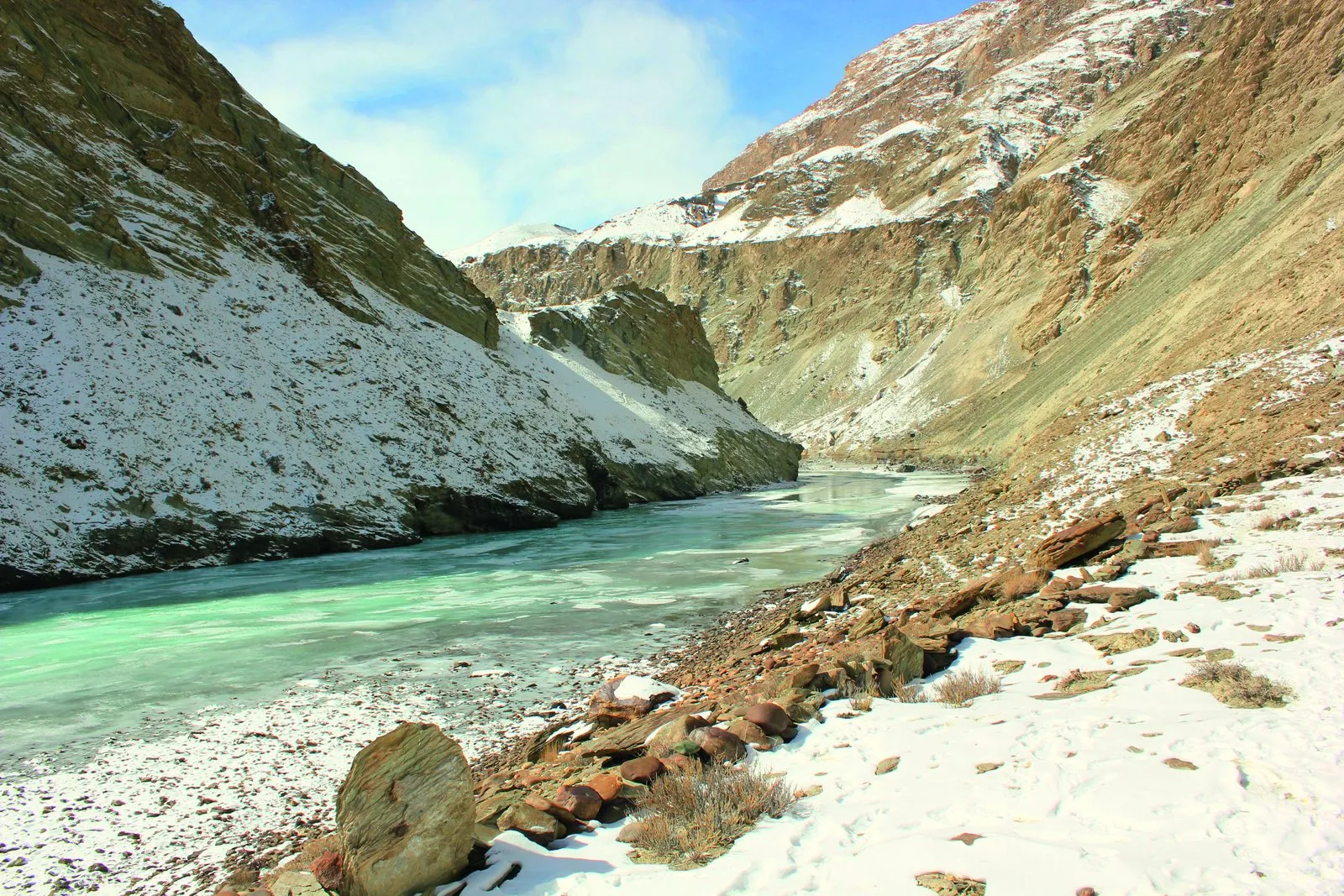
While the picture says it all, just imagine how challenging and eduring it would be to walk on a frozen river for 8-10 days. This trek is done on the frozen Zanskar river, which is the only link between the people of Zanskar and the outside world when the passes are shut considering the freezing temperature, which could be close to -30 at times. On the way, you get to see, monasteries and villages that are completely cut from the rest of the world. In a way, you het to trek in to the past.
Package cost: ₹19,800
Book in advance: Since the roads are closed during the winters, you will have to first come down to Delhi, and fly to Leh, the starting point of this trek, so the earlier you book tickets, the better deals you get. Bookings are mostly closed two months in advance.
Rough itinerary
Day 1: Fly to Leh
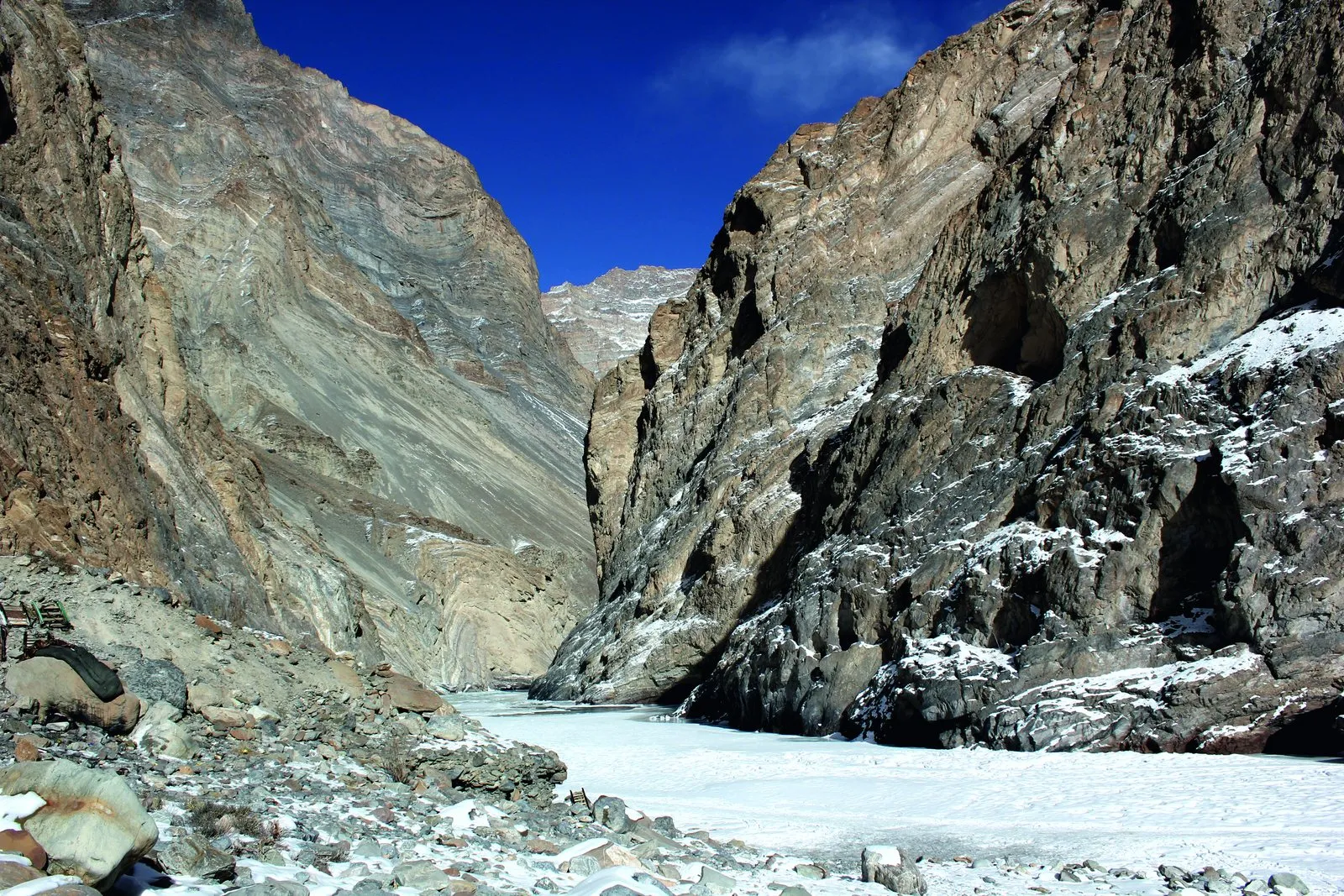
Day 2: Drive to Chilling, which will take roughly three hours, and then trek down for two kilometers to Tilad Do Camp, which will take another hour.
Day 3: Trek down to Gyalpo Camp which is nine kilometers away and takes six hours to cover.
Day 4: An eight hour walk will take you to your next destination Dib Cave.
Day 5: From Dib Cave, you trek to Naerak Camp, a distance of 10 kilometers that will take seven hours.
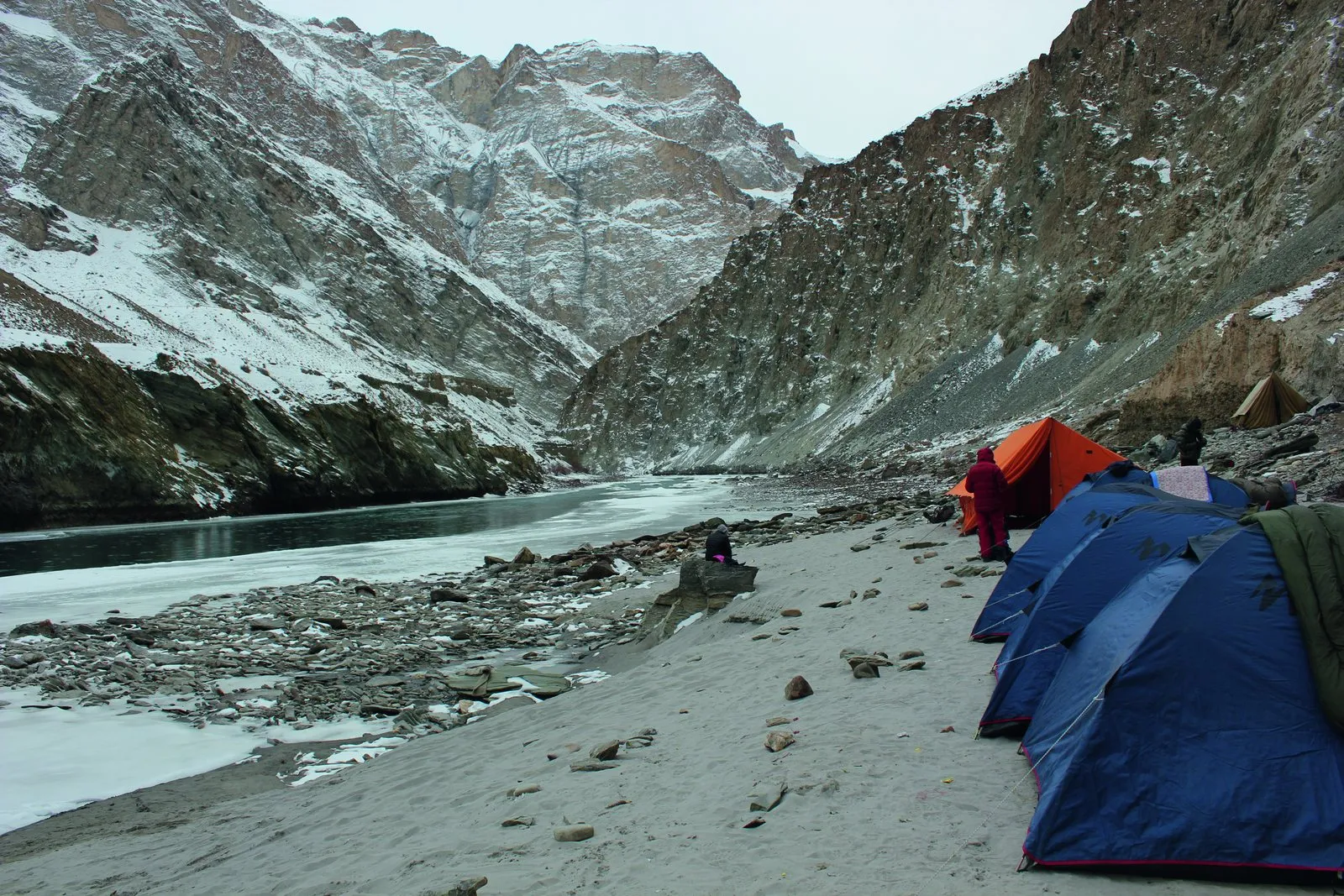
Day 6: Naerak to Tibb.
Day 7: Tibb to Shingrakoma.
Day 8: Shingra Koma to Chilling.
Day 9: Drive back to Leh
Day 10: Fly back to Delhi
From the April 2013 issue of FHM India.
Spotted a mistake, or your photo used without permission? Report a correction












 in your inbox