
Look What I Made: Nic Radford, Humanoid Robot Inventor
Real Steel's robot boxers are out now. But what is a humanoid robot, and when can we get one? The deputy project manager of NASA's Robonaut 2 explains all, plus a timeline of humanoids from Hero of Alexandria to Asimo.
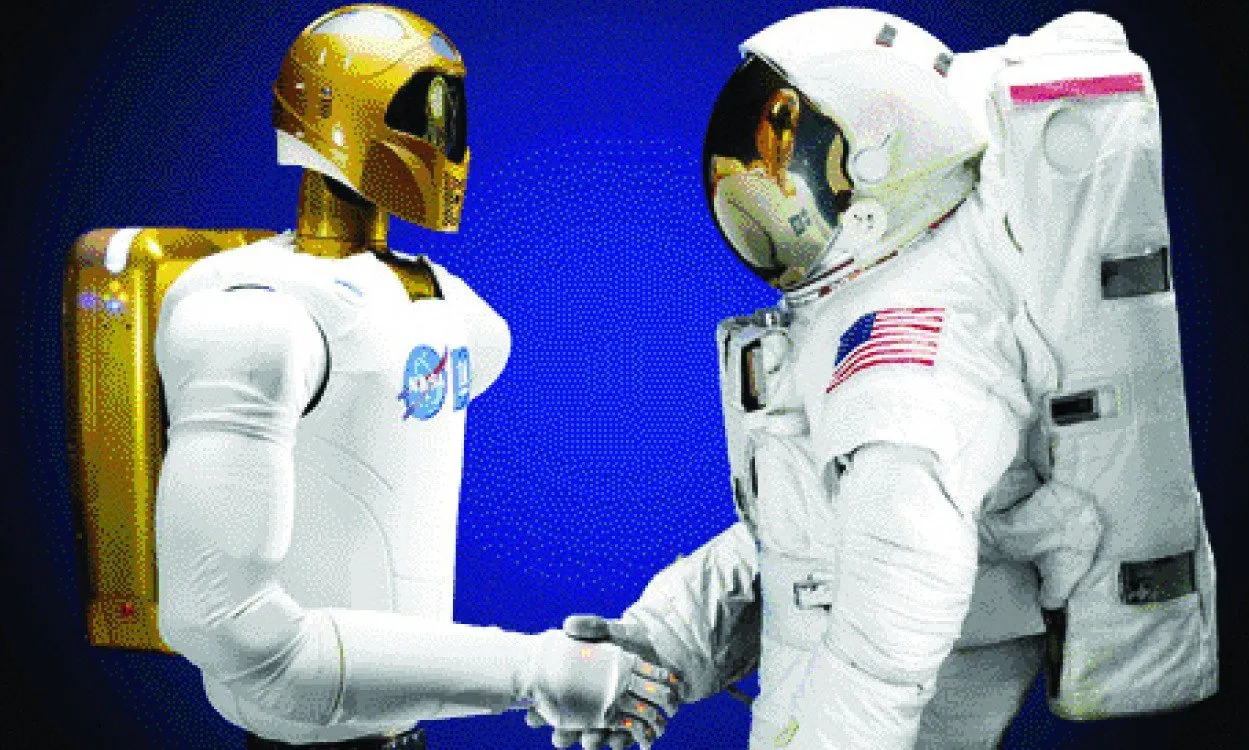



Real Steel – the awesome boxing movie starring Hugh Jackman and Olga Fonda where huge robots battle – is out now. But what is a humanoid robot and when can we get one? Deputy project manager of NASA’s Robonaut 2 project explains all…
What exactly is a humanoid robot?

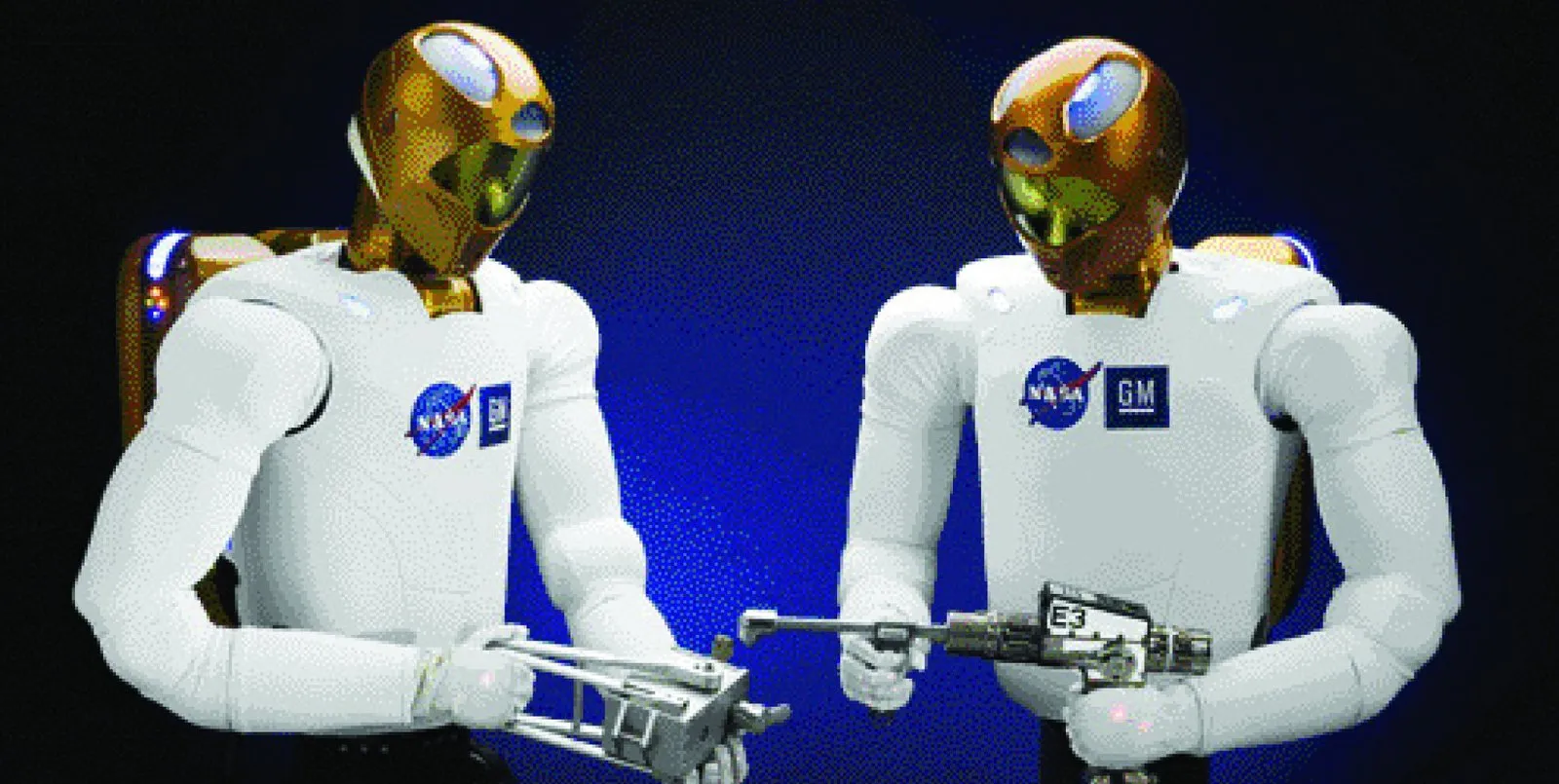
Humanoid robots are robots that can interact with the things humans use. So, whereas most robots need special tools built for them, humanoid robots can pick up and interact with normal items like screwdrivers.
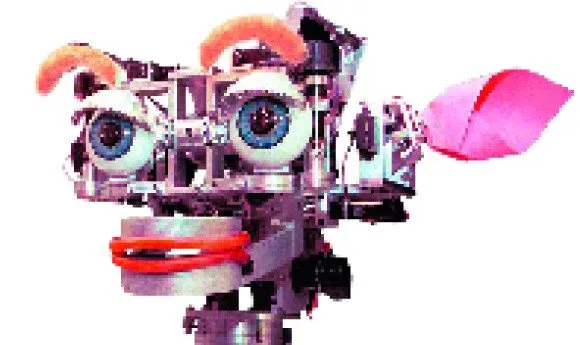
Hence why it looks like a human…
Well, it doesn’t necessarily have to look like a human, but research completed in Japan has revealed that making them in the shape of a human increases humans’ comfort levels when they are interacting with them.
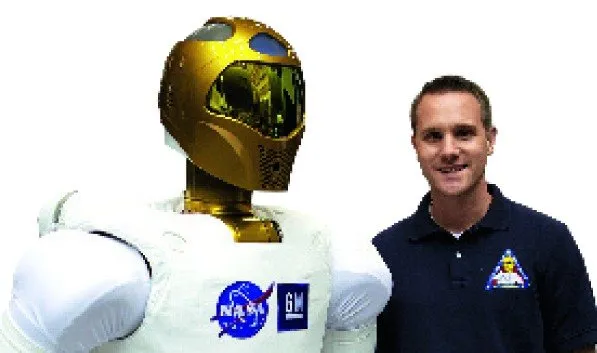
What’s so great about Robonaut 2?
It has the perfect blend between dexterity and strength. Some robots are highly dexterous, but can’t lift a rock and others can lift a bus, but can’t write. Robonaut 2 can lift heavy weights and write.
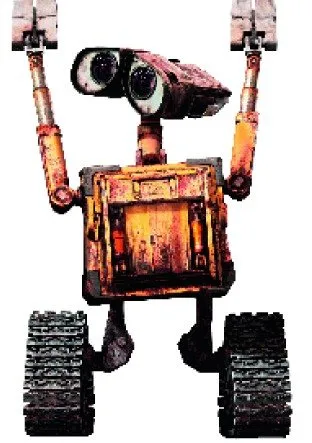
Robonaut 2 is now living on the International Space Station. What was the hardest part of getting it up there?
Probably the fact that it was originally designed to work in a lab, so when we were told it was being sent into space we had to convert it into a flight project in a very, very short period of time.
How did you do this?
Well, in terms of surviving the rigours of a rocket launch, we have some huge shaker tables here at NASA. We bolted the robot down to one of these and vibrated it until it reached a ferocity that was the equivalent of riding on a rocket.
Cool. Any other gizmos?
We have a couple of areas where we can recreate the conditions of space. And Indiana University has a Cyclotron facility where they can crash protons into electronics to see how they behave. We sent Robonaut’s guts to them and asked them to smash high-energy particles into them to see whether they would survive.
How much did all this cost?
The budget came in under $10 million. Mind you, that was an existing robot. If we’d designed a whole new robot then it would have been more.
Were you emotional when Robonaut 2 went off to space?
Oh yeah, I cried. I cried my eyes out when the shuttle took off. I was like a proud parent watching my kid score a goal at soccer practice.
What is the robot’s next step?
Our next milestone is to put a pair of legs on the robot. At the moment, it’s on a fixed pedestal, but in the next 18 months we’re going to fly some legs up and it’s going to start climbing around the inside of the space station.
Wait. You’re going to ‘fly legs up there’?
Yes, Robonaut 2 is designed in a modular way, so if it breaks an arm, a hand, a leg or a camera we can pop it out and replace it and so on. Not that we expect it to break anything, obviously.
What’s the most exciting thing you’ve seen Robonaut 2 do?
I can’t disclose the biggest breakthrough in public. That’s the frustrating thing about this project. What you see on YouTube is the simple stuff. The other, more complicated stuff is still classified.
When will it be for public consumption?
I can’t tell you, but I can tell you that within a decade we will be able to make robots that are smart enough to keep up with the capabilities of the hardware. And when this happens you will see robots out and about among us at many times the level you see right now.
Humanoid robots: a timeline
50 AD Hero: Hero of Alexandria creates the first programmable device using pulleys, axles and rope.
1939 Elektro and Sparko: Made for the World’s Fair in New York, 7-foot tall Elektro could dance, blow up balloons and smoke cigarettes, while his robot dog Sparko could bark.
1993 Cog: This Massachusetts Institute of Technology (MIT) creation featured in the first study to look into building artificial intelligence in robots.
1998 Kismet: MIT research leader Cynthia Breazeal provoked different emotional expressions from Kismet by waving toy cows in its face.
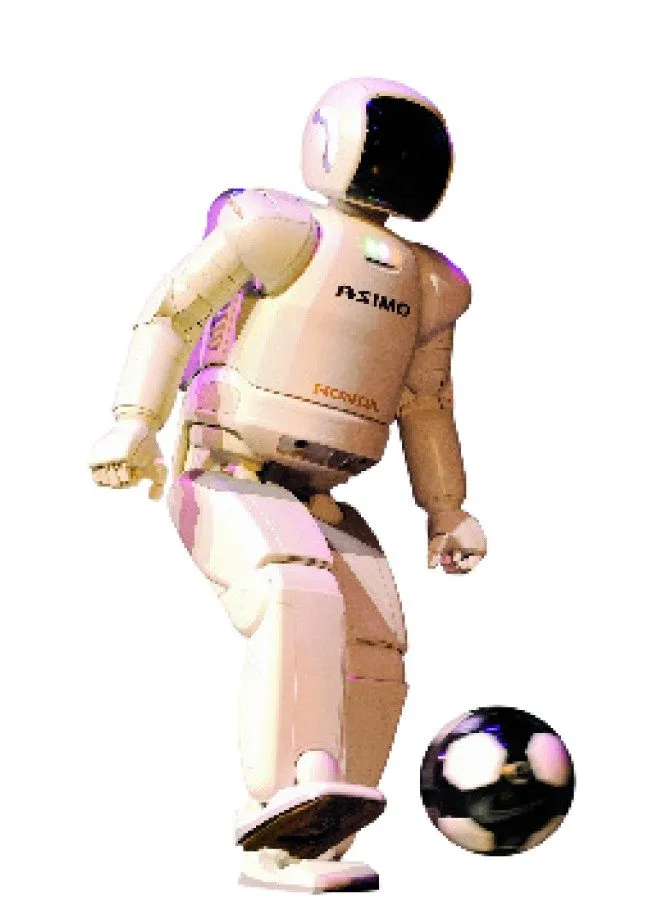
2000 Asimo: Honda’s creation is the world’s most frequently produced humanoid (there are now over 100 in existence). It can walk for an hour, play golf and interpret human gestures.
2004 iCub: Incredibly sophisticated humanoid robot that mimicked a three-and-a-half-year-old and set a benchmark for future research.
2008 Justin DLR: Europe’s answer to Robonaut 2 will jet into space in 2013 or 2014 to fix satellites.
2010 EcoBot-III: The world’s first truly self-sustainable robot is capable of replenishing its energy and operating within an enclosed environment for seven days.
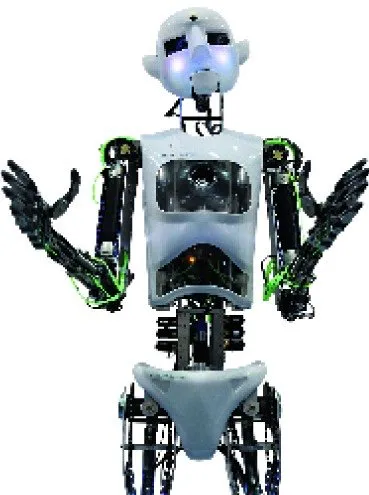
2011 RoboThespian: This humanoid can mirror human actions and possesses more stagecraft than Vinnie Jones.
2021 IWantToHelpYou: The era of the robot assistant has arrived with humanoids helping out everyone from surgeons to astronauts to the elderly.
From the November 2011 issue of FHM India.
Spotted a mistake, or your photo used without permission? Report a correction












 in your inbox