
Mutant Update
Scientists can now synthesise life. Genetics professor Steve Jones of University College London tells FHM how close we are to cavemen, X-Men, Robocop and Gremlins.
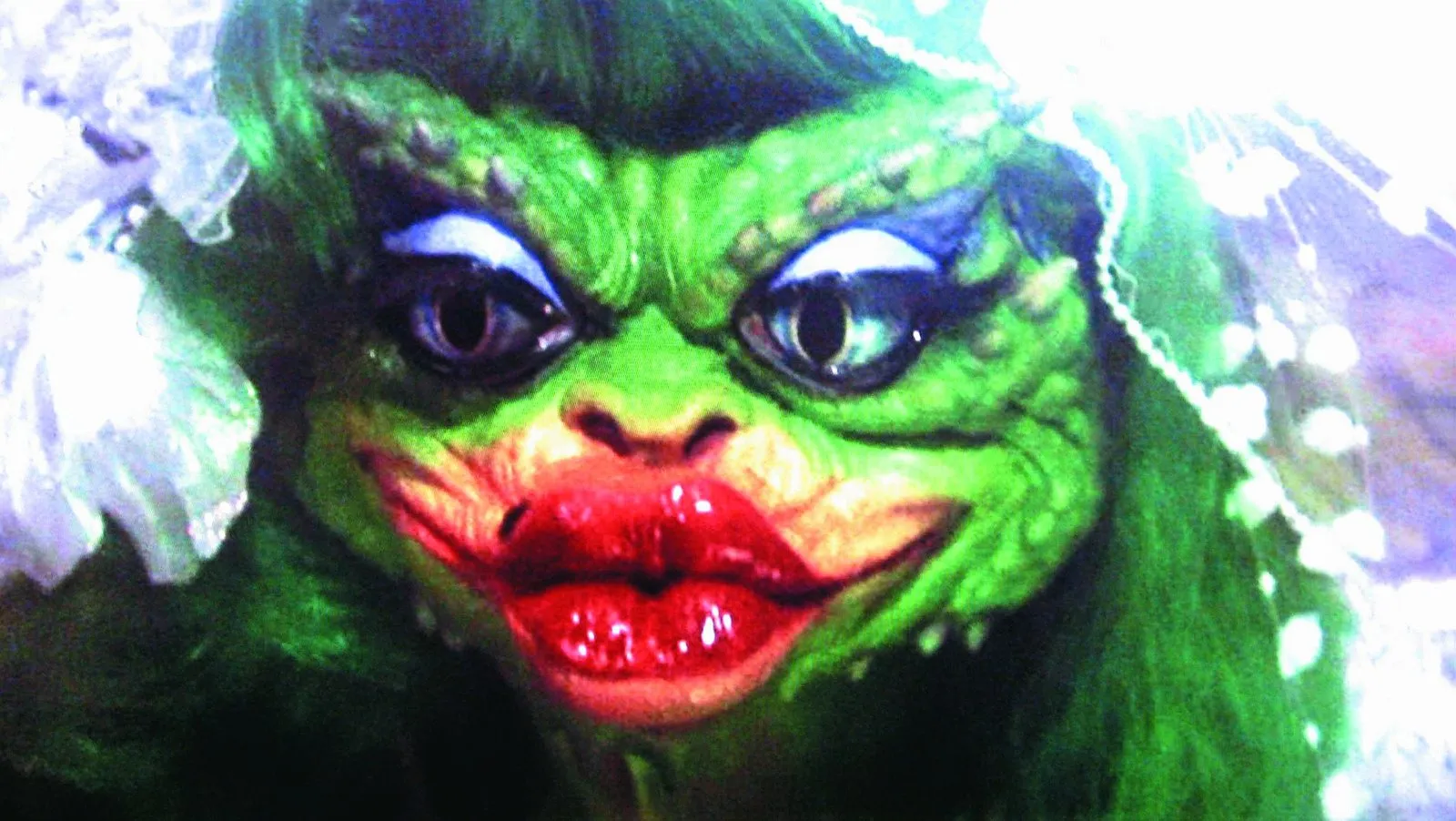



Scientists can now synthesise life – so far it’s just a bit of a cell, but surely this lot isn’t far behind…
Cavemen
As soon as American biologist Craig Venter announced he had created an artificial bacterium FHM put an order in for dinosaurs, but genetics Professor Steve Jones of University College London says we may have to aim lower. “If I recall, Jurassic Park used blood cells, they don’t actually contain DNA, so that wouldn’t work. Ancient DNA is nearly always found in fragments with no apparent function. They’re like the rust of a genome. For dinosaurs that’s a problem, but someone has just sequenced Neanderthal DNA, amazingly. So, it’s feasible to imagine you could make a Neanderthal.” Disappointing.

X-Men
“There are plenty of mutated humans about,” says Prof Jones. “DNA mutates all the time.” Yes, but what about laser vision? “I haven’t seen this bloody X-Men film, but the notion that you can direct mutation to make super-muscled men is fantasy.”
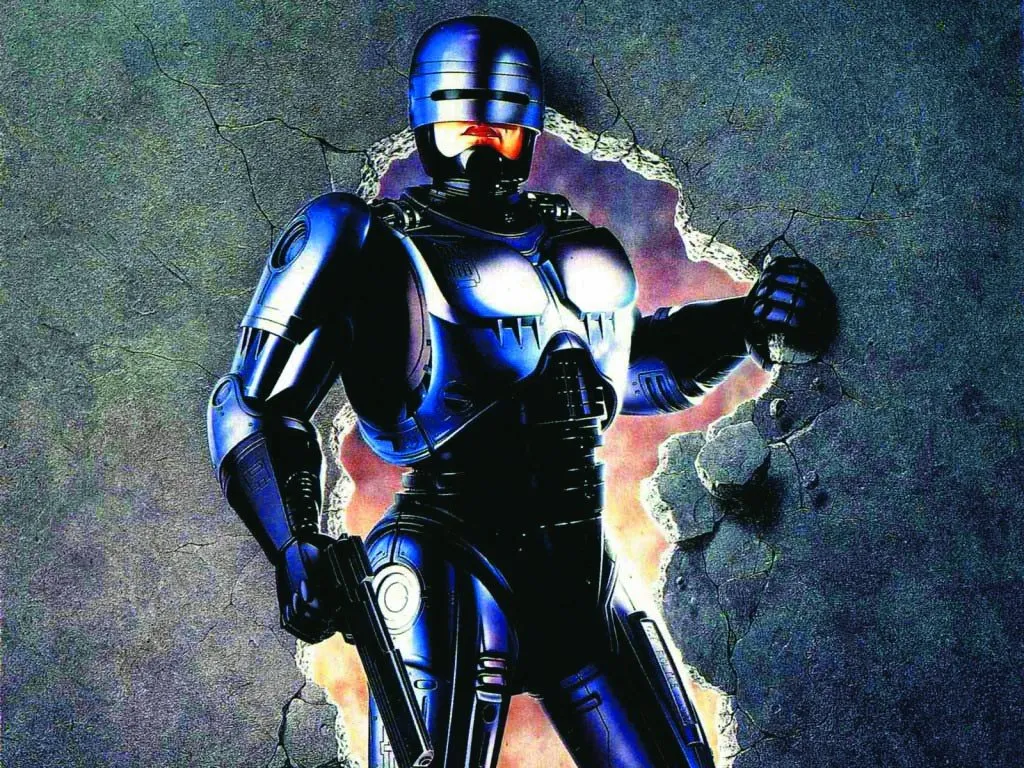
Robocop
“The mechanics is just a matter of technology – valve replacement and pacemakers etc are amazing.” Brilliant! So we can have a Robocop? “The difficult part is the brain.” Damn. “That’s the black box. You can make a wonderful mechanical arm, but its ability to do things is limited by the ability to connect it to the brain. Something like Robocop is extremely unlikely.” Foiled again.
Gremlins
“I think it’s fair to say we’re getting towards whole new creatures,” says Jones. “[Venter’s] bacterium has got a million DNA letters in it. Humans have got 3,000 million, but in the last few years genetics technology has advanced so fast the jump to 3,000 million may not be that difficult.”
From the August 2010 issue of FHM India.
Spotted a mistake, or your photo used without permission? Report a correction









 in your inbox