
Not at Your Own Risk: The Business of Adventure Sports
Indians are bored… of sightseeing. Vacations are not about taking a stroll through the spots where Saif Ali Khan danced to a Bollywood number in Kufri.
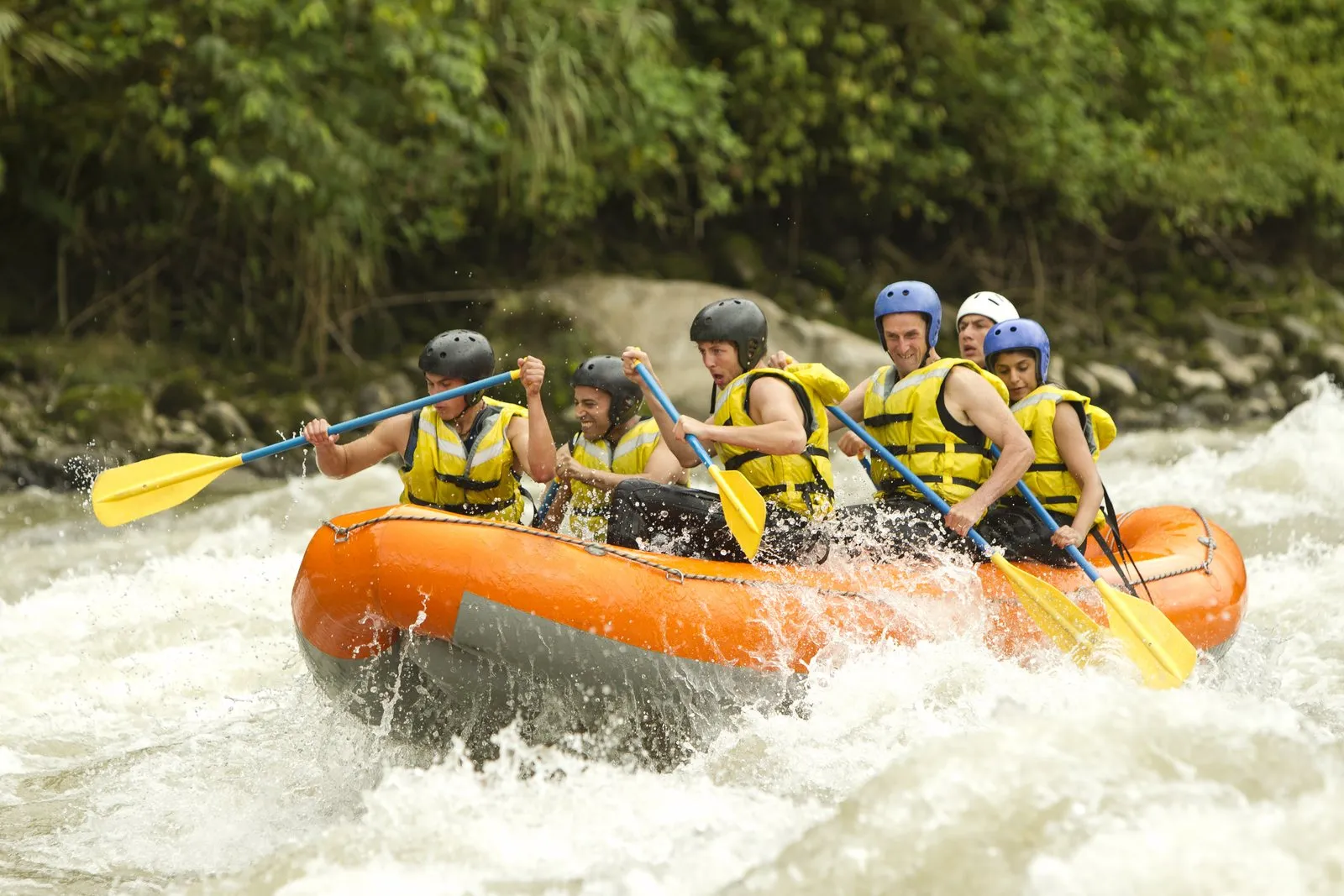



As you update your Instagram feed with your bungee jump, is your tour operator compromising on safety to make profit?
Indians are bored… of sightseeing. Vacations are not about taking a stroll through the spots where Saif Ali Khan danced to a Bollywood number in Kufri. Or having a sundowner in a houseboat. Don’t get us wrong. These touristy drills still have takers. But there is a growing crop of vacationers who would rather challenge themselves with rafting in the dangerous waters of the Ganges or try to stay still on a paragliding spree in Bir.

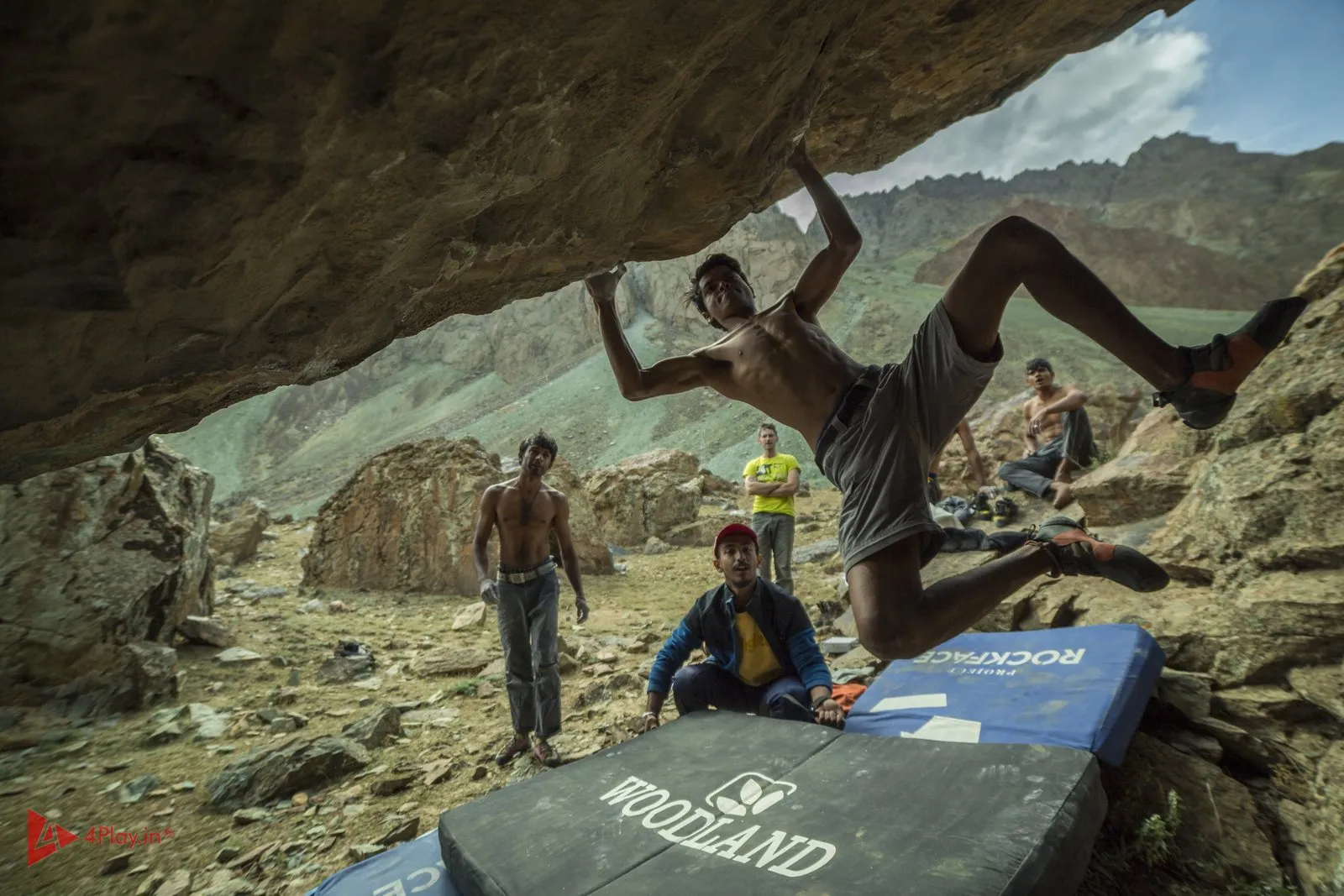
“Urban millennial with high disposable income are seeking immersive travel experiences instead of just sightseeing. Films with travel as a highlight and Royal Enfield advertisements have added to the intrigue,” Sukrit XXXXXXXXXX, Founder, 4Play, a sports media firm, says.
A recent Nielsen report states that the annual adventure tourists in India are a staggering 34,59,414. The revenue generated from package tours out of the entire market size of ₹1,772 crore is around 73 per cent and the revenue generated from individual bookings (inclusive of on-the-spot bookings) comprises around 27 per cent of the market.
Whose business is safety?
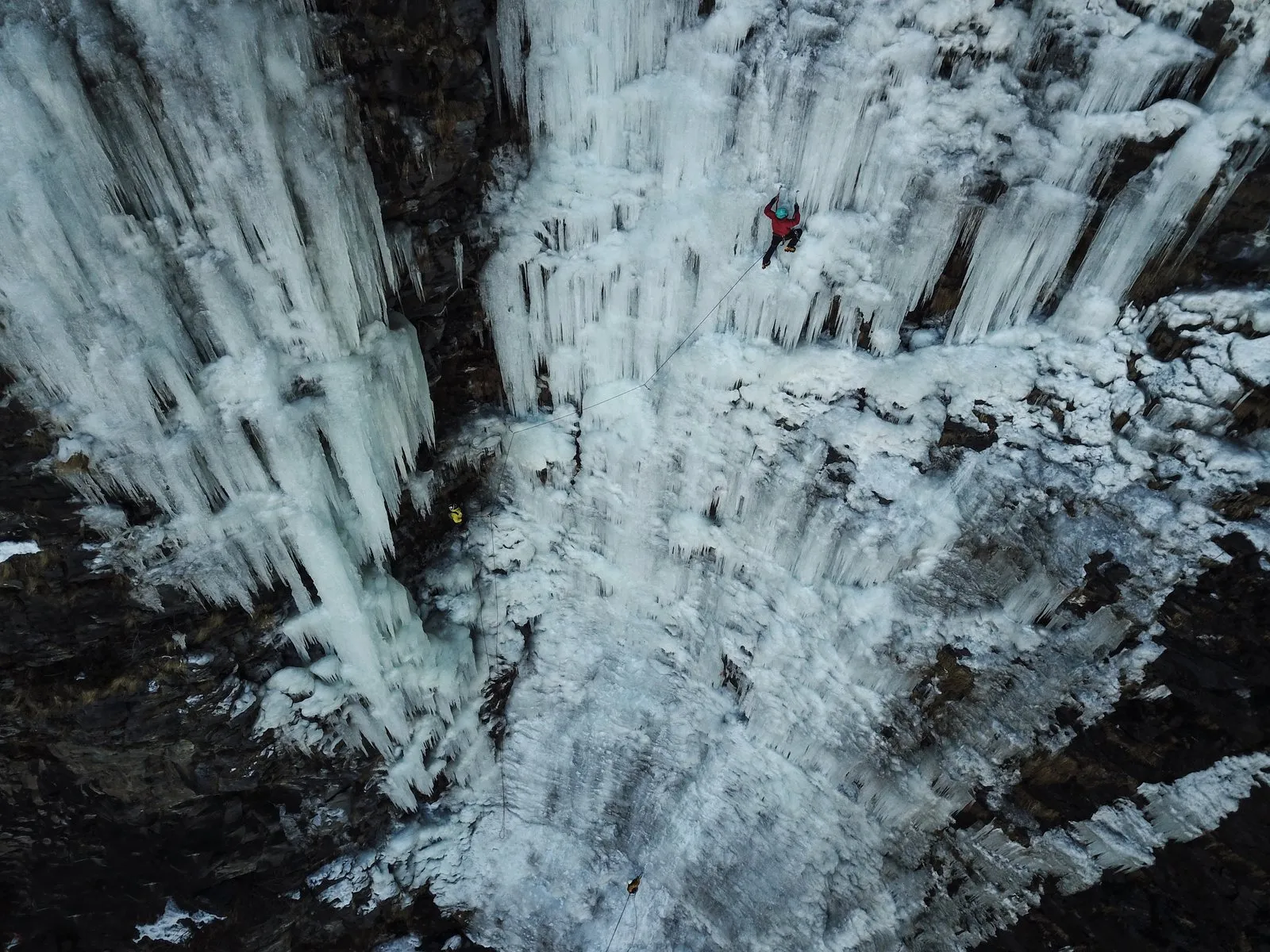
The numbers suggest that the business is booming, but there is something amiss. Adventure sports have come under intense scrutiny due to lax safety measures and an absence of a suitable framework to ensure safety and security of the adventure seekers. The banning of white water rafting in Rishikesh, a few skydiving deaths and the concerns over the ecological damage in pristine landscapes are just some of the main issues plaguing this industry. “The lack of safety is a major issue today in adventure sports. Since India is a price-conscious market, the aim of the tour operators is to cut costs and provide services at slashed rates. The first thing to get neglected due to cost-cutting is safety. Having said that, there are companies that do not compromise on safety, but sadly, they lose out on mass market business. Their charges are steep as they include top-of-the-line equipment and, well-trained and certified trainers,” Manan XXXXXXXXXXX, founder of Advensure, an adventure sports marketplace, says.
The central government has prescribed some basic safety measures to be followed by operators. However, there is no regulatory body that conducts inspections. The rapid growth in this sector necessitates the presence of a regulatory body that can conduct standard checks to ensure equipment is usable and safety guidelines are followed.
“Although it’s growing, the adventure sport and tourism market is still unorganised. It is estimated that the industry’s cumulative turnover in 2016 was about ₹5,000 crore which is quite meagre when compared to most key or mainstream industries. And even in this, four to five players claim the major share,” Sukrit says.
One of the reasons behind the lax safety norms is the lack of due diligence on part of the adventure seekers too. Most of them are not aware of the safety norms, nor do they insist on knowing or cajoling the operator to follow those norms.
Rules and regulations
But, there is some good news too. “Recently, a clutch of stakeholders have stepped up to ensure safety standards. For instance, the high court of Uttarakhand has put a halt on all river-based sporting activities in the state until a policy/guideline is laid out to ensure safety and sustainability. It has also banned camping in bugyals (high altitude meadows) on most Himalayan treks,” Sukrit says. The problem, however, is that the Indian governance system has always had the approach to place outright bans instead of understanding the root causes and managing the situation in a sustainable manner.
Adventure Tour Operators Association of India (ATOAI), which is one of the largest platforms for tour operators, has come up with a guideline for safety procedure and Standard Operating Procedures (SOPs) to lobby with the legislators.
Responsible adventure
Cultural immersion and livelihood to locals are what adventure sports tourism brings with it. But, it also brings with itself concern over the degradation of fragile ecosystems due to an uninhibited growth. Locals will benefit more if adventure sports facilities are developed in their regions. For example, Kamshet in Maharashtra witnessed infrastructure development only after it became a hub for paragliding. “Adventure tourism is providing employment avenues in remote regions, lowering dependency on natural resources (such as forests) for sustenance, bringing about heightened awareness of sustainability and environmental issues, and most importantly lowering the ‘village to city’ displacement of labour in search of employment,” Sukrit adds.
Large established adventure sports operators are more likely to have the manpower and resources to conduct proper waste management and follow the ‘leave no trace’ practices. It has been observed that small and informal operators are common culprits when it comes to generating waste or flouting norms.
The way forward
In the present scenario, it seems like it is the onus of individuals to ascertain that their tour operators are following stipulated safety norms. In the absence of a regulatory system, it is up to customers to take up the mantle. “We ask operators to provide details of their on-field guide and submit the documents about their certifications. Most operators do not have this information and use this as a filter to narrow down on the operators that do follow the protocol,” Manan adds.
You wouldn’t go to a doctor or a lawyer without verifying their credentials, right? There is no adventure in jumping off a cliff without a safety harness.
From the October 2018 issue of FHM India.
Spotted a mistake, or your photo used without permission? Report a correction












 in your inbox