
Rant of the month: sports, sport, spor… nationalism!
Aggressive jingoism by vested interests is destroying our inner child, and sports is the latest victim.
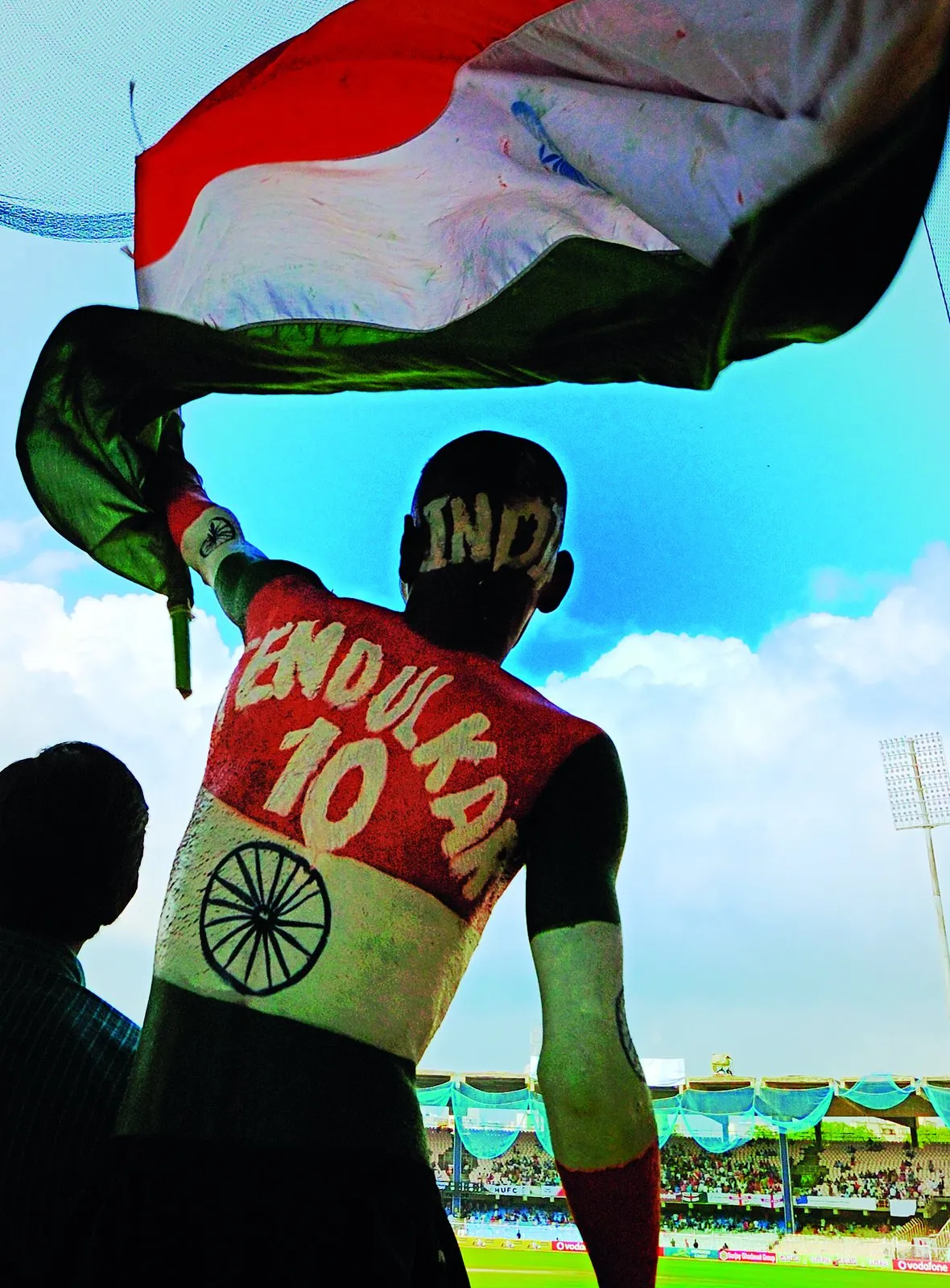



Growing up in the 1980s was fun. Those were the years before economic liberalisation and frenzied urban growth. We had one thing that the kids of today cannot take for granted – space. With no Internet, no play stations, no digital distraction and lots of open space, the pursuit of sports came naturally to us. We grew up playing cricket, football, hockey and other not-so-urban games. Sports were an integral part of our lives. Much has changed since the 1980s. So have the sports.
Now, I am not the typical old-world hugging, nostalgia-nerd who likes to complain about change. What really annoys me is the change in sporting character in our country. What upsets me is the creeping ugliness – dubiously masquerading as aggression and killer-instinct – in our approach to sports. Are we sporting enough to be graceful losers of a game, sporting enough to appreciate that the other team is better? Are we sporting enough to acknowledge that after all it’s just a game? Over the last two years or so, we have consistently lost something really precious in sports – sportsman spirit. And this is not just limited to the games. Suddenly a nation that takes pride in being a 5,000-year-old civilisation, is struggling to find its national character. In our search for a prideful identity that suits our 21st century aspirations, we have by some strange logic, chosen faux aggression to be our national character. To shout loudly, with pumping fists, Bharat mata ki jai, somehow makes us more Indian. People are being beaten, lynched, maimed and prosecuted for not saying Bharat mata ki jai. People are forced to stand and sing the national anthem before movies in cinema halls. And you can be roughed up and questioned about your patriotism if you neglect to stand up.

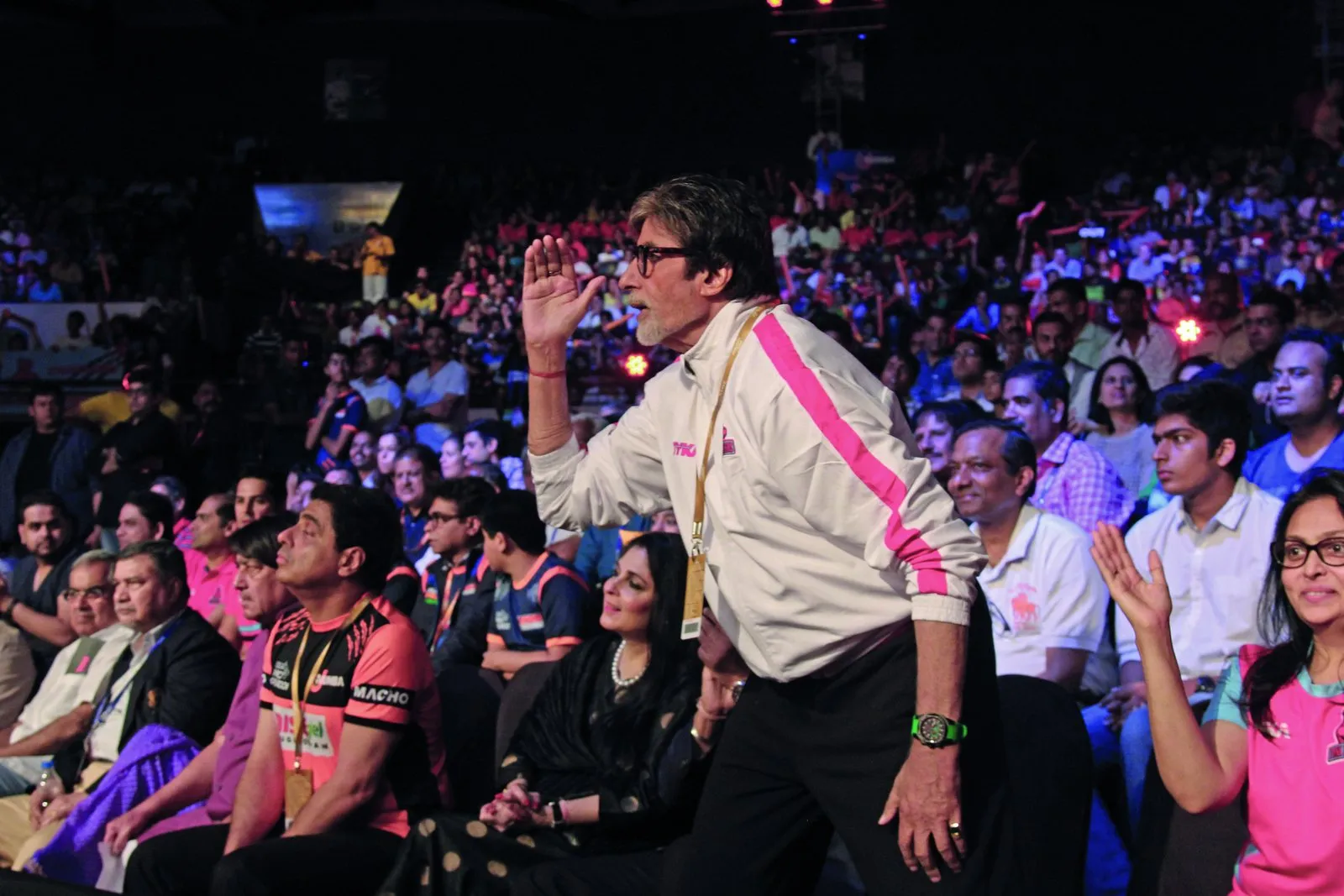
Nowhere is this aggressive, macho nationalism more visible than in our sports. In 2011, the ICC cricket world cup was played in India. The theme song for the tournament went like this: aiday payday de ghuma kay, gutthi guttha de ghuma kay… ( let’s fight and hit the opponent with force). To illustrate my point further consider one soda brand ad campaign launched during the IPL season in recent years. Actor Ranbir Kapoor says in the ad, “yeh cricket hai, na tameez se khela jaata hai, na tameez se dekha jaata hai” (this is cricket, neither is it played with grace nor is it watched with grace). Even the poor old rural game of kabaddi is not spared in its new glitzy, hyper-urban makeover. In the promo campaign of pro-kabaddi league, Amitabh Bacchhan, the angry young man of yore shouts and urges people to le panga (needle the opposition).
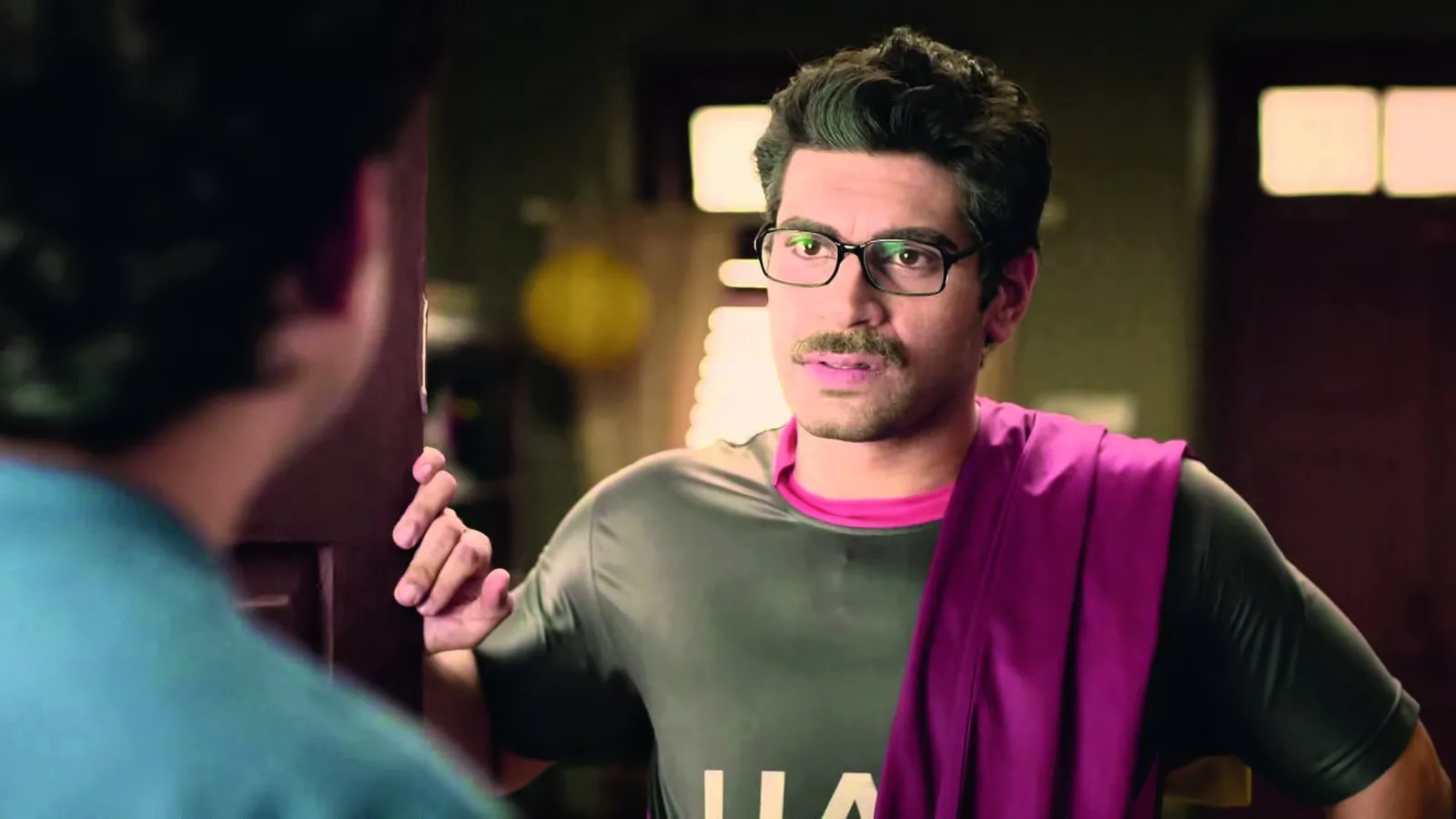
These are not routine sports sloganeering. There is a definite undercurrent of violence, and muscle-flexing machismo in these ad campaigns. This call to demonstrate lumpen behaviour, coming from people like Amitabh Bacchhan and Ranbir Kapoor, gains a degree of legitimacy for a lot of people.
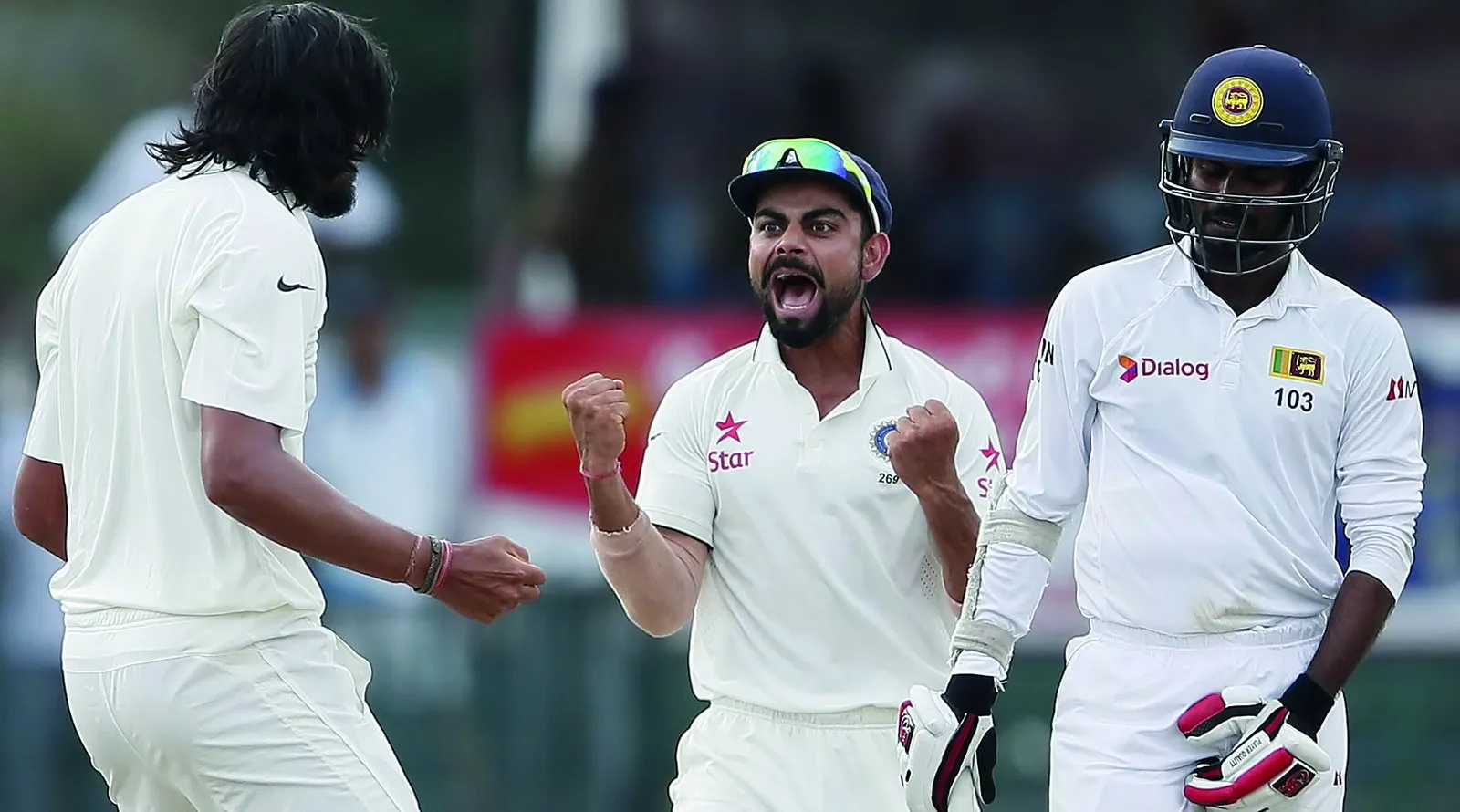
Simple sports have now become gladiatorial events, where the spectator is encouraged to be macho and bloodthirsty. One look at the names of the IPL teams and one would realise that sports is perhaps a casualty of this dangerous cocktail of aggression, machismo and nationalism. Delhi DareDevils, Pune Warriors, Deccan Chargers and the list goes on. Where is the sport here? Perhaps it lies buried deep, trampled to death by slogan shouting, chest thumping warriors of the new, aggressive India. And let us not forget, such calls for lumpenisation can have dangerous fallout in a new India, two-thirds of our population of which is under 35 years of age. What was gently celebrated as ‘youngistan’ a few years ago is now being urged to become ‘aggressionistan.’ Is it any wonder that this whipped-up aggression also translates into hate and vitriol for the boys-in-blue when the Indian cricket team loses?
Before every major cricket series, the marketing and advertising guys fully exploit this nationalistic fervour and launch campaigns about the series, campaigns that humiliate the opposition and lionise the Indian team. ‘Mauka mauka’ is one recent example. But when the results of the series are not in India’s favour, we just forget the campaign and move on to the next one with the same blueprint. I don’t know what it is called now but there was a time when we called it ‘shamelessness.’ Remember the series when Indian cricket team last toured Bangladesh? Marketing and advertising gurus in India came up with a campaign where they condescendingly called the Bangladesh team a bacchha. As it turned out Bangladesh beat India fair and square. Not one apology came from any of the gurus. India doesn’t apologise it seems, no matter what the wrong is, or how wrong it is.
There is a debate going on in the country on the issue of nationalism. One has to wear his/her nationalism on their sleeves these days. And this narrow nationalism is creeping and raising its head in every walk of life. Sport is just one casualty.
What we played back in the day was all about craft, but it was not devoid of emotion. Today, in the name of infusing it with raw energy, we are changing something valuable about why we play.
From the June 2016 issue of FHM India.
Spotted a mistake, or your photo used without permission? Report a correction









 in your inbox