
Ride the Wave
A group of passionate surfers are making the sport popular in India
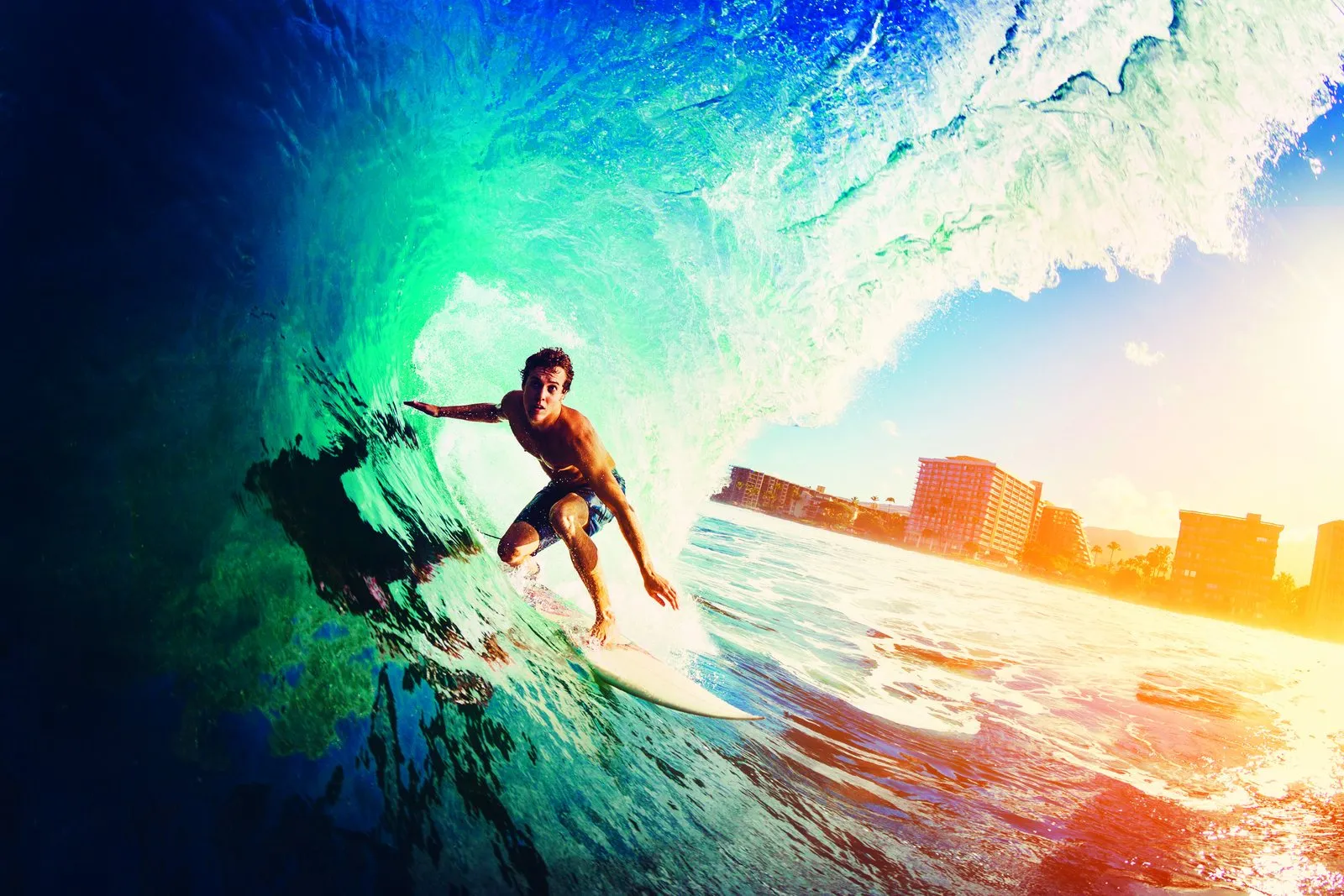



With a coastline spanning nearly 7500 km, and the presence of some really big seasonal waves, it is a surprise that surfing is not more popular in India. In the last couple of decades a small group of enthusiasts have been actively developing the surfing culture in India.
Surf culture

Most of the current surfers picked up the sport in a natural manner. Speaking of his experience, Sandeep Samuel, Founder of Cocopelli Surf School says, “I picked up surfing in the early 2000s, from a French couple which showed me the basics. After that, I basically taught myself how to surf since back then there were no such coaching and training academies for surfers.”
“Back in 2000, I was a part of an ashram. One of my teachers there was a surfer and he taught us how to swim and surf. Without any specific training, we got a couple of boards and started to hit the waves. We were a group of six kids and we had just 2 boards. I loved how surfing felt and was hooked on it instantly. Later I started a surf club with some of my friends.” adds Srikrishna Vasantha, a surf instructor.
The lack of a surf culture had been hindering the growth of surfing which is why it was necessary to establish standards and organise the sport. Ramanujan Paranjape, the Vice President of the Surfing Federation of India adds, “The SFI was set up in 2011. This was when the surfing scene had just kicked in, and being pioneers, my friends and I took the initiative to organise the sport. Our aim was to start putting a structure and develop the sport at a grassroots level. A lot of people were taking up the sport and it seemed like the right time to start working.”
Learning the art
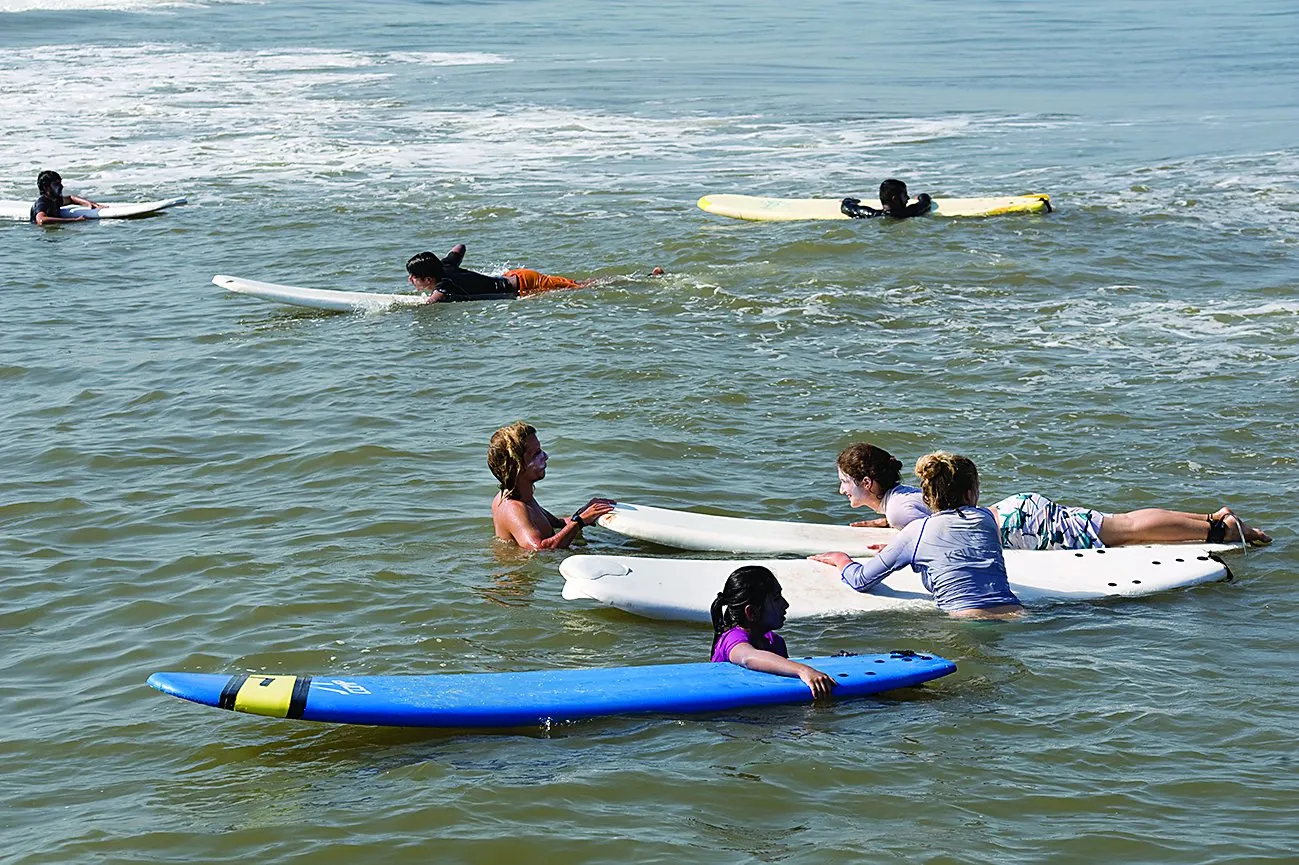
A skilled surfer riding a twenty foot wave is a sight to behold. With a number of training schools coming up along India’s coast, it has never been easier to learn surfing and join an ever increasing, passionate community of surfers.
“Swimming is a very important skill for someone who wants to take up surfing as you need to be able to handle yourself well in water. Surfing is mostly done in shallow water so the depth should not be a problem.” says Srikrishna.
The Cocopelli Surf School runs programs for amateur, intermediate and professional surfers. Speaking of the program Samuel says, “For beginners we offer 1 ½ hour lessons over a course of 3 days. After 3 days you will be skilled enough to surf on your own. Though it is not mandatory, it is important to have some basic knowledge of swimming in order to begin surfing”.
Most of the surf schools provide all necessary equipment including the surfboard and prospective surfers need to just enroll for the courses.
Safety and precautions
Surfing in India is relatively safe as long as one is well trained. “There are not too many risks since we mostly teach surfing in shallow waters. Natural risks like jellyfish and rocks along the shore can cause a problem. In India the natural risks are lesser than in countries abroad. A good instructor can greatly mitigate the risk factors,” says Sandeep.
Meanwhile, the Surfing Federation of India is trying to set the standards for surf instruction. In this regard Ramanujan says, “Safety has been one of our foremost interest areas. Quite a few surf schools have opened up and we have started to focus on instructor led training. We provide instructors proper certifications and strive to maintain international safety standards. We do annual certifications of instructors. They are trained in rescue, emergency and safety and we are aiming to bring in some more structure to surf schools.”
Government support
So far, most of the growth and development in surfing has been led by passionate surfers and enthusiasts. The government has not been promoting the sport actively.
“It is still a nascent sport and very few people know about it. Though people are curious, the state government has been mostly indifferent. The state government has supported some events and surf festivals but there has been nothing from the central government. We are still waiting for a registration from the sports ministry.” says Ramanujan.
Agreeing with Ramanujan, Sandeep adds, “We don’t have much in the way of government support for the sport. The sport is being run by veterans with over 13-14 years of surfing experience. I don’t believe that government support is important as this sport is growing organically through the efforts of passionate hobbyists.”
Getting started
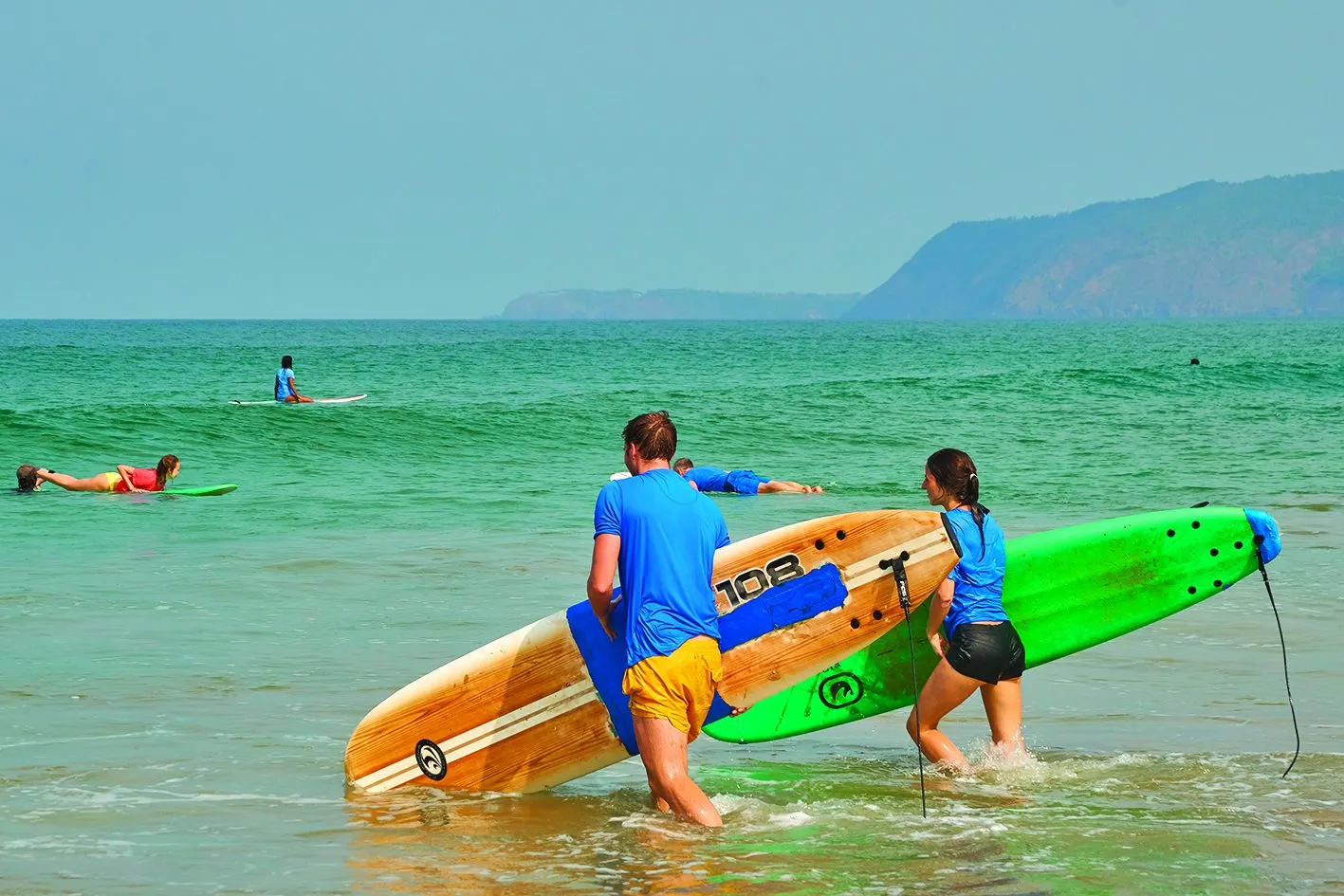
“Surfing in India is very seasonal and is done at different times on the different coasts. The pre-monsoon and post-monsoon times are generally the best for surfing. These times are different on the east coast and the west coast. Covelong and Mahabalipuram are good places for surfing in the East coast. Varkala, Kovalam, Gokarna and Mangalore are some good regions for surfing on the West Coast.”, says Srikrishna.
Most surfers recommend that learners do their training during the off season since the waves are easier to manage.
From the December 2018 issue of FHM India.
Spotted a mistake, or your photo used without permission? Report a correction










 in your inbox