
Tenzin Tsundue: The Free Tibet Chant’s New Poster Boy
Writer-activist Tenzin Tsundue walked alone from Ladakh into Tibet, unfurled a Free Tibet banner from Mumbai’s Oberoi Towers and won’t take off his red band until Tibet is free.
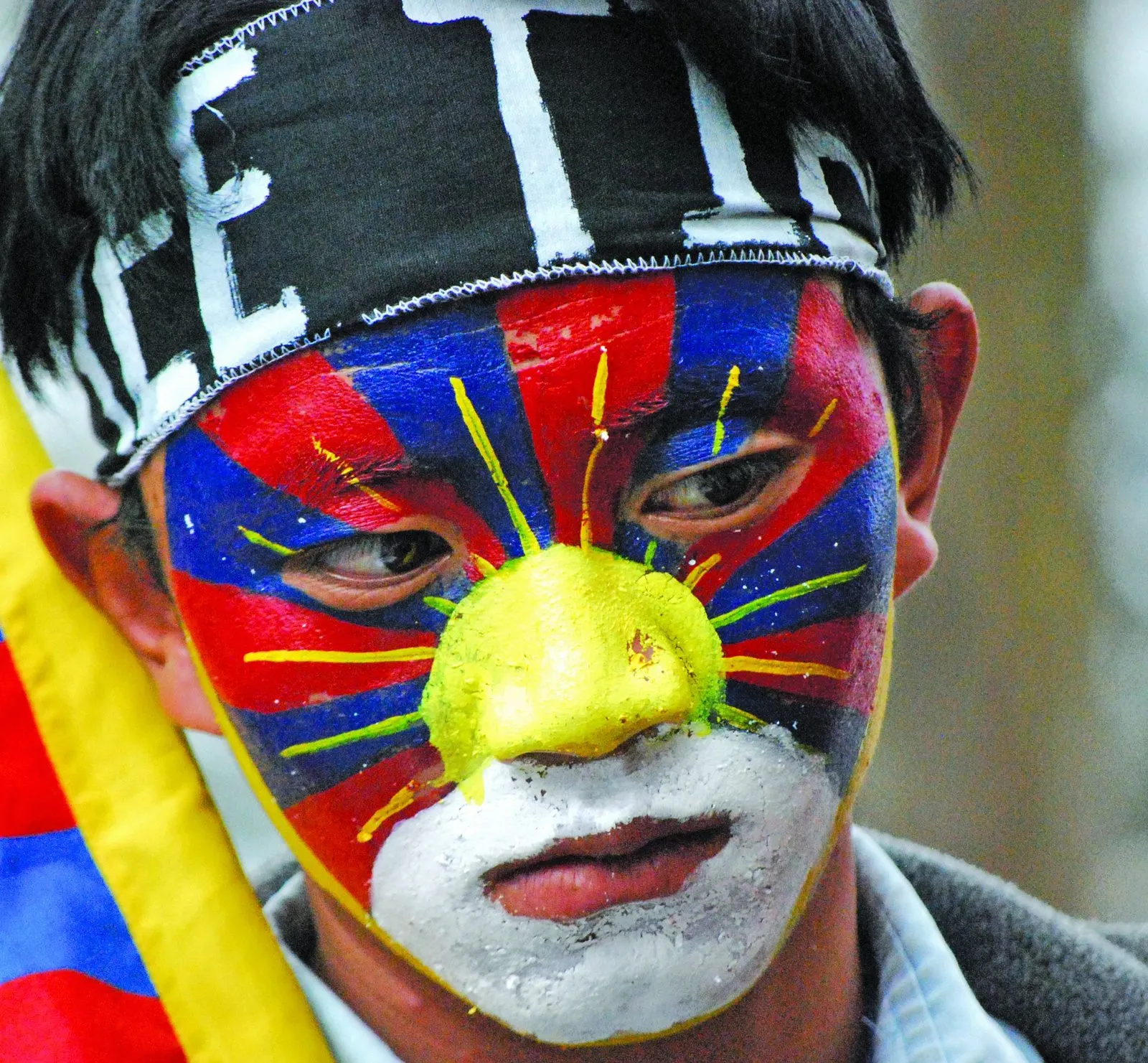



To what extent will you go to free your home? This man might lead you in the right direction.
At a time when the world revolves around smartphones and passive souls, modern day warriors like Tenzin Tsundue push you to stand up for what you believe in. Tibet, the sympathy pot of the world, is his home, but he rarely goes there without restrictions. He had to once cross the Himalayas on foot to reach his home because the ‘rules and regulations’ didn’t want him to show up in the area. And he actually did just that. “I was the romantic idealist who wanted to create a revolution. I walked from Ladakh, alone, to enter Tibet. I was 22, but before I could reach, I was arrested and sent to Lhasa jail for three months. I was beaten up, slapped, kicked and even received death threats. Since no one knew about my ‘mission impossible’, I felt helpless and lost all hopes of survival and the uncertainty was killing me every minute. The jail term proved to be my crash course in activism.”

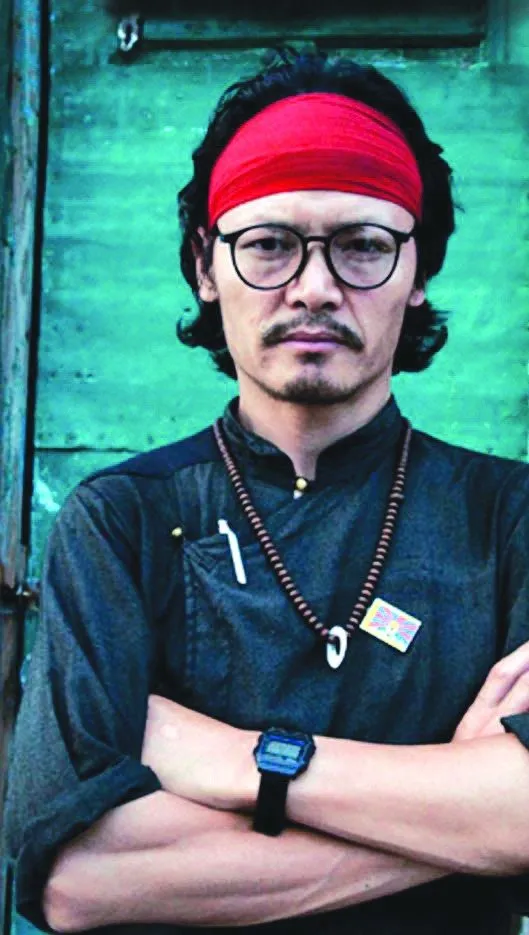
There’s no official account of Tenzin’s date of birth, but people close to him say he was born in the early seventies in a refugee camp on India’s border roads around Manali where his family laboured. The writer-activist had to beg and borrow money to get his first book of poems, Crossing the Border, published in 1999. “My classmates in Bombay University were supportive and pushed me to publish my own books of poems. I returned the money I had borrowed after the books got sold. I find no value in wealth building and sell my books on my own or through my friends in India and abroad. The sales revenue is enough for me.” Though Tenzin has won several literary awards, he’s famous for his heroic one-man protests. Chinese premiers fear this modern day warrior so much that whenever one of them visits India, Tenzin’s movements are restricted and closely watched. In 2002, he unfurled a Tibetan National Flag and a Free Tibet banner from the 14th floor of Mumbai’s 30-storey Oberoi Towers, where Chinese politician Zhu Rongji was addressing Indian traders. Three years later, he did something similar on Chinese Prime Minister Wen Jiabao’s Bangalore visit. So when Chinese President Hu Jintao was touring India in 2006, Beijing requested India to restrict Tenzin’s movement, but Tenzin is a proud stunt protestor. He says, “When there was no way my small and simple voice could be heard against the din of the visiting politico, I decided to ride piggyback on the visitor’s media attention. To draw media attention I needed to provide some monkey business, which I did by climbing high buildings and posing myself precariously from the towers.” But that’s not the only way Tenzin has protested. He has often led marches, conducted peaceful processions, meet-ups and even theatre. He believes that roses, not guns, are still the best way to get your point across. Says the Dharamshala resident, “ It takes more courage to love than to hate. Our ancestors have taught us to fight guns with roses. When we are fired at, our brothers and sisters take bullets of anger in their chest. And when they see more suffering, they set themselves on fire and offer their lives. we don’t hurt anyone and we never will.” In spite of all these sacrifices, not a single nation comes out openly to support the cause of this beautiful country. When we asked Tenzin why, he reasons saying, “International politics is all about self-interest. There is nothing called truth or justice. Our support base is the people. When China won the Olympics in 2008, it also butchered the hopes of millions when its forces butchered Tibetans in Tibet in the media glare.” Listening to Tenzin isn’t easy.
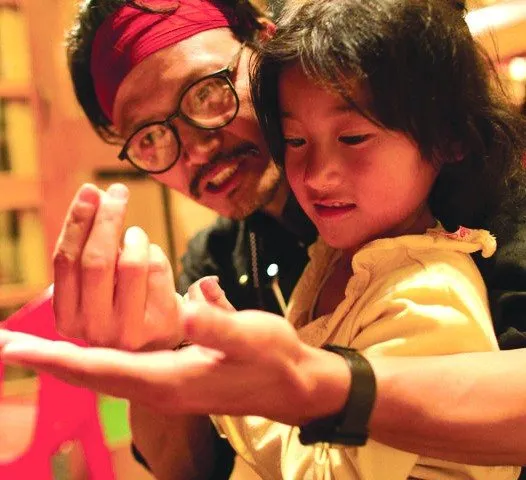
His idealistic life mocks at the alarm clock routine most of us are used to. So, we shift focus to his plans of getting married and the red band that got him into the list of India’s most stylish. “I have nothing left for marriage or any relationship. I don’t have time for any personal commitments. If marriage helps my work, I would do it. And red is the symbol of courage, which reminds me of my commitment towards my country. When Tibet is freed, I’ll take this band off and become Tibet’s free citizen,” he signs off.
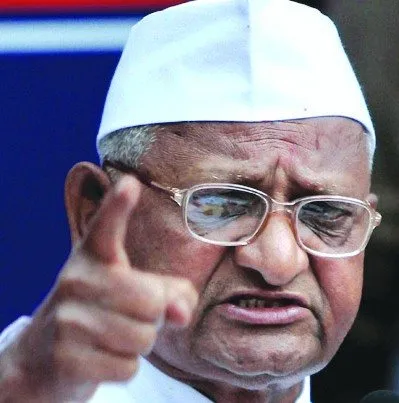
The other revolution headgear
Black beret: In the late sixties, several activists wore the black beret as a symbol of protest. The most photographed of their lot was Cuban revolutionist Che Guevara.
Phrygian cap: The hero of the French Resistance in World War II, Stéphane Hessel, used to wear it often. The insurgents of the French Revolution also wore it. It’s considered as one of the most worn ceremonial headwear in the west.
Anna topi: The anti-corruption movement led by the Gandhian became synonymous to the Gandhi cap that’s now popularly known as Anna topi. People who stood up against the corrupt system wore it as a symbol of solidarity.
From the March 2012 issue of FHM India.
Spotted a mistake, or your photo used without permission? Report a correction






 in your inbox