
The curious case of the Skoda Yeti
Skoda isn’t giving up on the Yeti and has launched a new face-lifted version.
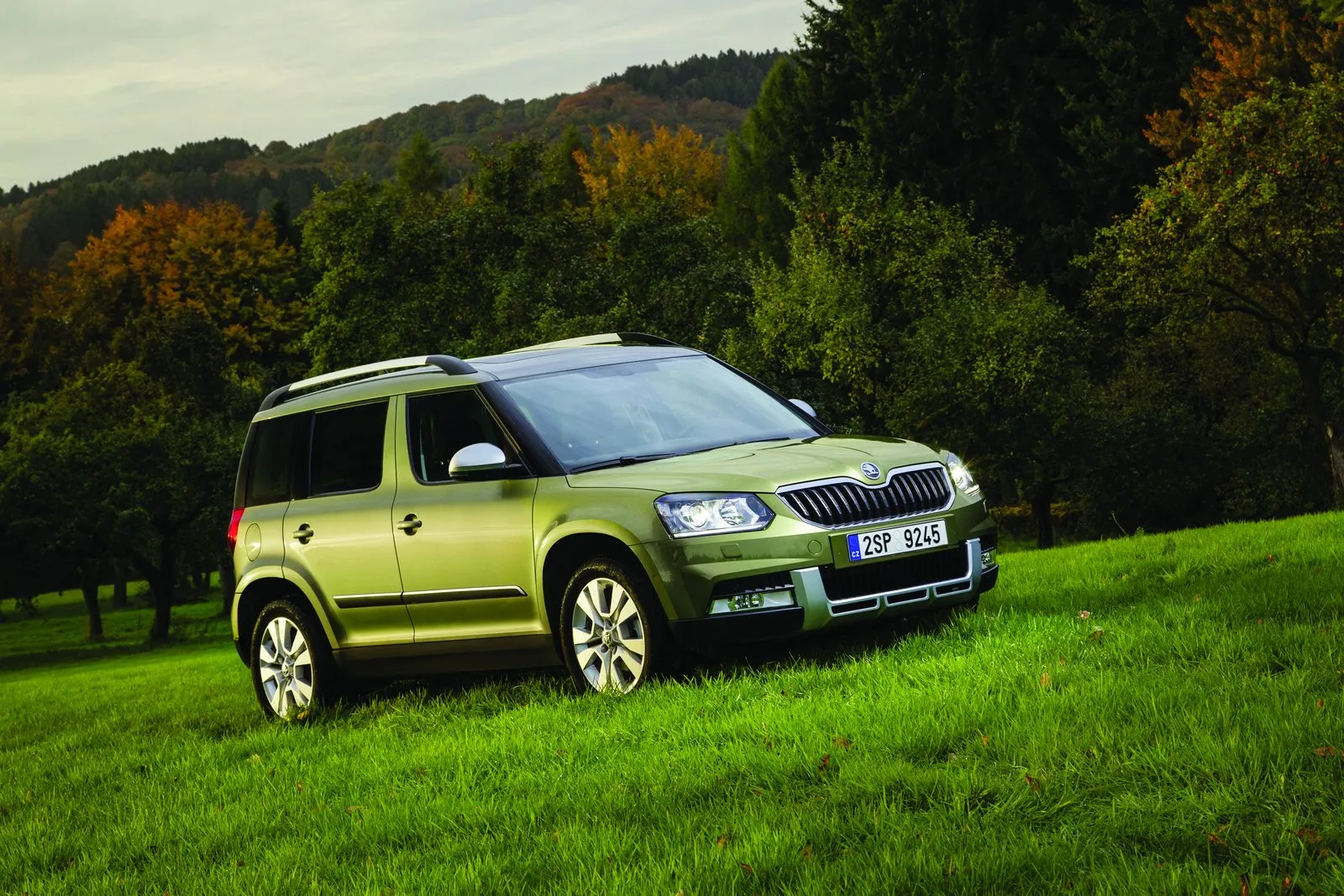



Unless you’re Captain America and have just been revived from hibernation, you already know that cars are classified as hatchbacks, sedans, MPVs or SUVs, based on the way they look. A hatch is great in the city thanks to its small footprint and a sedan is more practical thanks to a boot. Those looking to seat seven go for MPVs and those who want added style and off roading abilities buy SUVs. And then there are crossovers. These are cars that don’t really fit one mould and end up confusing the rest of us. Case in point, the Skoda Yeti. When it was launched four years back, people avoided it like the plague. It didn’t matter if it was comfy and practical, buyers weren’t having any of it. It was mainly because of the way it looked, or rather didn’t. An SUV with the look and feel of a big hatch was a concept that Indian buyers just didn’t get then. Unfortunately not many get the point even today.
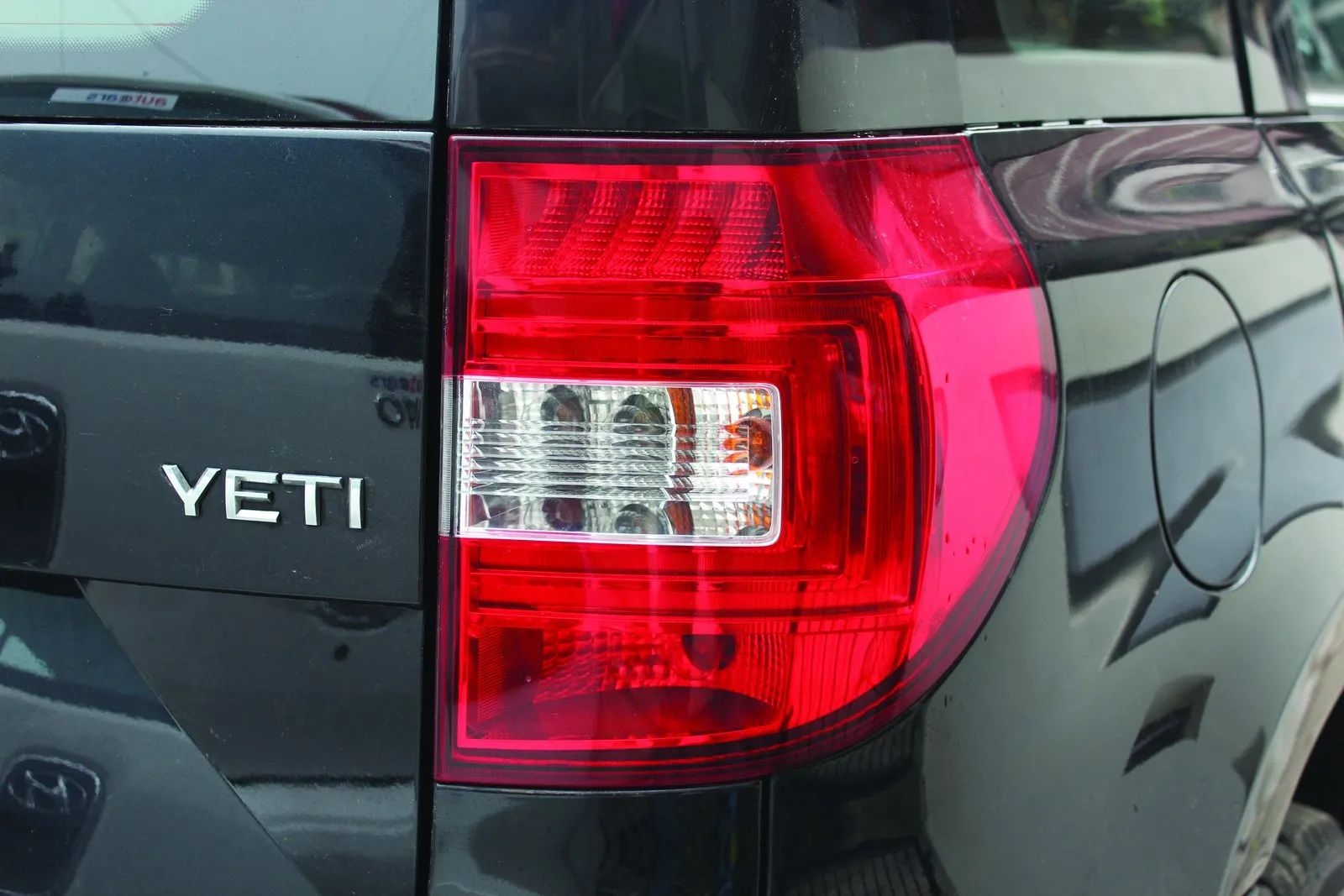
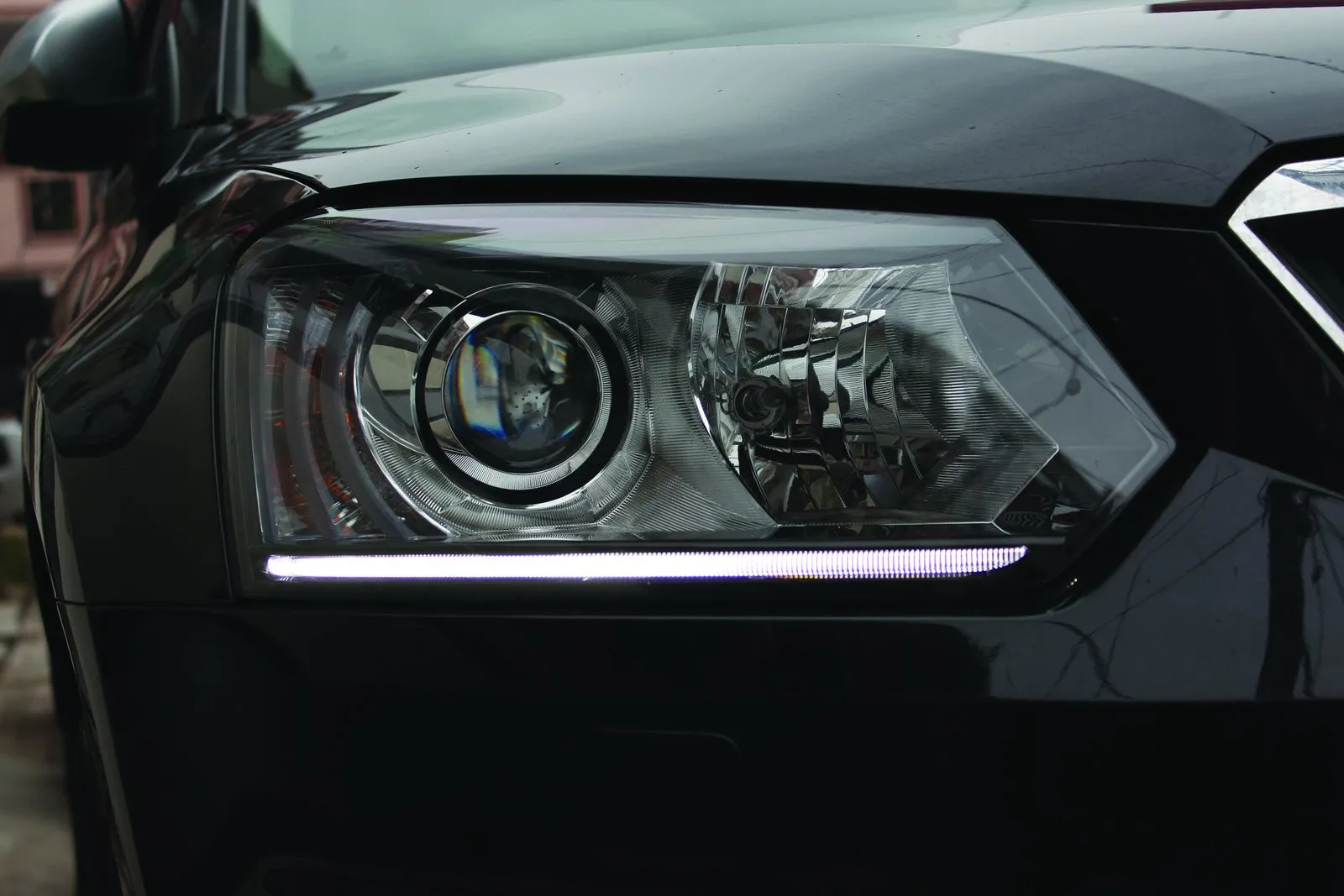
Skoda isn’t giving up on the Yeti though, and has launched a new face-lifted version. It’s one of the milder updates as far as face-lifts go, and looks pretty much the same as before, but now is a bit smarter with those rectangular headlamps. Ditching the large googly daytime running lamps for LEDs is the best thing Skoda has done to the new Yeti. Also, it will now be available in a two-tone paint scheme which looks neat in the flesh. The rest of the changes though are more subtle. Taillamps have angular detailing, the wheels are new, the front grille and faux skid plates have been redesigned as well. That’s all the external tweaks covered, so let’s see how it drives. The 4x2 variant that we drove is powered by a 2.0-litre diesel engine that makes all of 110PS.

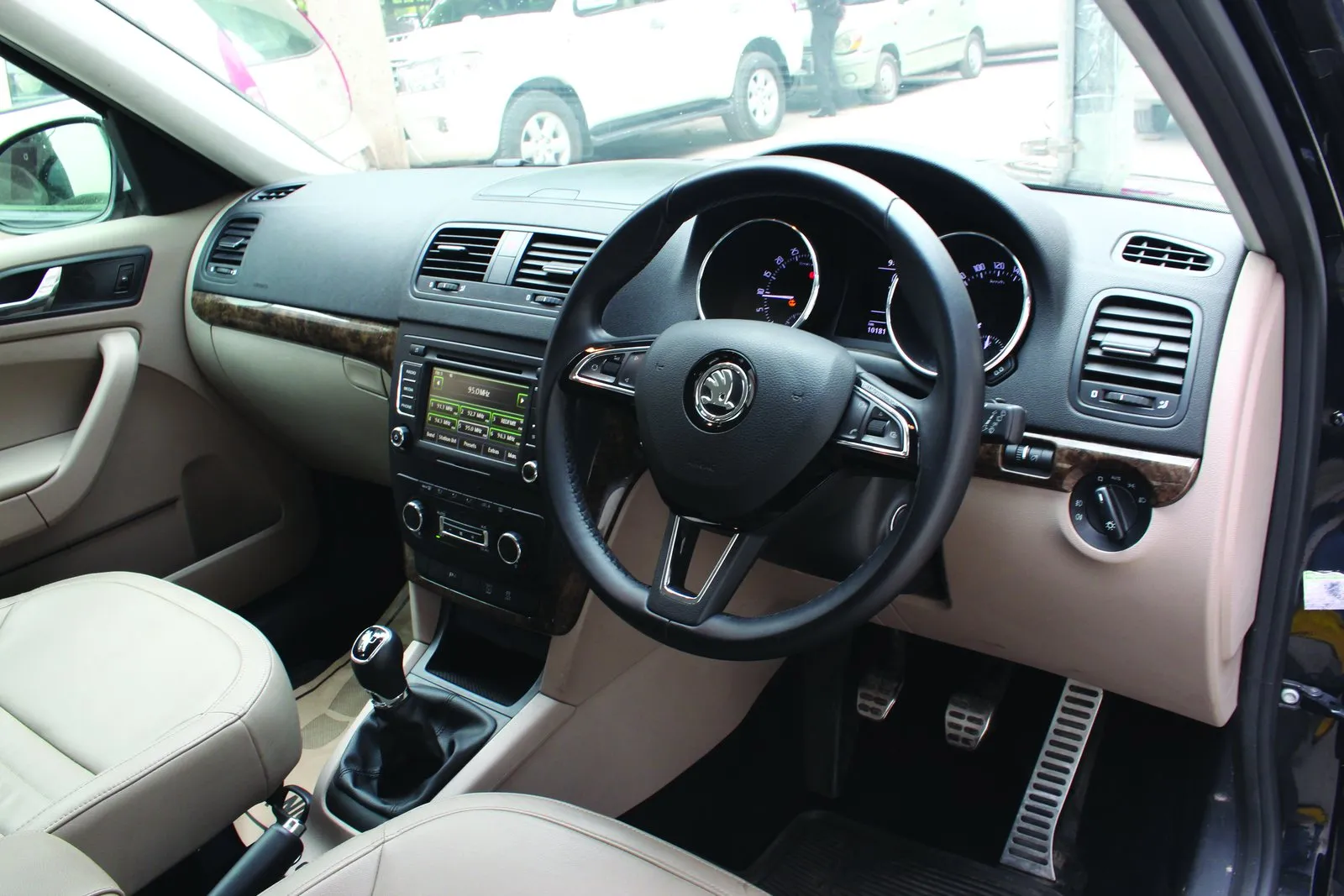
Thumb the starter, yes it gets button start now, and the engine settles into a calm idle which is quite surprising for a diesel. No clatter, no vibrations, just a bassy drone in the background. On the move too, it’s not intrusive and has an inherent smoothness in the way it works. Push the throttle and the torque builds up like a wave, pulling relentlessly in each gear and it’s quite easy getting addicted to this punchy mid-range. Another thing that’s improved is the clutch pedal action. The new Yeti didn’t stall from a standstill as often as the earlier version.
Another plus is the features you get. There’s the fantastic 12-way adjustable electric seats with memory function. Also, the music system now connects to your phone via Bluetooth and gets touchscreen functionality. Bi-xenon headlamps light the way and cornering function has been built in along with fog lamps.
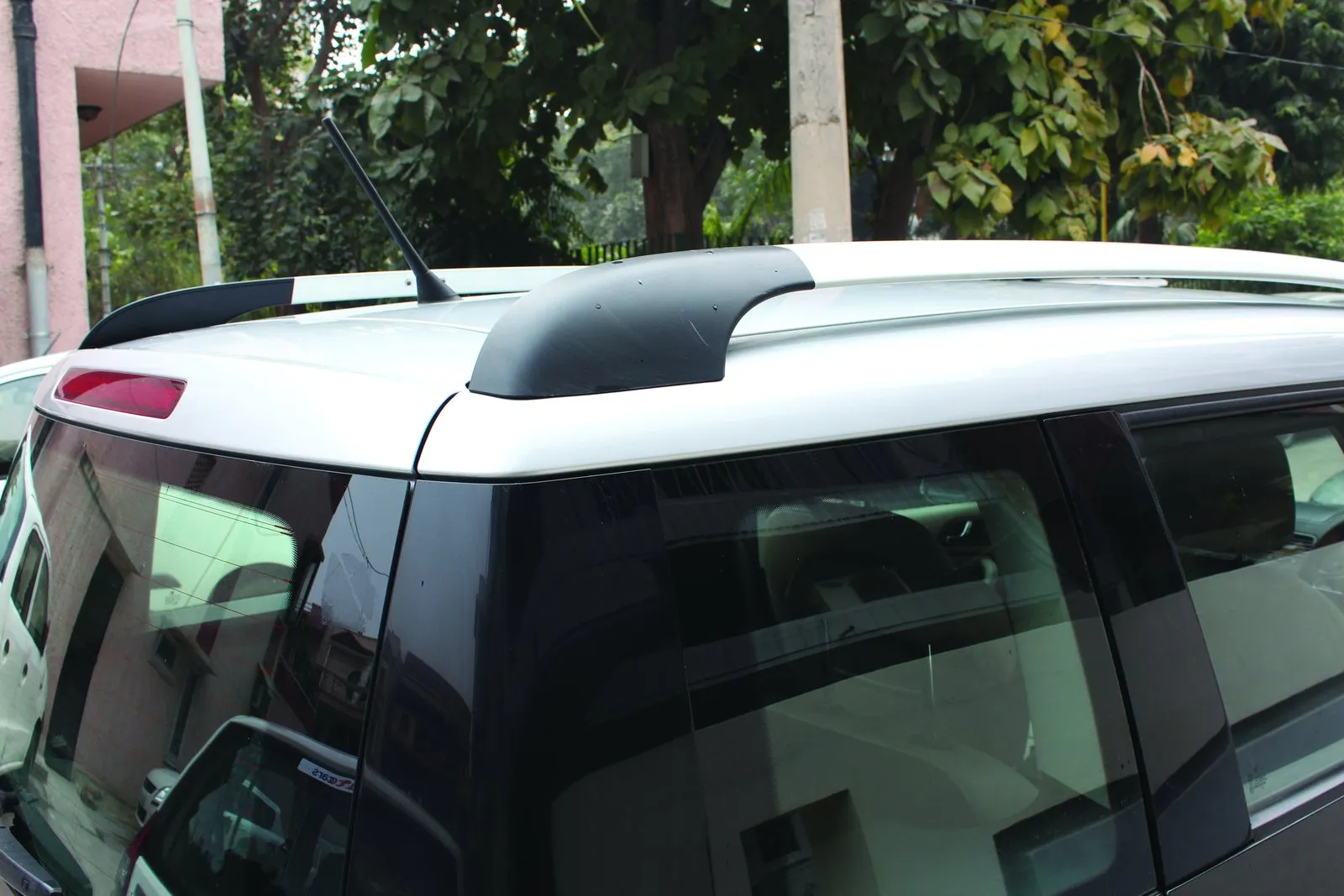
What hasn’t changed is the Yeti’s hatchback-on-stilts driving dynamics, and that’s a good thing. It does feel top heavy when going around a corner, but it doesn’t act like a boat as other ‘proper’ SUVs. And its relatively compact footprint lets you drive through gaps in traffic where you’d think twice in a bigger car. A less recognised feature of the Yeti is the brilliant build quality. Everything from the leather wrapped steering to the soft touch plastics reeks of quality, and you’d be hard pressed to find any cost cutting here.
Unfortunately this reflects in the costs too. At ₹20.10 lakh (ex-showroom Delhi) for the 4x2 or ₹21.80 lakh for the 4x4, it’s just too expensive. And despite its brilliance, it’s really hard to justify that price tag. Buy one only if you’re not deterred by the costs and don’t care if it isn’t an SUV.
Specifications
Price: ₹20.12 lakh
Engine: 1,968 cc
Torque: 250 Nm
Power: 110 bhp
Gearbox: 5-speed manual
From the March 2015 issue of FHM India.
Spotted a mistake, or your photo used without permission? Report a correction











 in your inbox