
The Hipster Bike: Café Racers Explained


Royal Enfield launched its Café racer last month and Triumph motorcycles showed of theirs, which is why it is time ripe for some education.
- Developed by: British motorcyclists in 1960s.
- Purpose: To race from one café to another, chill and listen to music.
- Machine: It’s light and made to speed. Comfort is of least importance in a café racer.
- Humped seat: It’s like taking a ride on a double-humped camel.
- Smaller mudguards: If you observe carefully, the mud guard of any Café Racer would be almost half the size of any regular bike of the same genre.
- Single seater: Café Racers are primarily made as single seaters, however, if your babe is size zero, she can fit in.
- Clip-on handles: They are sporty to look at and help in manoeuvring city roads.
- Inclining silencer: Though there is no fixed angle of incline that the silencers of the Café Racer come with, they are mostly inclined at a certain angle. The angle in Triumph Thruxton is less while it’s more in the Royal Enfield Continental GT.
- Dumps on fuel tank: The dumps on the fuel tank are synonymous to Café Racers. These dumps help the riders grip their knees on the sides of the fuel tank.
- Elongated fuel tank: These are nothing like your regular round or oval shaped fuel tanks.
- Bar end mirrors: Unlike other motorcycles where the rear view mirrors are somewhat centrally stationed at the handle bar, in a Café Racer, they are at the extreme end of the handle.
- Crouching position of riding: You don’t have to sweep back to ride this bike as it’s more like riding a sports bike.
- Shorter gear ration: To gain speed quickly, the gears in the Café Racer change quickly.
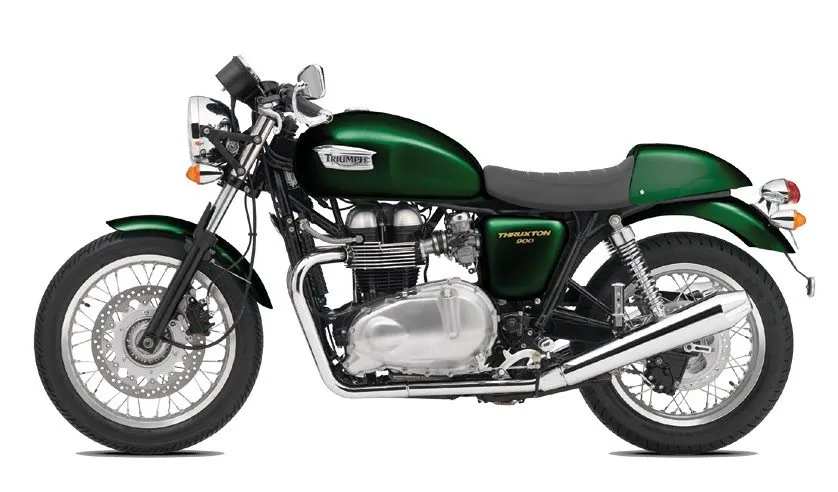
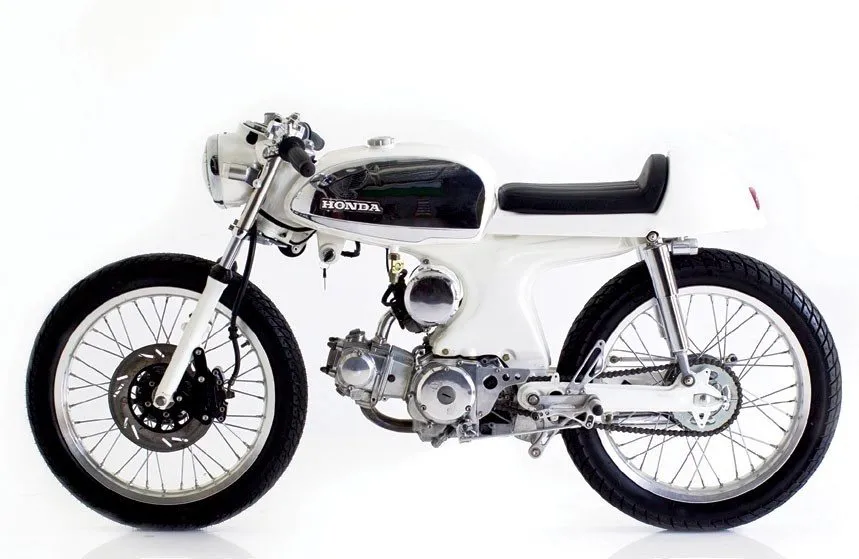
FHM loves: Triumph Thruxton, ₹6.75 lakh; RE Continental GT, ₹2.05 lakh. Race to your café now.

Read FHM India in the digital libraryEvery issue, every shoot, on TCG Media.
From the January 2014 issue of FHM India.
Follow FHM India
Spotted a mistake, or your photo used without permission? Report a correction






 in your inbox