
What the Heck Is a Phablet?
These things seem to have arrived from Mars, or maybe some other galaxy which is inhabited by larger-than-human being sized creatures, or is it just with us? Do we really need a 5-inch smartphone?
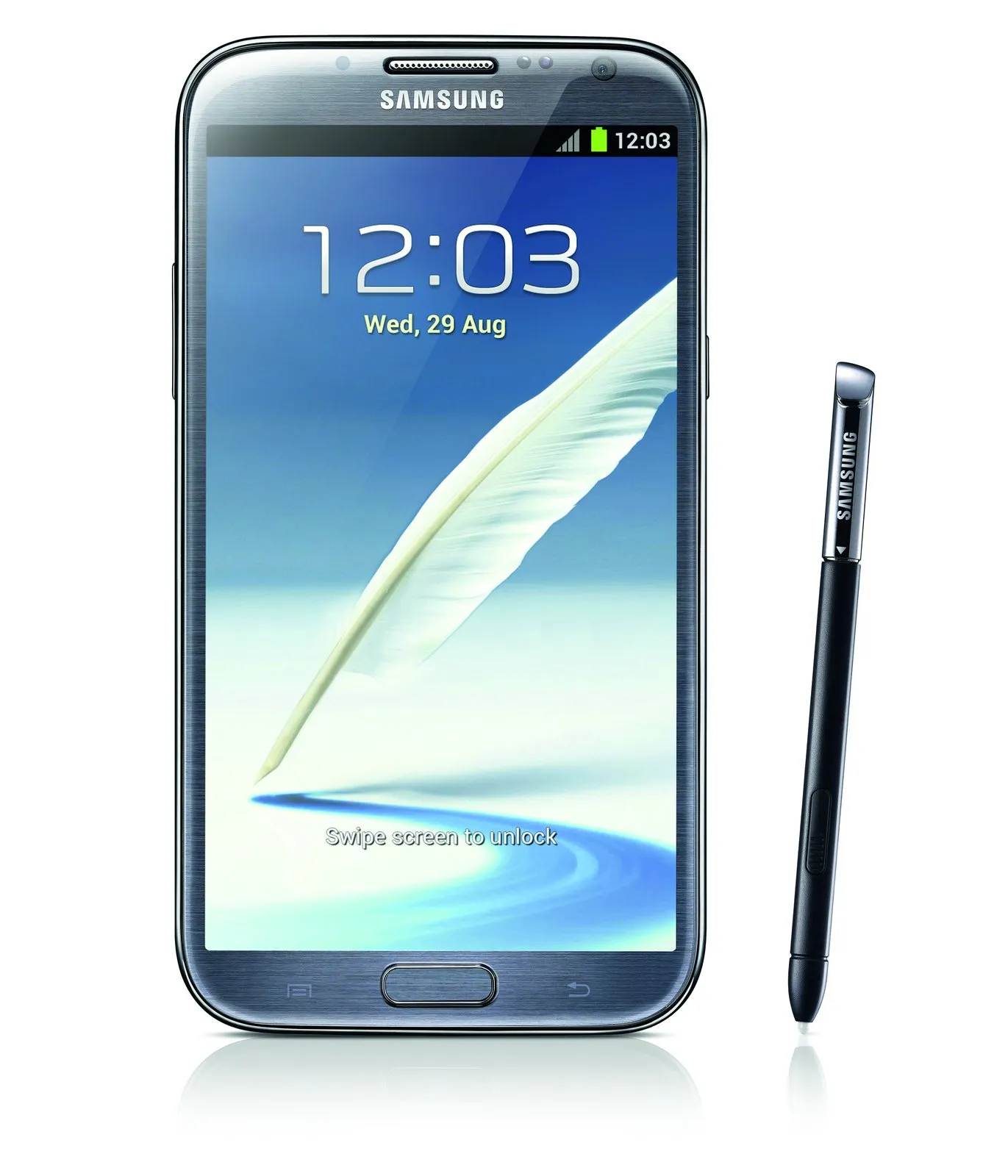



Phablets are consumer touch screen devices with screen sizes ranging from 5 inches to seven inches, and in our times, these are the larger-than-life sized smart phones.
Our generation is also the one which is accustomed to the famous saying ‘we live in a generation ruled by dumb people and smarter phones’, but hey, does having a 5 inch plus device which can barely fit in your hands or in your pockets, unless you still flash those low waist baggy jeans, does not make you look smart for sure.

Just to clear things up, the 5.3″ Samsung Galaxy Note is considered a phablet, whereas the ASUS Padfone, with a phone that docks into a tablet casing to then be used as a tablet, is not a phablet. The idea of a phablet is to be able to enjoy the best of both worlds, without needing additional devices (or device casings in the case of the Padfone).
Let’s take a look at a few such devices available in the market now, as well as some future releases that will likely keep up the phablet trend.
LG Optimus VU
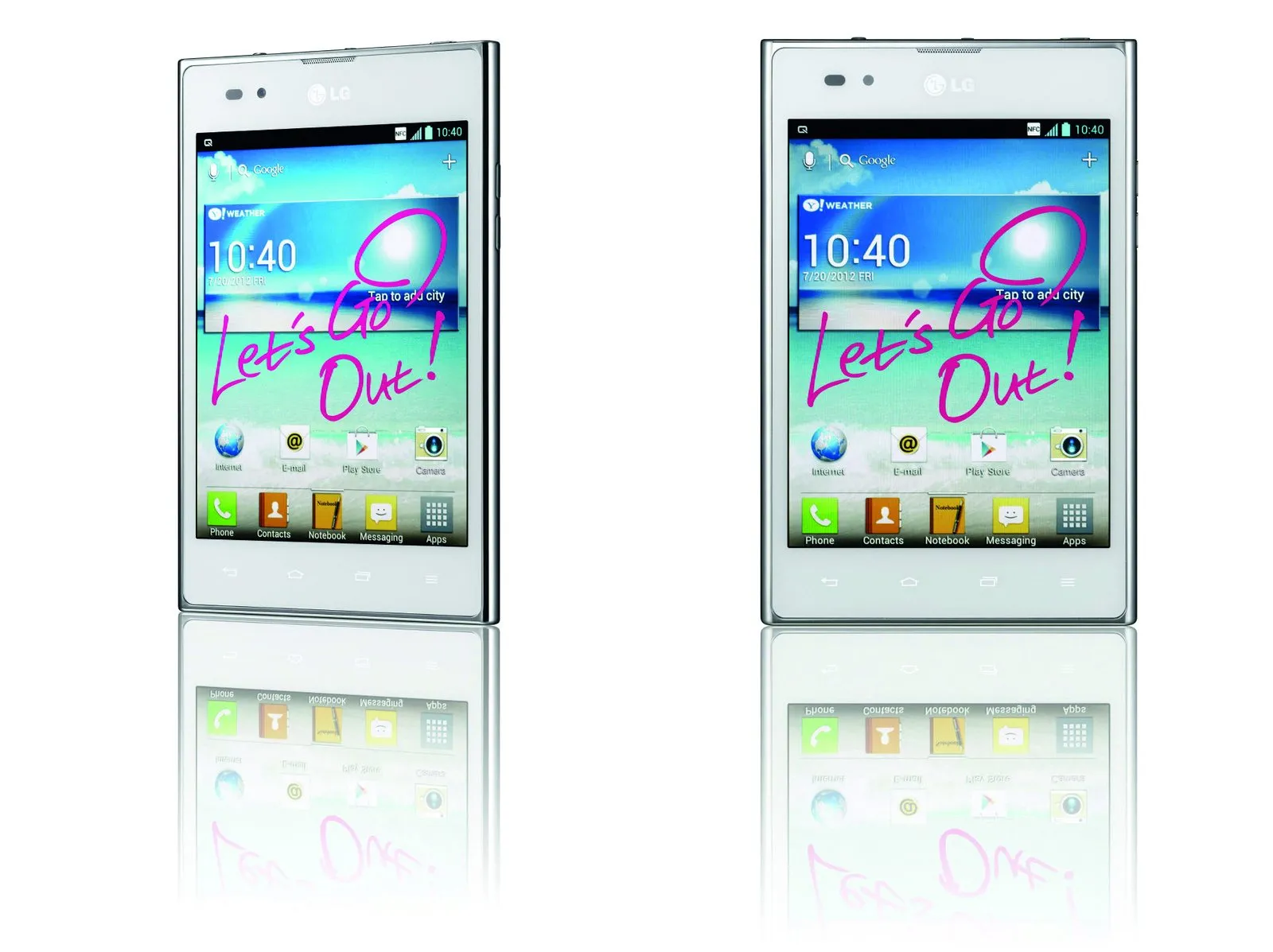
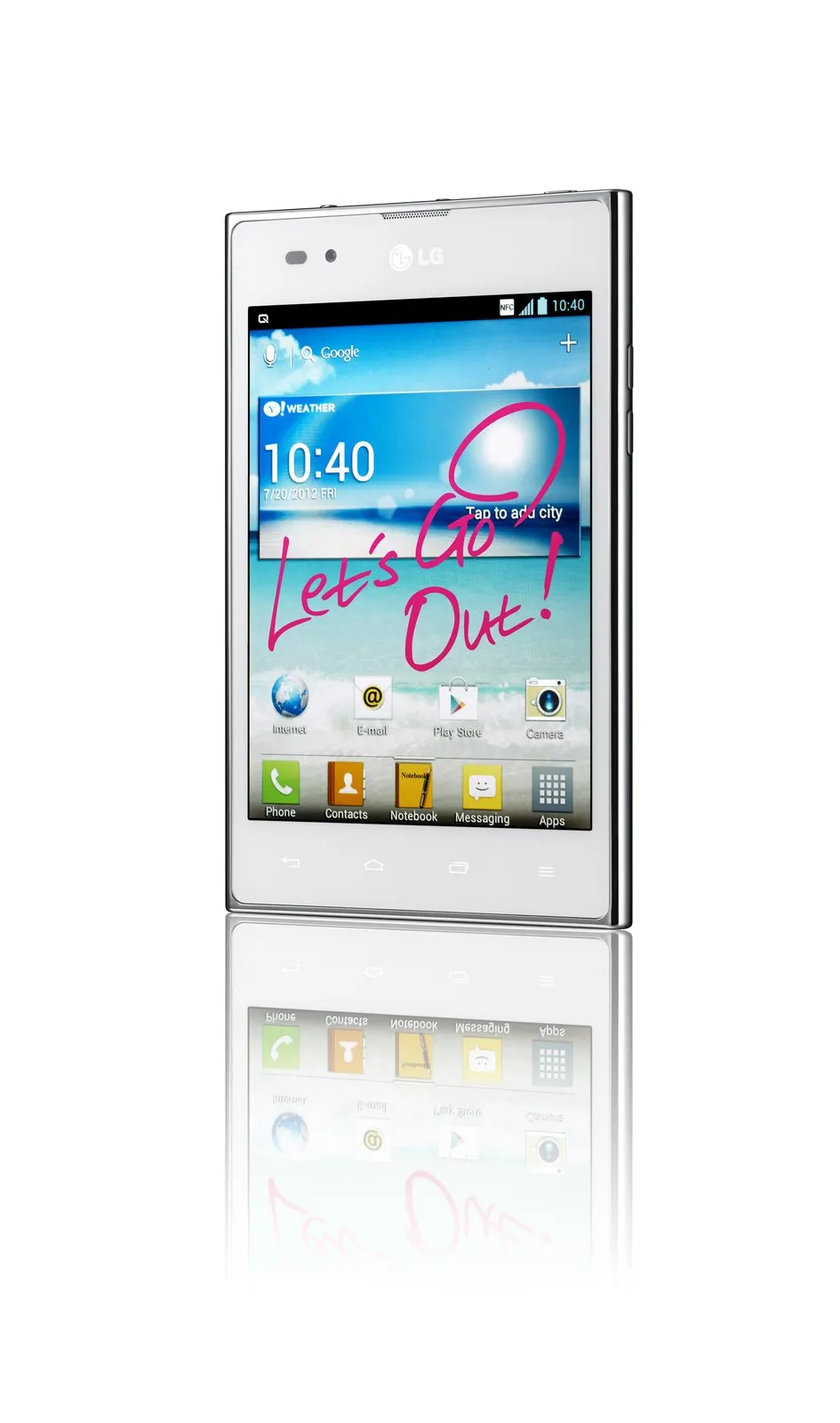
LG hasn’t exactly been a major player in an Android smartphone world dominated by Samsung and HTC, but it has stepped up its game this year with impressive high-end releases like the Optimus 4X HD. LG is also attempting to become a contender in the phablet market, and provide some competition to the hugely popular Samsung Galaxy Note, with the 5″ LG Optimus Vu.
Everything on this phone seems to be right – lightweight, responsive touch, slimness but the design. It actually feels like holding a square box of chocolate in your hand – and that too not a very sweet one. The phone is coupled with Tegra3 processor, 1GB ram and 32 GB memory (internal only). What comes in as a bummer is the 4:3 display aspect ratio which might not settle in that well with a lot of us, considering it's one of the very few display aspects manufacturers use these days. With a stylus input, LG has yet again followed in the footsteps of Samsung and tried to bring the old school accessory back in vogue. Another feature which LG has tried to show off with this phone is of NFC tags (there are 3 bundled in the packaging, though we are still figuring out where to use them). The 8mp rear camera with LED flash will not disappoint the photographer in you and a fairly decent Li-Ion 2080 mAh battery will let you wander around the whole day without the need to plug in the charger.
A slim 8.5mm body, a fairly decent web browser, Android v4.0 Ice Cream Sandwich and Dolby mobile sound enhancement are certainly the things that keep us happy, the near square shape is what kept us awry. Hard to hold and awkward to hold up while making a call, we find it hard to recommend the phone. Additionally, the inability to stow away the stylus further gets in the way of its limited appeal.
Ohh, and did we mention that it will definitely make a hole in your pocket with a price tag of JUST ₹34,999.
Micromax Superfone Canvas 2
The human brain has a weird tendency to tag brands/products with the price they are available for. Higher the price, higher the brand’s appeal. Yet, here is a classic avatar from Micromax which comes with a plethora of features and does not make your bank balance go haywire. The A110, Canvas 2, is powered by a 1GHz dual-core processor, which means it can run most of the latest apps available on Google Play. The phone sports an 8-megapixel CMOS camera with dual LED flash and offers multiple camera settings for adjusting brightness level, zoom in and zoom out and night mode. The A110 also features a 0.3MP front camera for video calling. For storing files, videos and music, we get 4GB of internal storage space, which is expandable up to 32GB via microSD cards.
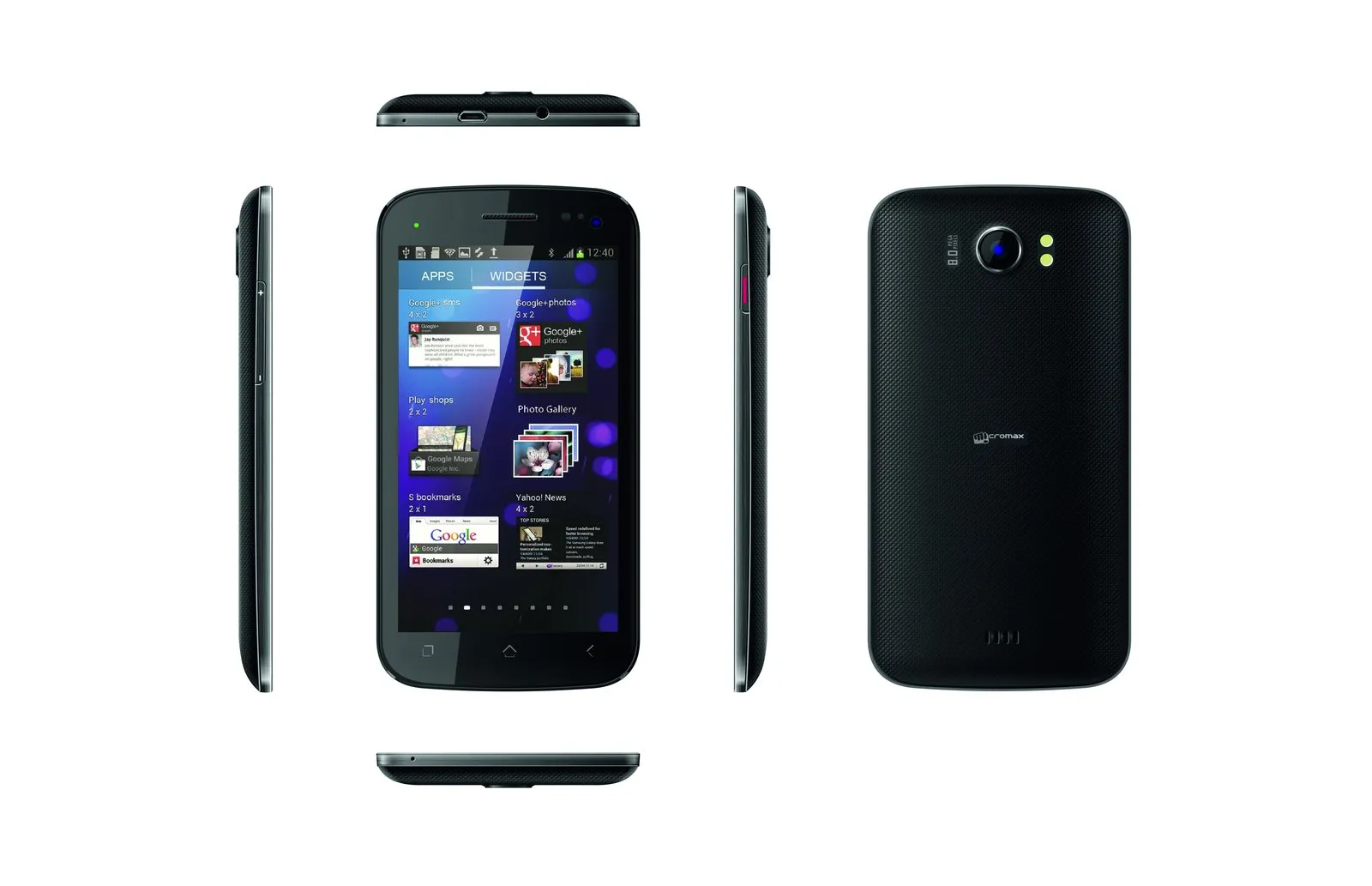
Available in two colours – black and white (the white one will definitely make a style statement). Despite sporting a 5 inch capacitive screen this phone fits amazingly well in the hands. The LCD display has quite a low resolution of 854 x 480 which might disappoint you as it makes images, icons, etc. lose their sharpness. We feel the UI could have been smoother considering it is powered by a dual core processor. What we really liked is that Micromax has added a SIM management option to set the default card for call, messages, Internet, etc. Both SIMs can be active at the same time if needed. Another feature added is a scheduled power off option, which lets you switch the phone on or off at a designated time and day of the week.
With a few minor glitches – this phablet is not at all a bad one considering it is priced at a meager value of Rs 9,999.
Samsung Galaxy Note 2
It’s either Samsung’s association with Apple or their developer team has become super smart. Samsung seems to be riding high on a new tune of its own – where the loggerheads are finding it hard to cope. This new mobile device – is nothing less than a marvel, a trendsetter and a benchmark which will raise the bar of how phablets are made. Though we are still amazed at what holds in future – considering most of the techies out there predicted a smaller and a smaller successor of a mobile device, the reality seems to be exactly opposite.
In the real world seems to be the King of all the phones and why shouldn’t it be – with a 5.5 inch super Amoled screen, 1.6 GHz dual core processor, stylus for writing notes and taking screenshots, 720p display, an 8MP camera, the S Voice voice-to-text service and the list goes on. What really makes a difference is Google Now, a service where Google looks at your calendar, tasks, and searches, and offers helpful tips on how to go about getting those things done. The best example is with calendar appointments. If you set the time and location, Google Now will actively scan traffic (on the server side, so your phone doesn’t lose battery life performing the task itself) and tell you 15 minutes in advance when you should leave. Note 2 has a very accurate and pressure-sensitive screen, so writing on it is surprisingly good. If you wanted to send a photo with a quick note to someone, this phone can actually do that with relative ease. And because of the large size, while your handwriting may look terrible it will be legible. The second thing is that the screen is too sensitive for the stylus even when the stylus is pointed from a distance.
What we really didn’t like was the eye pinching brightness. When set to automatic, the screen dims too much, much more than it should in bright conditions. It becomes next to impossible to use outdoors or in bright areas with brightness set to auto. But this is a small glitch which might be reworked from the manufacturers' end. Overall the phone stands to be the right mix of a smartphone and a tablet pc.
This phone has managed to sell about 5 million worldwide which does not surprise us considering it is priced at ₹34,599.
Aqua 5.0
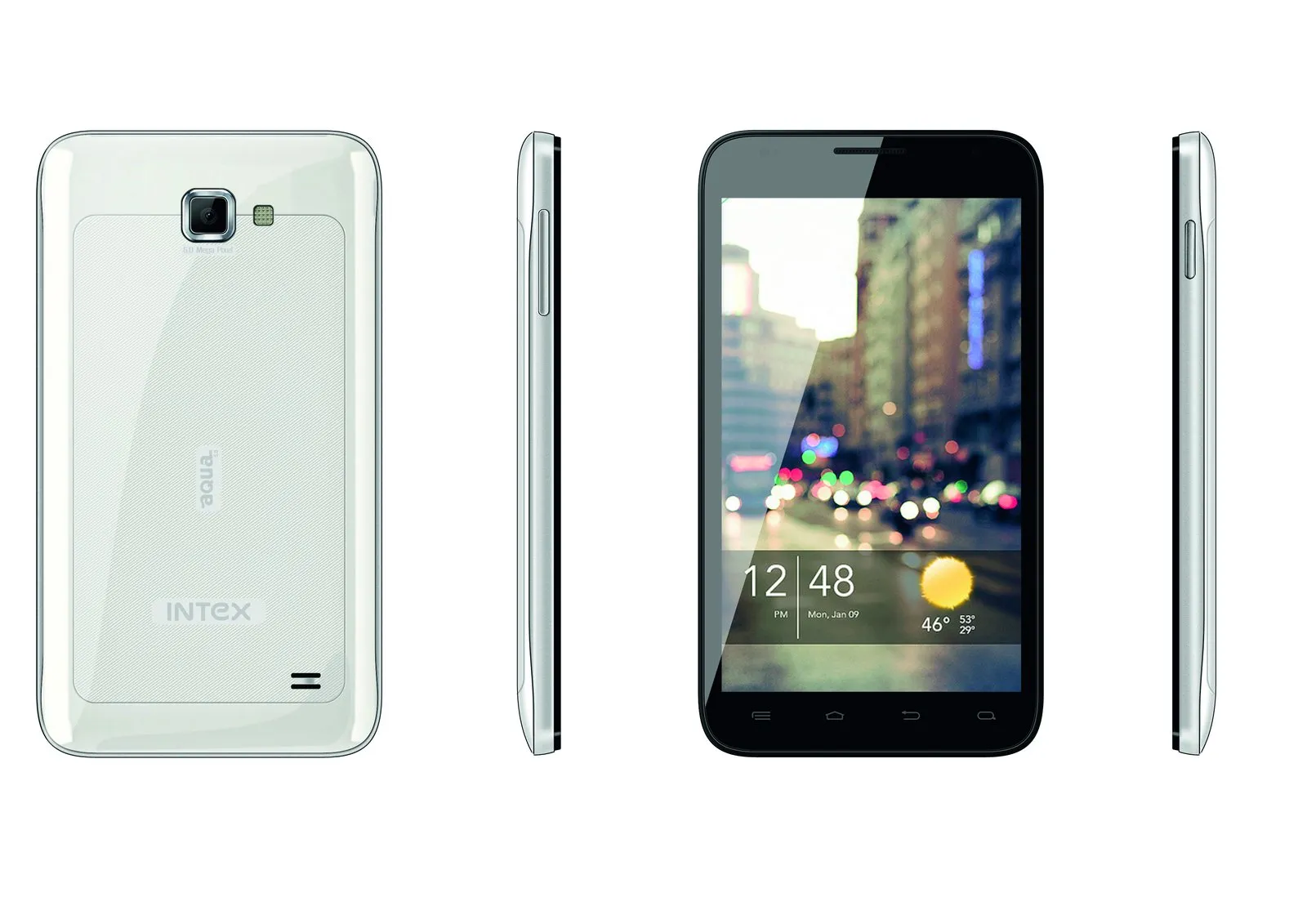
The latest company to join the bandwagon is Intex who recently launched the new Aqua 5.0. On paper, specs wise, the Intex Aqua looks very competent. It runs on Android 4.0 and is powered by a dual-core 1 GHz processor. Though it does not match the Samsungs and HTCs in terms of performance as its Achilles heel is the 512 MB RAM while others have a 1 GB RAM. The Aqua sometimes hangs while playing high graphics games but nothing too serious to hamper your game or annoy you. Best thing is to go to the task manager and shut down some running programmes. That way the phone is solely dedicated to your game. It also comes with 2 GB internal memory space.
So does this dual SIM phablet please the eyes? Yes very much so. The aluminium side finish and the all black-interface makes the Intex look like the class leading Samsung Note. Unfortunately the back panel is a bit too plasticky for our liking and feels like cheap toys’ battery flap. The 5-inch size may look like it is a handful but the design of the Aqua makes it easy to use. The 5-inch display with 800x480 pixel resolution is not one of the brightest screens as compared to its competition. So we would advise not to watch the screen at an angle. The touch response is almost flawless and there isn’t any lag.
The downfall of this device is its 5 megapixel camera. Even though it comes with an LED flash and face detection feature, the photos lack the sharpness which top foreign mobile makers provide. This has been one of the major flaws most Indian mobiles face. It also comes with a 0.3 megapixel camera which is installed in front. Again it is functional at best. The Intex Aqua is an impressive phablet as it does ace in many fields. It is like a Jack of many traits and not yet the master of this segment but the Aqua does honestly try. It is available at a competitive price ₹9,999 which does make it a good buy.
From the January 2013 issue of FHM India.
Spotted a mistake, or your photo used without permission? Report a correction













 in your inbox