
9 Ways to Make Sure Your Tyres Don’t Burst
Easy-to-follow tips to increase the life of your tyres and improve the handling of your car



Excessive speed of tyres is to be avoided, if tyre pressures are not according to the vehicle manufacturer’s recommendation.
Avoid Overloading.
Avoid overloading your vehicle. If you intend to drive under full-load conditions adjust your tyre pressures according to the vehicle manufacturer‘s recommendations.

Avoid Damage to the Tyres.

If you have to drive over an obstacle, approach it slowly – as close to the perpendicular as possible. Check your tyres regularly for exterior damage such as cuts, cracks or bulges.

Since worn tyres greatly increase the risk of aquaplaning and impair wet braking performance², we strongly urge drivers to change their tyres before they reach the minimum legal tread depth.
Check your tyre pressure regularly.
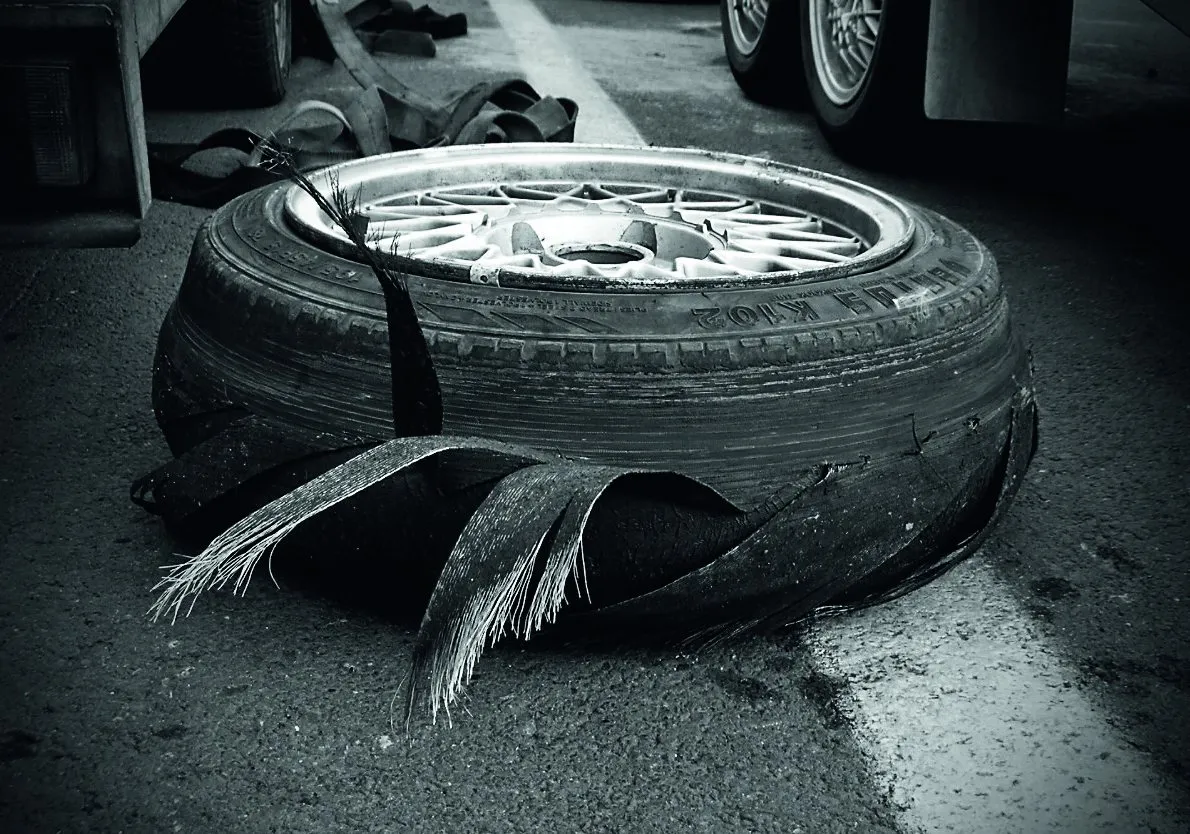
Tyre pressure plays a definitive role in the service life and safety performance of your tyres. Tyre pressures are determined individually for every vehicle model by the tyre and vehicle manufacturers. Refer to the owner’s manual, the fuel tank cover, the car door or glove compartment to find the correct tyre pressure for your vehicle.

Under- or over-inflation reduces the tyre’s ability to grip the road properly. Not only will this cause excessive or uneven tread wear, it has a substantial influence on handling, which can be particularly dangerous when cornering at high speeds.
If the inflation pressure is not adequate for the load being carried, the tyre temperature increases due to increased flexing. Excessive temperature can result in structural damage to the tyre and even to tyre failure.
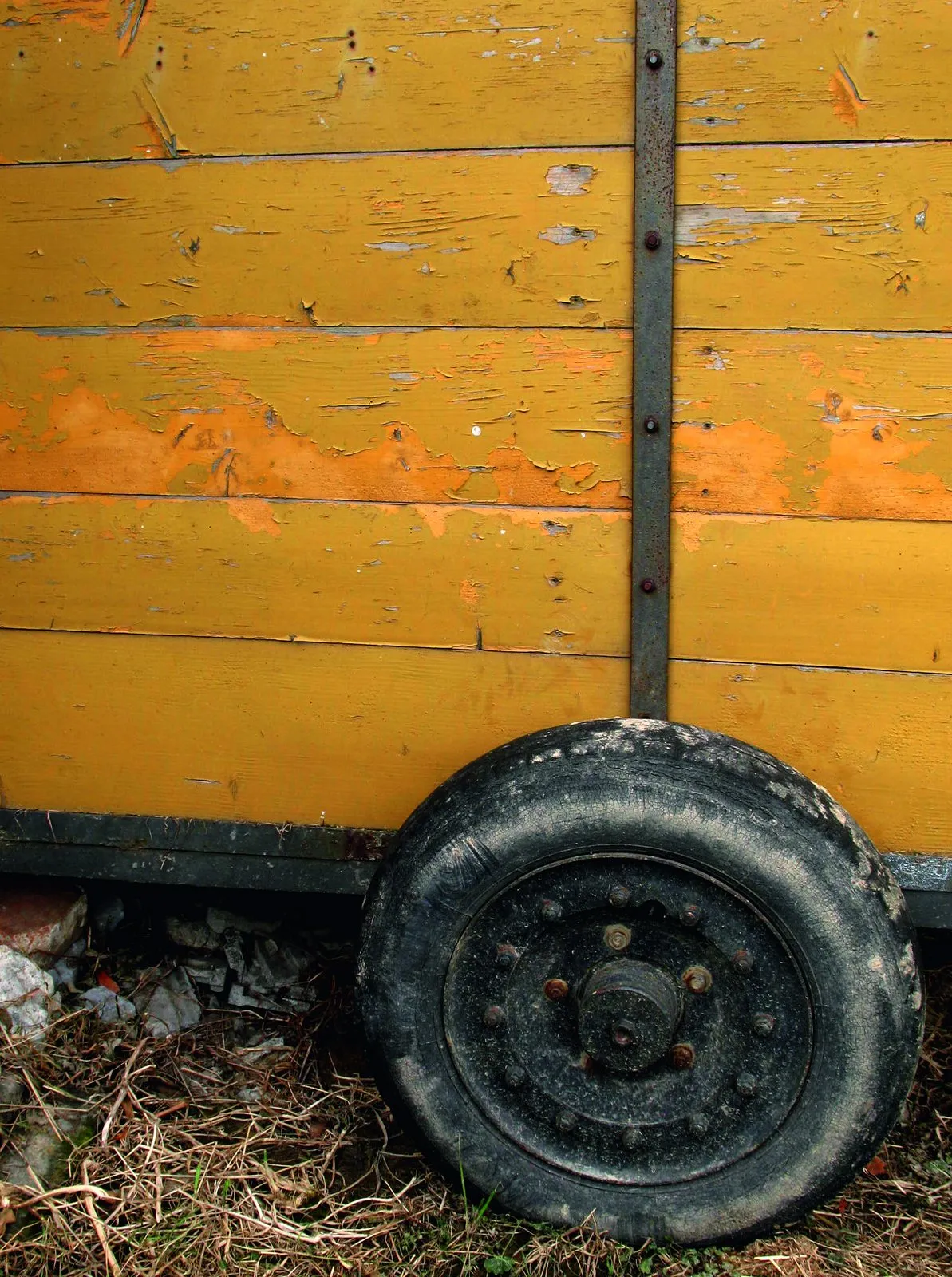
Check Tread depth Braking distance (m) Road.
Pay particular attention to the tread of the tyre – it has a strong impact on several performance criteria. An important factor is the tread depth of the tyre, which by law has to be a minimum of 1,6 mm¹. If you drive with less tread, you risk the possibility of a fine or penalty points on your driving license.
Tread Wear Indicators (TWI’s) are important tools for judging remaining tread depth. These are raised bars in the main longitudinal tread grooves, distributed evenly around the circumference of the tyre, which become level with the rest of the tread pattern once the legal minimum tread depth of 1.6 mm is reached. Continental’s winter tyres have additional tread wear indicators which indicate when the tread depth reaches 4 mm because winter performance drops off substantially from this tread depth.

Regularly get your tyres aligned and balanced.
When changing from summer to winter tyres – ensures vibration free driving. Not only will the vehicle drive more smoothly, it reduces the wear on your tyres and on other parts of the vehicle suspension. Another positive aspect: you are increasing the safety for yourself, your passengers and other road users. The point at which a tyre is replaced is a decision for which the owner of the tyre is responsible. The tyre owner should consider factors to include service conditions, maintenance history, storage conditions, visual inspections and dynamic performance. The consumer should consult a tyre service professional with any questions about tyre service life.
Always fit same type of tyres (brand and tread patterns) on all four wheels.
We recommend fitting the same type of tyres (brand and tread pattern) on all four wheels as this makes for superior handling and braking performance in all driving conditions.
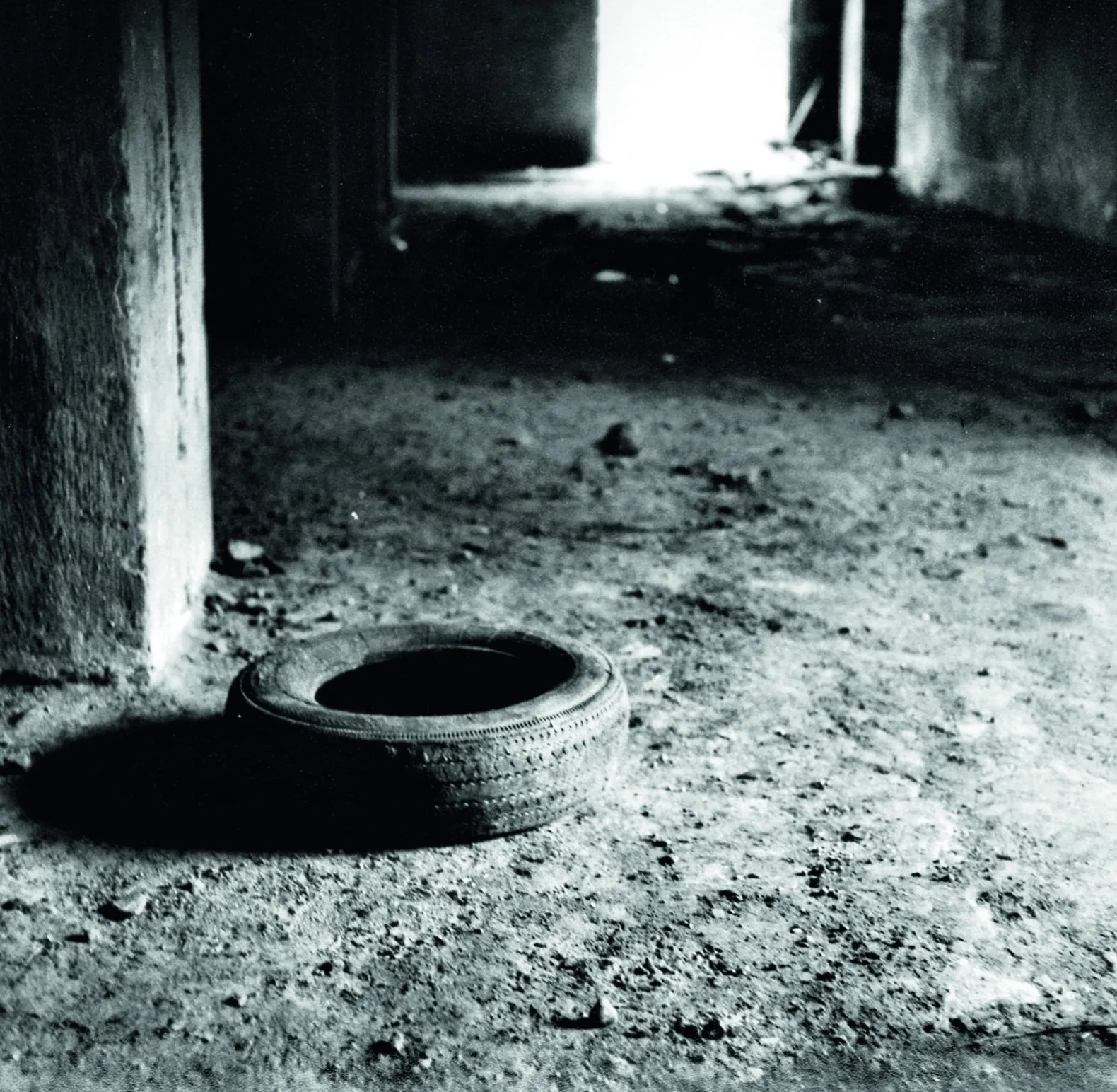
Sooner or later, you will have to replace your tyres. Find out how old the tyre is. The service life of a tyre is a cumulative function of the storage, stowing, rotation and service conditions, which a tyre is subjected to throughout its life (load, speed, inflation pressure, road hazard injury, etc.). Since service conditions vary widely, accurately predicting the service life of any specific tyre in chronological time is not possible.
So that you can check when the tyre was made, the major tyre companies use a common coding system. You will find this code on the sidewall of your tyre. On tyres made after 1999 the last 4 digits identify the date of manufacture. The first two of these 4 digits identify the week of manufacture. The last two numbers identify the year of manufacture.
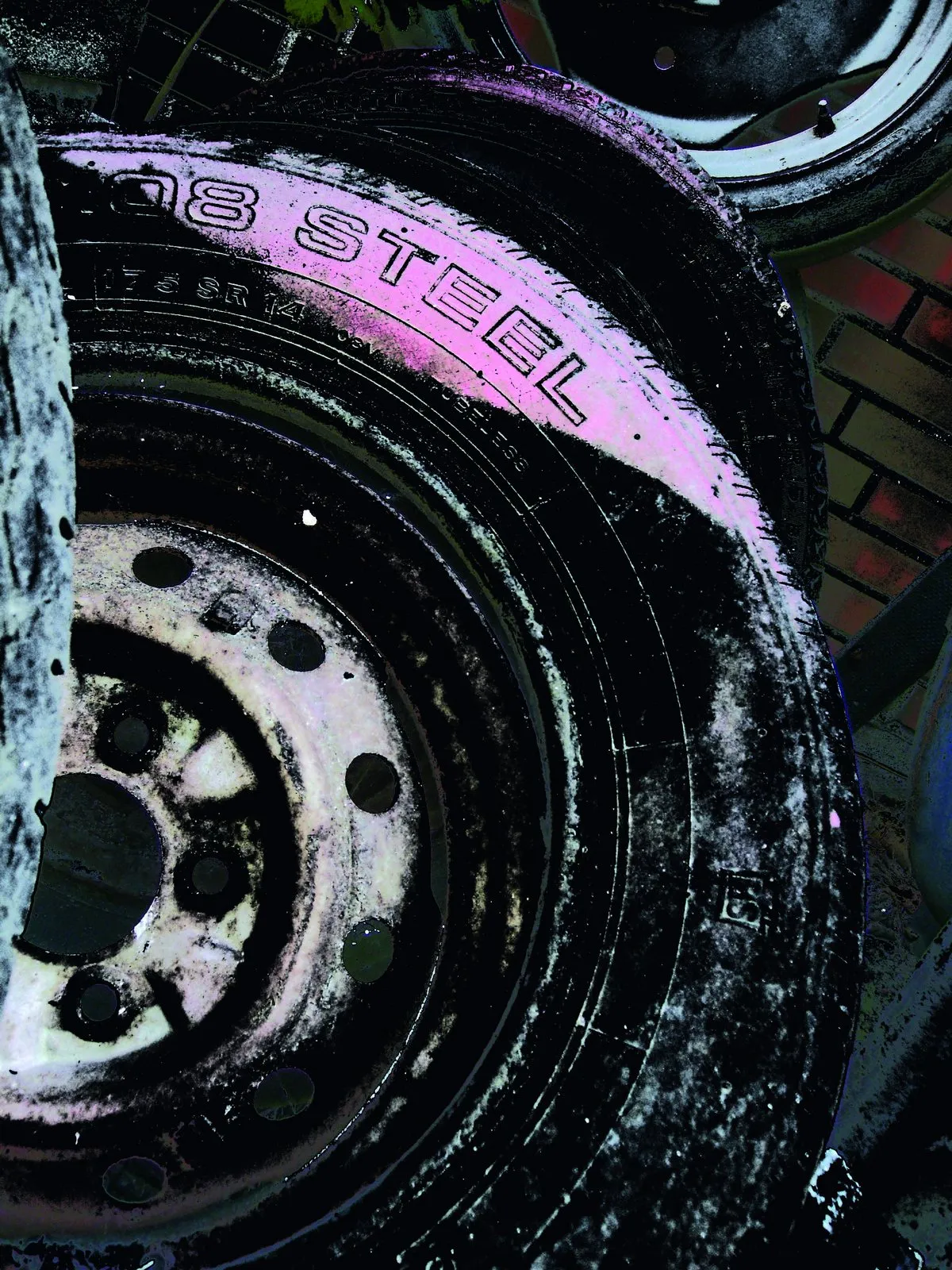
Make sure all your tyres are from the same manufacturer and have the same tread pattern.
Tyres get expired after 10 years of manufacturing.
All tyres (including spare tyres) that were manufactured more than ten years ago should be replaced with new tyres, even if they appear to be usable from their external appearance and if the tread depth may have not reached the minimum wear out depth.

Visual Inspection
By checking the condition of the tyre tread and sidewall you can spot any damage early- before it becomes a major safety hazard. In scope cases you may find the tyre is illegal, despite the tread depth being above the legal minimum.
Visually inspect the tyre tread and the sidewall all the way round the tyre. If you are concerned about anything ask a professional.
Do not purchase, sell or install used tyres, if you are not sure of their history.
Always purchase tyres from an Authorized dealer.
From the September 2012 issue of FHM India.
Spotted a mistake, or your photo used without permission? Report a correction













 in your inbox