
A Man’s Guide to Dogs



A pet pup could be your new best friend, but only if you choose the right breed. Here’s all that need to know to pick the perfect pooch for you
Cavalier King Charles Spaniel: Dottie, 7 years old

Which is the right dog for me?
Whether you already have a pooch or are looking to get one, there are things you need to know to avoid barking up the wrong tree. We enlisted the help of animal behaviour expert Helen Stone from Battersea Dogs & Cats Home to provide us with her doggy wisdom…
You might have heard that people in flats shouldn’t get dogs, but as long as you’re willing to put in the time and you give it exercise, the size of the house – or dog – doesn’t matter too much. It’s more about the breed than the size, as some are a lot more active than others. Siberian Huskies, say, aren’t huge, but they’re used to pulling sledges all day in the snow. If you get one of those, you need to be walking it a lot. A dog’s breed plays a huge role in its behaviour. German Shepherds and Rottweilers are historically bred to guard and make noise when people come to the house. If you don’t want a dog that’s going to bark at certain noises, you may want to consider a different breed. Training has a massive impact too, and most things can be taught, no matter the breed. Pretty much all breeds have associated health issues – Labradors can have problems with their hips and arthritis; Pugs can have trouble breathing and be prone to epilepsy because of the size of their head. If you’re going for a pedigree dog, you want to find out about the parents and whether they suffer from problems. Mongrels tend to be healthier than pedigree dogs, but again that depends on which breeder you get it from.

All dogs need a leader to show them what to do; they need guidance in how to behave in a human house because it’s a strange environment for an animal. But if you’re using force or punishment, it will just create a problem between you and the dog where they feel they need to defend themselves. Those sorts of techniques can create a lot of detrimental problems for the dog. It’s about respect both ways. If you show them what to do, you should be fine. If your dog’s being annoying, chasing your feet and chewing everything up, it’s probably just bored because it isn’t getting enough exercise. Dogs aren’t spiteful animals and they’re not doing things to annoy us or to try to get a reaction out of us; they’re doing things because it’s what they need to do to cope in that situation.
Some new dog owners compare getting a dog to having a baby. Suddenly their life has changed. You have to plan your day; you need to know someone’s coming home at a certain time for the dog, and someone’s always responsible for making sure that it’s fed and it’s OK. You need to be taking it out for a walk twice a day, and your social life will be impacted quite heavily – if you normally come home and go straight out with your friends, you’re often going to need to stay in and spend some time with the dog instead.
Financial cost is something that people often don’t think about. Buy a puppy today, and it could cost you around 2 lakh (13 years, on average). You can expect to pay ₹15,000 upwards for a pedigree pooch, and then you’re looking at veterinary costs, insurance, neutering, food, toys. You can ask the guy who cleans your car to take you pet for a walk, but he will charge ₹600-700 per month for the job.

01 Dachshund
Tiger, 5 years old
Better known as sausage dogs, Dachshunds were originally bred as working dogs to chase game like badgers and rabbits. Surprisingly energetic, they do need a fair bit of exercise, though equally enjoy a good snooze. They’re loyal, but not necessarily the most obedient.
02 Dobermann
Bruno, 8 years old

Named after their original breeder, a German tax collector who needed a dog to help him collect payments. These dogs are tough, fast and skilful trackers (which makes them popular police dogs), but they’re also loving, affectionate, and love a good lie down.
03 Cocker Spaniel
Layla, 3 years old
Spaniels are a fun and friendly bunch, and Cockers are the most easy-going of the lot. They’re retrievers that thrive on hanging out with humans and love pleasing their owners. On the one hand that makes them relatively easy to train; on the other hand, it means that – in the absence of rabbits – any old slippers you’ve got lying around the house are likely to get covered in Spaniel slobber when it drops them at your feet with a look of pride on its face.

04 Yorkshire Terrier
Zack, 4 years old
Yorkies have got really big personalities for such tiny dogs. They tend to be pampered little pooches, but that’s more down to their owners – who pick them for their cute puppy-dog eyes and sticky-uppy ears – than the dogs themselves. Yes, they walk around town with ribbons in their hair, but in the right hands Yorkies are playful, energetic dogs that like chasing after toys and small rodents alike.
05 Akita
Hugo, 3 years old

These big, powerful Japanese beasties were bred as fighting dogs, but their strength and skills were soon used for hunting bears – yes, actual bears – as well as wild boar and deer. This makes them good guard dogs, but they’re big furry softies at heart, and are quietly devoted to their owners, who they’d do anything to protect. They require a ton of exercise, and aren’t suited to sitting around all day in a cramped flat.
06 Beagle
Bteezer, 5 months old
Still used today for tracking and hunting hare, Beagles are one of the most popular hounds in Britain. They’re friendly, enthusiastic and love running around the park or, better yet, a big open field. Don’t be fooled by their small bodies – Beagles were bred to hunt other animals, so good luck calling one back once they’ve found a scent. If you enjoy standing shouting after your dog or looking for it in the undergrowth, get yourself a bubbly Beagle.

07 Jack Russell
Miley, 8 years old
The Kennel Club, in its infinite wisdom, doesn’t actually recognise the Jack Russell as a breed, because the dogs can vary so much in shape and size, but it’s still one of the most popular dogs in Britain. They may be little, but Jack Russells are super energetic and need a good amount of space to run around in, or at least a couple of good long walks a day.
08 Chihuahua
Toby, 2 years old

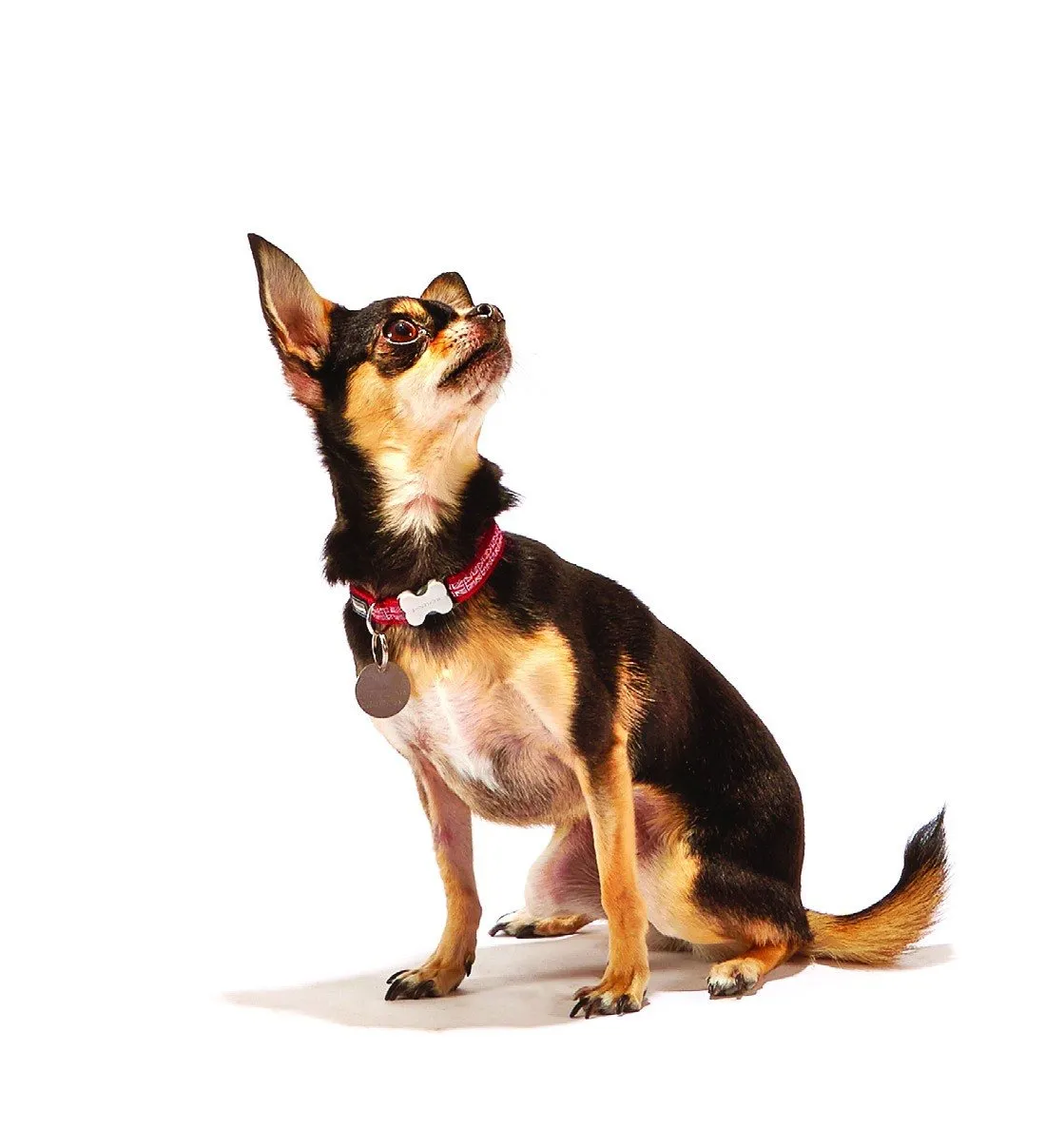
The smallest dog breed in the world, you’re more likely to see one of these fur balls in Paris Hilton’s handbag than a bloke’s back garden, but they’re actually pretty smart, trainable little pups. They’re lap dogs, so require very little exercise compared to some other breeds – under an hour a day – and they make really good companions for old folks.
09 Staffordshire Bull Terrier
Mylo, 4 years old
Staffies have probably the worst reputation of any dog in the UK today, and it couldn’t be any less deserved. They may look tough, and they do have a lot of power in that squat, muscly frame of theirs, but on the inside they’re one of the softest, soppiest breeds around. Staffies even used to be known as the “nanny dog” because they were so good around children. Their bad rep nowadays comes from the idiots who train them to fight, which is totally against the breed’s nature.
FYI
If you plan to transport your pet by air, you will have to pay for double the weight of the cage and the dog. If your pooch wighs 10 kilos and the cage is of 20 kilos, you will pay for (20+10)x2. Only Jet Airways and Air India allow pet transport in India. Train is cheaper, but not really advisable because of a lot of formalities, plus it’s not safe.
Friendicoes-SECA is a charity that cares for pets, abandoned and unwanted providing veterinary care and shelter. To find out more or to donate, find them on www.facebook.com/friendicoes.
Why dogs really are man’s best friend
It’s been emotional
Dogs are the only critters in the animal kingdom that can read emotion in humans. Science types at the University of Lincoln found that after 15,000 years of domestication, dogs have developed the ability to tell if we’re happy, sad or angry just by looking at our ugly mugs.

Super sniffers
Your dog could save your life, and not just by pulling you out of a burning building or by alerting someone that you’re stuck down a well. French researchers found some breeds can be trained to detect prostate cancer, just by sniffing your piss.
Canine connection
Contagious yawning – when you yawn because the person you’re with just has – is a subconscious way of displaying empathy for our fellow man, and the more empathy you feel for others, the more likely you are to yawn when someone else does. But dogs do this too, according to researchers at the University of Tokyo, showing that they are genuinely “emotionally connected” to people.
Clever girl
Dogs can understand up to 250 words and signals, which linguistically makes them about as smart as a two-year-old human. This means they’re able to fetch an item like a ball just by hearing the word for it. The smartest poochies are Border Collies, Poodles, German Shepherds and Golden Retrievers. The dumbest? Shaggy old Afghan Hounds.
From the December 2013 issue of FHM India.
Spotted a mistake, or your photo used without permission? Report a correction











 in your inbox