
Anand Neelakantan: Ramayana From Ravana’s Side
The debutant writer tells us the truth about Ravana and narrates Ramayana from the evil king’s perspective…
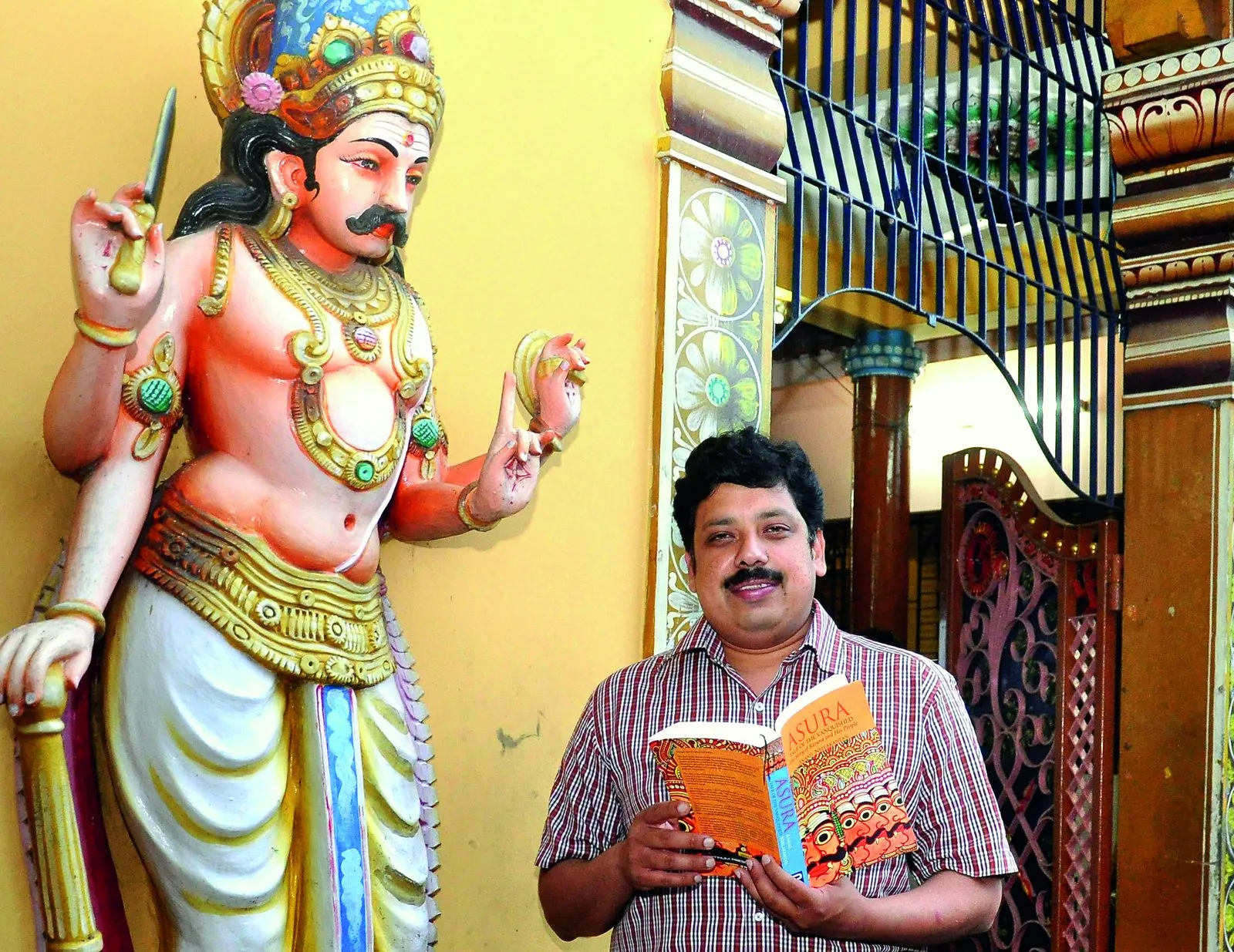


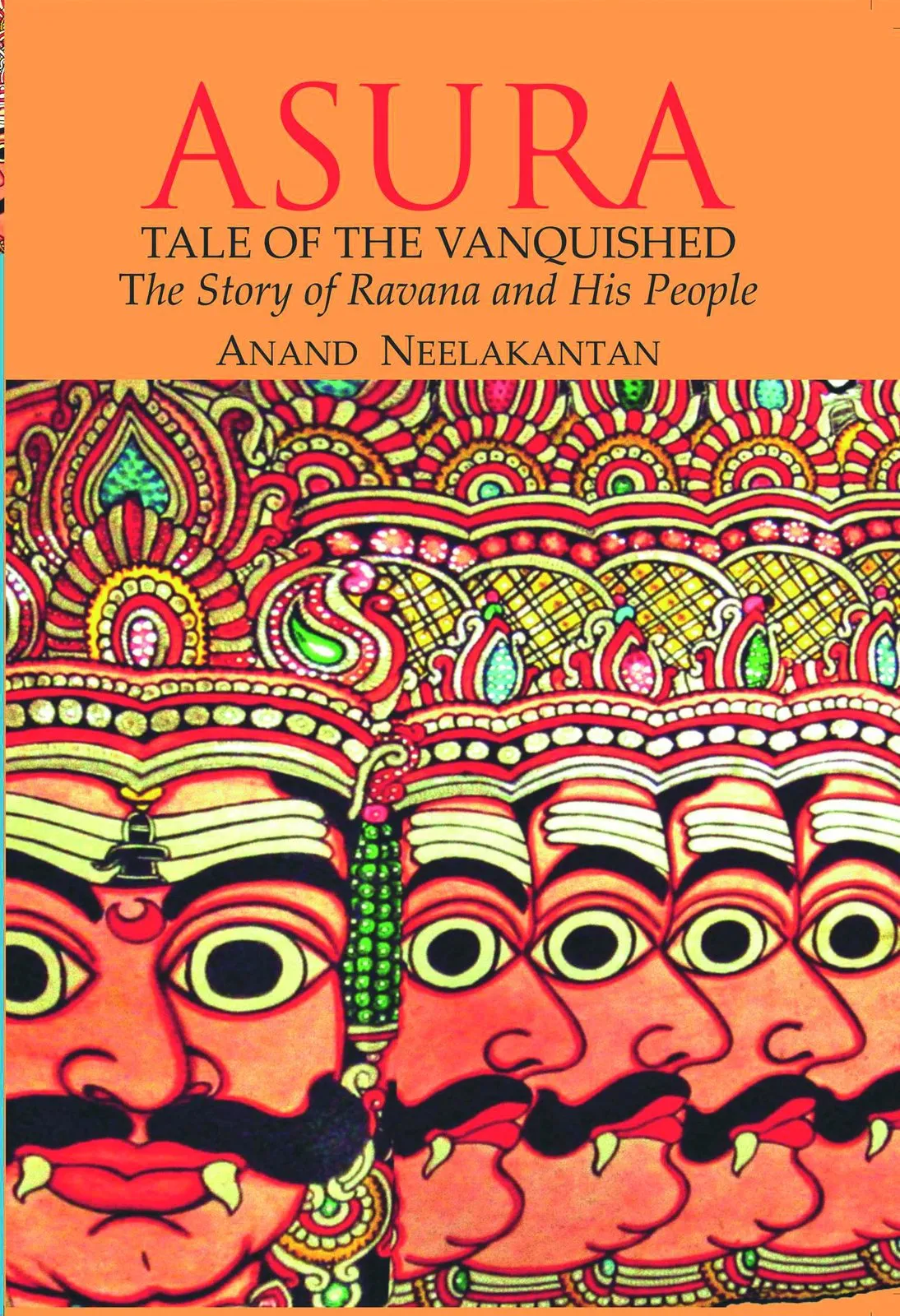
Ravana – the ten-headed evil king of the Asuras has finally found a man to narrate his untold story. No, he’s no unsung hero, he is just the main protagonist of the book, Asura – Tale of the Vanquished by Anand Neelakantan. Based on incidents picked from Valmiki's Ramayana, the debutant author peppers this mythology with his own vivid imagination and weaves a story that is captivating, interesting and refreshing.
For centuries, we have never questioned the fact that Ravana was the bad guy, while Rama was the good one who defeated evil and freed his wife Sita, but what if it was the other way round? What if Rama had lost the war and died? “Once in a while we have to write from the other perspective. It’s very simple, whoever wins is called God and the other becomes evil, but then don’t forget that Rama killed Bali from behind the tree, he used Vibhishana and mistreated Sita too. Honestly, it depends on how you look at it,” Anand tells us.

The book has no intention to change people’s point of view. It only recounts and clarifies the myths surrounding Ravana, who in fact, is very much like a human. “He possesses both good and evil, which is something very few characters in Indian mythology have all these traits. Ravana is like a Shakespearean hero with only one fault, his ego. Actually, even Duryodhana is like him and these are the only two characters that have unique human qualities,” he states.
A book of this gravity with over 3000 existing versions with an epic saga that is told to every Indian took Anand six years to adapt. “I’m a full-time worker, so I took my own sweet time to write it. Besides, it needed a lot of research and I also had to use a lot of my imagination. There are various incidents I have picked from the Ramayana, but their interpretation is my own.” So does that mean it’s not realistic? “There is no eyewitness to the accounts of the Ramayana, so you cannot say whether it’s real or a fiction. We only know about the epic through the writings,” he explains.
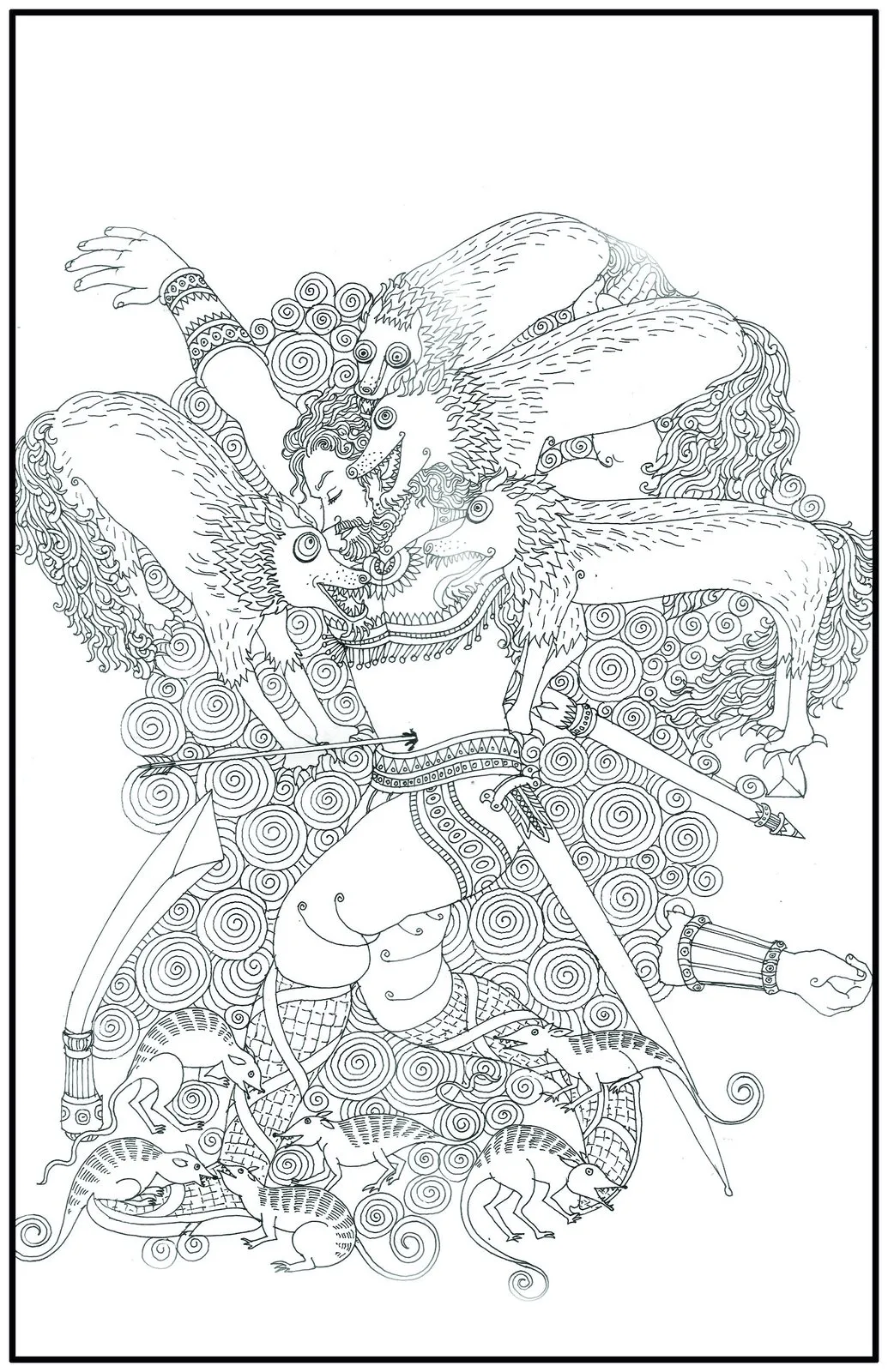
Born in a village on the outskirts of Cochin, Anand was raised in a household where debates on Indian mythologies were always ongoing. And this is the reason why they always fascinated him. “Ravana fascinated me the most. People around me always tried to reason with me on why he is bad and all of that, but then people criticised Krishna too, right? Frankly, truth has many sides and my book tells Ravana’s side of things,” he says.
On cue, we ask him what’s the truth behind the character of Bhadra – the closest ally of Ravana, who swears on the latter’s dead body to take revenge. “He is my own creation made to round-off the story. He’s a modern-time fictional character who takes 40-50% of the pages,” he mentions. With Bhadra, Anand adds an interesting twist to the episodes and diverts the mind of the reader with ease.
With Duryodhana being his second most-favourite character, it was obvious that Anand would sooner or later dedicate a book to him as well. “(Laughs) You are absolutely right. I’m currently writing a book on him, which should be out next year. It will be Mahabharata from Duryodhana’s point of view – something that people haven’t explored so far.”
His first book has been appreciated by many, however, there are few who found it a bit dragged out, “No writer can have 100% reader satisfaction,” Anand cuts in, “some will always like it, while some will always find it boring.” “In literature, you will find that the war is not boring, but it’s the wait for the start of the war that is extremely boring. Nonetheless, I still accept all feedback and hope to make my second book even better.”
Apart from writing and leading a corporate life, Anand used to be a cartoonist as well. Some of his creations have been published in a Malayalam magazine, but that was years back. Today, Anand manages his free time by doing oil paintings and taking a keen interest in politics. On hearing this, we throw our last question at him asking whether he would like a leader such as Ravana running the show in this country. He shoots back, “Definitely not!” “Leaders like Adolf Hitler, Napoleon and Ravana start in a big way, but soon they fail. Look what happened to Germany. It prospered in the beginning but later Hitler took them to war and finally lost. The same happened with Napoleon, Saddam and Ravana too. My writing doesn’t mean that Ravana has become good,” he says before signing off.
From the October 2012 issue of FHM India.
Spotted a mistake, or your photo used without permission? Report a correction








 in your inbox