
Behind The 1000 Words: The Shooting Stars
Photographers help FHM capture their lives behind the scenes: wildlife photographer Sudhir Shivaram, street photographer Sundeep Bali, wedding photographer Rishabh Agarwal, urban photographer Aparna Jayakumar, fine art photographer Prabir Purkayastha and news photographer Ritesh R Uttamchandani.



We live in times of amatuer photography and mountains of digital garbage. Times in which everyone with a DSLR calls himself a photographer and then hounds you till you like his page. FHM meets real photographers - fellows (and a lady) who slog their asses for that one picture which gets used stamp-sized.
Sudhir Shivaram, wildlife photographer, Bengaluru
And you thought wildlife photography is only about tigers and leopards… Well, what about the birds? Works with: Canon 1DX, Canon 1D Mark IV.

Wildlife photography had amazed us, much before the third idiot, Farhan Qureshi, in 3 Idiots went nuts about shooting in the woods. However, there is still a similarity between the popular character portrayed by R Madhavan and FHM’s favourite wildlife photographer Sudhir Shivaram – both got involved in photography while they were still sitting on the backbenches. On what makes him a photographer of international repute, Shivram says, “A few visits to jungles and wildlife parks doesn’t make one a wildlife photographer, nor does just shooting tigers and leopards. You need to study the behaviour of every single living being in the jungle, get your concepts right before investing in the equipment, and have a lot of patience. I can sit in the jungle for an entire day without taking a single shot.” He continues to talk about that one encounter in the jungle that will go with him to his grave. “The chance of spotting a tiger eluded me for a decade. On October 25, 2006, during a routine safari at the Bhadra Tiger Reserve, we spotted a herd of Gaur. The overall sighting at Bhadra during that season being dull, you could consider yourself blessed if you sighted a spotted deer, so on seeing the herd I immediately asked the driver to stop the vehicle and started photographing them. The driver looked at me, saw what I was shooting and asked me, ‘Sudhir sir, what exactly are you shooting?’ I pointed at the Gaurs. He laughed and said, ‘Sir, forget the Gaurs and shoot the two tigers sitting right by the jeep track. My jaw dropped on seeing the two sub-adult tigers staring the Gaur in the eye!”
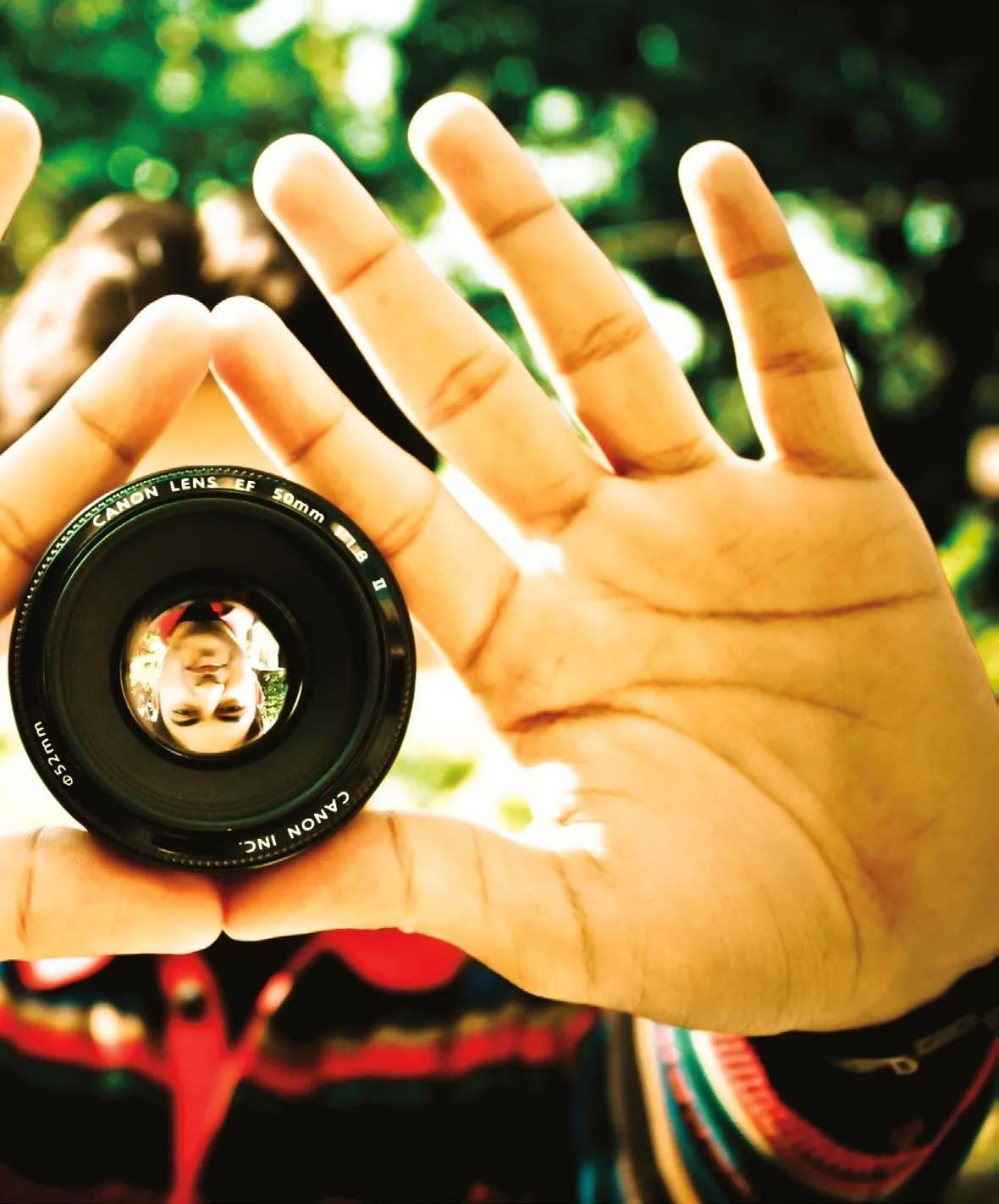
While it took some time for last year’s recipient of Sanctuary Asia Wildlife Photographer to recall the most cherished wildlife moment of his career, he was super fast to recollect the photography blunder that completely changed the way he looked at memory cards. “Ah, this question! Once, while wrapping up a safari at the Nagarhole Tiger Reserve, I checked the remaining space in my memory card and saw that I could still shoot around 45 images. That’s more than 1 entire film roll. During my film roll days, it would take three months and multiple safaris to finish that one roll. We continued the safari and I randomly shot images. It was around 6:25pm and we had to exit the park. As we exited to the main road, the jeep driver took a small deviation to the other side of the park. He said we still have five minutes and we could do a quick 2-minute detour. Hardly had we driven around 50 metres that we see this huge leopard standing and staring at us. I immediately started shooting. After a few clicks, the camera refused to click any more. I had to switch off the camera to change the CF card. As I pulled out the empty 8GB card from the other pocket, in classic filmy style the CF card slipped and fell on the floor of the jeep. My hands were trembling as I searched and reached for the card. Finally, I inserted the card and lifted the camera to shoot the Gaur and it had long left the scene. I looked at my other friends and they were like — what were you doing? I checked my other friend’s camera and saw the beautiful images of the leopard walking right in front of the jeep, looking at us and gently walking past. A series of beautiful images! Leave alone photographing, I missed all the live action. Having learnt the hard way, I now make it a point to always switch CF cards when I get close to exhausting it and don’t wait till the last image.”
Sundeep Bali, street photographer, Delhi
The shock value in his pics is purely incidental. Works with Nikon D700 and D800.

His pictures are like still theatricals – each shot progressing to another. He is known for capturing things that are a part of everyday life and have an amazing recall value. When you look at his pictures, you’ll wonder why all of us can’t look at situations with as much meaning as him. Introducing us to his work, he says, “This is what I love to do when I’m going steady on motivation and my bank balance is not abysmal. Street photography is charged and unpredictable at its best and could drain any photographer.” The 36-year-old photographer feels that photography in its digital avatar has become more accessible than ever as a craft, since social media is an integral part of our culture, and Facebook pages and likes are perhaps a good way to leverage one’s commercial work. Pointing out his inspirations, he says, “I quickly get over the blunders. I am always amazed to see how much faith common man has in the medium of photography to bring up issues and initiate a change. When on the streets, I make it a point to tell people that I’m not a photojournalist on assignment. Still, I am generally fortunate that people open up and talk about their problems with me. I try to not imbue my images with any shock value whatsoever. If you see it anywhere in my images, it’s purely incidental. Recalling an adverse situation that he got into while clicking pictures, he shares, “I ventured to the upper levels of the Coronation Hotel Building in Chandni Chowk last year. It is a dilapidated heritage structure adjacent to Fatehpuri Masjid. It is a mix of crammed up living quarters and quaint shops. I was making a few images when suddenly a group of people came up and it became a bit tense, though I finally managed to wriggle out of it.”
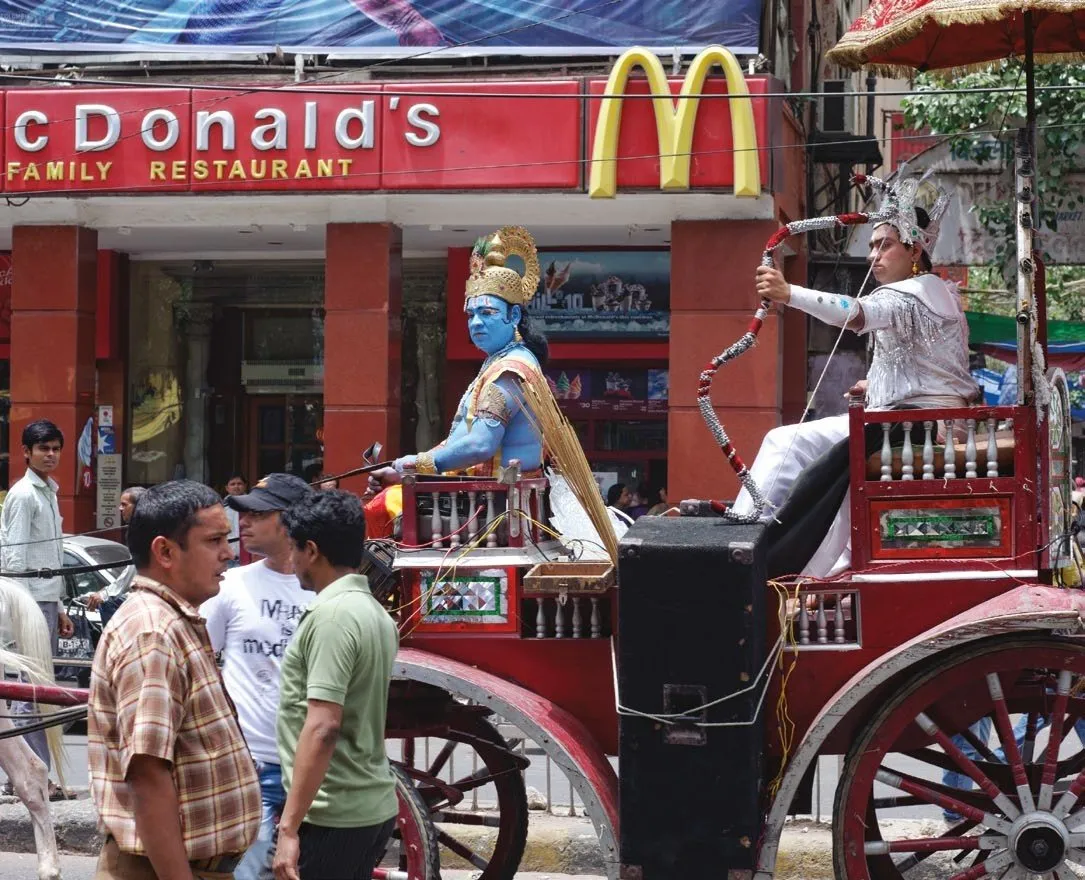
Sundeep is particularly interested in theatrical and performative elements on the streets. About this picture he says, “Here Parthasarthi looks down at the world while Arjuna flexes his bow. And the McDonalds adds another dimension to the whole episode.”
Rishabh Agarwal, wedding photographer, Delhi
Perhaps the only desi lensman with a Windows theme folder. Works with Canon EOS 5D Mark III.
Rishab’s profile was pending in FHM’s inbox for a very long time, and even when we started working on this story, we were not sure if he would make it to the final list of photographers considering there were so many talented entries. However, when we were told that Windows has a dedicated theme folder attributed to Rishabh, we were impressed. Primarily a wedding photographer, the 25-year-old Delhitie comes across as someone who is constantly chasing emotions. He says, “Emotions are shocking. One second I’m looking at someone smiling with joy, the next second I spot the bride’s mother quietly wiping a tear in a corner. These are the extreme ends of emotions... Shock treatment for me actually.” Talking about the photos that have made it to the Windows theme library, the Delhiite says, “ The lemon splash pic has been a milestone. I always had this idea to create something like it but knew very little about the technicalities. Like always, I managed to figure it out (engineers are best at figuring things out). It took me around four hours to get that perfect shot, but it was worth it. This image has been featured on Google backgrounds, which they picked from Picasa and put up on their front page. The same photo made it to the official Microsoft Windows theme in my name. ” When quizzed about how social media is helping the photographer grow, the rather sarcastic youngster opines, “Likes don’t pay bills and neither does it make one a better photographer. Mistakes do. I have made mistakes... a lot of them, but my engineering background helped me convert my mistakes into stepping-stones. However, I still struggle with situations where I don’t know how should I compose a shot, but it’s fine till the time you want to constantly improve and innovate.”

Aparna Jayakumar, urban photographer, Mumbai
The only lass in the list is as amazing as her photos. Works with Canon 5D.
If you ever get to work with FHM, you would know how tough it is to convince the editor to feature a girl in any section apart from Girl Next Door, Upgrade Girlfriend, Access Girl, and of course, the Cover Girl. We faced a similar problem while proposing the name of Aparna, who works on migration, culture clashes, and gender, sexuality and social contradictions. But just one look at her photographs, and we got the nod from our editor. Aparna was the first photographer to be approached by us and her work, as you can see, is a reflection of everyday life. “Enjoying the pulsating energy of the streets is my biggest high. There is a story behind every click. Once, while shooting Bengali babus in Calcutta, a gentleman politely declined my offer to click him because he was on his way to court to get a divorce from his wife who had run away with all his money to another man! He didn’t want to be photographed that day but he poured his heart out to me. It was special.” Jayakumar, whose Bombay Photo Club is quite popular for its monthly photography events mostly gets moved by beauty, truth and love. “I recently saw Sooni Taraporevala’s show at the NGMA in Delhi, I’ve followed her work for many years and am a big fan. Her tender portraits of her family, especially the photograph of her grandfather getting his fountain pens repaired, have touched me deeply.” Jayakumar’s work has been exhibited at the Aegean Center in Paros, Lincoln Center in New York City, Villa Borghese in Rome, Art Bazis in Budapest, KC Dunaj Gallery in Bratislava, Strand Art Room and Kala Ghoda Arts Festival in Mumbai, and at the Delhi Photo Festival 2011. Still, she admits that she goes through the drill of photographers’ block quite often. “There are days, even weeks, when you don’t feel inspired to take images. There are several times when you a miss a shot because you’re not prompt enough to whip out your camera when you see something interesting.” Talking about the challenges that shutterbugs face professionally, she says, “Being in a market where clients are not discerning and would rather hire the cheapest labour available than someone who is talented and experienced is a big challenge.”

Prabir Purkayastha, fine art photographer, Delhi
The biggest name on this list. Works with Canon, Nikon, Contax and Hasselblad.
Frankly, almost everyone on this list was more than happy to share a platform with someone as big as Prabir Purkayastha – the man whose pictures have been making it to the collections of private and corporate collectors for the last 17 years. “I am a romantic storyteller by heart. I love to travel back in time and experience the old world charms of bygone eras. My mind absorbs all that I see. The mental filters then eliminate all that I reject or don’t like and what is retained is burned deep into my psyche. The treasures left behind become the magical pool from which I quench my artistic thirst. It is touched by the souls of the dead and the living.” Talking about the most shocking thing that he has ever captured on camera, he tells us, “The aftermath of Durga Puja, when the river scavengers are taking out the immersed idols. My images of broken idols being vandalised by human forms are very disturbing and depressing.” Purkayastha has worked for over two decades in India’s leading advertising agencies including Everest (DY&R), Ogilvy & Mather, Clarion (Bates International) and, for over a decade, the Mudra Group. Still, he is humble enough to acknowledge that he continues to make mistakes and suffers from lack of ideas. “Once, while shooting in Ladakh, in the heart of winter, my film snapped due to the freezing cold, but I kept shooting not realising that the film wasn’t working. It’s a mistake I would not like to repeat ever again.” Prabir opinionates that the biggest challenge for a photographer is to market his skills and if he/she is able to do so, half their battle is won.
Ritesh R Uttamchandani, news photographer, Mumbai
The man whose everyday life is no less than an action packed film. Works with Canon EOS 1DS Mark III.
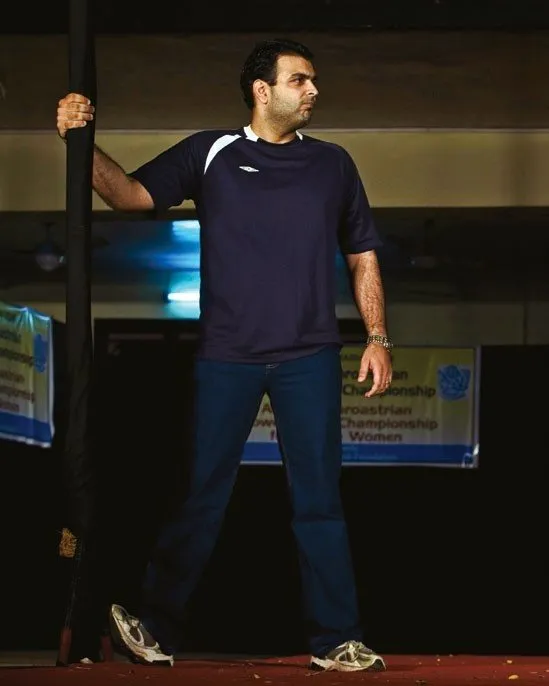
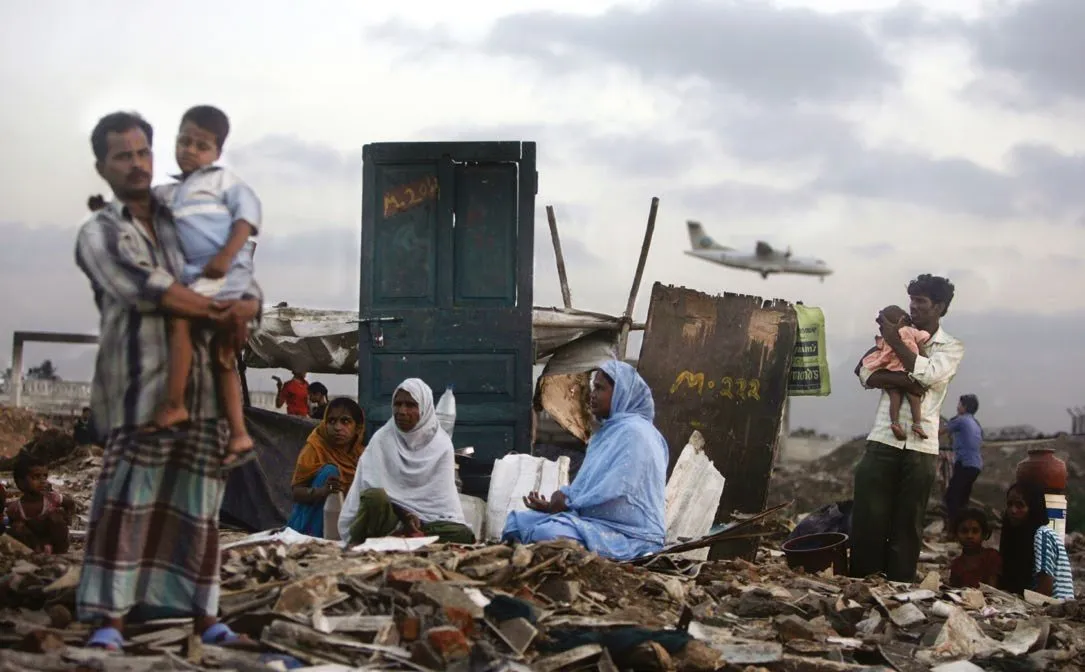
He is THE dude on this list and the one who thinks a deodorant is one of the most important weapons in a photographer’s arsenal. However, when the 32-year-old talks about his work, he comes across as a guy who has complete knowledge of what he does everyday – take pictures that would make news. He clicks almost everything from portraiture to sport, editorial to news and even street photography. Recalling the most defining moments of his career and how often the size of the byline is bigger than the size of the published photo, he says, “I’ve shot a whole lot of death and destruction but something that jarred me a lot were the cancer patients living outside on the street near Tata Hospital. It’s sad, how we have such little regard for human life. One more thing that shocked me was way back in Hindustan Times, on a slow news day, I heard about the suicide of a small time actress’s father. When I went there, the whole house was in a drama mode, hamming away for the news cameras. I took some pictures and left. Unfortunately, due to lack of content to fill the pages, the editor carried the photo, stamp sized, where my byline was actually bigger than the photo itself!” He continues, “Once while photographing a minor riot in Andheri, where the whole Muslim community was asking shopkeepers to keep their shops open against the Shiv Sena’s diktat, I clicked a photo of some young boys in skullcaps ransacking and destructing Shiv Sena shakha to bits, but the photograph wasn’t published because of its sensitive nature.” Ritesh insists that inspite of the sensitive nature of the photography he indulges in, his images have never got him into trouble, but like all shutterbugs he too struggles with days when he does not have a clue what to shoot. “The best way to break the block is to rediscover places you went to as a child, books you read back then, or music you loved to listen to.” While the world of photography is obsessed with Photoshop, Ritesh being a news guy rubbishes the extensive use of enhancing software’s. “The whole pie of bad pictures that get’s liked and shared on social media demonstrates the fotog’s lack of skill and the visual illiteracy of the viewer.”

3 most disturbing pictures
Thomas Hoepker’s 9/11 photograph
Clicked in 2001, it shows a group of relaxed Americans with the burning twin towers in the background. Considered insensitive, one of the group members later said that they were in a state of shock when this pics was taken, and were not chilling as reported.
Sudan famine by Kevin Carter (1993)
Of the most vivid representation of famine in Sudan, Carter was heavily criticised for this picture. He later committed suicide, and mentioned this photograph in his suicide note.
The Falling Man, Richard Drew
This click turned eyes because the man who chose to jump to death from the twin towers during the 9/11 attacks looked rather calm.
5 pro photography tips
- Be ready to convert a disadvantageous situation into something advantageous.
- Understand that even if you are clicking pictures of a baby’s birth, you are witnessing and documenting history.
- Talk about your fuck ups and mistakes.
- Learn to speak English, as it’s sadly, the language of the artform. When you can shoot and write your own stories, it’s liberating.
- Equipment is not everything.
From the October 2013 issue of FHM India.
Spotted a mistake, or your photo used without permission? Report a correction









 in your inbox