
Book review: No Good Men Among the Living
A lot of hullabaloo around the latest titles. We gave them a read and found these worthy of mention for this month.
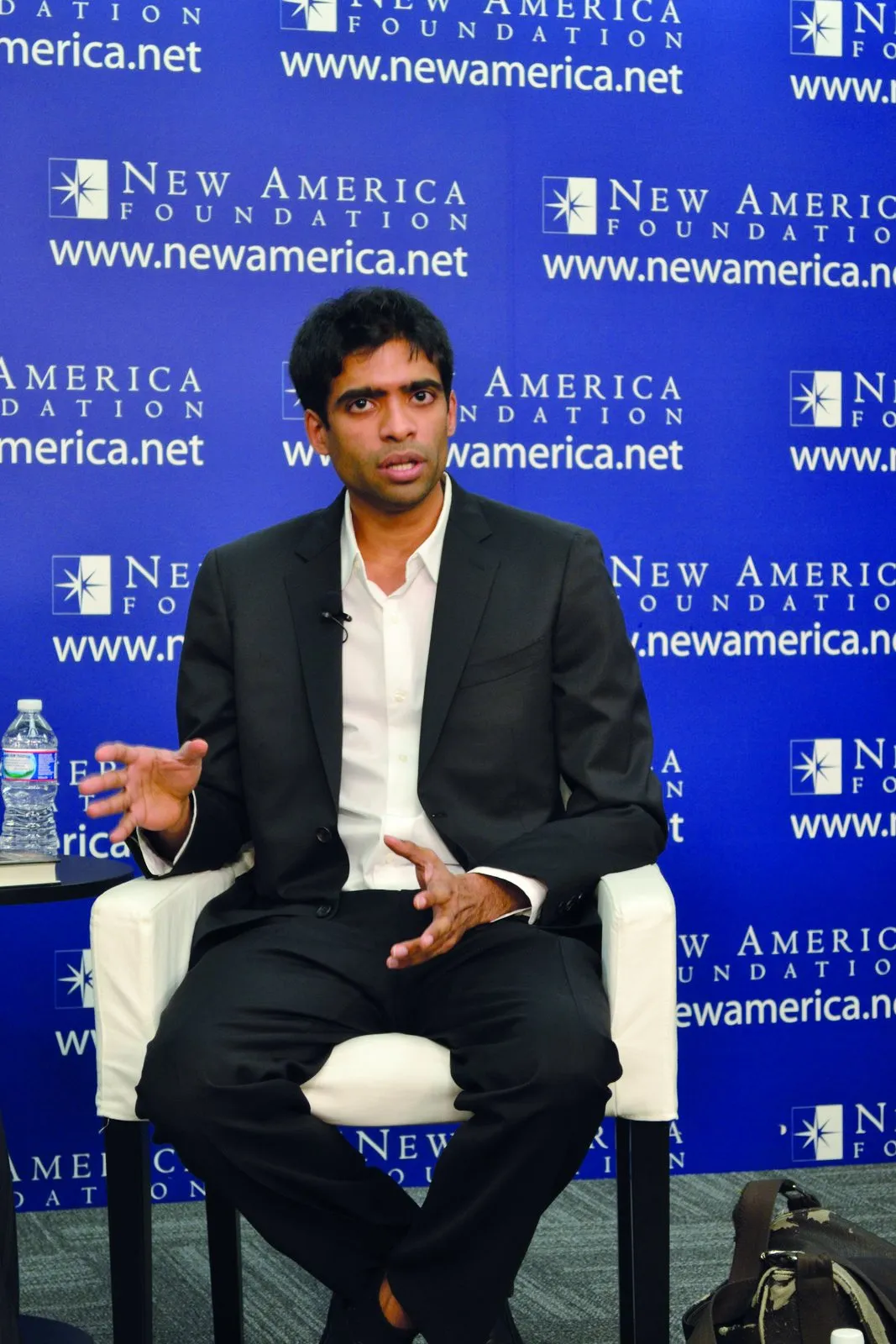



No Good Men Among the Living by Anand Gopal
Book: No Good Men Among the Living: America, the Taliban, and the War Through Afghan Eyes
Genre: History

Publisher: Pan Macmillan
The literary world has been bombarded with hundreds of books on the landlocked region of Afghanistan ever since the word Taliban made its debut in the prime-time news internationally. Stories embedded in the pre-war country made writers like Khaled Hosseini renowned worldwide and the American media went nuts over their versions of history as they lived it during the war. But one thing that remains common among all of them is the reduced voice of the Afghans into mere mumblings. You could hear the victims’ cry for help and the dramatic cracking of the Talib whip but still no sound from the stereotyped crusader who was not a Bin Laden or a bigwig political wart on the desert ground. For all these years, the American war on Afghanistan and the final dismissal of the tyrannous regime have been celebrated among the allies in all their political might.
For the first time a book gathers the sonorous echoes from across the world that sending troops to Afghanistan was a mistake and that the whole situation was misjudged and executed in an extremely egotistical imbecility. Anand Gopal, who covered Afghanistan for The Wall Street Journal and The Christian Science Monitor, in his first book No Good Men Among the Living: America, the Taliban, and the War Through Afghan Eyes records the ignored attempts by top Taliban leaders to surrender. The book is a reflection of how the west, specifically the US, saw Afghan men in solid shades of white and black and turned an absolute blind eye to the more prominent grey. The title draws from a Pashtun proverb, “There are no good men among the living, and no bad ones among the dead,” suggesting that there were no heroes and villains in Afghanistan.
It tells the story of the war through the eyes of three Afghans: a Taliban commander, Akbar Gul aka Mullah Cable, who was disillusioned with the Talib morals but upset with the corruption of the police and the American presence, rejoined them; a tribal strongman, Jan Mohammad, a long-time pal of Hamid Karzai who dealt in US dollars and crushed anyone who opposed him; and a cosmopolitan university graduate, Heela, who was forced to flee Kabul, take refuge in a village and lead a life of a dormant housewife. With a lot of glimpses of the Soviet insurgency of 1979, the brutal civil war in the 1990s and the uncompromising rule of the Taliban, most of the action happens post the fall of the Taliban regime in late 2001, when Hamid Karzai took over.
The Verdict
It’s an honest book with its own shortcomings of putting everything that went wrong in the perspective of America’s naivety. While the US playing one side of the Afghan population against another appears more thought out than the only option they had in order to ‘bring back order’ in the land as goes the book. The book also falls short at indicating the Pakistan's main spying agency ISI’s involvement in backing the resurgent Taliban in Afghanistan. But you get valuable insights into the bloated images of the likes of Mullah Omar, who had a more legendary personality in the media than in real life, and many more. And how al-Qaida was ready to hand over Bin Laden to the US right at the start, on the grounds of him being tried on an Islamic land.
Overall, the amount of research that the author has put in situ for over four years is impressive and laudable. Read it to re-live history and hear the story almost from the horse’s mouth and challenge your usual perception of the Afghan war.
About the author
Anand Gopal has served as an Afghanistan correspondent for The Wall Street Journal and The Christian Science Monitor, and has reported on the Middle East and South Asia for Harper’s, The Nation, The New Republic, Foreign Policy, and other publications. No Good Men Among the Living was shortlisted for a Pulitzer Prize.
FHM suggests you also flip through…
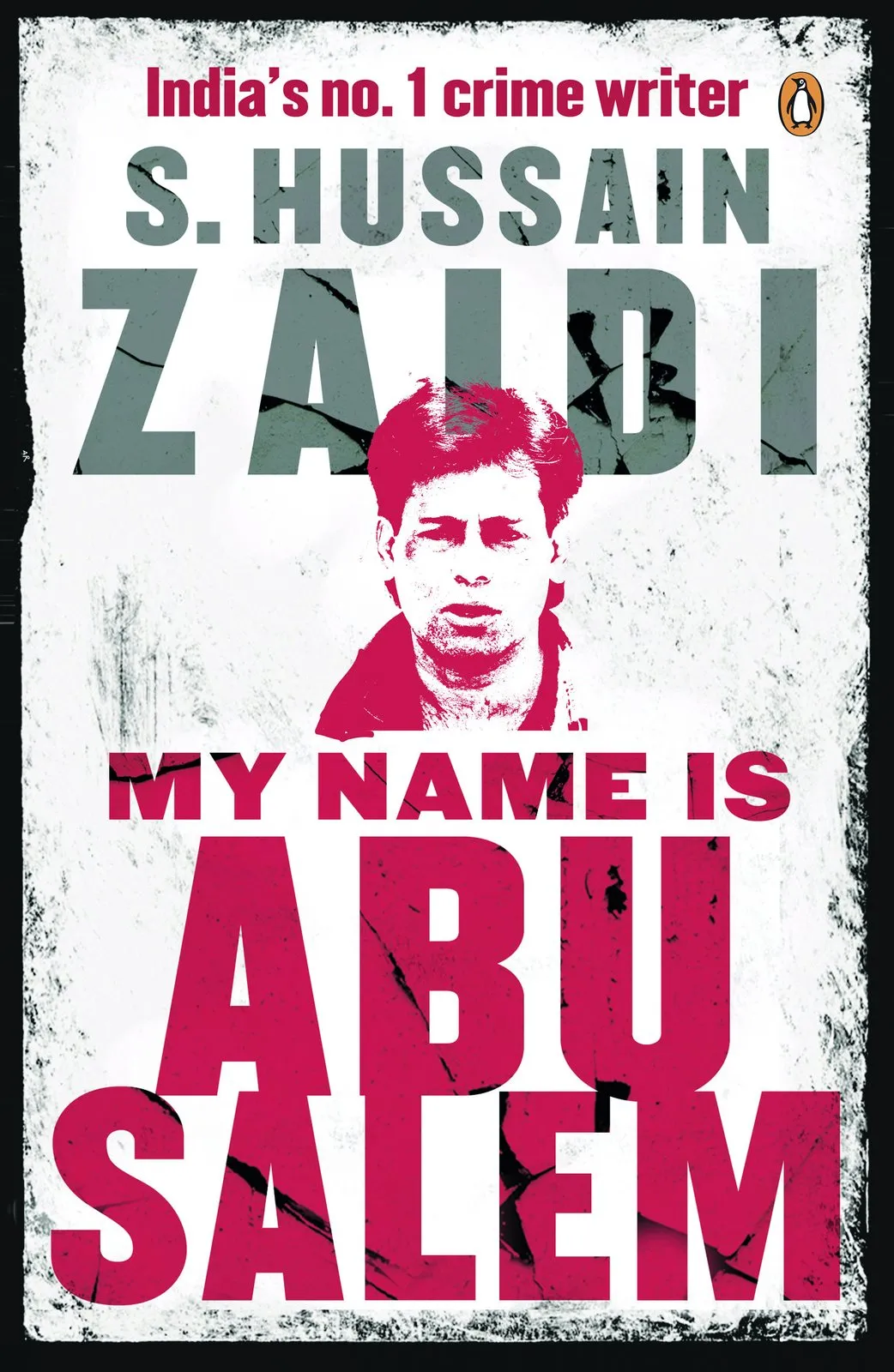
My Name is Abu Salem: Mumbai has produced many dons, but perhaps none so colourful as Abu Salem.
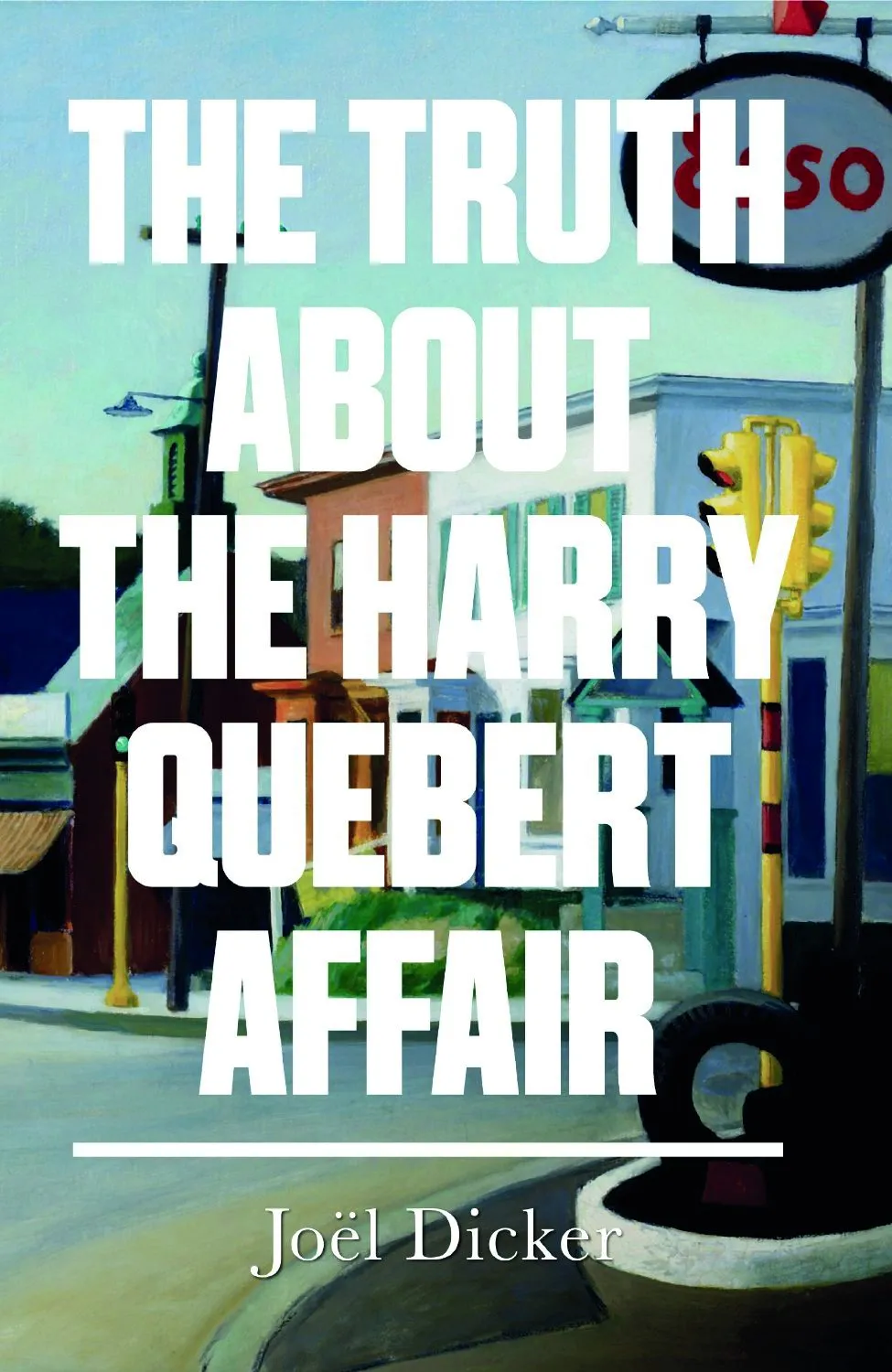
The Truth About The Harry Quebert Affair: A fast-paced, tightly plotted, cinematic literary thriller.
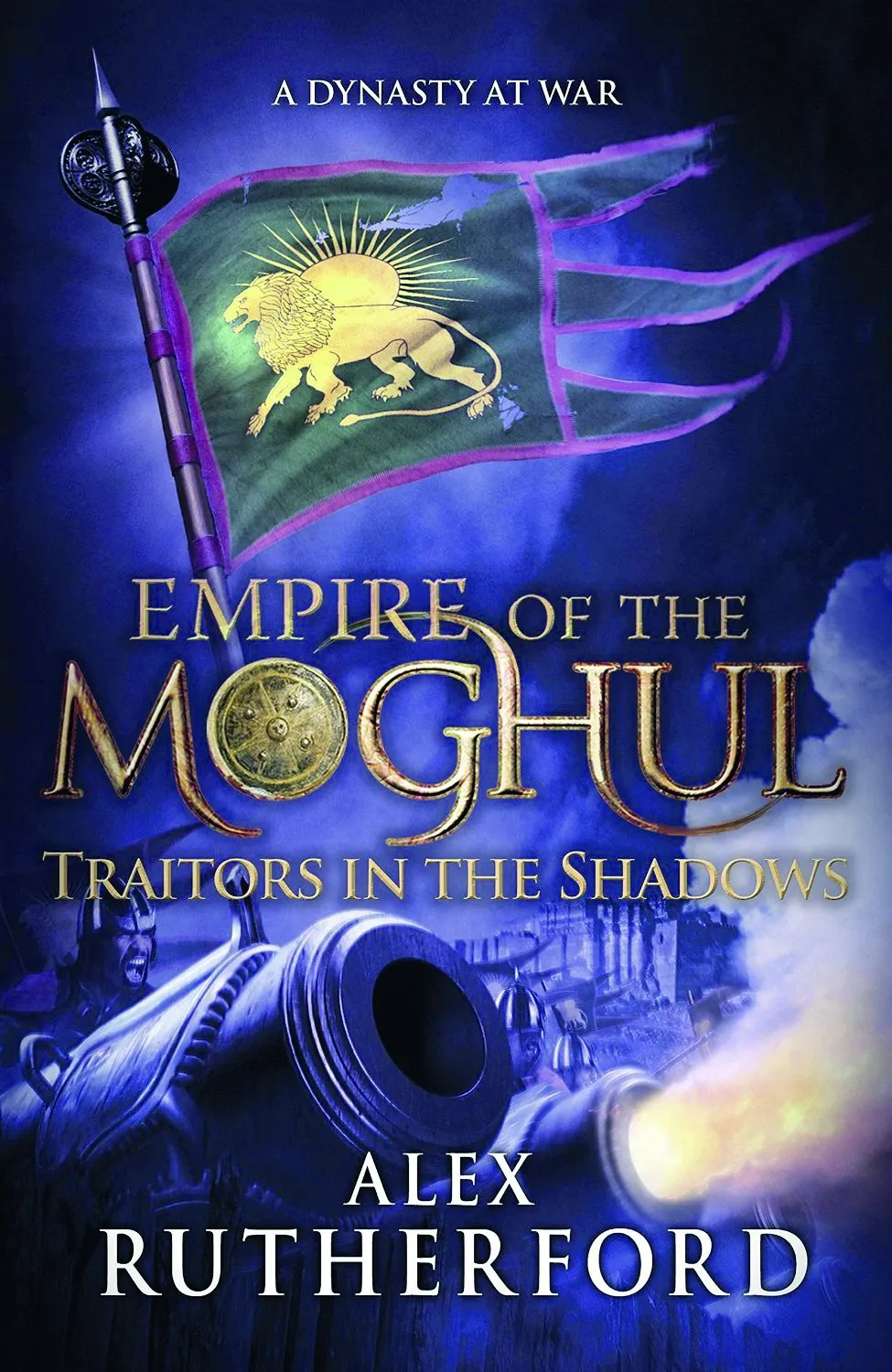
Empire of the Moghul: Traitors in the Shadow: The sixth volume in the series covers the reign of Aurangzeb.
From the July 2015 issue of FHM India.
Spotted a mistake, or your photo used without permission? Report a correction











 in your inbox