
Brando unplugged: Listen to Me Marlon
Marlon Brando comes back from beyond the grave to tell his story in his own voice in Listen to me Marlon, as conceptualised, written and directed by Stevan Riley. Our tribute to the legend on his birthday, 3rd April...
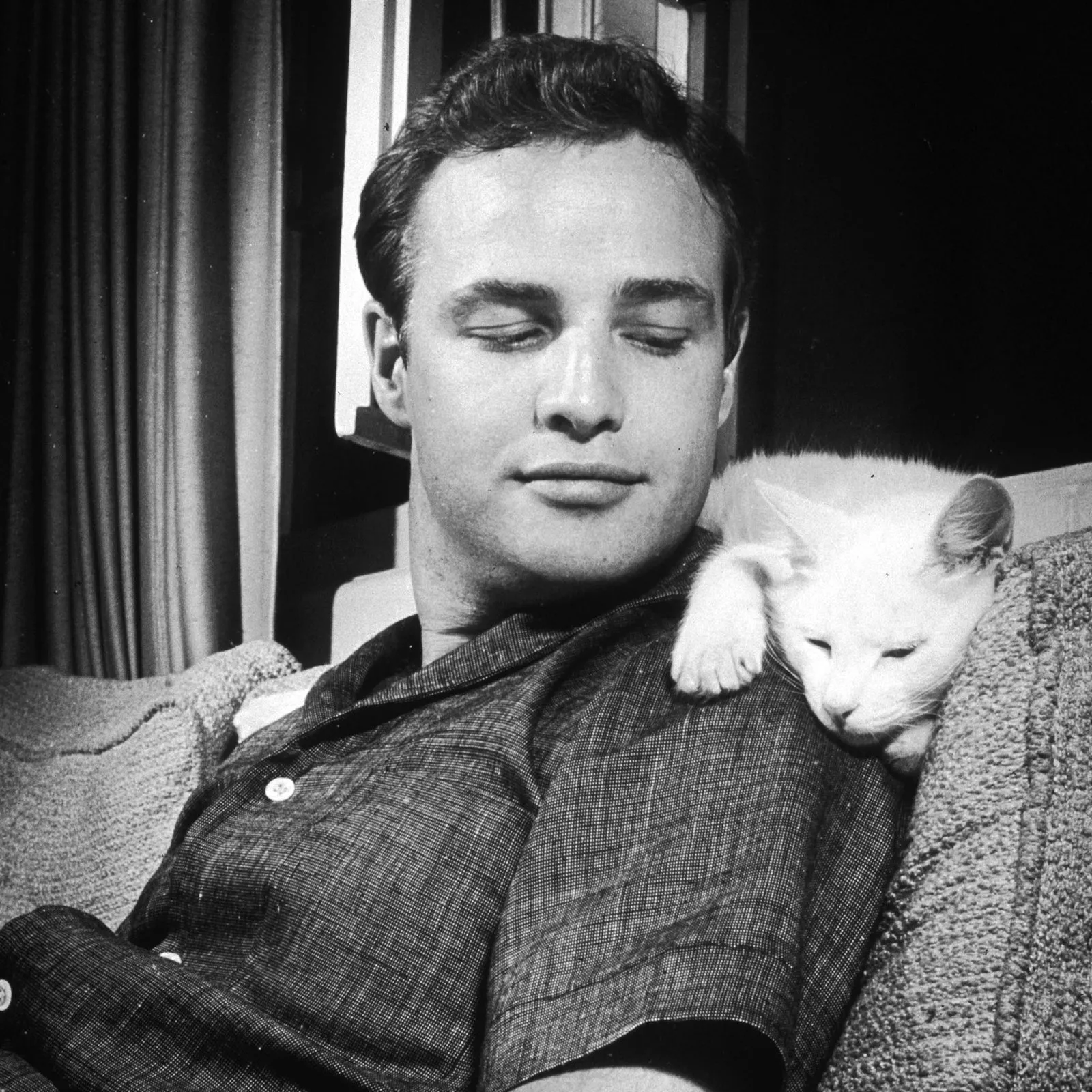



There’s a charm in naming your kid after you, or so it feels, for the concept is alien in the Indian context and a waning but prevalent one in the west. However, the suffix ‘Junior’ brings a bag full of connotations. A grandpa still features as Jr. in the invitation card for the golden jubilee of his wedded life; more often than not it remains an emotional symbol on the ID card and leads to an identity crisis (barring Robert Goddamn Downey Jr., of course). To stray away from his father’s identity and create one of his own may have been the reason why Marlon Brando Jr. never allowed that postfix; and create, not just an identity but the deepest hole for a niche, did he.
Director Stevan Riley gathered a unique approach and decided to make Marlon narrate the deepest secrets of his heart through audio recordings from radios, and Brando’s personal self hypnosis tapes and video feeds. The film, despite being a documentary, hits you with a crisp recounting of emotions, and shades of storytelling. The film starts with a digital face of Brando suspended on a screen in electronic space reminding us that he’s still in charge of how his story is told. He left behind enough material to have his story told the way he wanted. All that was required was a narrator who could put all the pieces together. Riley does a phenomenal job by rearranging the jigsaw and sewing it all together in a tight film.

Young Impressions
The film follows the obvious bildungsroman pattern in a non-linear way. We have a few glimpses of Marlon as a kid in still pictures as he talks about his fondness for his mother. She was an alcoholic. “I loved the smell of liquor in my mother’s breath. It was very sweet,” he says in a soft voice. In another recording he urges himself to be relaxed and not be nervous, going back to his happy spot in the arms of his governess hired by his mother as a kid, where he received affection. He was deeply affected when she left the family to get married. It was tantamount to desertion in his young impressionable mind.

It transcends time and travels many years into the future. “The strong sense that I had... to be free,” he says as an old man, reminiscing over the past. His childhood wasn’t a very pleasant one but all looks prim and proper in retrospect. He affectionately remembers how he would sell bottles and mow lawns, as a kid, just to earn his 10 cents to go to the movies and escape everything. That sense of good feeling would get him through the week. “Those moments in the theatre were magical.”
Initiation into the Stage
Marlon Brando went to The New School to learn acting, which in his own words was an extraordinary institute of social learning. His teachers were very eclectic... the cream of academia. One of the teachers who had a great influence on him was an actress by the name of Stella Adler. “In the theatre the actor is the boss. It’s against the nature of human life to withdraw. Don’t be afraid. You have the right to be who you are, where you are and how you are. Be in a state of honesty up there. Speak out the thoughts that are tormenting you,” she says in one of the recordings of her classrooms. Much later he records many musings on acting himself, “We develop acting very early in our lives. We act crazy just to get attention from our mothers. Acting is surviving.”

After a small stint with theatre, A Streetcar Named Desire made him readily popular as a stage actor. He was incredibly handsome and masculine and was probably the first bad boy of the industry who really acted and did not just indulge in loud theatrics. Brando was unpredictable, stimulating, and daring with a lot of panache both on and off stage. He was making a lot of money and people adored him. He recounts that he got into the mood for a scene by remembering incidents from his life that triggered certain emotions, a style of method acting he’d learnt from Adler. “Do not bring anything in the present that doesn’t have a past,” she would say. His father hitting his mother triggered an immediate anger, and it was perfect to evoke the right emotion for the role.
However, he hated the character he played in A Streetcar and did not identify with it. Soon he was so torn and tormented while the acting and production was on that he had to be sent to a psychiatrist. That’s when he left the stage, never to return.
The Silver Screen
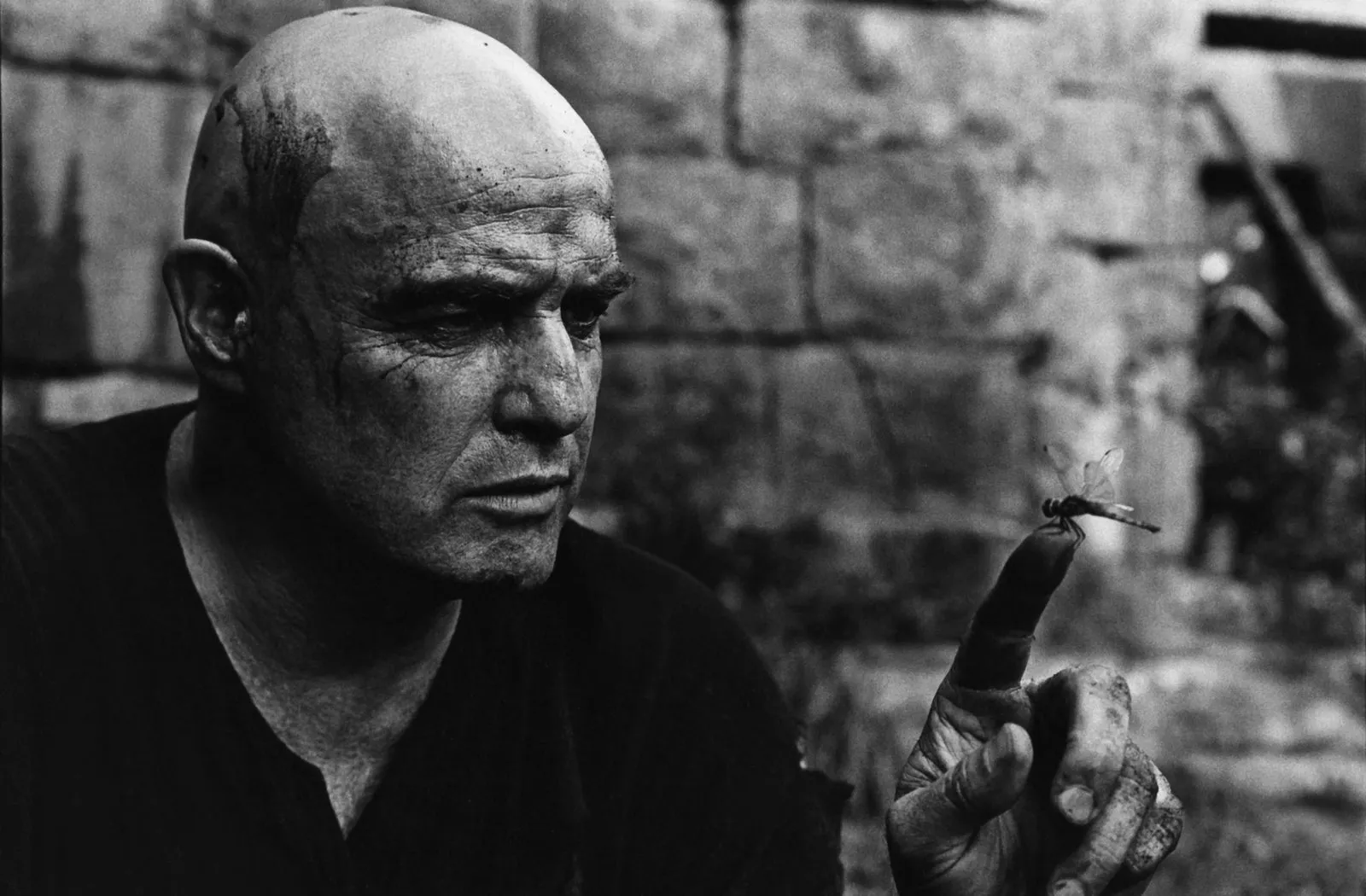
Brando had left Broadway for good but was popular enough to be taken on by film makers. When asked what he would have done if he wasn’t an actor, he replies by saying that he would have been a con man. A good con man tells a lot of lies, gives impressions and appears to think what he doesn’t think. “When the camera is close on you, your face becomes the stage. Your face is the proscenium arch of the theatre, 30 feet high and it sees all the little movements of the face and the eye and the mouth.” He really wanted to get involved in the motion pictures to change it and take it closer to the truth by bringing erratic convincing acts on the screen.
He debuted in The Men in which he plays a paralysed war veteran. He lived with paraplegics in a hospital for three weeks to prepare for the role. “Physicality is a tough thing. I spent a lot of time just studying everything they do. I wanted to see how they go in and out, the manner in which they crawl from one place to another. You have to know your subject, you have to know your character. Putting yourself in a different state of mind... what they felt like, what their frustrations were knowing that they couldn’t have sex.”
The film is a manual for actors and directors alike that lets them get into the mind of a genius as Riley squeezes all his brilliance and experiences in a nutshell to present it before you with live examples. “At night I think about it, dream about it and I wake up being absorbed by it.” Brando put himself up emotionally for every role that came his way. He wanted to break the clichés. His secret was to never let the audience know when it’s going to come out. “Get them on your time. Hit them. Knock them over with an attitude, with a word, with a look. Be surprising; figure out a way to do it as it’s never been done before.”
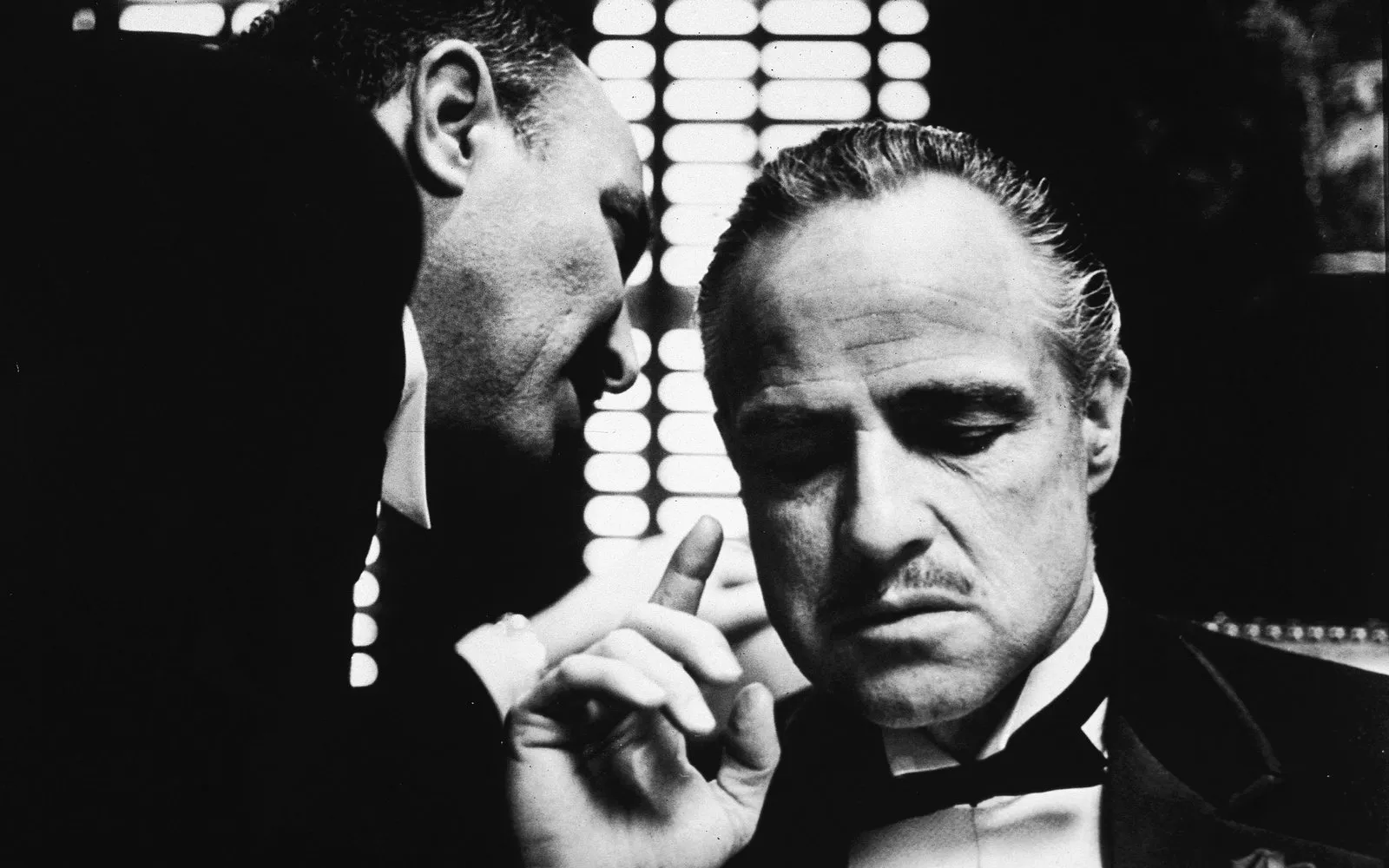
In the 60s people wanted a rebellion. And Marlon was at the right place at the right time, in the right state of mind. “You want to stop that movement from the popcorn to the mouth. Get people to stop chewing. The truth will do that. What is right, is right. You can feel it in your bones. Then you feel whole, and then you feel good.”
Stardom and Sex
The film paints Brando’s elevation to a cult hero. When he won an Oscar for On the Waterfront he was the youngest actor to be honoured in this way. His first words when he held it in his hand were, “It’s much heavier than I had imagined.”

While most actors wanted their name in the papers and enjoyed all the attention, he was very often struck by the illusion of success. Sometimes it was difficult to meet people because he knew that people had pre-judged him and they wouldn’t treat him normally. They’d stare at him like an animal in a zoo, like some strange creature from a distant land. “What it does is remove you from reality. I can’t stand it. I hate it. You have no idea how discomforting it is.”
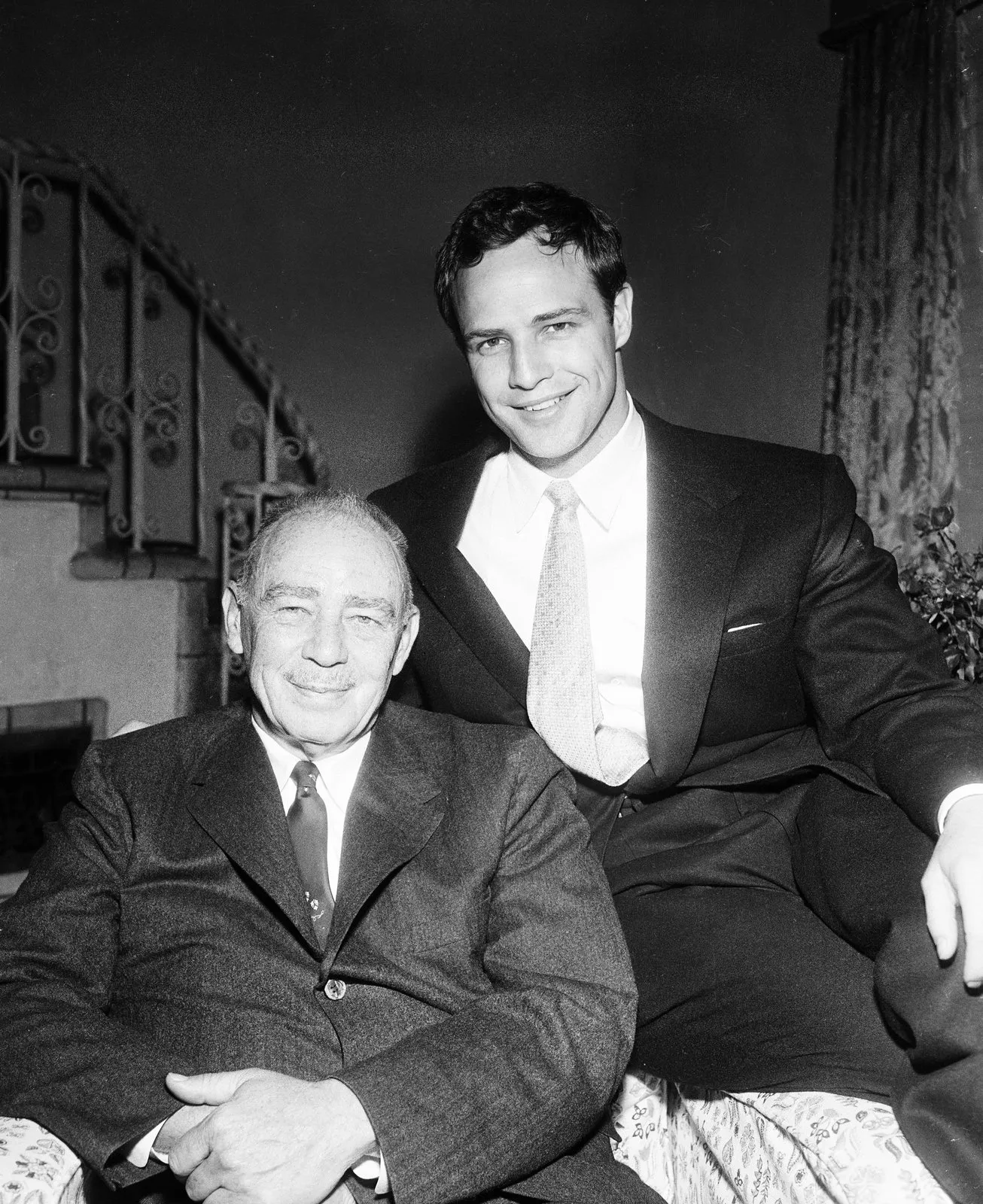
In one of the video interviews where his dad also makes an appearance, Brando senior answers when asked if he’s proud of his son, “Well, as an actor not too proud, but as a man quite proud.” When asked if he wanted to defend himself in 30 seconds Marlon responds in jest, “I don’t need to defend myself. I can lick this guy with one hand, so I can let it go.”
When an attractive journalist asks what consumes his thoughts in his spare time, he responds with a disarmingly charming smile on his face, “You are one of the prettiest interviewers that I have seen.” And goes on saying that he hopes to see her in Chicago. In another interview while being asked about his latest movie he points out how the interviewer (another attractive journo) talks from the side of her mouth and how charming it is. This reporter was seen going into his room and not coming out until early the next morning.

He admits to being a sexoholic. “After a certain point the penis has its own agenda. It has nothing to do with you. A lot of your decisions are made by your penis and not by your brain.” He had a lot of wives over the period of his life, the first one of whom was an actress of Indian origin, Anna Kashfi. “She found out about the other women in my life. I had women coming through the door and going out the window. The beast aspect of my personality overtook everything that was reasonable or rational, or more often decent.” He went on to father sixteen known children.
Publicity, Notoriety and Activism
A lot of things affected him and made him what he was. His childhood, his stint with the military school where his father sent him, the emotionally unavailable father, a drunk mother... Especially about the military school, he says that individuality just did not exist there. He was very lonely there and spent a lot of time in the library reading about Tahiti in the National Geographic magazine, looking at pictures of people without manicured expressions. That’s where he wanted to go and wanted to be at.
He made Mutiny on the Bounty and finally they got a chance to go to Tahiti, though he recalls it as his worst experience making a motion picture. He was not happy with the writing of the story. “Don’t ever be intimidated by a director. There was a great deal of confusion, desperation, disappointment and disgust.” And there were even fist fights with the director of the film. He was called uncooperative, an egotist and temperamental in the press, and had to face a lot of negative publicity. Even though he was very convincing at his indifference, he was very hurt and disturbed. He even gave testimonies that he would renounce acting.
Brando entered activism and spoke for the rights of blacks and sided with Martin Luther King Jr. In fact he was standing behind Martin Luther at the time of the famous ‘I have a dream speech.’ Following Luther’s assassination, he was branded as a nigger-lover in rallies and proceedings. But he continued to be vocal about racial issues.
Second Coming

When Francis Coppola offered him the part of Godfather, Brando knew that it was his only chance to be absolved of everything that had happened in the past. But he wasn’t as lucky as before and the studio demanded a screen test. “It was demeaning to appear for a screen test. I needed a part at that time. I wasn’t sure if I could do that part either.” He never wanted to get caught trying. The film has recordings from both Coppola and Brando on Godfather and Apocalypse Now.
After a smashing success, he won another Oscar, this time for Godfather, but refused to accept it owing to the treatment of Native Americans by the film industry. The subject was very close to his heart... the plight of the Native Americans and their portrayal in western films. “I don’t think the Americans want to face the truth. We are all living in a stolen land. Where do you draw the line? At what point do you say, God dammit this is my turf, I was here first, one more step and you’re gonna get it!”
Last Tango in Paris was a very difficult film for him because director Bernardo Bertolucci asked him to play himself and not try and be another character. Brando was always a very private person and wanted no one to take a deep look inside him. He was shocked when he watched the film. Bertolucci had stolen so much from his personal life, so many sincere emotions that he was almost exposed. After the film though, he restored his position as the finest and most bankable star in Hollywood.
Closing the Curtain
There are shots of him that make him so human, yet so impressive and enviable that at some level you want him to falter. In his interviews with attractive women, while flirting openly, he maintains the charisma that he possessed on screen. And you know that he’s not posing to be a charmer but is a natural. What makes you like him despite everything else is how he owns up to his flaws, like his weak morals, loose sexual tendencies and what not.
The film comes to an end with the scene from Godfather where Don Veto Corleone dies peacefully in a small village in Italy while playing with his grandson. “Death’s a tough scene to play. You have to make them believe that you’re dying. I would hope it would be something simple like playing tiddlywinks. Try to think of the most intimate moment you’ve had in your life...” The digitally recreated Brando bids adieu in the end and almost disappears in a metaphorical space.
From the April 2016 issue of FHM India.
Spotted a mistake, or your photo used without permission? Report a correction










 in your inbox