
Bring back the dead: Pleistocene Park
A nature reserve in northeastern Siberia is aimed at recreating the subarctic ecosystem that flourished during the Pleistocene age. Is de-extinction the way forward?
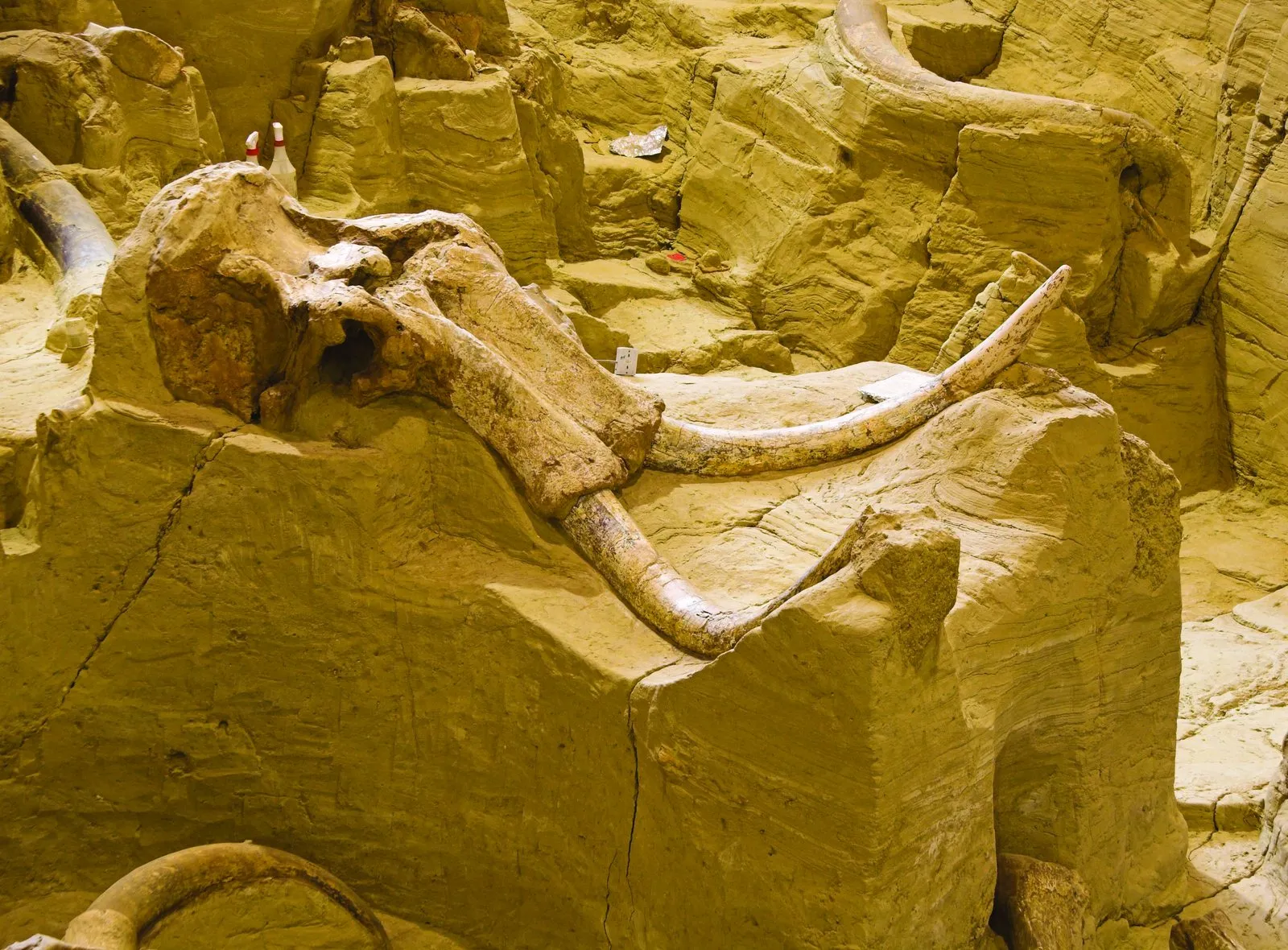



The 1993 magnum opus, Jurassic Park caused widespread hope and scare when it showed a team of cryptozoologists and genetic engineers breathe life into dinosaurs. It wasn’t real for sure and sceptics trashed the idea as a figment of fiction. Decades have gone by and de-extinction has come forward as a real phenomenon with prominent de-extinction scientist, Carl Zimmer emerging in the forefront. Literally speaking, it flatly means undoing the extinction that has taken place or bringing back extinct species back to life. True, a well preserved dinosaur DNA strand is impossible to procure but that of a mammoth has been recovered from the icy vaults of the earth. Thus came around the concept for the Pleistocene Park, to restore the mammoth steppe ecosystem.
What is it?
It is a one of a kind initiative on the lines of resurrection biology, where efforts are being made to bring back to life animals which existed years back in history. Before you drift off to thoughts of scary velociraptors or a friendly gentle giant Sauropod, be assured that science has only been successful in attempts to resurrect those animals whose DNA strands were well preserved.

In the not-so-distant future, scientists are expecting to dish out a proper recipe for the revival of extinct species. The process of de-extinction involves collecting remains as a genetic blueprint and ‘engineer’ the traits evolved due to natural selection over the years. Take the example of passenger pigeons. They are extinct now but because they were around till recent times, strands of their DNA can be found well-preserved and replication-ready. These DNA strands can be infused with those of present day pigeons to create a hybrid of an extinct species. A thriving one too.
Real examples of de-extinction
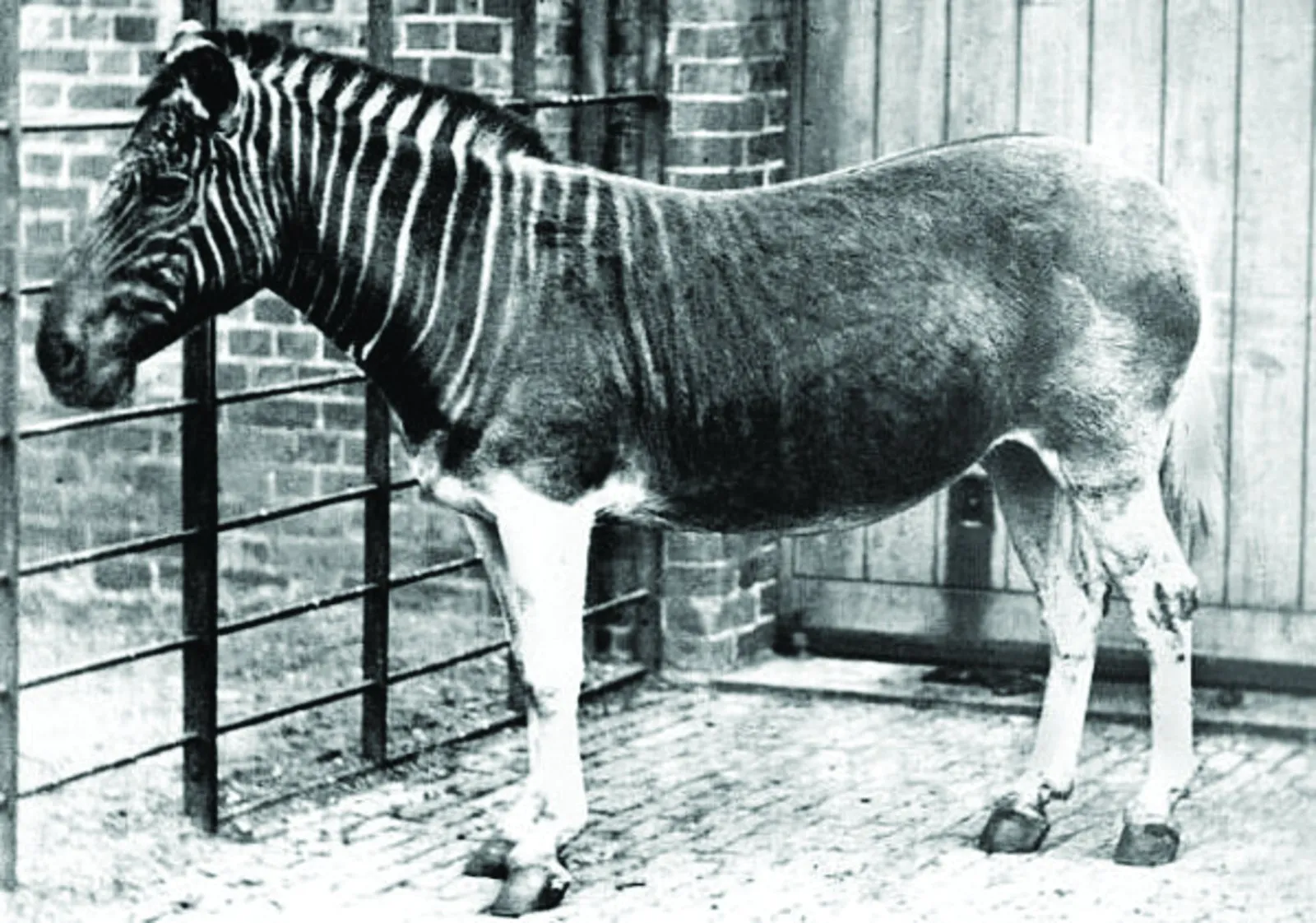
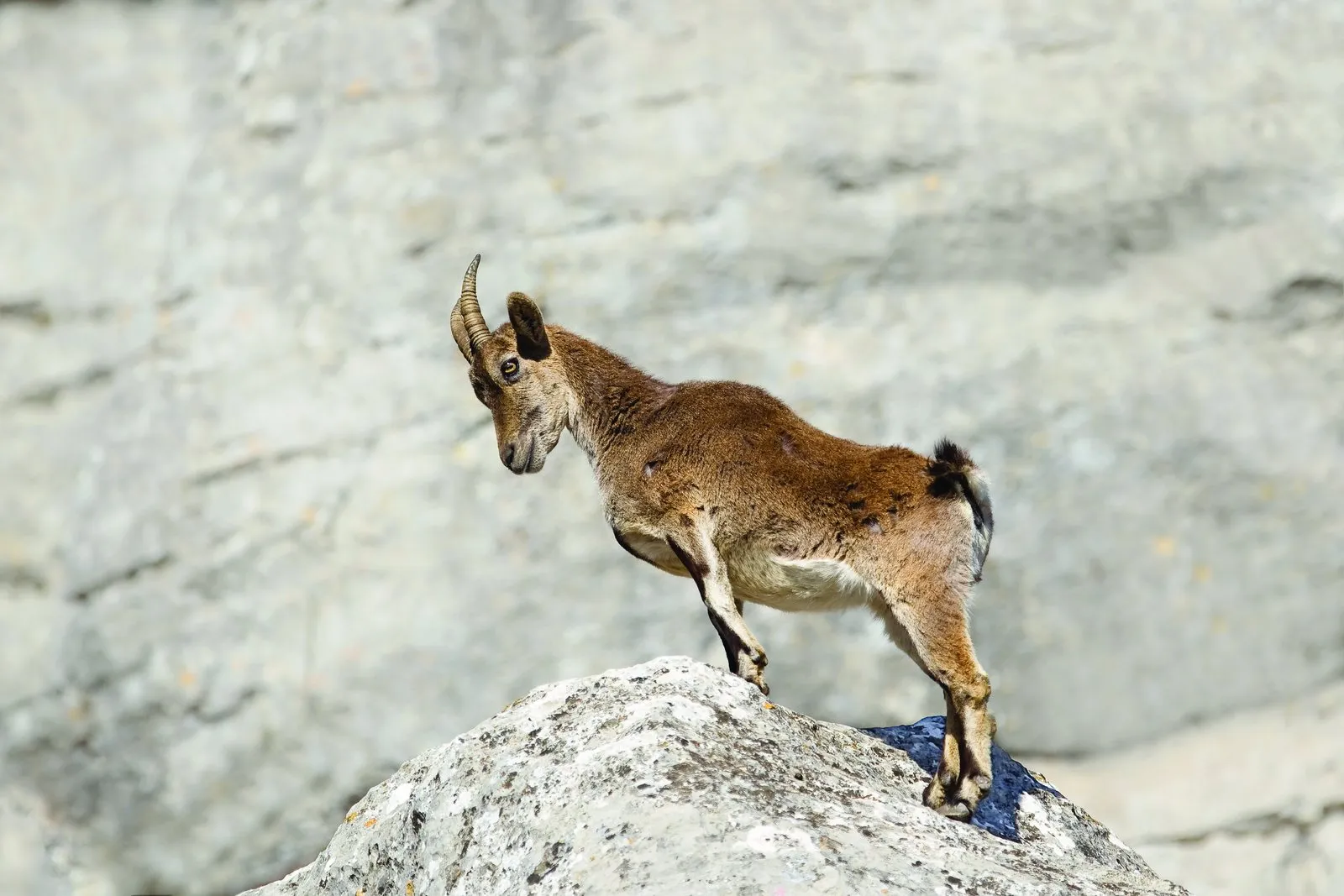
The Pyrenean Ibex, commonly known as bucardo (in Spanish) have been extinct since 2000 (thanks to poaching, courtesy humans) and it was possible to clone the last bucardo, Celia, from its preserved cells. Sadly, it died in just seven minutes after coming to life due to the formation of a lump in its lungs. There are other ongoing projects aimed at reviving animals such as quagga (a type of zebra) and the auroch cattle from the Pleistocene age. Araucaria mirabilis, a species of coniferous tree from Argentina is another such contender among the flora. They grew in the Jurassic period and are preserved in numbers at Patagonia ( Argentina). This, in a way, gives us hope that the extinct ecosystem can be on the path of resurrection.
Brush with morality
Morality is an ambiguous term. While we are in a way morally bound to bring back the species whose extinction we have aided in, this might reach a phase where we resurrect animals extinct aeons back (let’s just assume) and arguably create a ruckus on the line of, if not as big as, the Jurassic Park. Animal rights are another aspect to ponder upon. These are ‘dead’ animals, apparently lacking the capacity to adapt to this situation. How are their rights going to be dished out? Do extinct animals have any rights?
Should we bring them back?
We are in the midst of the sixth great extinction, and in a way we owe it to our ecosystem to replenish all that we have lost by actively aiding in. We really have no idea as to how the resurrected species will react to the changed ecosystem. Some anti-revival biologists have also claimed that aping an extinct ecosystem is a near impossible task and the resurrected animals might just come to life only to be extinct again. Celia is as much an example of successful de-extinction as it is of the perils of the same.
Commercialisation and its side effects
Everyone is familiar with the turmoil that ensued and the ultimate destruction of the Jurassic Park of celluloid and we cannot disagree that excessive commercialisation is one of the reasons for the same. We hope that Pleistocene Park is a zoologist’s haven and not that of an investor’s. If animals are literally created in the lab, it can impact their behavioral patterns in an unprecedented manner. Also, with over-commercialisation would come rapid breeding of such mammals. Not just for the animals, it might be a gory end for mankind if these magnificent animals are bred irresponsibly for the purpose of entertainment.
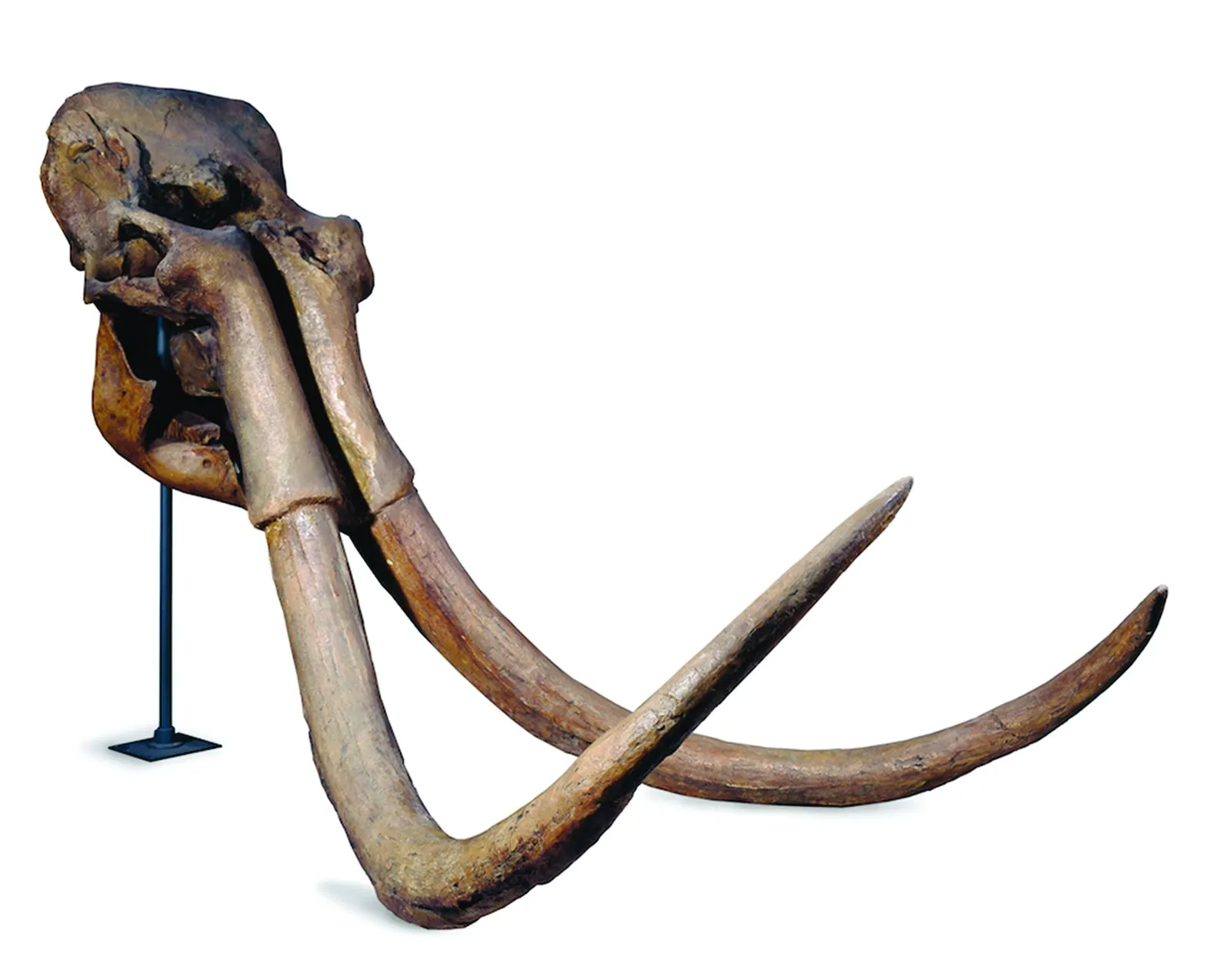
Genetic scientist, George Church of Harvard University successfully copied the DNA from well preserved frozen woolly mammoths and merged them into the genome of an Asian elephant. So, an elephant-mammoth hybrid might well be on its way. It is hailed as one of the major ‘attractions’ and one of the major reasons behind the creation of the Pleistocene Park.
From the December 2016 issue of FHM India.
Spotted a mistake, or your photo used without permission? Report a correction











 in your inbox