
Cheese Your Way Through: The FHM Cheat Sheet
Fuss not: the most definitive guide to cheese you will need, from Brie to Roquefort




How do you go recognizing the cheese:

Cheese is recognized by colour, texture, whether it has wax or a rind and smell and is mainly split into the following sects -
Brie - A soft cheese with a whitish hard rind, usually produced in the shape of a flat disc. This kind of cheese is usually of the cream colour. Brie cheese is originally made of of cow’s milk. Brie tastes wonderful when baked with strawberries and crackers. It provides a slightly sweet and pungent flavour.

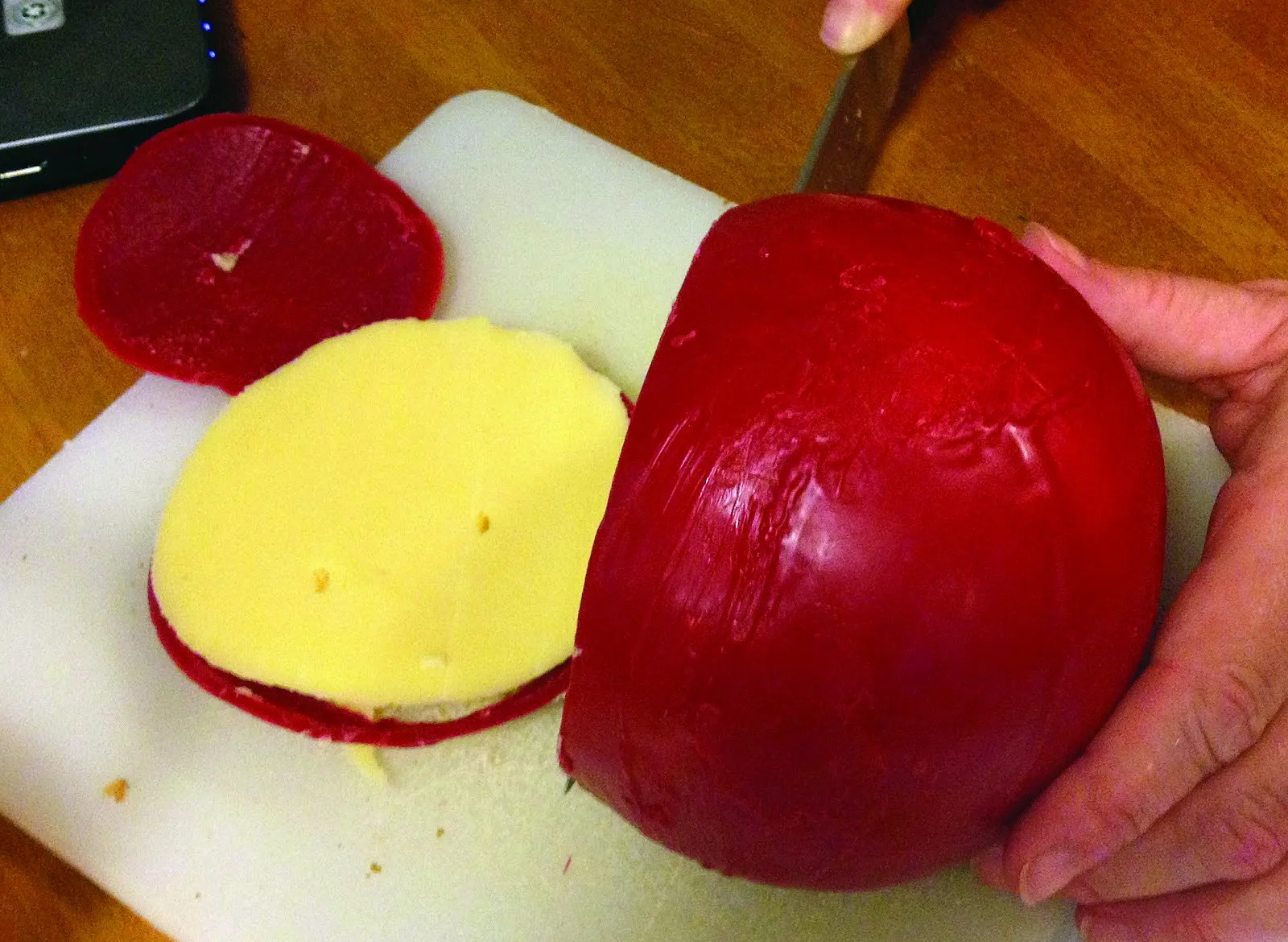
Edam - A semi hard cheese with a red wax coating, usually produced in a shape of a ball. Edam is typically a yellow coloured cheese. This cheese can be made out of cow’s or goat’s milk, depending on the origin of production. Edam is a fantastic cheese to go a cheese platter, to be sliced in a sandwich as it holds together very well. Has a very mild, neutral taste and goes very well with apples.
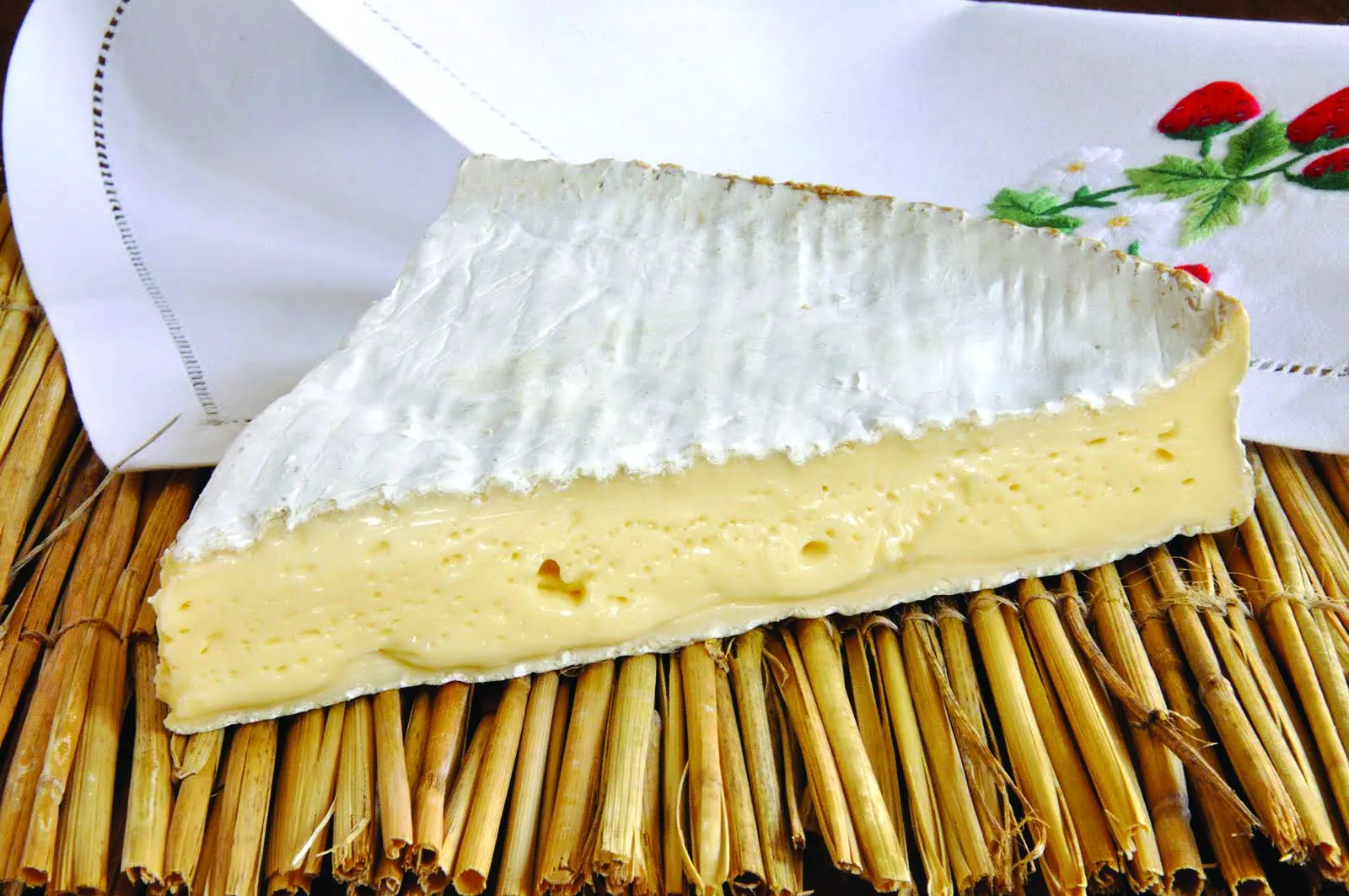
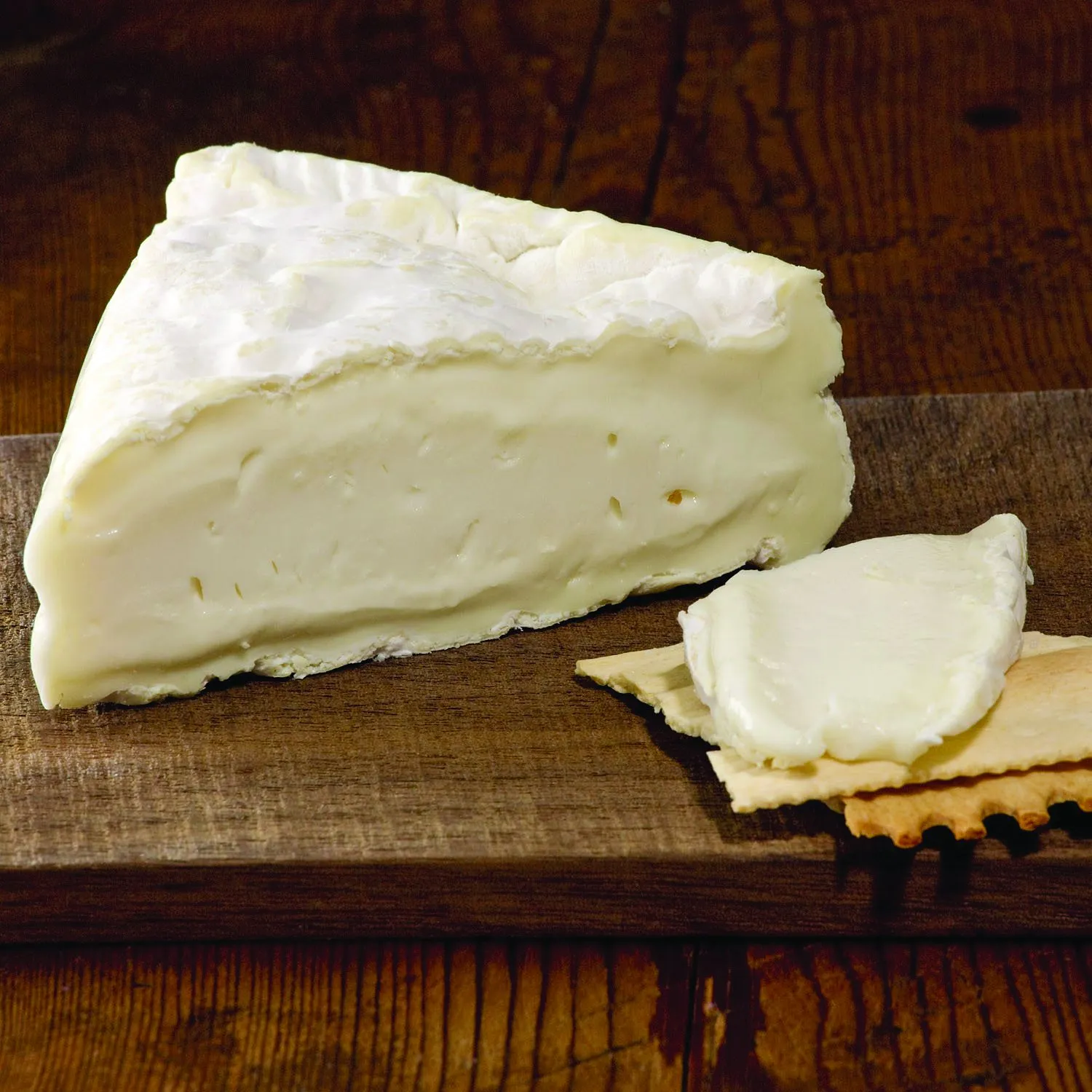
Chevre - An extremely soft crumbly cheese wrapped in plastic, that has some moisture as well. Variants of chevre are available in white colour. This kind of cheese is made of goat’s milk. Chevre is a salty, earthy and tart cheese. With a very smooth spreadable texture chevre works excellently for salads and for savoury tarts. It also works well as a dessert cheese.
Inputs by Chef Swasti Aggarwal, Foodhall
MOZZARELLA
Mozzarella is a fresh, pulled-curd cheese made from the milk of water buffalo. Mozzarella is prized for its soft texture and mild creamy flavor.
Fresh it is usually rolled into a ball of 80 to 100 grams; From Italy

FETA
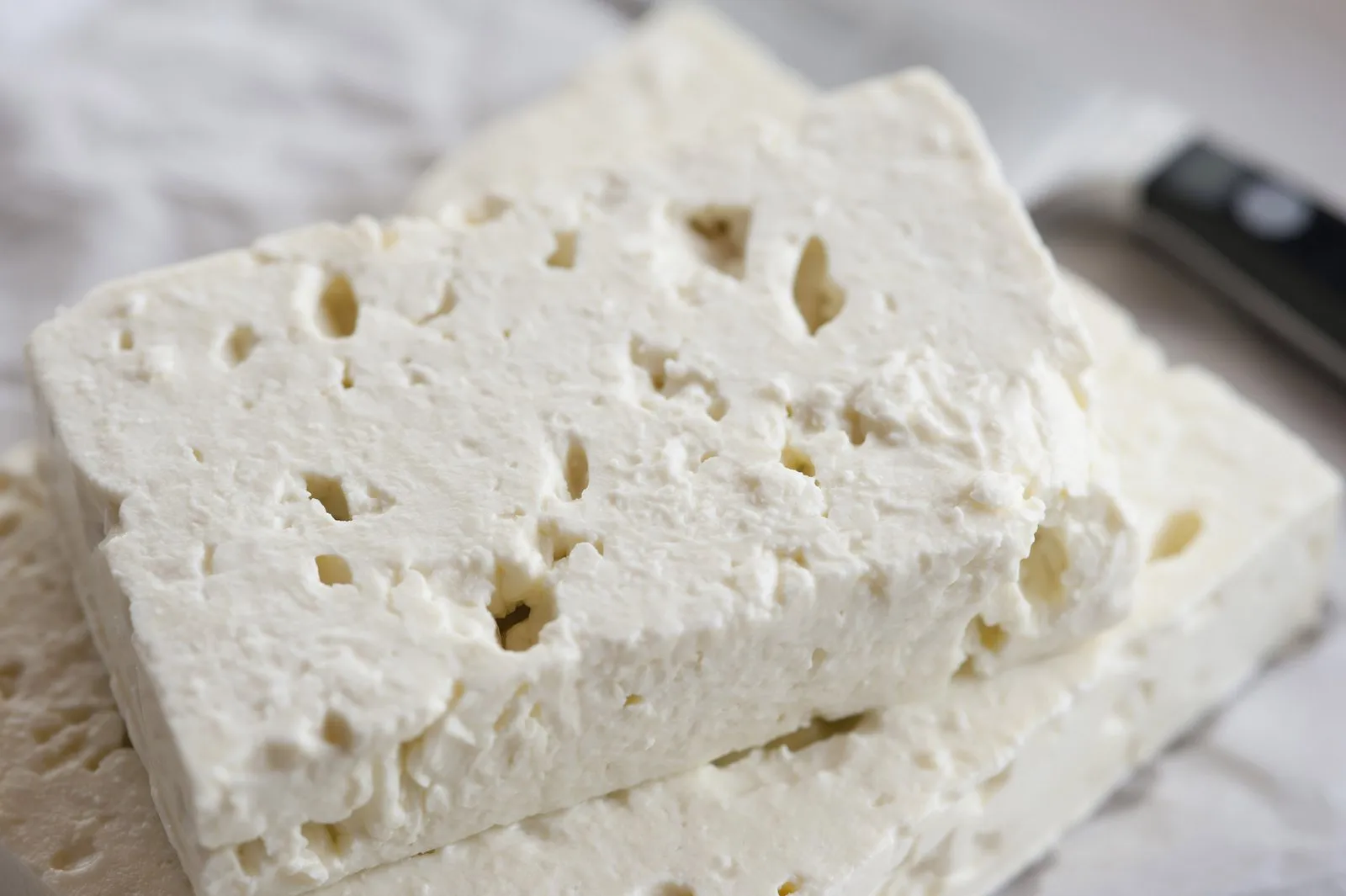
This cheese is made out of goat cheese and is classified as ‘Feta’ only if it comes from mainland Greece. Tangy and moist, feta can range from completely crumbly to moderately creamy. It reminisces with our very own desi paneer, albeit softer.
Comes in tubes, 200 gms blocks; From Greece

EMMANTAL
Made from the milk of cows that are led up the Alps to graze over multiple seasons, Emmantal can be easily recognised with the laden bubbles in the cheese. This cheese has a certain sweetness with a piquancy that hits the back of the tongue on the finish.
Comes in 200 gms block or larger blocks; From Switzerland
CHEDDAR
Cheddar cheese made in this traditional fashion are dry and crumbly in texture, with a deep, tangy, nutty flavor. Typically deep yellow in color, some of the variants are available in ivory colour as well.
Comes in 200 gms blocks or blocks above 3 Kgs; The best from UK
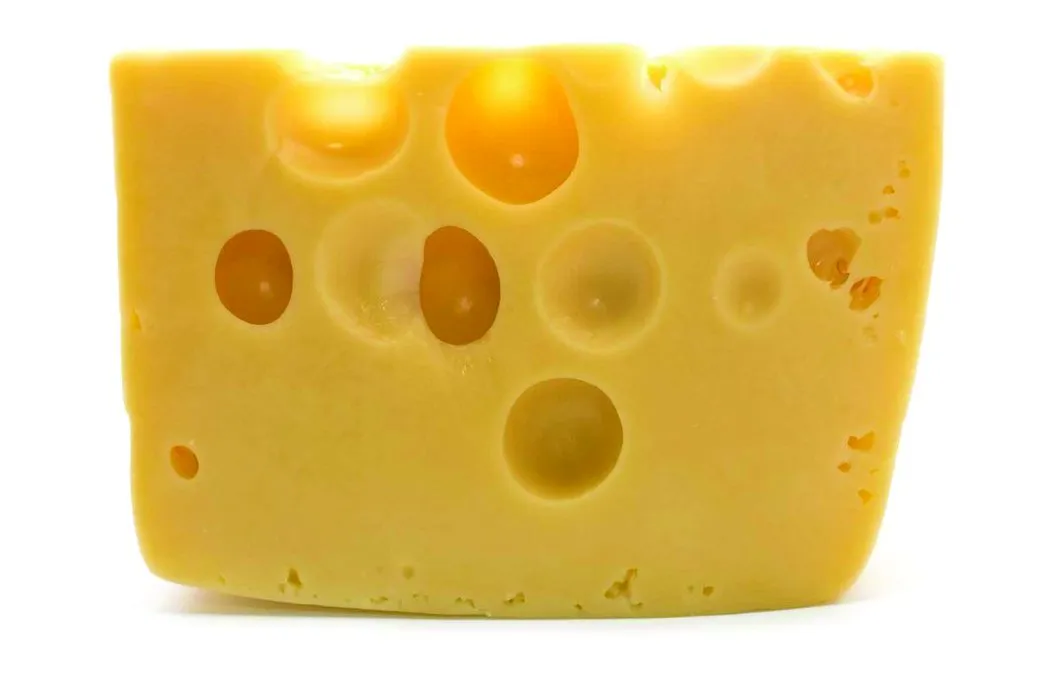
GOUDA
A semi-hard to hard cow's milk cheese typically from Holland, only variants that are aged for close to six months or more, live up to the name. Flavours usually vary from wildly mild to deep flavour, owing to the aging period. You can easily spot a Gouda owing to its pale yellow colour.
Comes in small wedges or small rounds; From Holland, but some expats are making it in Kashmir now
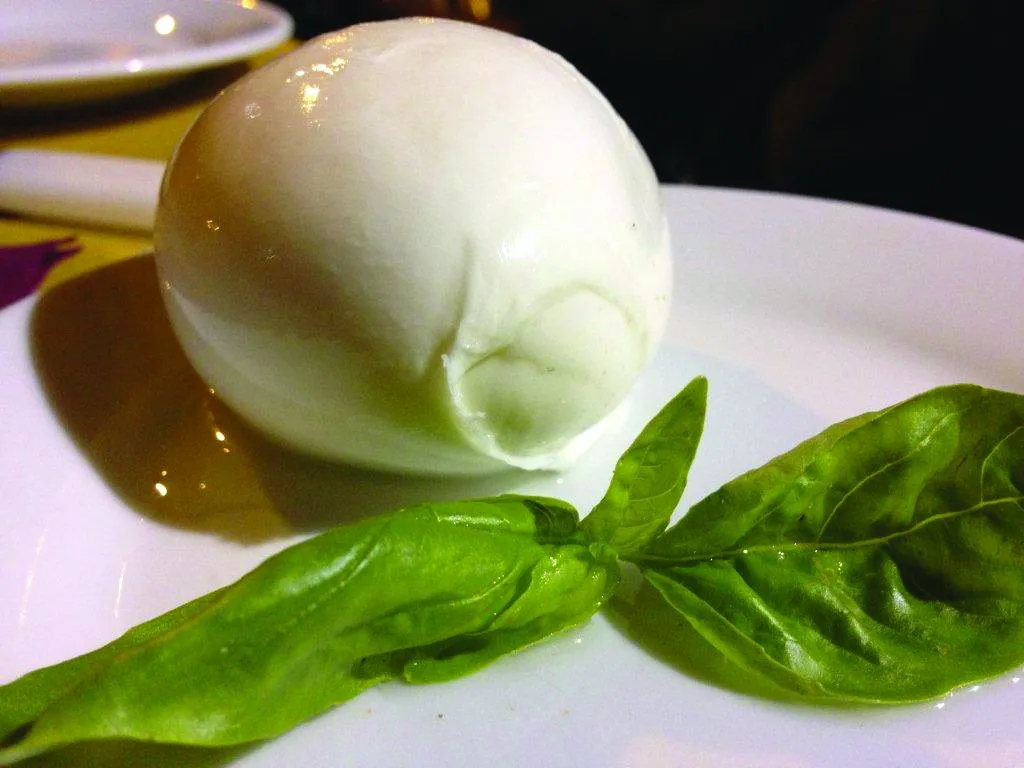
PARMIGIANO REGGIANO

Aged for a minimum of 12 months and a maximum of 36, it's a hard, dry, crumbly cheese that has great crunch and deep caramel-y, nutty flavour, and not to be confused with other hard cheese making the rounds by the name of ‘Parmesan’.
Comes in blocks more then five kgs for institution use; From Italy
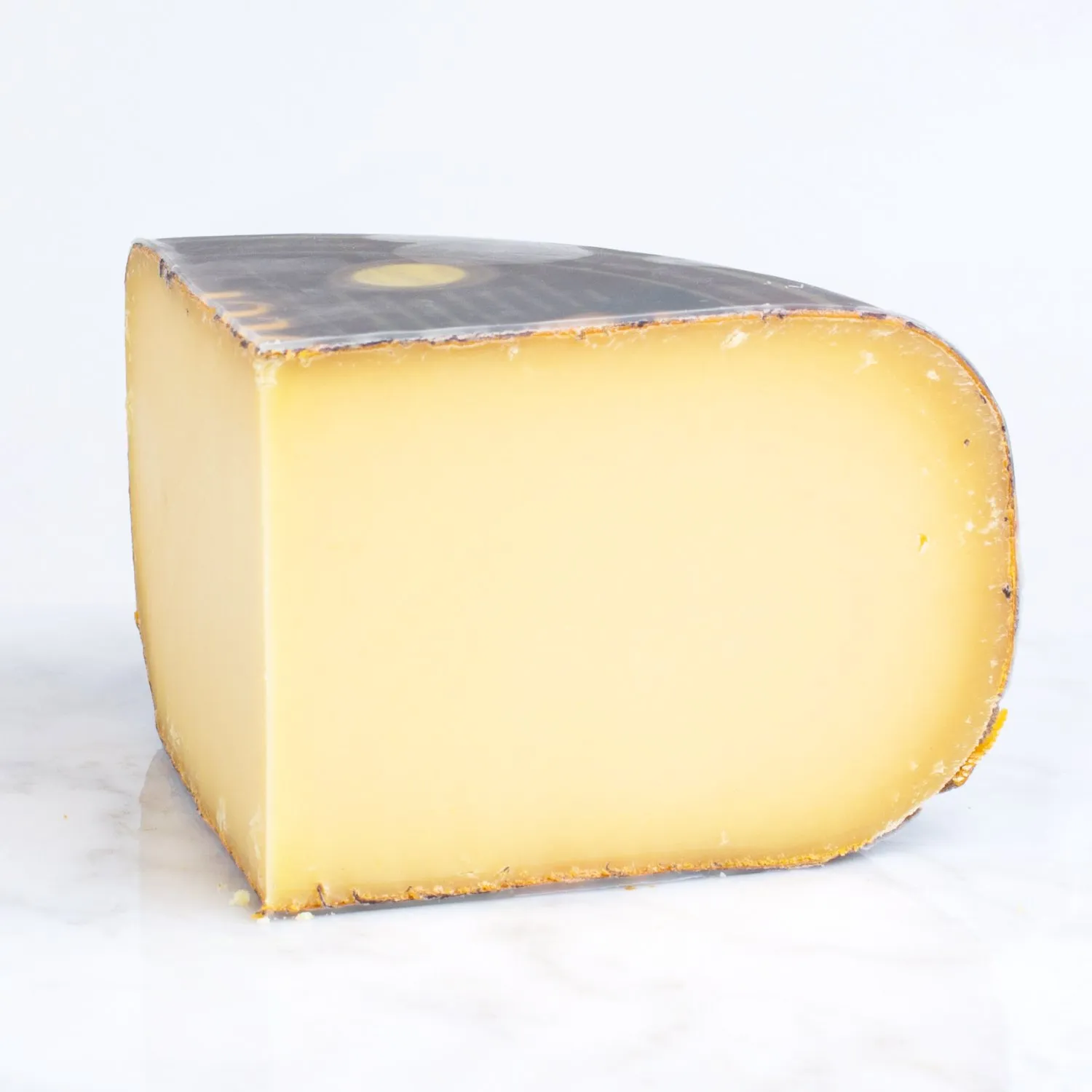
TALEGGIO
One of the oldest soft cheese known to mankind, Taleggio has a soft thin rind that is edible, and dons pungent flavors and even more pungent surface smells.
Comes in block of 2 kgs or more: From Italy
BLUE CHEESE
Arguably, the best cheese in the world, it is characterised by its blue or blue-green veins that occur due to mold spores from Penicillium roqueforti. It can be easily spotted for its sharp salty flavor, with a creamy off-white inside.
Available in 100 gms or 1 kg blocks; From France, Belgium or Italy
MANCHEGO
Made from the milk of Manchega sheep, manchegos have a buttery, rich texture that borders on creamy, while the aged version develops a deeply salty flavor and crunchy tyrosine crystals as it dehydrates.
Comes in barrel-shaped molds of 3kgs or more: From Spain
ROQUEFORT
Hailing from South of France, the cheese is white, tangy, crumbly and slightly moist, with distinctive veins of green mold. It has characteristic odor and flavor with a notable taste of butyric acid; the green veins provide a sharp tang.
A typical wheel of Roquefort weighs between 2.5 and 3 kgs: From France
From the June 2014 issue of FHM India.
Spotted a mistake, or your photo used without permission? Report a correction













 in your inbox