
Compassion and the Indian man
Are we walking away from the lessons that we learnt years back as a race – the lessons on compassion and benevolence? FHM explores...




A man walking on the road early morning is hit by a tempo. The traffic signal CCTV footage captures a stranger stealing his mobile phone that lies a few metres away from the fallen man. All this happens over 90 lazy minutes, at the end of which the man dies, bleeding on the road, unattended, as hundreds of people walk by. The edited version of the video makes it to social websites and our minds, and gains a filthy viral status for half a day.
Another man loses his wife to tuberculosis in a district hospital in Orissa and is denied an ambulance. He carries her dead body on his shoulders for 12 kms. This becomes an online sensation that is also widely covered by all popular news channels; stays in news for two days and gets archived in the library of Indian history, never to be pulled out again.

These are two among a million examples where our brothers and sisters, as the national pledge recounts them, have failed on the primordial duty of a human being. The argument gets perplexing because East is supposed to have pioneered in and championed the concept of compassion long before the West made peace with its several reservations and survival wars. And like the intermingling of water and land in the natural history of the world, it somehow exchanged sacks — us having renounced the idea and them having embraced it in absolute reversion.
What caused the reversion?
The modern Indian is shaped through a non-linear progression because of a very complex history, where his one leg remains fixed in the past and the other dwindles in the winds of change. From an evolved ancient background of stark reality to a romanticised dimension of nirvana, in the form of the middle path, the dream of compassion only grew till the art-destroying invaders shook the resilient race, and got the ball rolling for a change in character.
Of course, not everyone was compassionate back then, nor has the reversal been a ubiquitous event. But there is a binary possibility of why a sensitive people originally inclined towards compassion and involvement switched sides with indifference and insensitivity. For a long time the populace of the Indian subcontinent was subjected to aristocratic and monarchical tyranny (in one phase the monarch was sitting in a distant island in Europe) that may have spurred a sadistic reaction and a misplaced vengeful backlash on those they could practice some control over. This, having become a forced trait, seeped into the personalities of the general people (not all) and over time they grew used to seeing mishaps and torture without being deeply affected by it. This psychological manoeuvre also exposed another interesting aspect in the society that continues till today — rift between the affluent and the poor.
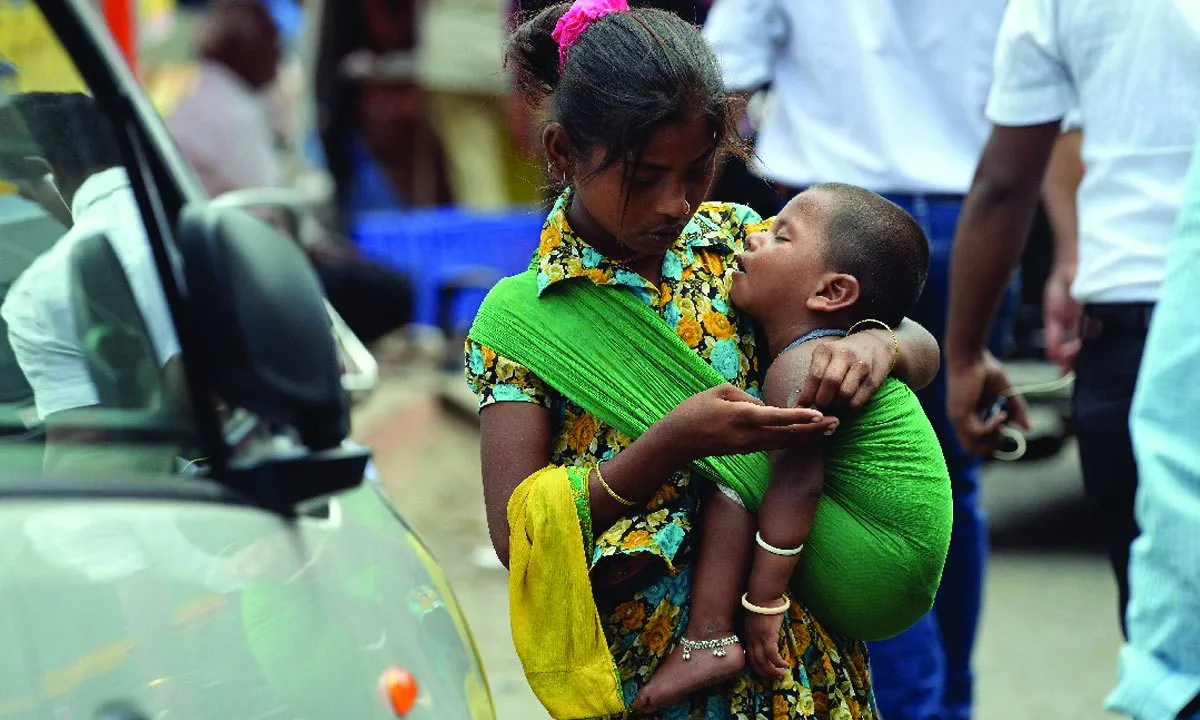
The poor being closest to the scenes of atrocities and pain developed survivalist tendencies wherein they saw such incidents as probable facets to reality that they needed to avoid and save themselves from. The over-exposure to the agony made them grow a sheath of apathy; something similar that doctors develop, having to see deaths and suffering every day. The affluent (not the ones indicting it), on the other hand, remained oblivious to most incidents and continued to remain in the original state. This, however, changed with the spread of media (news, books, films, theatre) and the sheath of apathy began to grow on them too, after a wave of shock and empathy.
What does the future look like?
The 21st century is a mixed bag in terms of how the media has taken over the world’s thought process. We think, we buy, we do what is forced upon us, having absolutely given in to the paralysing nudges of pop culture. Hence, many TV series and movies which are of immense popularity, carrying a lot of content with graphic gore and violence, leave a numbing effect on the psychology, making us acclimated with it all... so much so that now our reactions have taken refuge behind our guilt and only surface when the forefront consumes it completely. This was evident in the Nirbhaya case and every other instance when we drew placards and held them high with candles on long walks of regret to India Gate and Jantar Mantar.
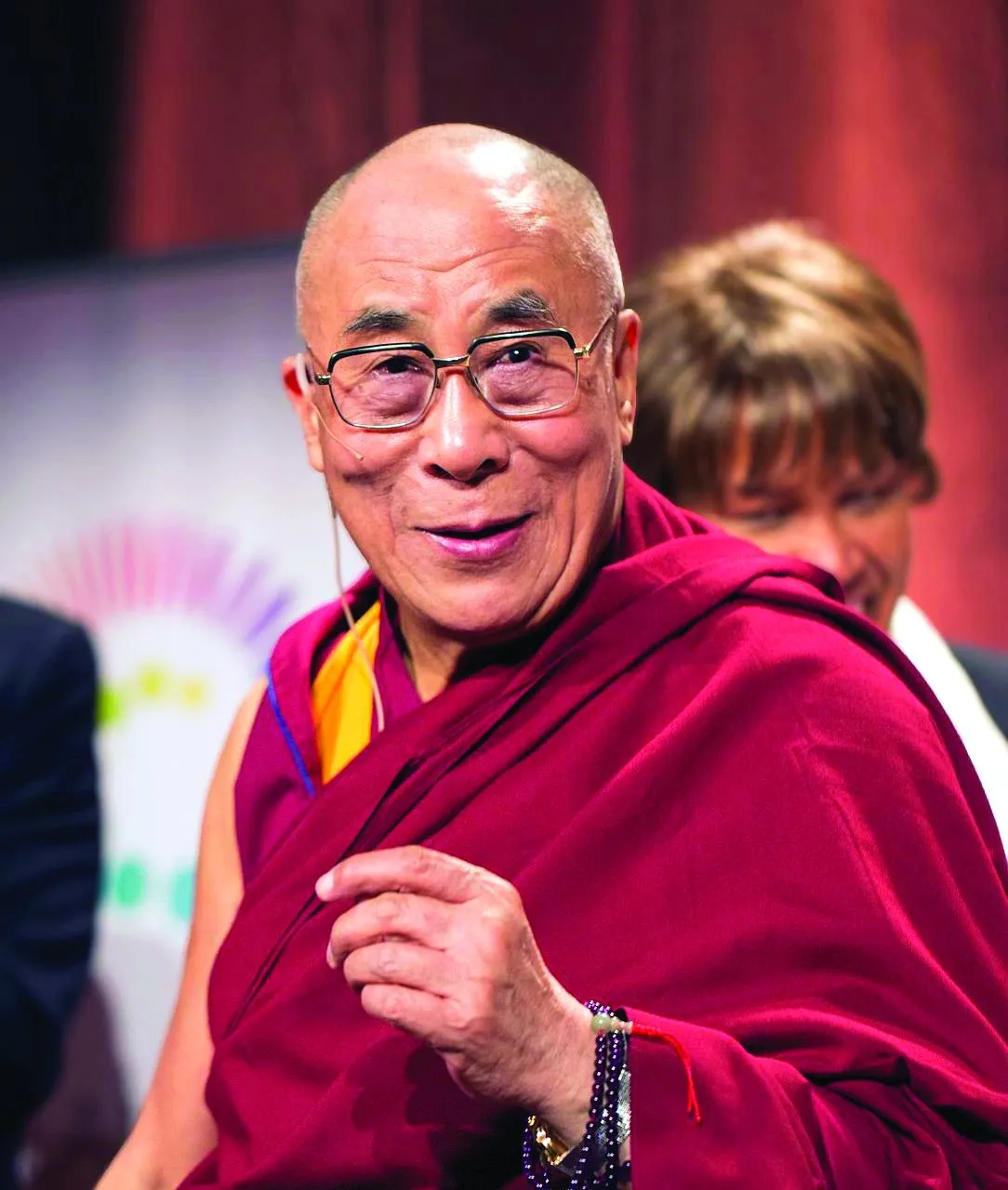
The future of compassion is intermingled with the general state of mind of the average Indian. And it is still rocking back and forth between visions of reality and an acquired taste for a distant one. If we take cue from how the psychological projectile arches in the West the ball game is up for a change because things are only heading to a saturated culmination. World leaders in spiritual sensibilities, like the Dalai Lama, have strong messages to convey. We just need to open up towards them and not take the words for granted like we have with every single observation from the ancient past. The Dalai Lama’s popularity in the West is the result of that saturation, which is leading people to return to calmer, non-material, more human practices.
But it may be wishing for too optimistic a scenario as this would involve changes in the basic socio-economic structure of the land, and right now things are still on the waning side. As they settle down and the ghastly gap, between those who apparently matter and those who don’t melts down, love, compassion and sympathy will follow. An old Indian adage urges people to set themselves on an inward journey and reconnect with everyone in a place which is without stigmas and dogmas — a difficult proposition when the options to connect virtually through the internet have increased many folds. The right time may be brought about by creating a disconnect with frivolous corporal attachments and shedding an overload of information to get back to the original state of human nature that we had strived so hard to evolve over thousands of years only to lose it again. It’s time to go back.
From the October 2016 issue of FHM India.
Spotted a mistake, or your photo used without permission? Report a correction








 in your inbox