
Going Down South: Why India's Freshest Music Comes From the South
From Avial's Alternative Malayalam Rock to Tamil hip-hop and Koothubilly, a tsunami of Southern indigenous music is ready to engulf the rest of the country. Plus Galeej Gurus and Avial spill the beans.
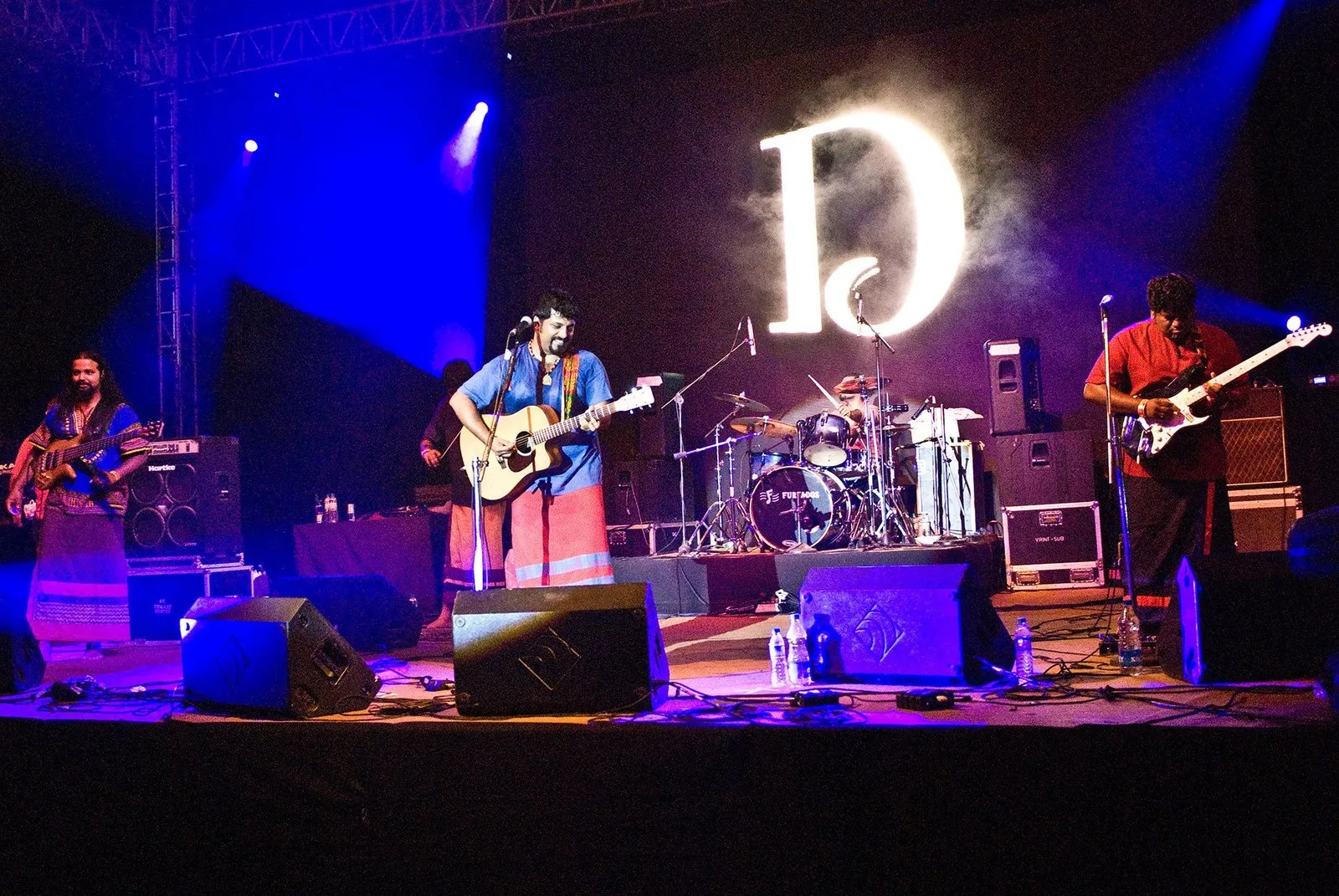



From the time Bangalore first shot to fame as the rock central of our nation to the present day when a man with ghungroos on his feet and a Kannada folk tune on his lips caused collective goosebumps in a crowd bursting at its seams – we had always known that something magical was brewing down south and now it’s no longer a secret…
Did you hear? There’s a tsunami licking our peninsular shores. It’s ready to engulf the rest of the country in its always mysterious, often hypnotic and ever strong waves of raw musical power. That’s perhaps the only way one can describe the force of nature that is Southern indigenous music today. While we were busy patting our backs for supporting new age bands that sang in English, the artistes from Chennai to Kochi have been quietly charting a course less taken – inspiring a generation to stay true to their legacy and introducing unwitting audiences to the joys of the non-Hindi speaking world.

Embracing their vernacular heritage and bringing traditions back to the forefront, some of the most popular musicians from the South come from Carnatic pedigree, borrow prose from ancient poets and unabashedly celebrate their unique sound. That’s not to say that they are abandoning the queen’s tongue or not strumming mean guitar but they are doing it all by playing to a much larger world stage.
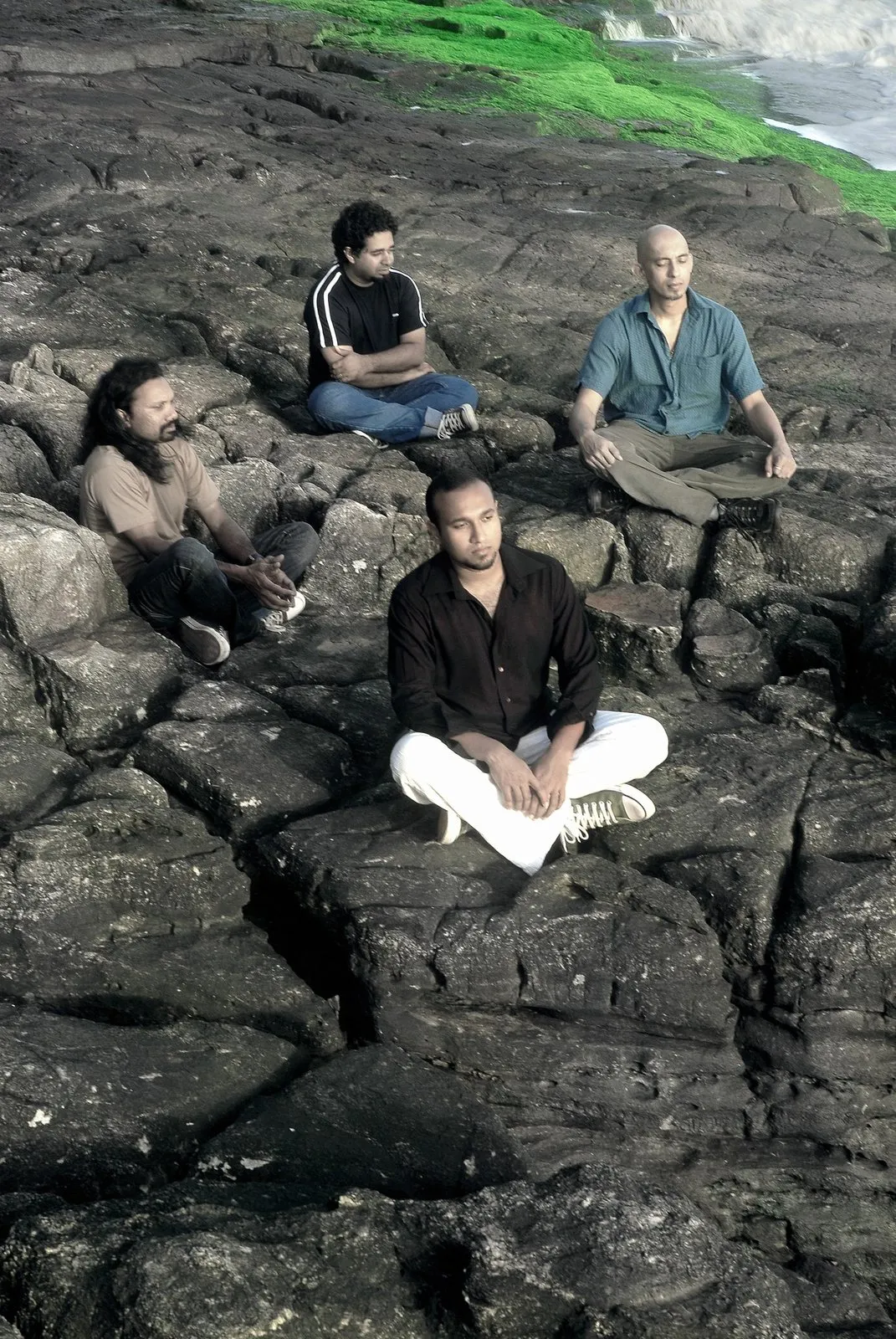
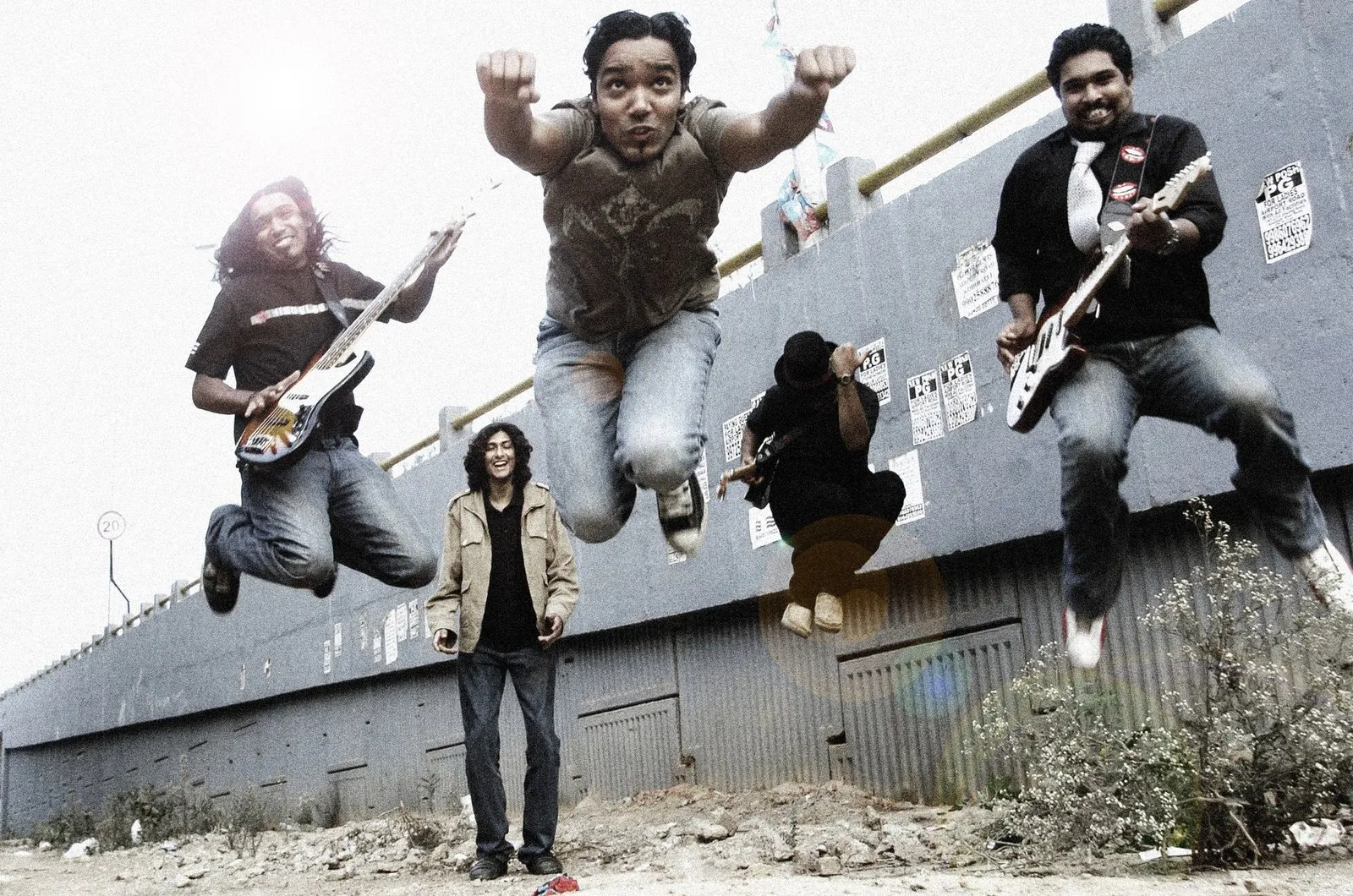
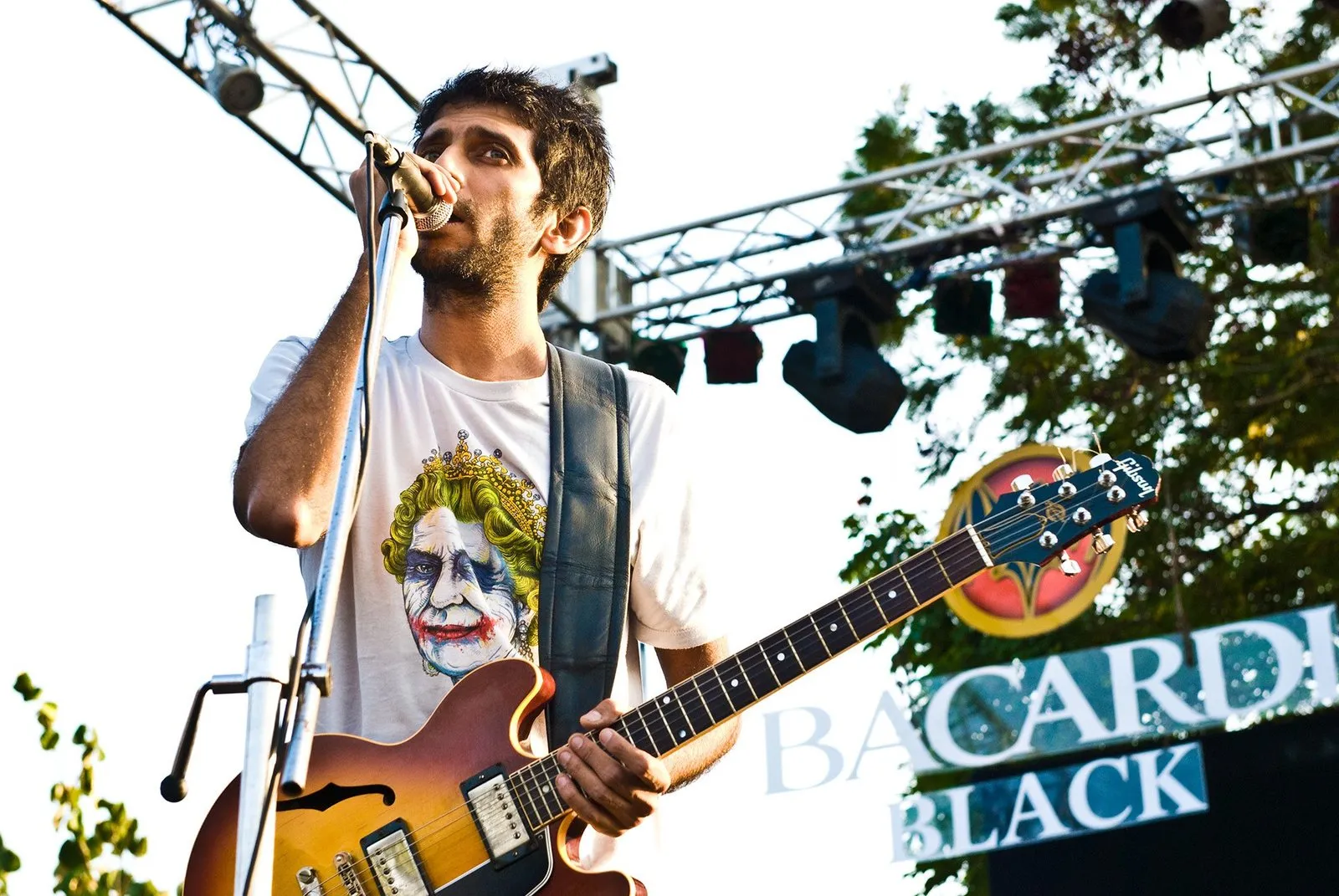
Case in point – A songstress whirls with Tamil chants. A didgeridoo plays in an ambient number. A violin matches the beats of a wooden dancing horse. A rocker throws off his vest into a screaming mosh pit. Whodathunkit that these scenes from the stages of the recently concluded Bacardi NH7 Weekender would turn our notions of the scene on its head. While we fought for our front row place at the Raghu Dixit gig (we pledge our eternal love for him), screamed hysterically at The Bicycle Days revelation, ran a mile to make it to Lounge Piranha’s opening set, sacrificed our favourite shoes to the Junkyard Groove jumping mayhem and moved like fanatic dervishes to Susheela Raman’s sheer energy – we realized that unbeknownst to us, an evolution had taken place. And it could no longer afford to remain underground.
What the festival did for Indian music in general deserves a separate ode, but by bringing together some very diverse Southern acts ranging from folk to rock and psychedelic to experimental together on one platform, they did manage to show us who is capable of leading this country towards a fresh gravitational pull of contemporary music. While we bemoan that the garden city is no longer the home of Indian rock, we must not forget that the end of the classic rock obsession might just be a much needed fresh lease of life.
How else would you explain Alternative Malayali Rock, Tamil Hip-Hop (we are serious), Koothubilly (a combination of the Tamil word for performance and the genre of psychobilly) and Carnatic Fusion spanking the purist ass with such élan.
While the phenomenon had started a while back, it’s only in the last few years that it has erupted. When Kochi’s Malayalam rockers Avial’s breakthrough performance at Eastwind 2008 in Delhi had the crowd singing along to their signature hit Nada Nada, they not just lived up to their yummy name but also cut across language barriers. Around the same time, fellow natives Motherjane’s second effort Maktub, which incorporated traditional instruments like the chenda was hailed as the album of the year. On the other side, Chennai pop-rock project Rainbow Bridge was storming I-Rock even as the first seeds of the Koothubilly attempt were being sown by the very punk No Safe Word.

This South Indian sonic shield is as much a potpourri of varied influences from the peninsula and further inland as it is about being firmly grounded.
From the lyrical jazz-pop duo of Sridhar/Thayil to the London based Susheela Raman and even the avant garde M.I.A. – there is a crazy kind of funk running through their veins.
We won’t ignore the question of a supposed limited reach that might pop in to someone’s head when they wonder what Muyandral Mudiyum by the Tamil hip-hop label Hiphop Tamizha means or why exactly does Swarathma dress up in Gujarati influenced attire and incorporate Rajasthani elements in their act. We’ll simply point to the charts, the album sales, the number of concerts, the awards and most importantly the single tear of joy that some of their compositions can bring to our eyes (Ahem, we deny this happened to us).
Ask a Raghu fan the meaning of Gudgudiya Sedi Nodo and they will promptly respond or check with a Junkyard Groove groupie on how many posts frontman Ameeth Thomas puts up and you’ll get an accurate number – that says it all. But to prove the adage, ‘Music has no language,’ has been a tough journey for some. Atleast they have paved the way for the rest to follow. Years of struggle and rejection most indie artists face have only been magnified for these bands trying to break into the national market and for every one artist that found support, three floundered. But then again, the cult following they have garnered in the states of their origin make us feel like we have been living under a rock. When we emerged from it and got down to writing this piece, we unearthed a whole world of un-convention waiting to be discovered. Won’t you step out into the light with us?
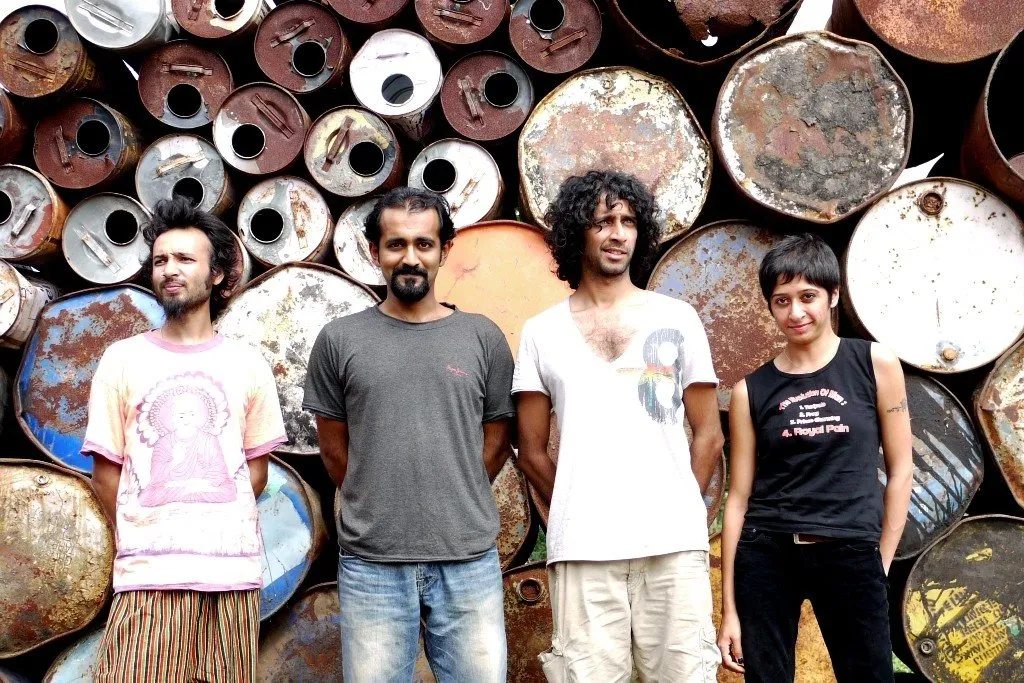
The bands speak
We got two of our beloved, distinctly different and understated bands from the land of the thundering thighs to spill the sambhar, oops beans
FHM: Your take on the South Indian music scene. Any particular reasons for its growing appeal?
Galeej Gurus: It’s getting better and moving from a time where a band had to wait months before landing a gig to now when there’s a gig every week if one is clever enough with marketing. Earlier bands were some 20 years behind the West when it came to prevalent genres in the rock arena. But the internet has changed all that and the gap is steadily getting smaller. The general direction for most upcoming musicians now seems to be alternative even as they are getting creative, taking more risks with songwriting and displaying interest in showcasing their own material, as opposed to the older bands’ obsession with covers. The direct contact with fans through social networking and easy access to their music online has helped the popularity. But it’s the growth of the rock scene and the right musical climate that is producing more inspiring work.
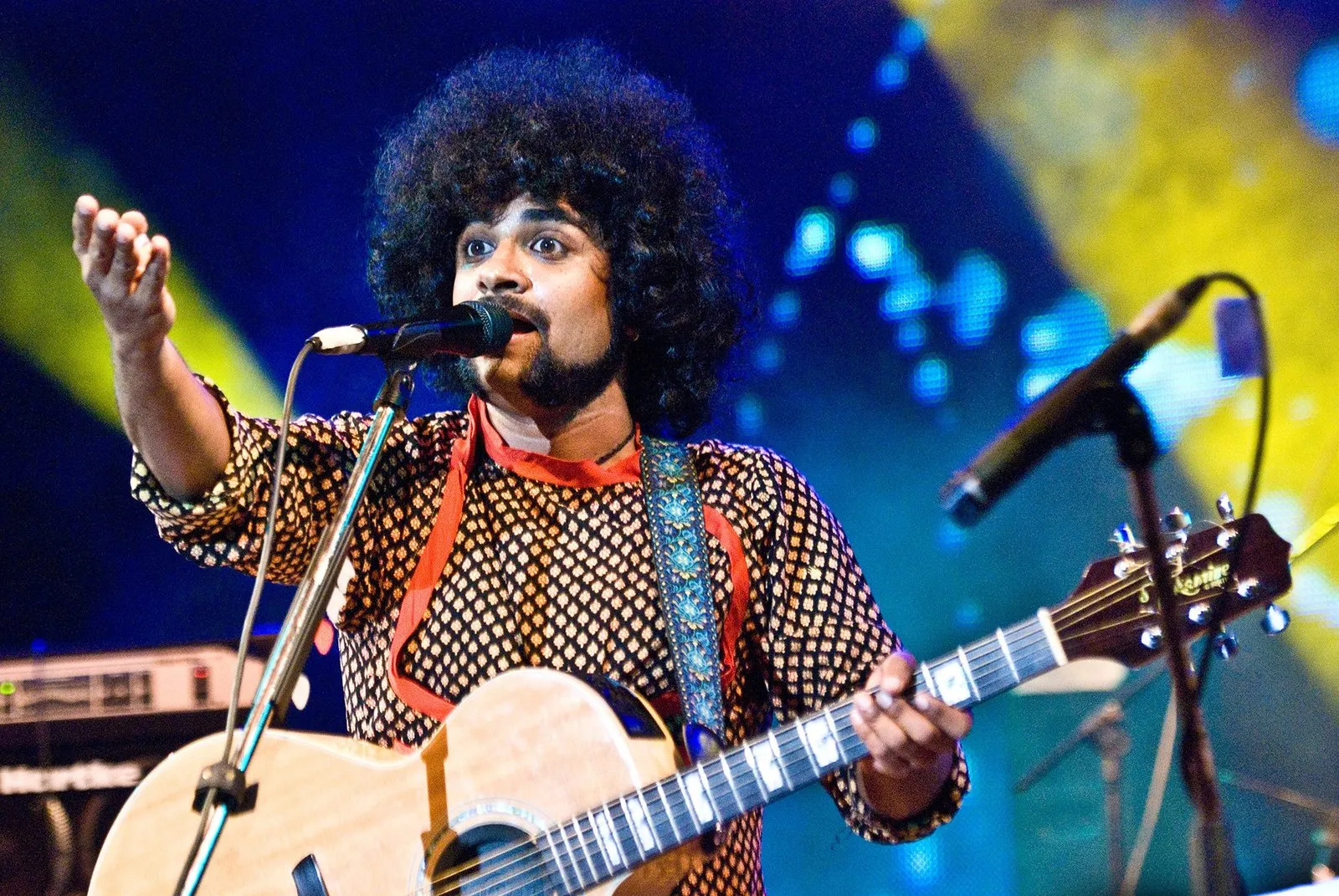
Avial: As a lot, artistes are coming up with more contemporary music and the listeners are appreciating it. But the biggest change has been the sponsors who are putting in the money and promoters who are pushing it out there. This mutual relationship is helping more talent emerge, not just from South India, but the whole country. It’s not about the kind of music you are churning out, but what matters most is the melody in a song. A good melody will appeal to everyone whether you’re doing rock, pop, fusion or folk. Bands are making songs that more people can relate to rather than just a particular audience, while AV production qualities and technology are also keeping pace. Plus there are so many marketing tools adding momentum to deserving musicians.
FHM: Does the use of vernacular play a large part in creating the identity of bands from the South?
Galeej Gurus: We believe the identity of a band will always remain in the quality of its sound, regardless of the use of vernacular. It’s the quality of your performance and the appeal of your music that wins listeners.
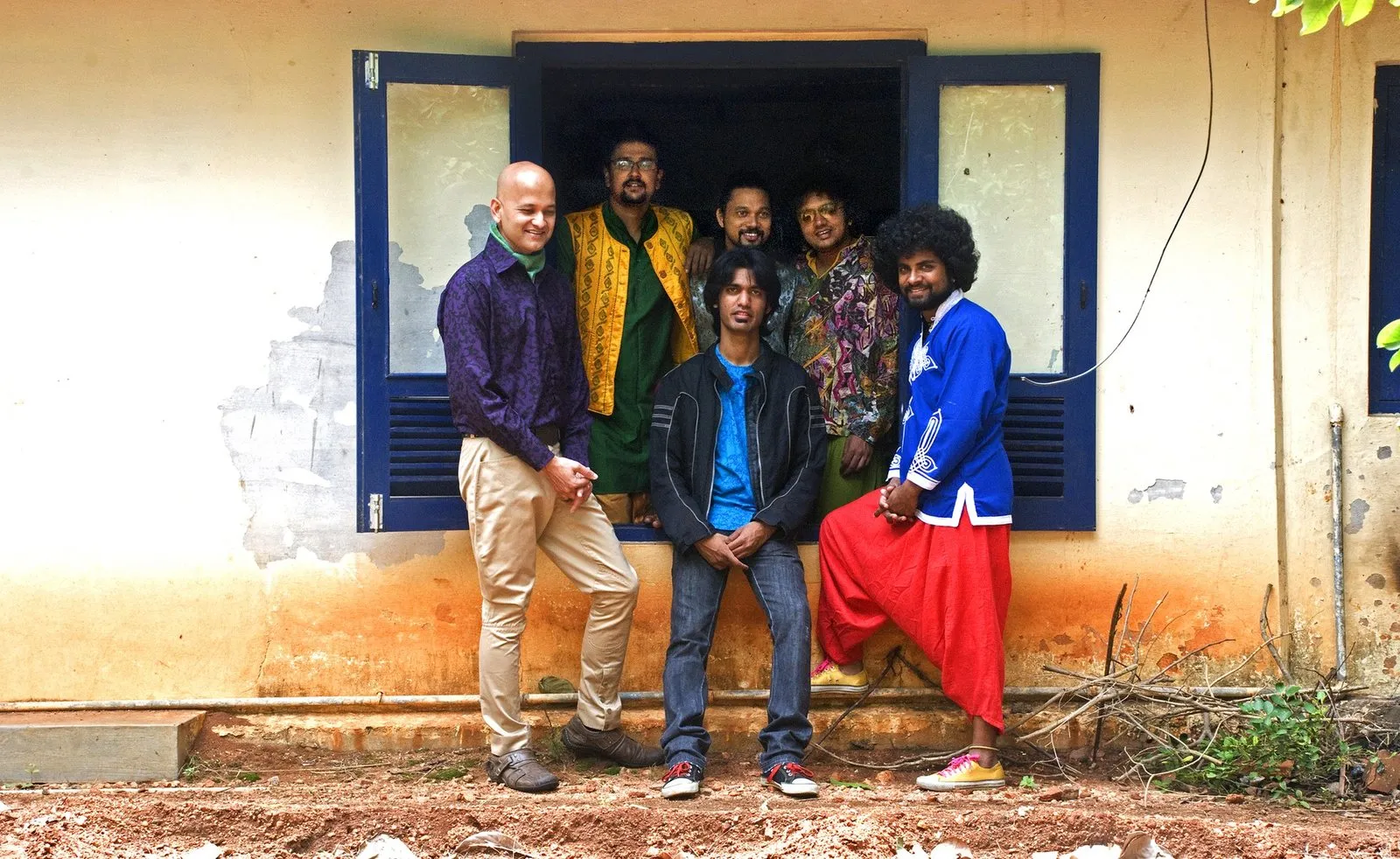
Avial: It’s not about one region. Vernacular plays a large part in creating a band’s identity. Our genre has been named ‘Alternative Malayalam Rock’ and that has more or less become our identity. Even with Nada Nada, we didn’t really expect the kind of response we received. We are ecstatic that even the North has appreciated the song and we are trying our best to fulfill expectations.
FHM: What next?
Galeej Gurus: We start recording on our debut in January to release sometime in March. The band is hoping to get the album mixed and/or mastered abroad, so keep your fingers crossed.
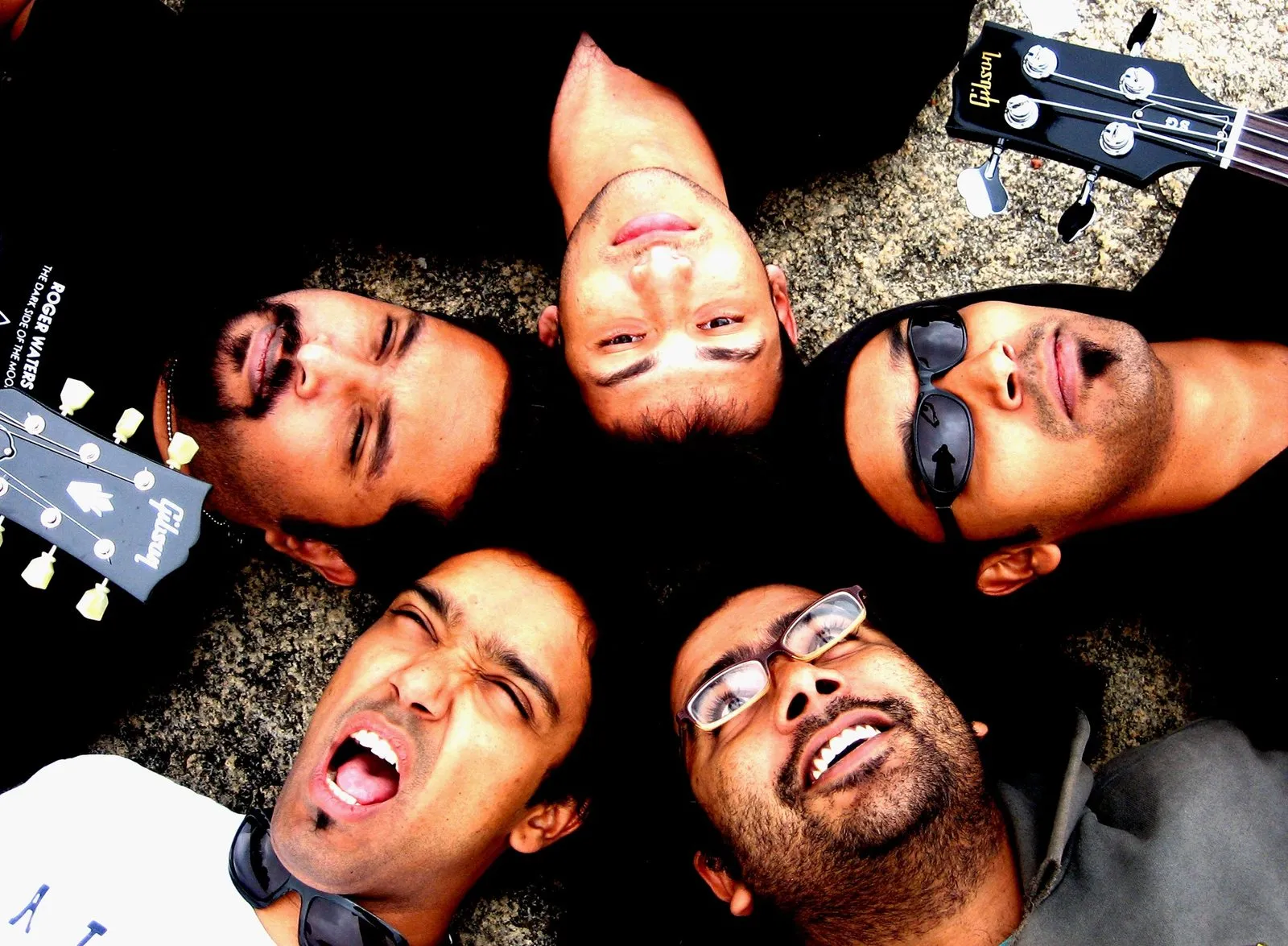
Avial: Our new album is under production with plans of a release by next year. We are also finalizing our official website to go live from January 2011 and are looking at touring cities where we haven’t played before.
Galeej Gurus
Calling in life: Indie Rock. Origin: Bangalore. Date of birth: 2000
Avial
Calling in life: Alternative Malayalam Rock. Origin: Kochi. Date of birth: 2003
Who the bands rate
Lounge Piranha
Lounge Piranha is one of the coolest experimental, post-rock live acts around. Formed in Bangalore in 2005 with influences like Oasis and U2, they bring a sort of unprecedented energy to the stage. When asked to pick a fave from the South, they picked an even kookier band called No Safe Word.
Raghu Dixit
Raghu Dixit on LP - “They have some really interesting, experimental music and are Indian but yet not trying to be highly influenced by indigenous music.”
Swarathma
Swarathma on LP - “We admire them for being more than just a band. Excellent artwork, imaginative fresh music and a strong DIY entrepreneurial spirit!”
Music by geography
- Tamil Nadu: Junkyard Groove, Rainbow Bridge, No Safe Word, Molotov Cocktail
- Karnataka: Raghu Dixit, Swarathma, Galeej Gurus, Lounge Piranha, Parachute XVI, The Bicycle Days, Kryptos, Slain
- Kerala: Avial, Motherjane
From the January 2011 issue of FHM India.
Spotted a mistake, or your photo used without permission? Report a correction












 in your inbox