
Has Tennis Become Too Boring?
Racquets are no longer flung and referees no longer abused. Have tennis’s new A-team made it too much of a gentleman’s sport?
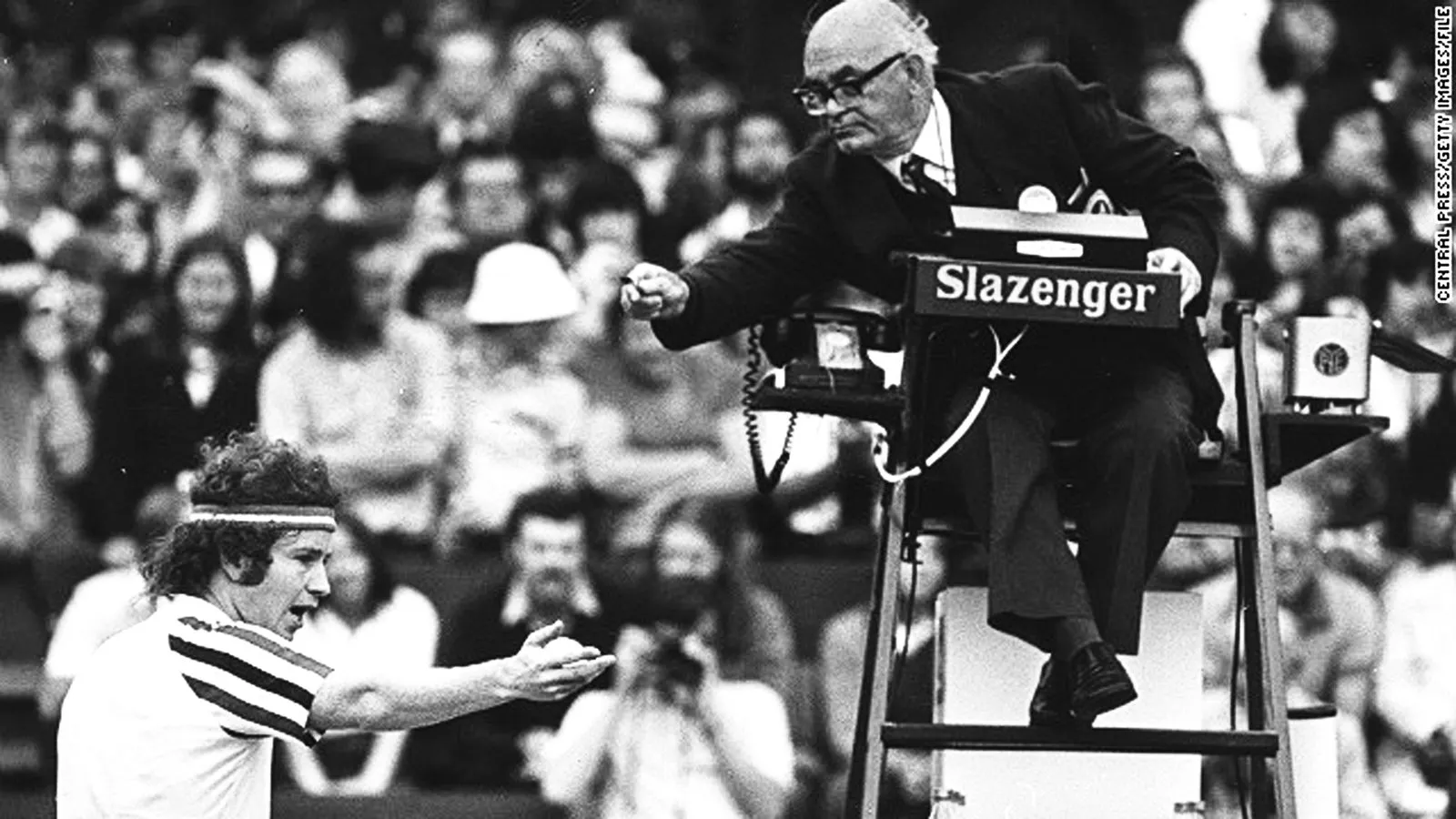


On January 10, 1982, top-ranked John McEnroe and Jimmy Connors, then the world number three, almost came to blows during the final of the Michelob Light Challenge in Rosemont, Illinois. In a tense fifth set of the exhibition match, Connors crossed the net to give McEnroe a piece of his mind. It was a few seconds before Superbrat McEnroe pushed him away and officials intervened. Although it didn’t make front-page news anywhere the next day, it did add to the legend of one of tennis’ greatest rivalries.
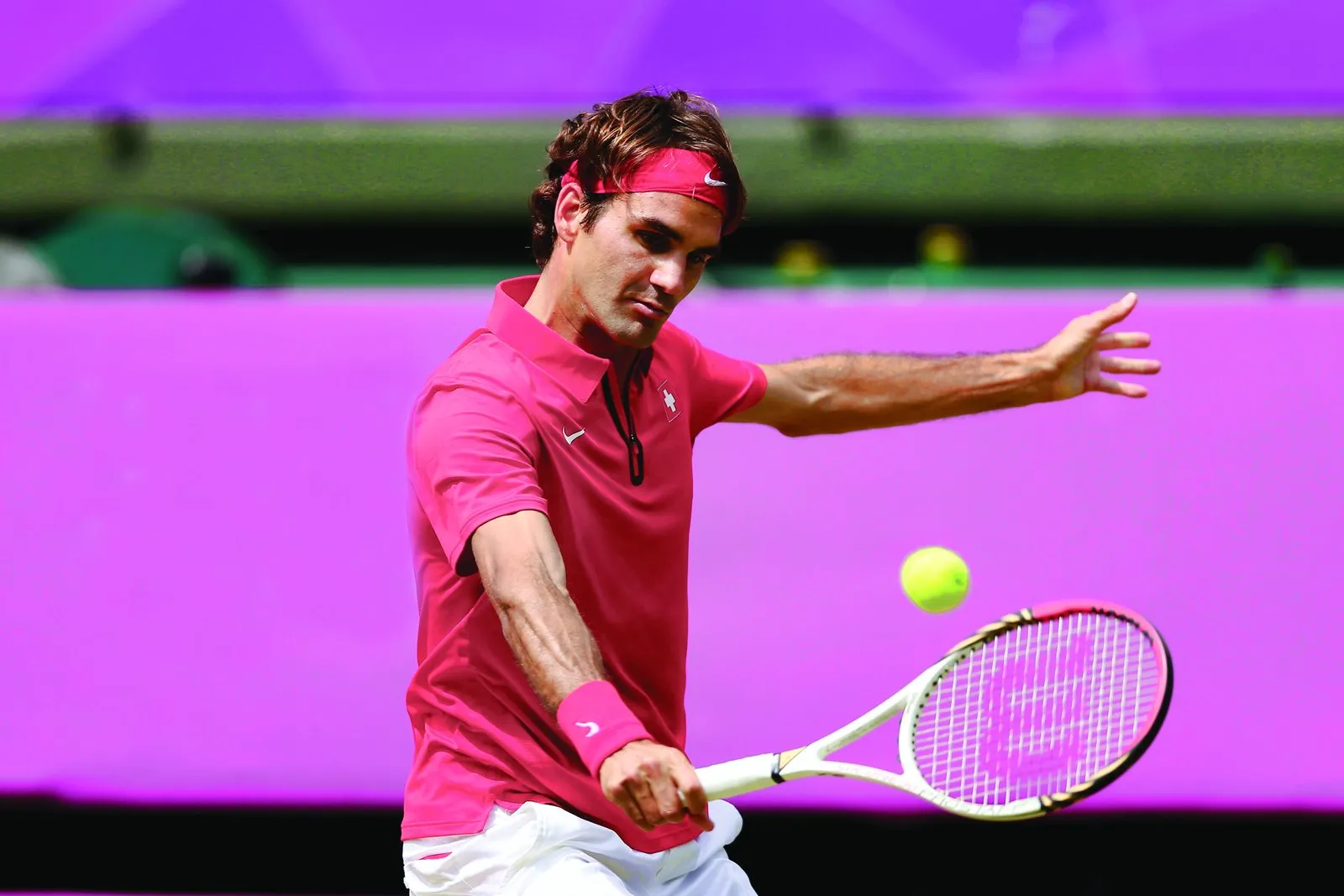
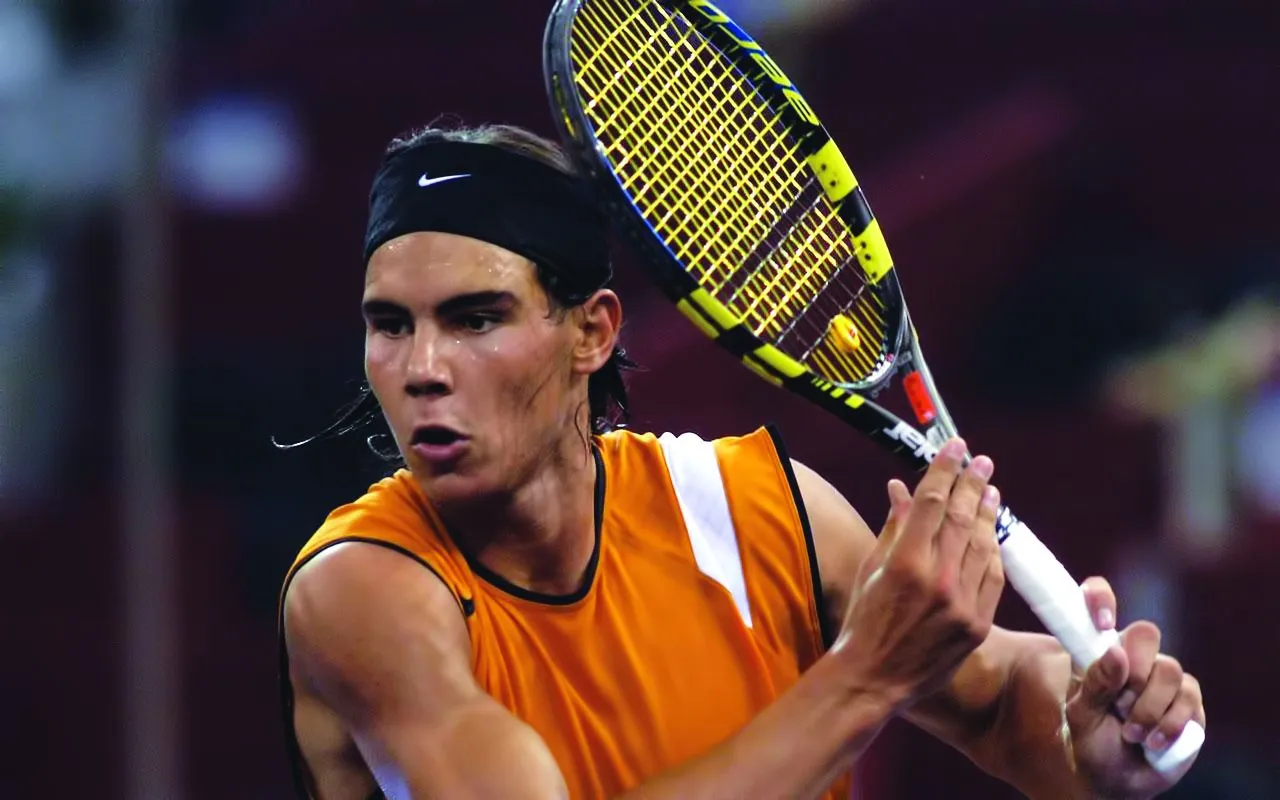
Roger Federer and Rafael Nadal are inarguably two of the greatest tennis players ever. Of that there is no doubt. And going by the number of times they’ve played each other, they also are each other’s biggest rivals. But hearing them speak about each other or to each other, all one hears are words like “awesome, great, respect”. There’s no tension between the two. No exchange of words or even looks, over a bad line call. It’s like a mutual admiration society where one falls over the other to appear genteel. They are too reasonable, too sportsmanlike and well, too boring.

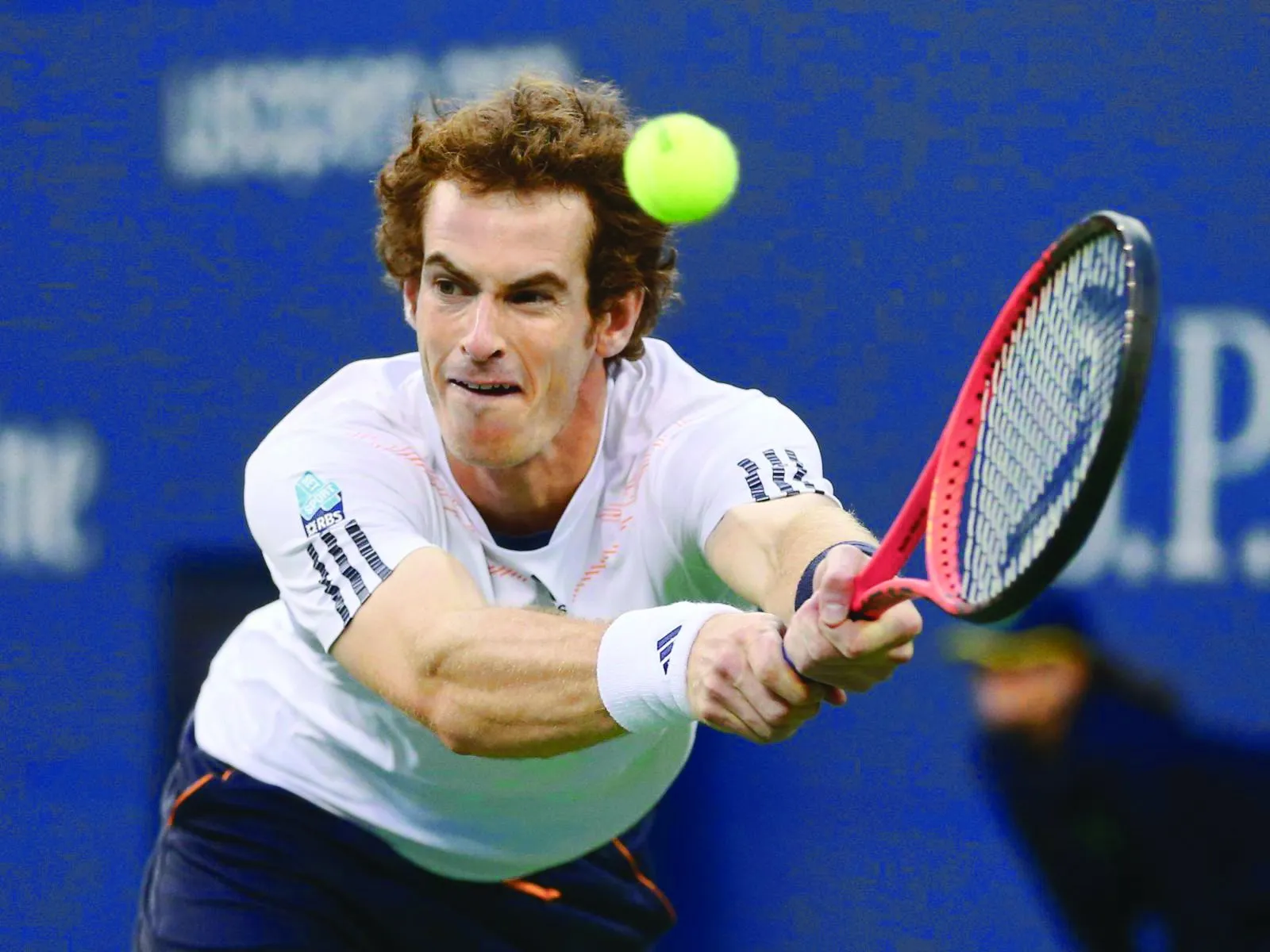
We thought we were the only ones till Ernest Gulbis verbalised those very thoughts. At the French Open, where Nadal won for a record 8th time, Gulbis had a go at the top four players for what he sees as their boring and overly polite demeanour on and off court.

Speaking to French sports newspaper, L’Equipe, the world number 40 from Latvia, said: “I respect Roger, Rafa, Novak (Djokovic) and (Andy) Murray but, for me, all four of them are boring players. Their interviews are boring. Honestly, they are crap. I often go on YouTube to watch interviews. With tennis, I quickly stop. It is a joke. It is Federer who started this fashion. He has a superb image of the perfect Swiss gentleman. I repeat, I respect Federer but I don't like it that young players try to imitate him. When I hear them answer like Roger, I am terrified by phrases like: 'I had a little bit more success at certain moments and that is how I won.' If I win, the guy on the other side of the net, I have sent him home. That is the reality. I do not want to hear in an interview a guy – who I will not name, but who I know well, that he thinks all his opponents are arseholes – putting on an act.”
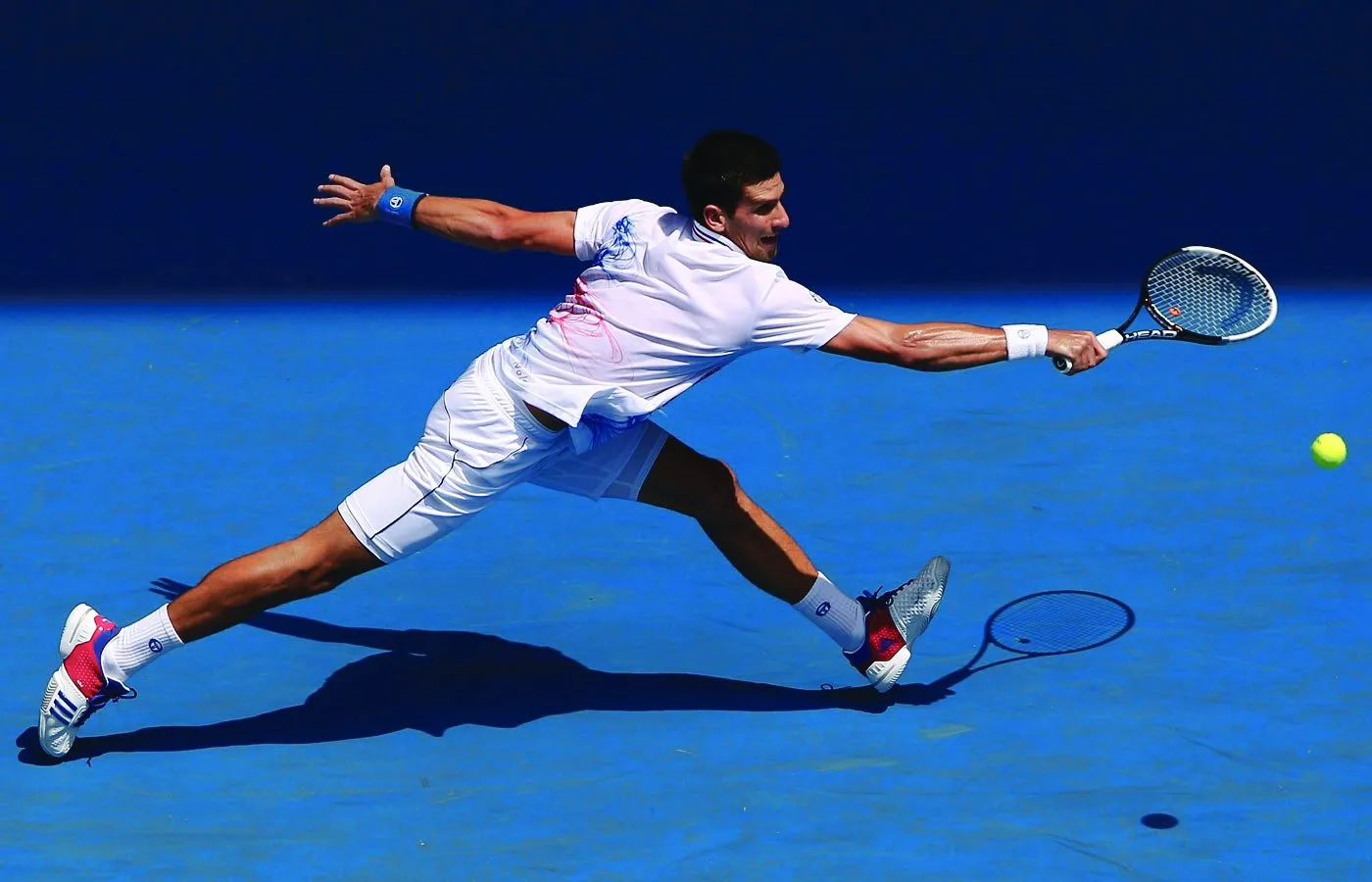
Novak Djokovic was nicknamed the Djoker for his penchant for pulling pranks on players, either in the locker room or on court. If there was something funny or lame to say or do, Djokovic was your guy. But that was before he became world number one and a multiple Grand Slam champion. His impersonation of Rafa tugging at his shorts at the 2009 Rome Masters prize ceremony has drawn nearly 1.5 million views on YouTube – interestingly it was at Nadal’s behest – but today Djokovic wouldn’t even dream of doing it, even if Rafa pleaded.
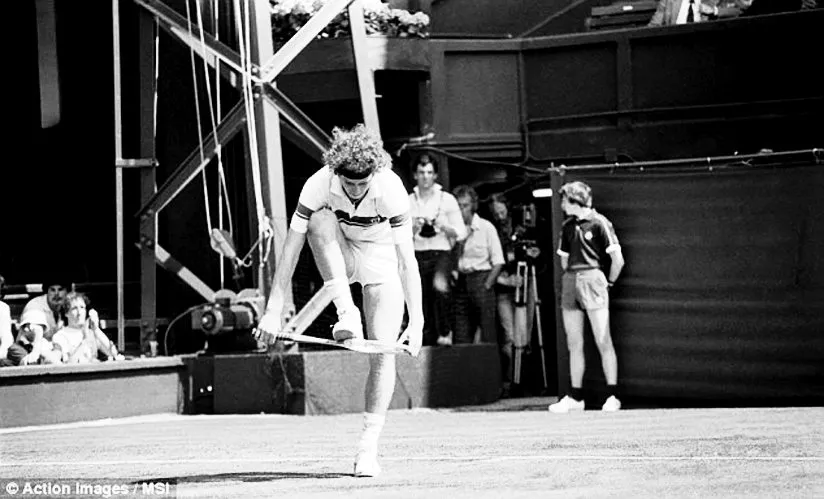
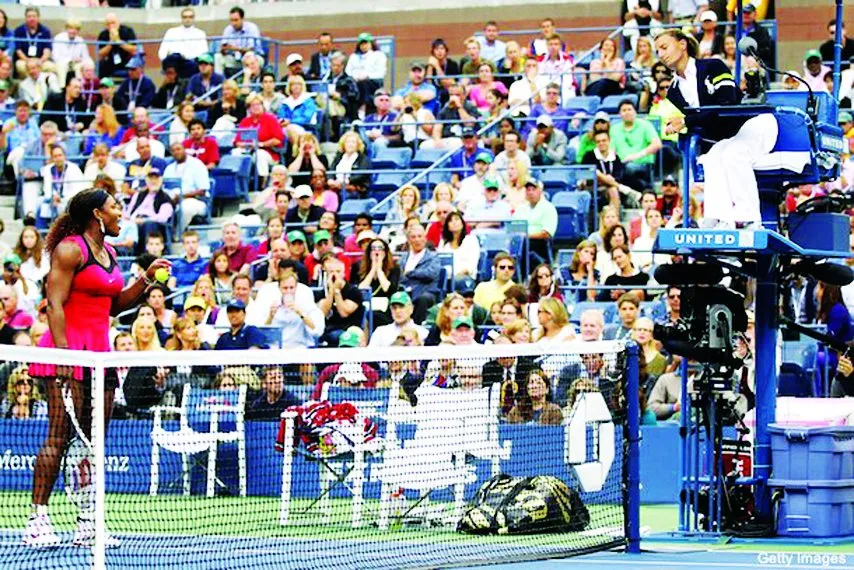
Whether Gulbis is correct in his assessment of the top four’s entertainment value is or isn’t, one can’t ignore the fact that tennis just doesn’t throw up the kind of characters it did 30 years ago. If a player screams, “You can’t be serious” at the chair umpire today, just like McEnroe did at Wimbledon in 1981, all he’s going to get – apart from being docked a point and fined – is an excruciating examination on social media and the Internet. The days of throwing racquets or even raising your voice on the court are long gone. Serena Williams screamed at a line judge at the US Open and is still apologising for it, but we bet McEnroe has no problems, even today, reducing an umpire to tears.
Boris Becker, though no enfant terrible himself – his outbursts on court were directed more at himself and rarely at his opponent or officials – feels that the responsibility of being an ambassador for tennis weighs heavily on the top guys. “I think now it’s more sugar coated, partly because they play in front of millions of kids,” said the former world number one and youngest ever Wimbledon champion. “They are important ambassadors for their brands, so you have to portray a nice clean image. It comes with the territory. If you ask me whether they all like each other, my answer is no. You cannot possibly like each other minutes after you lose a match. It doesn’t matter if you are Roger, Rafa, Djokovic or Murray. They respect one another and understand the game, but in my days it was different,” he reminisces.
Becker played at a time when outbursts on court were no biggie. McEnroe’s venting at the line judge or the chair umpire was as much for the crowd as for himself. The paparazzi followed you everywhere, but one didn’t have to do 10 interviews daily. There weren’t still millions of people watching every step you took and if you didn’t like someone, you didn’t hesitate to say it.
“We were more straightforward, everything came more from the heart. That was the feeling in the 80s and the 90s, but it’s the demand of the times now, these guys are good role models and they have to be because they have so much riding on them. I would’ve struggled if I was playing now, McEnroe would have been suspended all year round, and Nastase wouldn’t have even picked up the racquet. We didn’t have to think too much about our behaviour, but tennis is different now.”
Being a bad boy in the 90s earned you notoriety and money. Andre Agassi was anti-establishment. He wore earrings and outlandish, colourful hot pink lycra tights. He even called the French Tennis Federation boss a “bozo”. Result? Canon built an advertising campaign – “Image is everything” around him. Today, bad behaviour is only to be punished, not capitalised on.
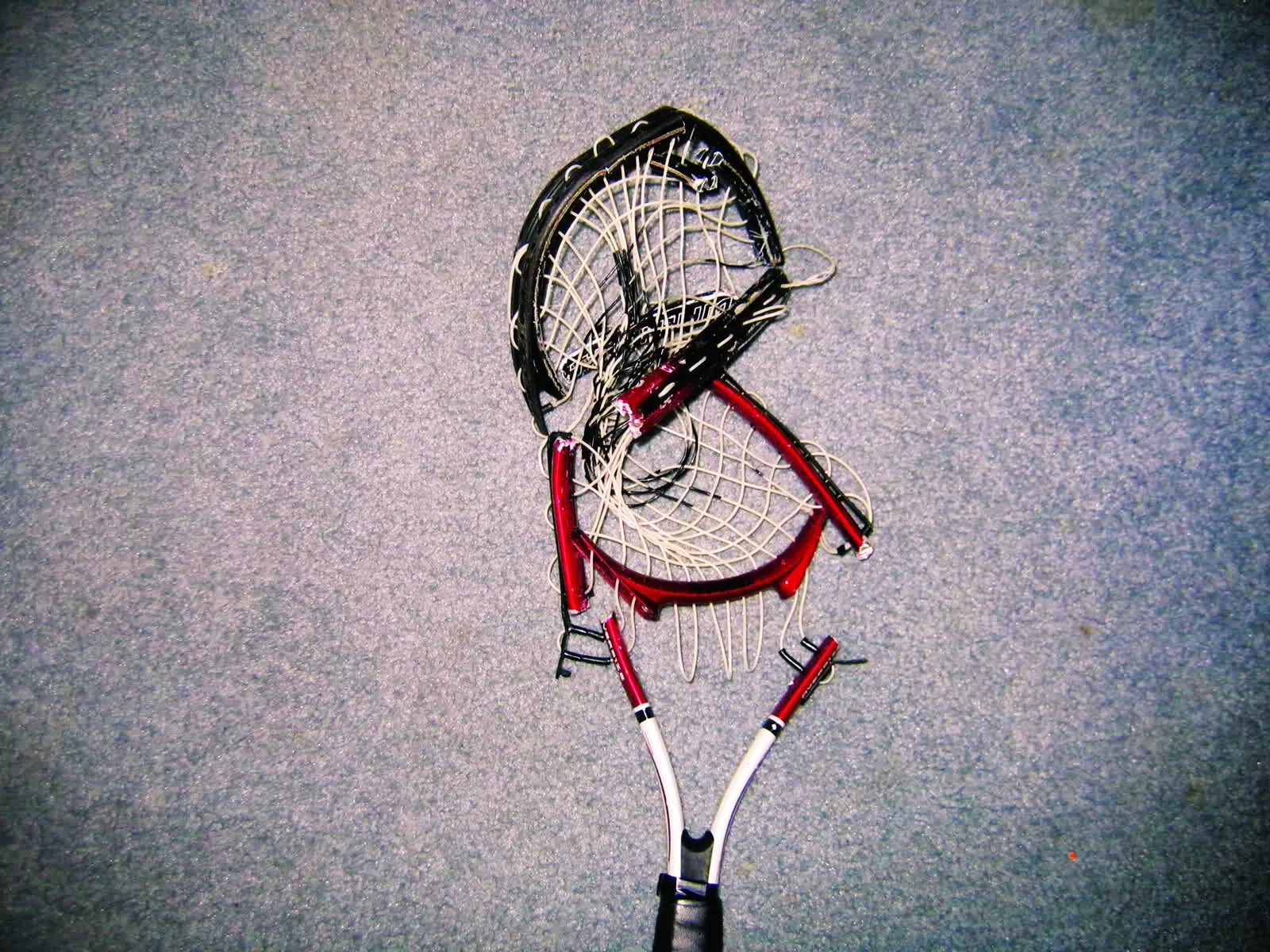
In a sport where correctness had started spreading like a disease, watching Marat Safin was like a breath of fresh air. He kept the bad-boy flag flying high for some time – he holds the record for most broken racquets in a year with 87 – but it wasn’t long before the talented and temperamental Russian left the game. He’s today a member of Russian Parliament and considering there’s much shouting in all parliaments around the world, it certainly would be more interesting than a tennis court.
‘Not giving a damn’ is not a luxury the top tennis players can afford anymore though. Every word they say is scrutinised and agonised over, and over again, on newspapers, television channels, Twitter, Facebook and Tumblr. Maybe that’s why Andy Murray gives deliberately boring interviews. The Scot had admitted to being so careful with his words just so he can stay out of the news for everything except for playing tennis. One can understand his predicament. After all, how many ways can you recount the “why-I-lost” explanation interestingly and entertainingly?
Gulbis’ hopes of seeing some boxing-style drama – the jibes, the taunts and the mind games – might be far-fetched, but tennis does have to owe up to the fact that the sport today sounds and looks sterile, colourless, and without personality. In a world where attention spans are short and held only by sensationalism, it’s a lesson tennis needs to learn fast. Tiger Woods’ indiscretions might’ve cost him dearly, professionally and personally – he is expected to have lost $29 million in endorsements when news of his sexcapades became public – but it got people talking about and watching golf again. The sport depends heavily on his charisma to build ratings and attract sponsorships. The idea of a flawed athlete is just as appealing in 2013 as it was in 1973. While neither Federer nor Nadal need to break the law to make tennis more interesting, maybe they could play two weeks of Wimbledon with more personality.out smiling at each other. Shouldn’t we change this to reflect Nadal’s elimination?
From the July 2013 issue of FHM India.
Spotted a mistake, or your photo used without permission? Report a correction











 in your inbox