
How to Fly a Paper Plane
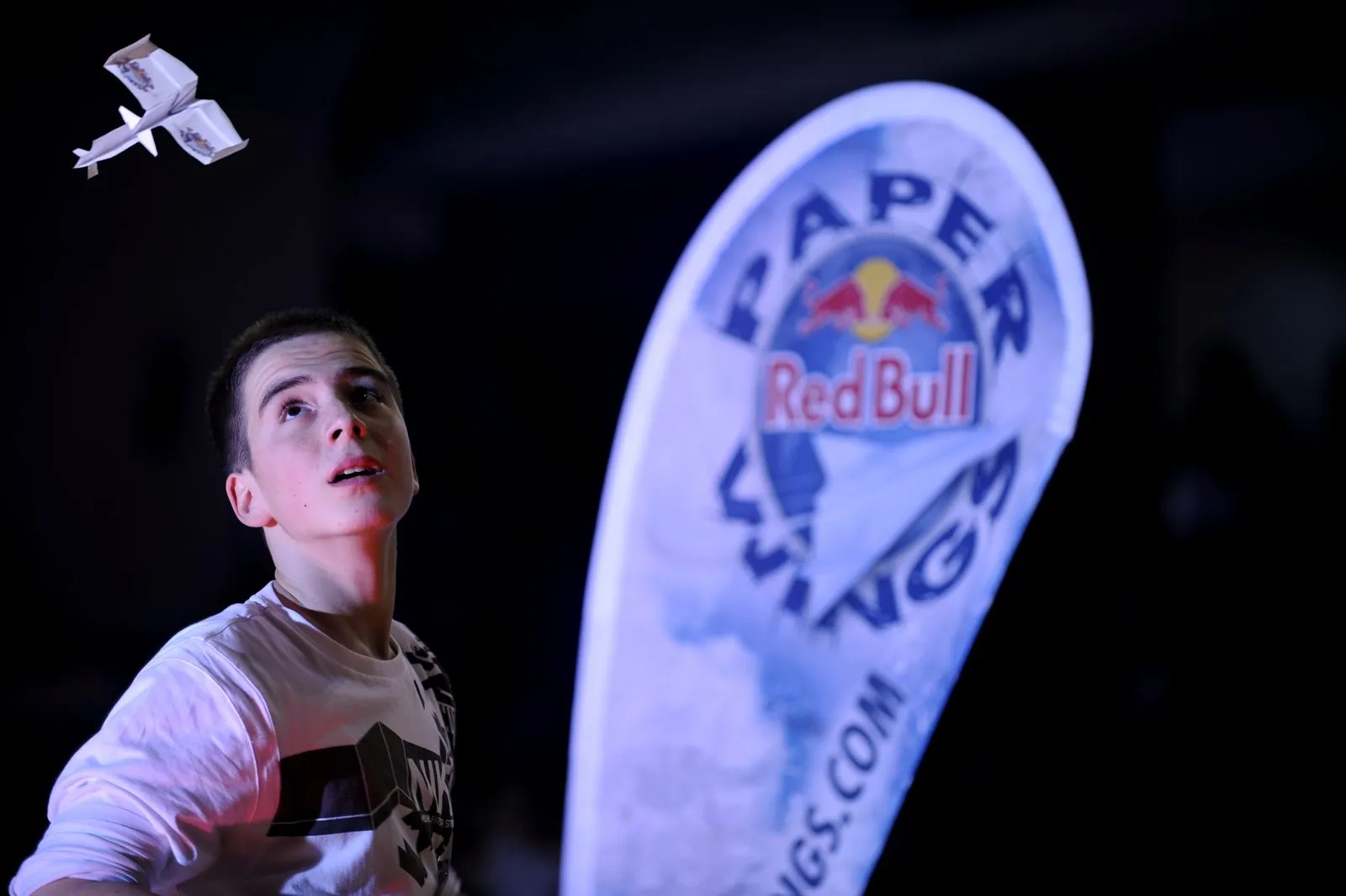
Tips from the winners of the Red Bull Paper Wings championship, and a short history of the paper plane.




History of Paper Plane
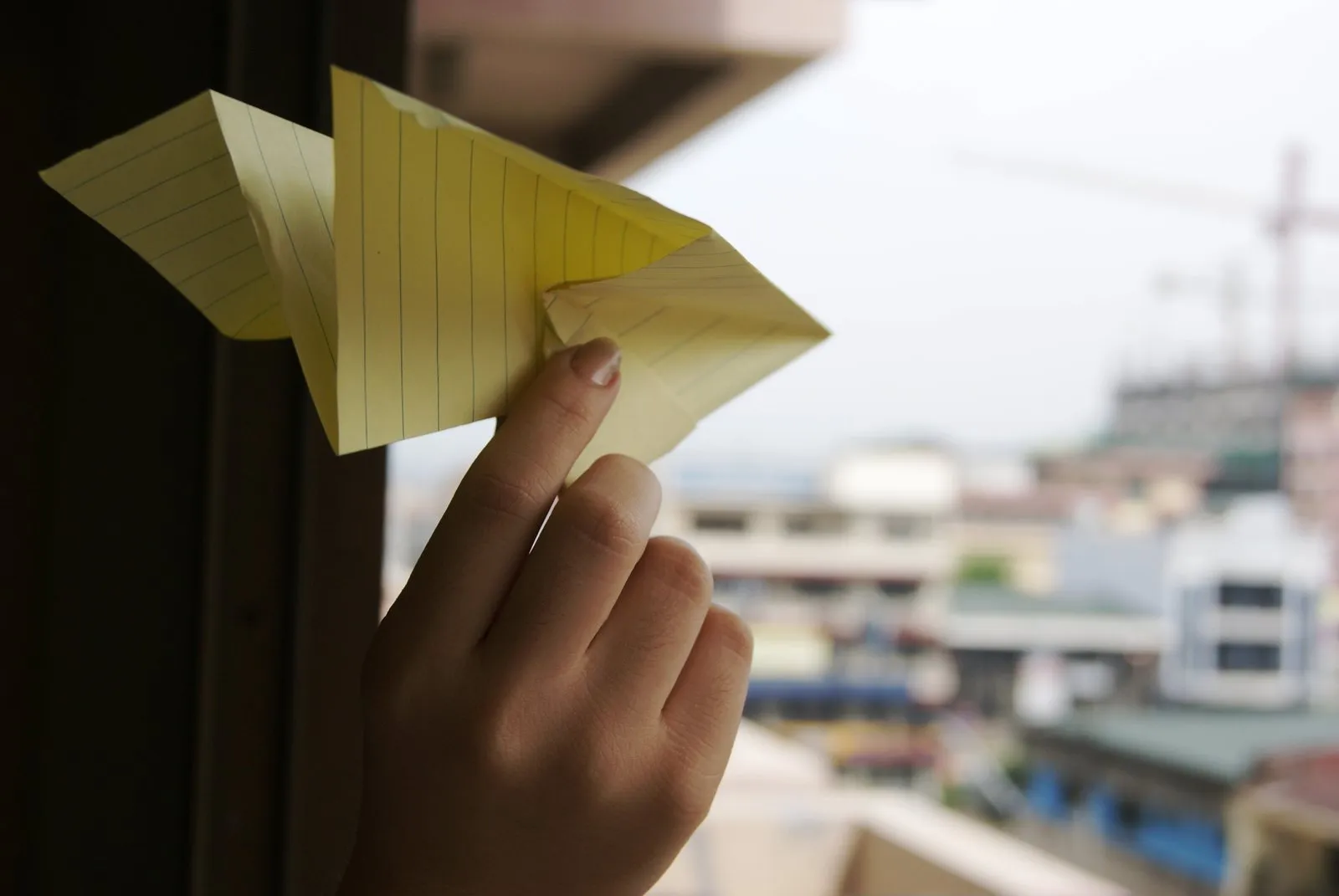
Paper plane or paper aeroplane or paper dart – no matter what you choose to call this toy that reminds us of a simpler childhood, it has been a favourite time pass for generations. We’ve flown them in classrooms when bored or played with them in the evening with friends, but very few people know that the art of constructing a paper plane is called ‘aerogami’, a term that originated from origami.
Some say that the folded paper darts started out in Ancient China, however, there is evidence that proves this creative art of folding paper started in Japan. For years, the learned like Da Vinci, Clement Ader, Prof. Charles Langley and Alberto Santos Dumont amongst others have studied the paper model before designing larger machines. In fact Da Vinci tested some of the ornithopter – an aircraft that flies by flapping its wings by using paper planes. However, it was the Wright brothers back in 1899 who made countless paper models to gain knowledge of the force of air, and it was their designs that helped create kites, gliders and eventually the powered flyer.

As the years passed, the significance of the paper plane increased drastically and their mechanics were predominantly kept in mind whilst creating larger aircrafts, such as the Heinkel 111 and Junkers 88 of Germany.
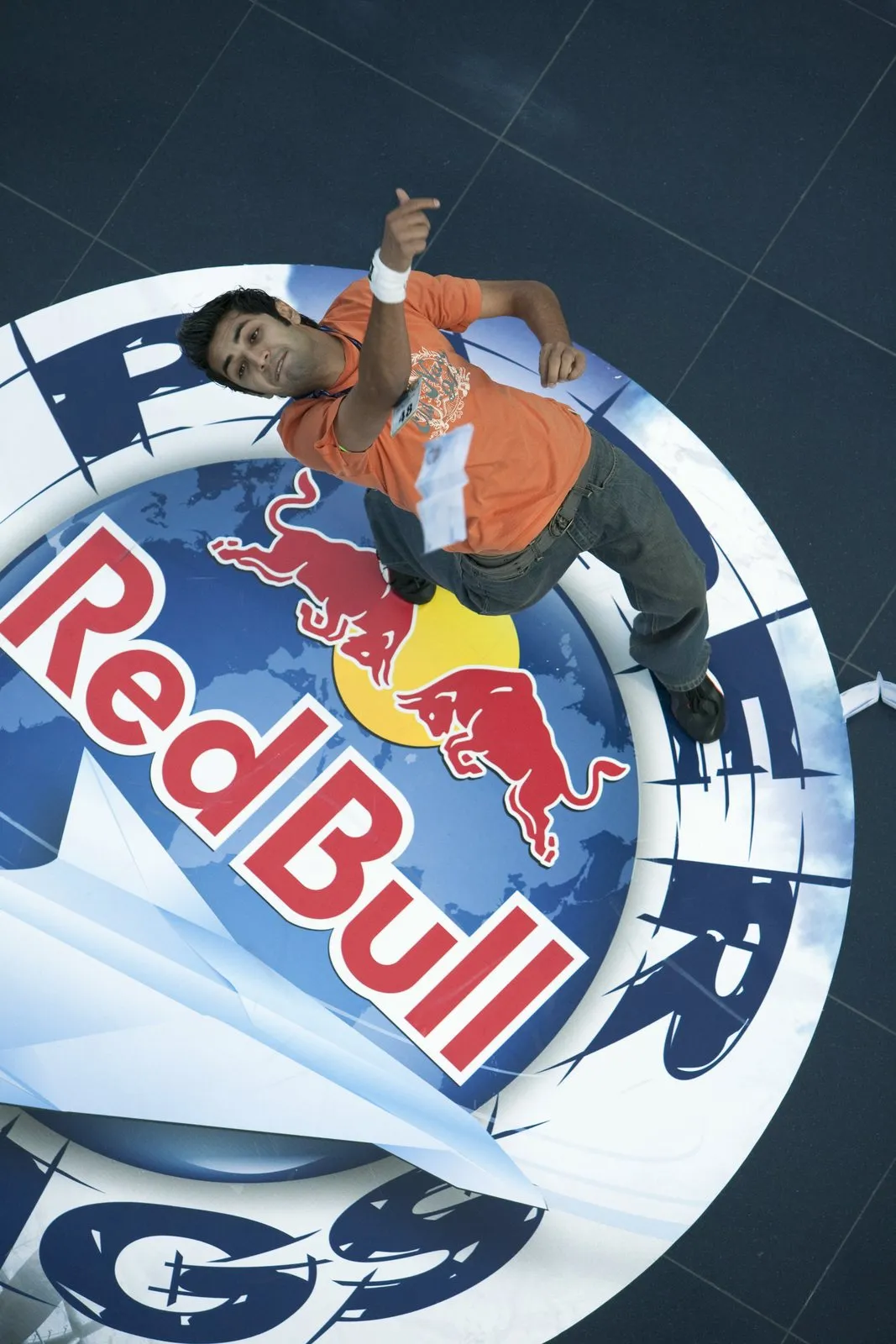
With more and more new kinds and varieties of papers available in the market, planes have not only increasingly gained sophistication, but have become flamboyant too. What initially was considered a game for killing time has become a major study around the world. Today, engineering colleges teach the mechanics of paper planes – the relationship between force, wind and flight. Young enthusiasts have improved the design by taking velocity, lift and style into consideration.
The game has been mentioned innumerable times in the Guinness Book of World Records. Ken Blackburn has held the record for the Longest Time aloft for 13 years (1983–1996) and he once again claimed the title in October 1998 by keeping his paper plane in the air for 27.6 seconds (indoors).
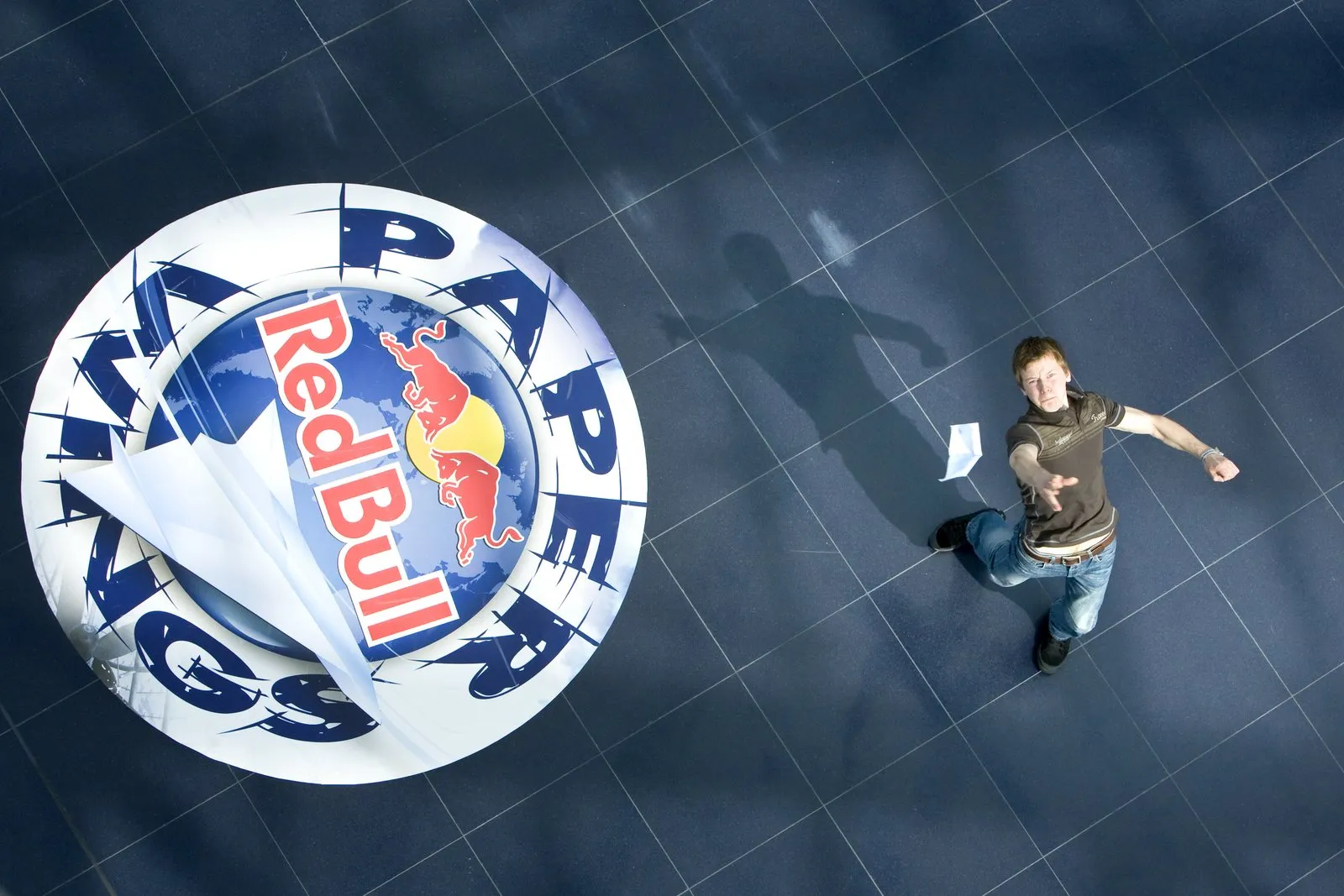
Simant Suman
Strength is the most important factor. If you throw with a lot of strength then it covers a lot of distance.
To make the plane cover a lot of distance, try and throw it at an angle of 45.
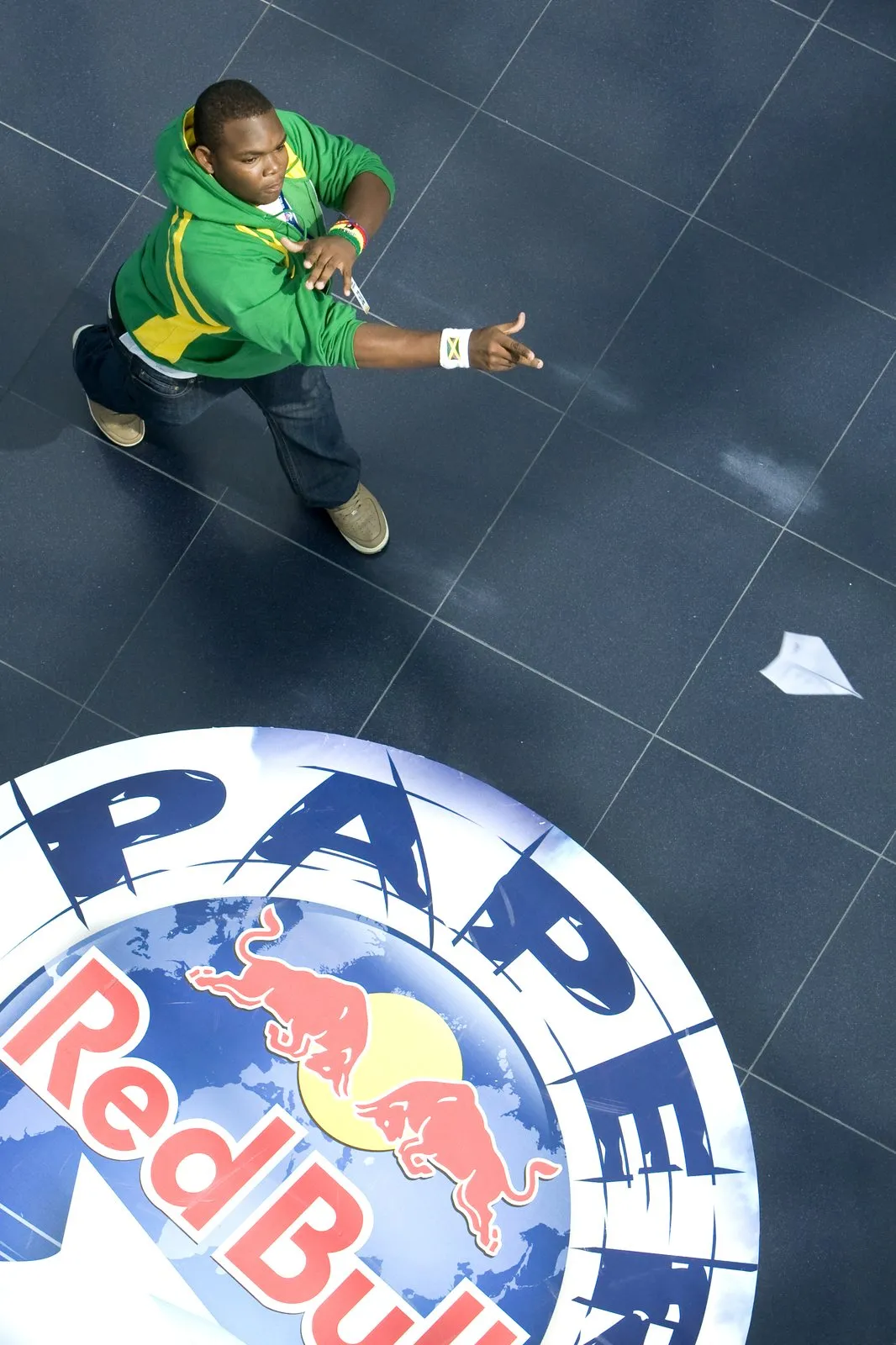
Keep the nose of the paper plane really sharp. This way, it will cut through air easily.
Reduce the exposed area of the wings. By doing so, it drags less, thus flying faster and covering more distance.
For covering the longest distance, the ideal plane is Wing Span.
One should make the plane stronger and slightly heavier, so that the wind does not affect the wings of the plane.
Anuj Jain
Depends on the nose of the plane – it should be sturdy and the rest of the body should be thinner.
Maintaining the longest airtime depends on how high the plane can go and for that one should keep the wings thinner.
It also depends on the technique i.e., how you throw the plane. If the nose is thicker, then throw at an angle of 80 or 90 and if it’s thinner then it should be thrown straight. This way it will cover the maximum height.
Any trapezium-shaped plane with 8 to 9 folds is the best for longest airtime.
Lauv Jaiswal
Don’t use any extra material apart from an A4 size paper. If the paper plane is heavy, it will fall soon.
The quality of the paper should ideally be 100gsm.
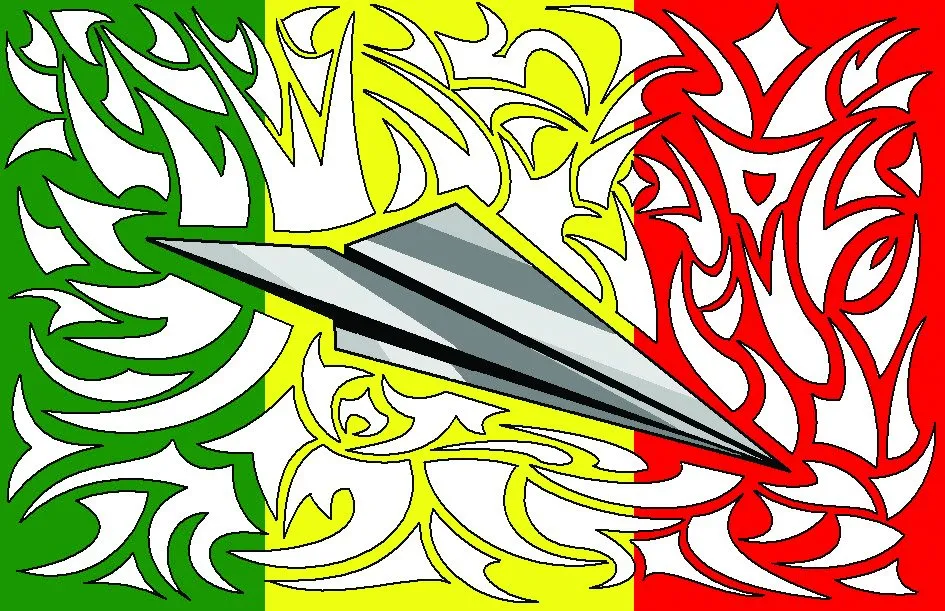
Make sure the folds of the plane are tight. If they are left loose, as soon as it takes off, it will go down and crash.
There are different techniques to make different planes. For an amateur, it is advisable to start with normal plane – it has four folds and travels a greater distance.
From the April 2012 issue of FHM India.
Spotted a mistake, or your photo used without permission? Report a correction












 in your inbox