
Know Your Cocktail!
Today’s affluent male has everything from rags to riches, but does he know the secrets to make those crazy cocktails for his muse? We help you know some of the basics just in case you are planning a date on a DRY DAY.
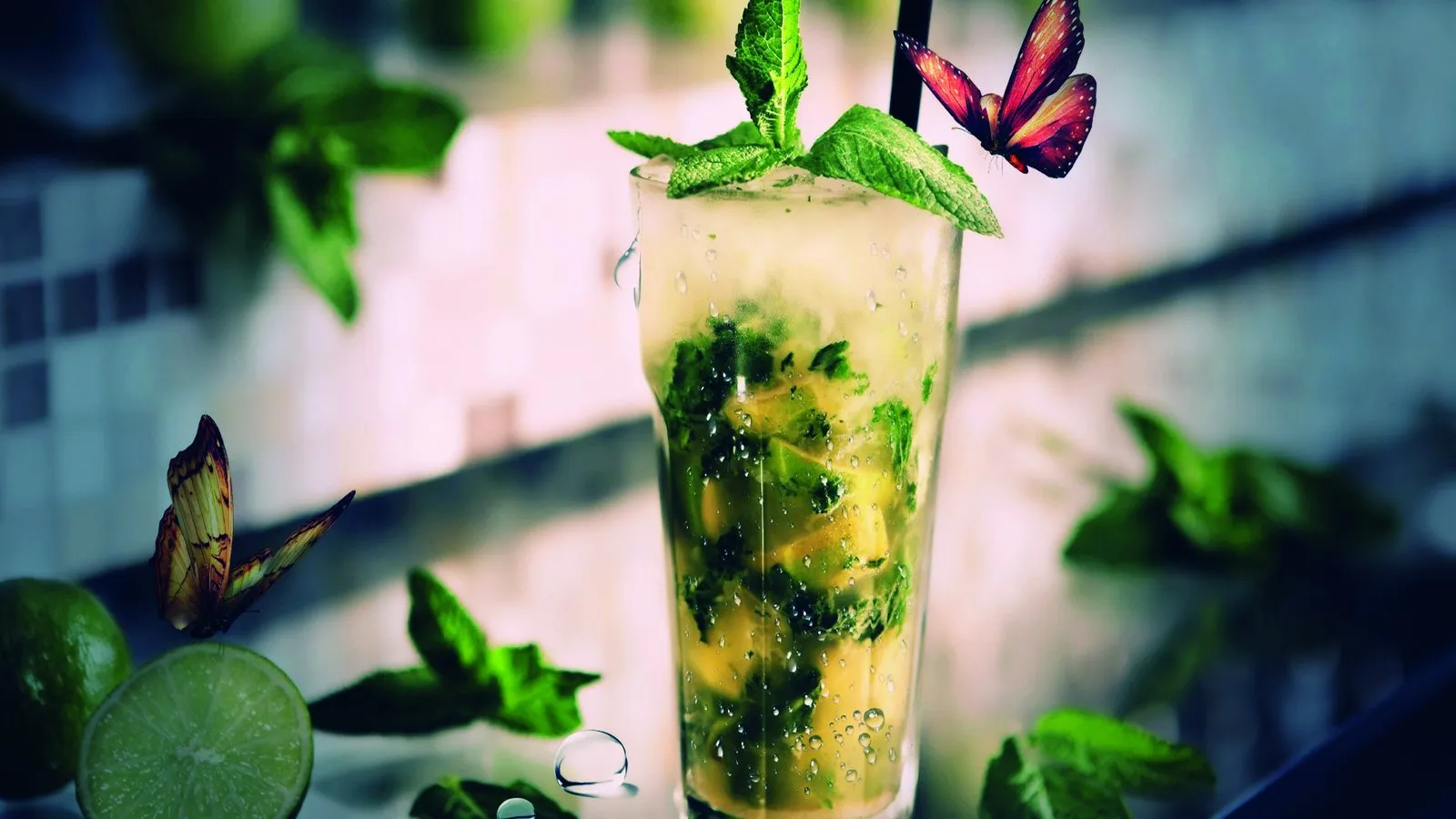



What are indigenous cocktail recipes?
Indigenous cocktails are drinks which reflect the culture, traditions and heritage of a city/country. For example Tiki Cocktail which are inspired by Tiki culture. Tiki cocktails characteristic traits like rum, fruit, layers of flavor, spice and special glasses.

What Are Barrel Aged Cocktails?
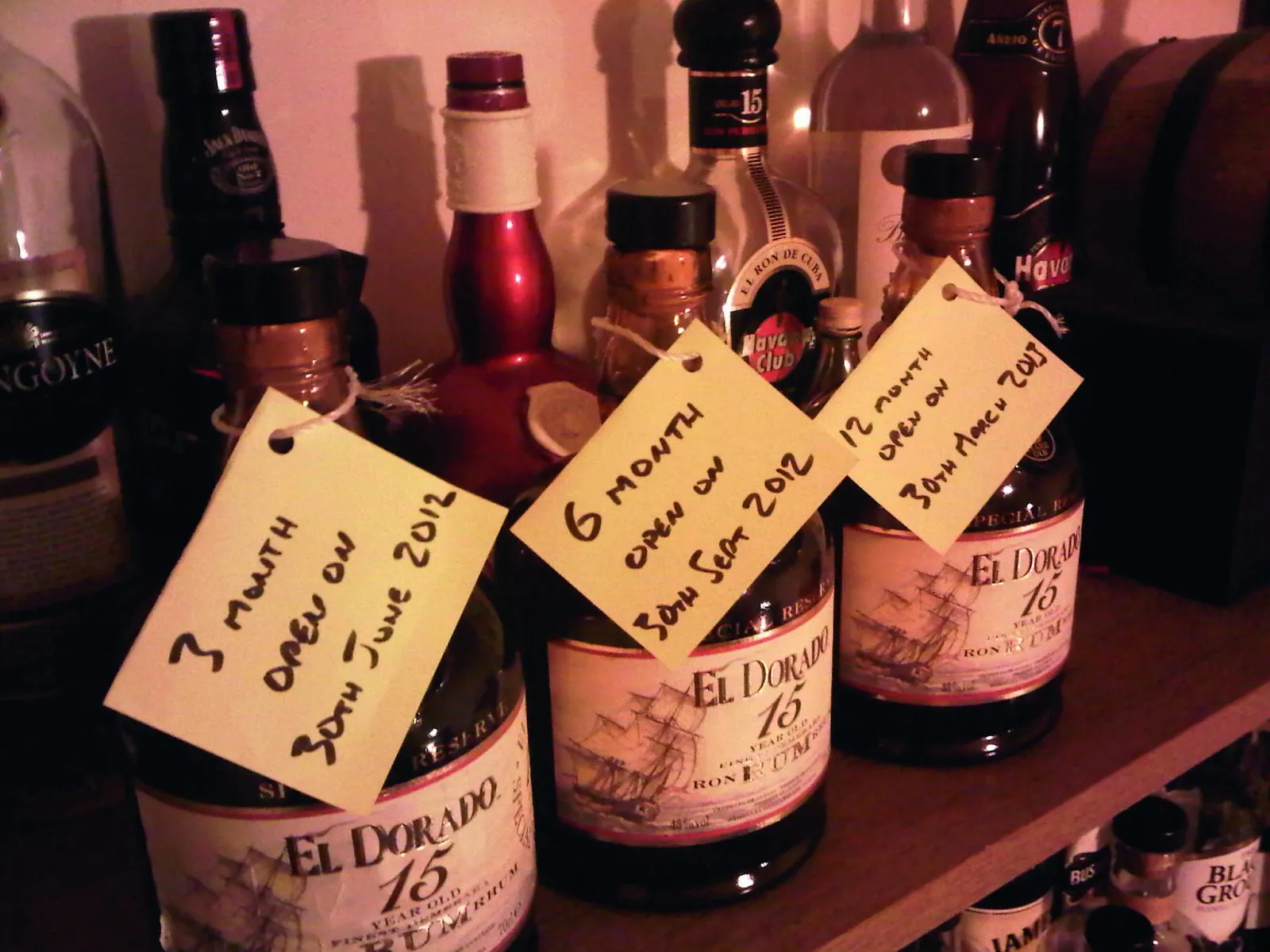
A mix of spirit which is also called as cocktail, is stored in a wooden barrel for a fix time which range from a few days to weeks to months. Once a desired taste profile is achieved the mix is served as a cocktail. Wood used in barrel is normally toasted from inside so it adds a beautiful taste profile to the drink.
What is bottle ageing?
The bottle ageing is very similar to what barrel ageing is the only difference in this case is the replacement of the barrel with a bottle and a piece of wood which is used to make barrels. Mix of spirits is poured into the bottle which includes a wood chip and left for a set period if time. It's an easy and cheaper way of making barrel aged cocktails.
Is There a Certain Order for Pouring Cocktails Ingredients?
Order for Pouring ingredients in a cocktail has a big importance in the taste profile in a drink, but it changes ingredient to ingredients. Lot of bartenders across the world add ice first and many on the other hand add it last. Reason being if you add ice first it chills the ingredients as soon as they are added to the shaker. But if the bartender is taking too much time to add all the ingredients it will allow ice to melt and will increase the dilution. Hence many bartenders add ice last.
Scenario 1: Cheapest Leads
This theory is a little more old school and is based on cost-conscious bar manager's train of though. If something goes bad in the pour - say too much cranberry or a sour egg - you are not wasting your most expensive ingredient, the liquor.
Problems with this:
If you accidentally over pour the spirit you will either have to add a mixer to bring it back into balance or end up serving a "burnt" cocktail that is too strong.
This theory obviously does not work with any drink topped with a sparkling beverage (i.e. soda, Champagne, etc.)
Scenario 2: Spirits First
This practice is more common today, and it's how I build the majority of my cocktails. You start with the spirit then add liqueurs, mixers and enhancers on top of it. The advantage to this is that you can gauge your ratios based on how large or small you poured the liquor, which is the base, the foundation, of your cocktail.
Things to Keep in Mind
What the drinker likes and how you can obtain that
How much is it going to cost if something goes bad.
How does one measure a cocktail that uses "Parts" instead of measurements?
Parts are simply a relative measurement, often used for mixing large batches of drinks at once. So if the recipe calls for 1 part of ingredient A, and 2 parts of ingredient B, then you would use twice as much of ingredient B.
What is Molecular Mixology?
Molecular Mixology is a mix of science and cocktails. Bartenders all across the world have been using scientific methods while making their drinks. Use of edible chemicals, nitrogen and other method results in a new delivery style for cocktails. For example molecular caviars, foamy cocktails, air, raviolis, powder, paste etc.
When to shake and when to stir the cocktail?
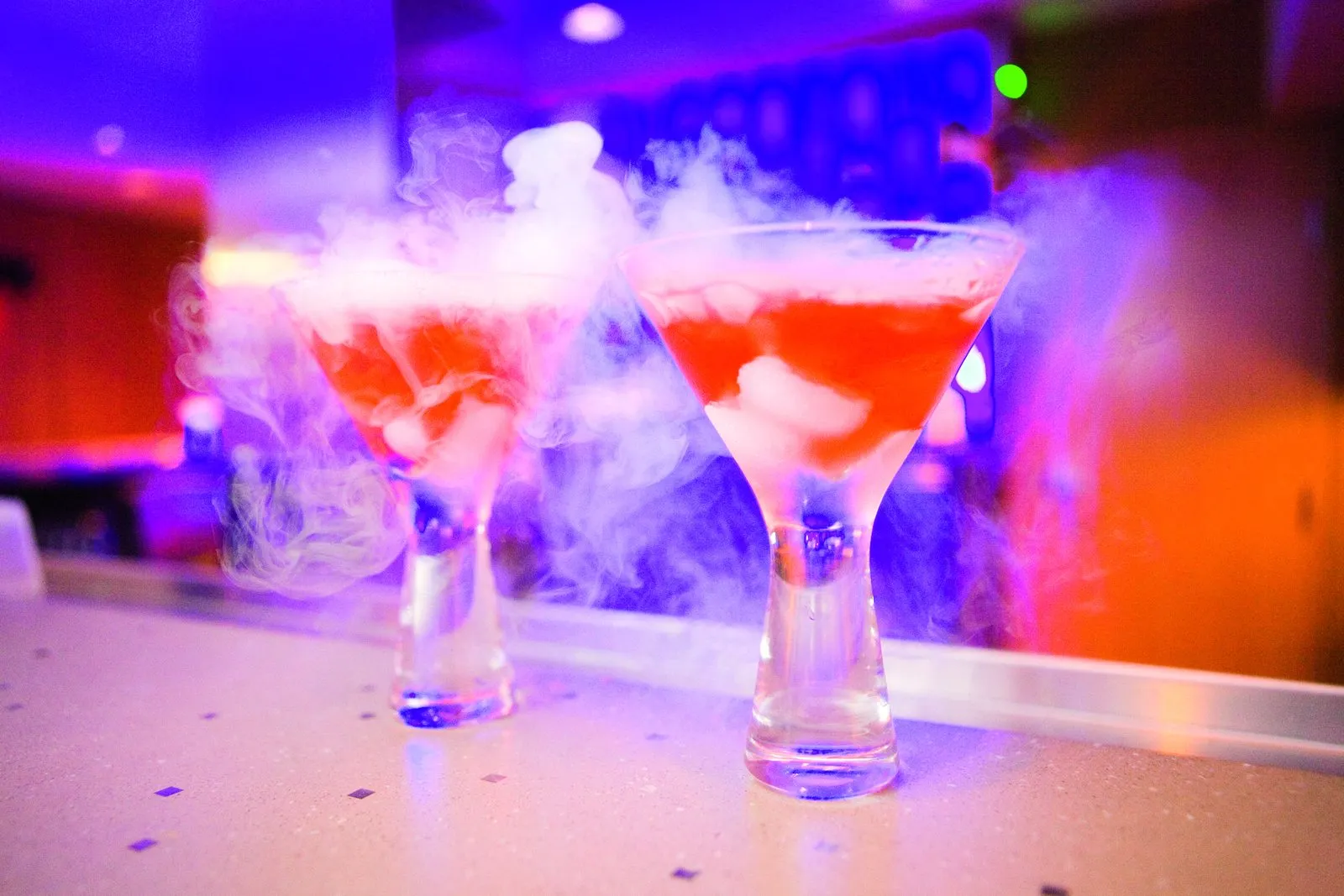
You should shake drinks when preparing a mixed drink containing fruit juice, cream, or eggs (but no soda or other carbonated mixers). Shaking introduces tiny air bubbles into the mixture and gives drinks containing fruit juice a slightly frothy appearance. You should stir when preparing a drink that contains all-alcoholic ingredients (a true "cocktail" in the historical sense of the term).
Is it recommended to use a chilled glass?
Always remember cold drinks go in frozen glasses, hot drinks go in warm glasses. By using a chilled glass, your cocktails will stay crisp and cool longer and adds aesthetics to the final presentation.
What purpose does adding ice to a cocktail serve?
Adding ice plays a very vital role as it acts an agent to cool the drink down whilst mixing. Coldness inhibits taste receptors in the tongue, which makes the drink more palatable and taste less, well, alcoholic.
With inputs from Nitin Tewari, Trade Ambassador, Bacardi India
From the March 2013 issue of FHM India.
Spotted a mistake, or your photo used without permission? Report a correction









 in your inbox