
Leaders of Lens
Do cameras call out to you? We asked the country’s eight best what it takes to be an ace photographer.

We bring you few answers from different photographers on their career experiences.
Photography is an exceptional medium of self expression. Photography is more of a profession
than a career.
Nisha Purshotamman - Wild Life Photography

1: Career-wise your experience in wildlife photography?
I always loved photography. Being a Fine Arts graduate helped me a lot in seeing the subjects and framing it. Photography was a part of my life for a long time. But I started focusing more into wildlife since 10 years. 5 years back I quit my job and got into this completely. Started an organization called Paws Trails Explorers along with my buddy Hermis Haridas. He is an amazing wildlife photographer and he is a Sony Alpha Ambassador for Middle East and Africa for wildlife segment. It was not easy, but the good part when you do something you love, you don’t regret. I enjoy every minute in the field. Right now there are a bunch of things we do relate to photography and conservation. We conduct wildlife photography workshops in different parts of the world. This gives us an opportunity to share what we have learned from our experience. This is mainly focusing on onsite training in photography, animal behaviour, post-production and on how to use these images to support conservation activities. Second we conduct wildlife photography exhibitions on a monthly basis along with awareness sessions. This way we can get opportunity to see the works of great photographers and get an opportunity to interact and learn from their words. We also conduct group exhibitions too to promote upcoming talents. We conduct awareness talks on conservation and photography for Gov, Non–Government Organizations and for educational institutes. We publish an online magazine called PT Explorers focusing completely on wildlife photography and conservation. It all started between me and Hermis, but now we have 30+ volunteers from across the world supporting in our initiative. Once again the journey was not easy. But when you believe in your dreams, and you know your intentions are good, then I feel Mother Nature will be there to make them turn into reality.

2: Training/course that you think a person can take up to make it big ?
A person who is interested in photography should understand the basics/fundamentals first. These days that’s not a big deal. Google and YouTube are a very good source.
When it comes to wildlife photography, understanding the animal behaviour is a key thing. Then where to position yourself to create a great frame and how to frame, the right settings for different purpose, tricks. Getting this knowledge sharing is the best part of getting trained by an experienced team/person.
But that itself will not do any good. Practice is the only key. You need a lot of practice, if possible couple of hours every day. This doesn’t need to be in any national park. It can start from your backyard or from a nearby park.

3: How important is to get trained under experienced/Senior Photographer?
It is good if you can be trained under an experienced person who is ready to share whatever they learned from their experience. It helps you develop your skills very fast and saves a lot of time in moulding yourself. There are some elements which we might not find in the books or in any curriculum, but you get it while you travel with those experienced people by observing how they photograph.
4: Learning on the job or Training at an Institute?
Training at an institute always has limitations. There you might not be able to get the soul. But being a volunteer for some organizations would be a great idea so that you will come across different experienced people. For me learning on the job is more powerful than learning from an institute.

Career-wise your experience in Fashion Photography?
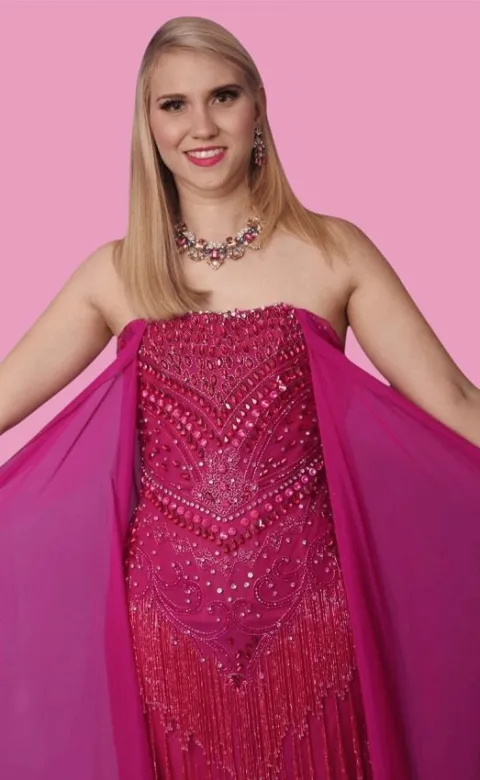
Answer 1. I started my career as a photojournalist with the India Today Group. After working in photojournalism for about 4 years, I decided to go independent and focus on developing my own language in the field of fashion photography. I enjoy creating narrative based fashion stories.
Training/course that you think a person can take up to make it big?
Answer 2. Whatever you do, do it in the quest for knowledge. Study arts, study history, sociology or whatever it is that inspires you. Focus on improving your knowledge base in any way you can. Have short-term goals, work towards enhancing your portfolio – don’t worry about making it big!

Answer 3. Training with a senior photographer provides insight on what goes into making an image that you see on billboards and in magazines – the process of ideation, the planning, teamwork etc. All of it can be learnt over time. But never lose sight of building your own body of work that reflects your own vision, language and narrative skills.
Answer 4. I got my first internship due to the portfolio I had built during my final years in school. The rest was learned on the job – the finer technicalities, juggling deadlines, managing clients, creating narratives etc. Having said that, if you have the opportunity to study photography - go for it and make the most of the experience.
My experience with Travel photography
I started my career as a freelance travel photographer working for the likes of Lonely Planet Magazine, Conde Nast Traveler and Outlook Traveler in 2010.
Training required making it big
I find a lot of online photography classes are invaluable. I still learn a lot from them. But you need to be disciplined enough to be self-taught. If you want to learn in the traditional ways, I'd recommend my alma mater, Light&Life Academy in Ooty. Both the institute and the place will inspire you to be a great photographer.
How important is it to train under a senior photographer?

I think you can train anywhere or as I mentioned before, you can train yourself. But I also believe that a good mentor is essential to learn from and to guide you throughout your career.
Learning on the job or train at an insititute?

Train at an institute. The industry is very unforgiving. You don't want to screw up an opportunity by not having the necessary skillsets. You should rather use any assignment to showcase your skill and talent. With time and practice, you will of course get better at what you do!

1: Career-wise your experience in Architecture Photography?
Photography in general as a career is not well structured. The market is not very organised and Architecture as a genre of photography, is no different. Also, it requires many years, and a lot of patience and consistent good work to build a decent profile, and a name for oneself. Unlike fashion which comes with glamour and hype, or photojournalism, that people can easily relate with, it's difficult for architecture photography to go mainstream.
No training can in itself ensure good work, leave alone the photographer making it big. It takes time to develop the sensibility required for the job. Also one must really love the genre, as it can be very tedious otherwise. It needs a lot of patience, to wait for the right time when the lighting is just perfect, to make the picture. Bad weather can spoil the shot. We are dependent on the forces of nature, which may not always be favourable. So love for such work is paramount to keep one going. I am not aware of any courses in this genre in particular, but a good knowledge in architecture can be very helpful. So, study of architecture to understand the subject better, and a good knowledge in photography, both technical and aesthetic, should come together to make a good architecture photographer.
Learning is important. The more one learns, the better he will get at his work. While getting trained under someone can speed up the learning, I don't think it's a must. Also, there are chances that your work and style may emulate that of the mentor. So one must be conscious of this possibility and explore all avenues of learning for a more holistic knowledge base, and developing their own style in due course.

Basic training at a good institute always helps. One must also develop a habit of reading. Beyond that, learning on job has its advantages. There is a lot that goes unsaid and unwritten, and that can only be learned on the job. The practical aspects of it, the nuances, other related aspects that contribute to photography without directly being a part of it, people management that is of such great importance, all of it and more, can only be learned on the job.
ANANGSHA ALOMYAN- LANDSCAPE PHOTOGRAPHER
1. I have been into landscape since 2016 and I am self taught. I never compare other photographers with others.
2. I think even with amazing skills or if you have an eye for photography one doesn't need to attend a school, it all depends on the person. You can make it big with immense practice and improvement.
3. Getting trained from a senior photographer helps. Because he or she can guide and give tips to where the person is wrong or can improve more

4. I feel learning on the job helps a lot. For some people who don't have eye for photography may have to learn at an institute. Again it depends from person to person. Each person develops talent in a different way!! :)
ABHISHEK GAMBHIR – FINE-ARTS PHOTOGRAPHER

1. Career wise my experience in fine arts photography has not been that great as there is always a fight going on between commercial art and my personal style which is more of fine art. But now I have bridged that gap where I try to merge the commercial aspects of the shoot with giving a fine art touch to the picture.
2. I really don’t think that training courses can make you big but it is important to at least take a course in this field so that you learn the basic technological part which is very important. To make big you need to be creative and willing to experiment as most of the creativity comes out of experimenting and not getting stuck in what you already know.
3. I personally feel it is very important to get trained under an experienced photographer because 90% of what you learn is on field and not off field. When you assist someone you understand how the lighting is done, how to communicate with the model and team in order to achieve the perfect picture. You understand visual language better on field. You get to see different kinds of lighting setup and you get to learn the tricks and techniques which the experienced photographer has learnt over a period of time.
4. I will say both are important, learning at job and training at an institute. Until n unless you learn the basics of photography and how basic lighting is done nobody is going to entertain you for jobs. But the real training starts when you get job and you face different types of challenges in terms of model and different kind of products for example glass products or sometimes you get difficult model and you need to get the posing done somehow.
MACK J- COMMERCIAL PHOTOGRAPHER
1: Career-wise your experience in commercial Photography?
I've gain experiences from every genre.
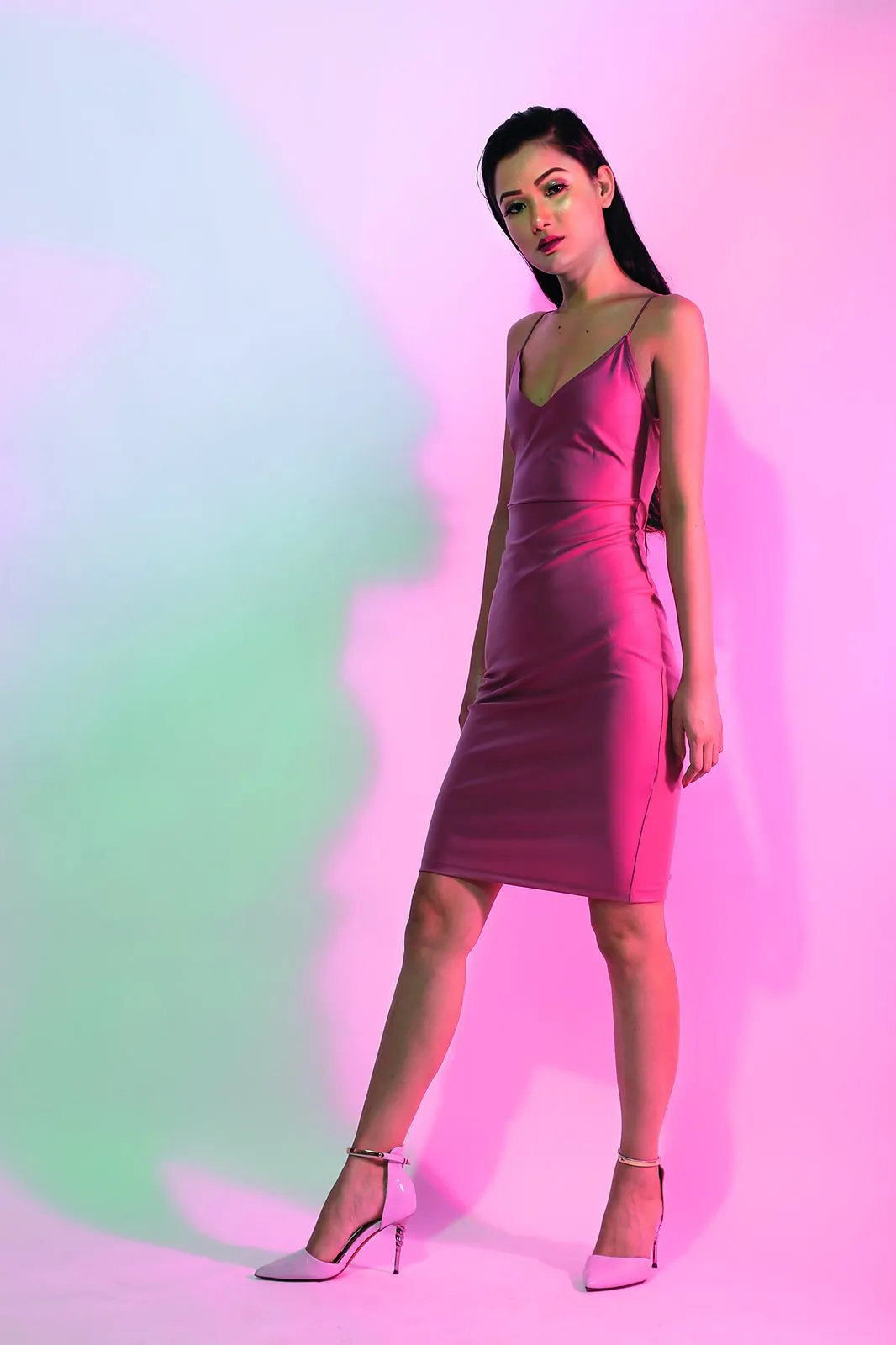
I’ve tried many genres — from new born baby and wedding photography to travel photo. Finally I found myself in commercial fashion photography where my passion for photo and dressing up became the most inspiring combination.
I'm yet to make it big so I think I'm not the right person to answer this question. However I can share my own experience with you….that just by training/course no one can make big (There are many self taught photographer too who are making it big and nobody can make it big overnight unless they hit the jackpot). You've to have your goals and You’ll need to find out what motivates you. Look for feedback from your colleagues/friends and always keep room for improvement. Never take lightly to the critics. Critic makes you do better job.
And.: I would say 'a must do thing’ before you start your career as a photographer or in any creative department.
Train yourself in institute to crack the interview and learn on the job :)
From the May-June 2018 issue of FHM India.
Spotted a mistake, or your photo used without permission? Report a correction





 in your inbox