
Legendary legacy: The Wailers
After the death of Bob Marley in 1981, the members of Bob Marley & The Wailers have continued to make music. We grabbed hold of the motley group as they gave their first performance in India.




The Wailers, along with Bob Marley, brought reggae music from Jamaica out in the open for the whole world to appreciate. How do you carry the tag of being ‘the legends’?

Reggae music is meant to inspire positive vibrations; this is our main mission as The Wailers. Reggae is embraced because of the uniqueness in the mood of the rhythm, and the inspirational message in the lyrics. This music is the heartbeat of the people. It’s the universal language that carries the message of roots, culture, and reality.

The present line-up of the band consists of both veterans and new school artists. How well do the two gel together?
Each one teach one, we have much to learn from each other as band members, like a family with a professional relationship.
(For Aston ‘Family Man’ Barrett). You’re still the band leader like you were when Bob Marley was still a part of it. How has the production value of the band’s music changed after all these years?
The current The Wailers band still maintains the standards that we established 40 years ago.
(For Dwayne ‘Danglin’ Anglin). You’ve bagged Bob Marley’s role in the band now, being the new lead singer. How did that happen, especially because you’re not from the family?
Through the blessing of Jah Almighty, I was requested to join the band in April of 2010, at the aftermath of releasing my first single, Excuse Me Miss in Jamaica. The song was very popular, which prompted the management of The Wailers to take some interest in me as a possible new lead.
(For Dwayne ‘Danglin’ Anglin). Did you ever have to feel the heat of comparisons with the legend? How much is the pressure?
No, I knew taking up this opportunity what my role would be. There is no replicating or replacing the legend of Robert Nesta Marley. Therefore, my job is to perform with songs with high energy, sincerity and an unwavering commitment to the movement of Jah People.
Back in the day, it was because of the band’s devotion to the Rastafarian philosophy that it won immense popularity. But the social circumstances were different then. How does it still stay relevant today?
The social circumstances are not that different today, and many of the issues that Rastafarian philosophy addressed then continue to be addressed today.
(For Aston ‘Family Man’ Barrett). How close were you to Bob Marley? Critics are of the view that you were often over-shadowed by the larger-than-life image of his...
Bob and I were band-mates and friends. All the recording, performing and touring we did together as well as a lot of the writing and band direction was as bredren.
Tell us about the original content that the band produced since 1981. Who writes the words now?
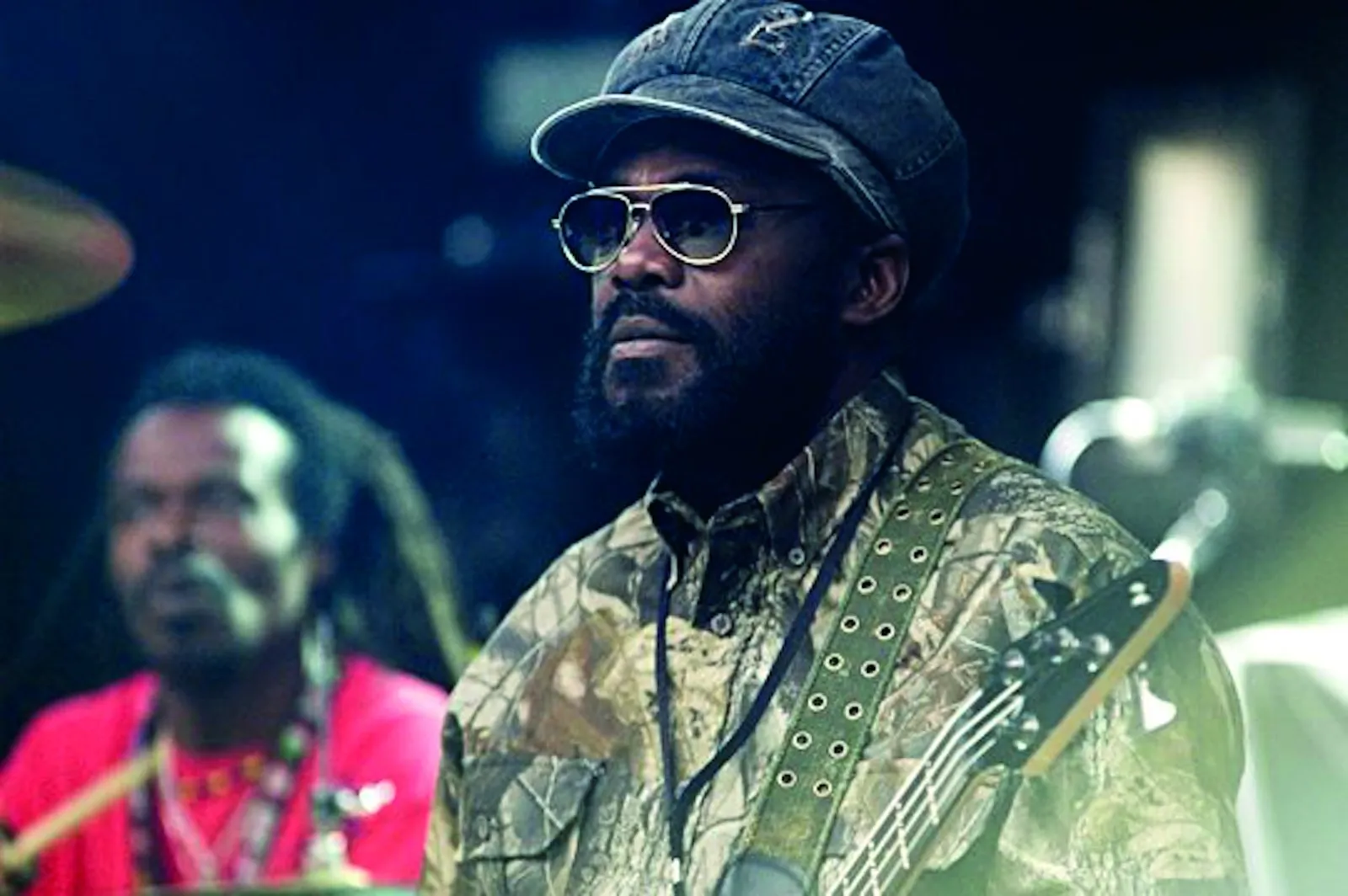
The words are written by a variety of collaborators, and in some instances we have released instrumentals.
Many of the popular songs of the band have been re-produced with altered tempos and beats. What’s your take on the culture of remixes?
We are performers of the music as it was recorded in its original state. Remixes have their place for some to enjoy.
(For Aston ‘Family Man’ Barrett). What struggles did you have to endure when your songs were more than just music and lyrics, and were elevated to a level almost equivalent to tools of a revolution?
The power of the music was made very clear when we were faced with attacks on our safety.
(For Aston ‘Family Man’ Barrett). What was the music that inspired you in the 60s? What do you listen to now?
Music from the Jazz and R&B genres inspired me, as well as that of all other genres. I used to listen to Elvis Presley a lot. Little Richard, Fats Domino, Bill Haley, Joe Cocker, The Drifters, The Impressions. I mostly listen to what I am recording with others now.
Is this going to be your first time to India?
Yes, this is our first time here. There are many similarities between the Indian and Jamaican people. Many Indians were settled in Jamaica.
What are your expectations from the India tour?
To continue to spread positive vibrations to the people.
Anything new in the pipeline for the next year? Oh yes, we are always working on new tracks. Expect more goodies from our end soon.
From the December 2015 - January 2016 issue of FHM India.
Spotted a mistake, or your photo used without permission? Report a correction











 in your inbox