
Lessons Learned: Everything It Takes to Survive in Bollywood
Insiders share lessons on surviving Bollywood, including ex-NASA scientist Bedabrata Pain, who gave up a stable career with 87 patents for films.



A man who left his high paying prestigious job at NASA to make a film, a writer who would wake up alongside 11 underwear wearing men, an actor whose mega debut got shelved for years, and a casting director whose friends turned foes because he refused favouritism, tell you
Bedabrata Pain
Producer and Director Chittagong

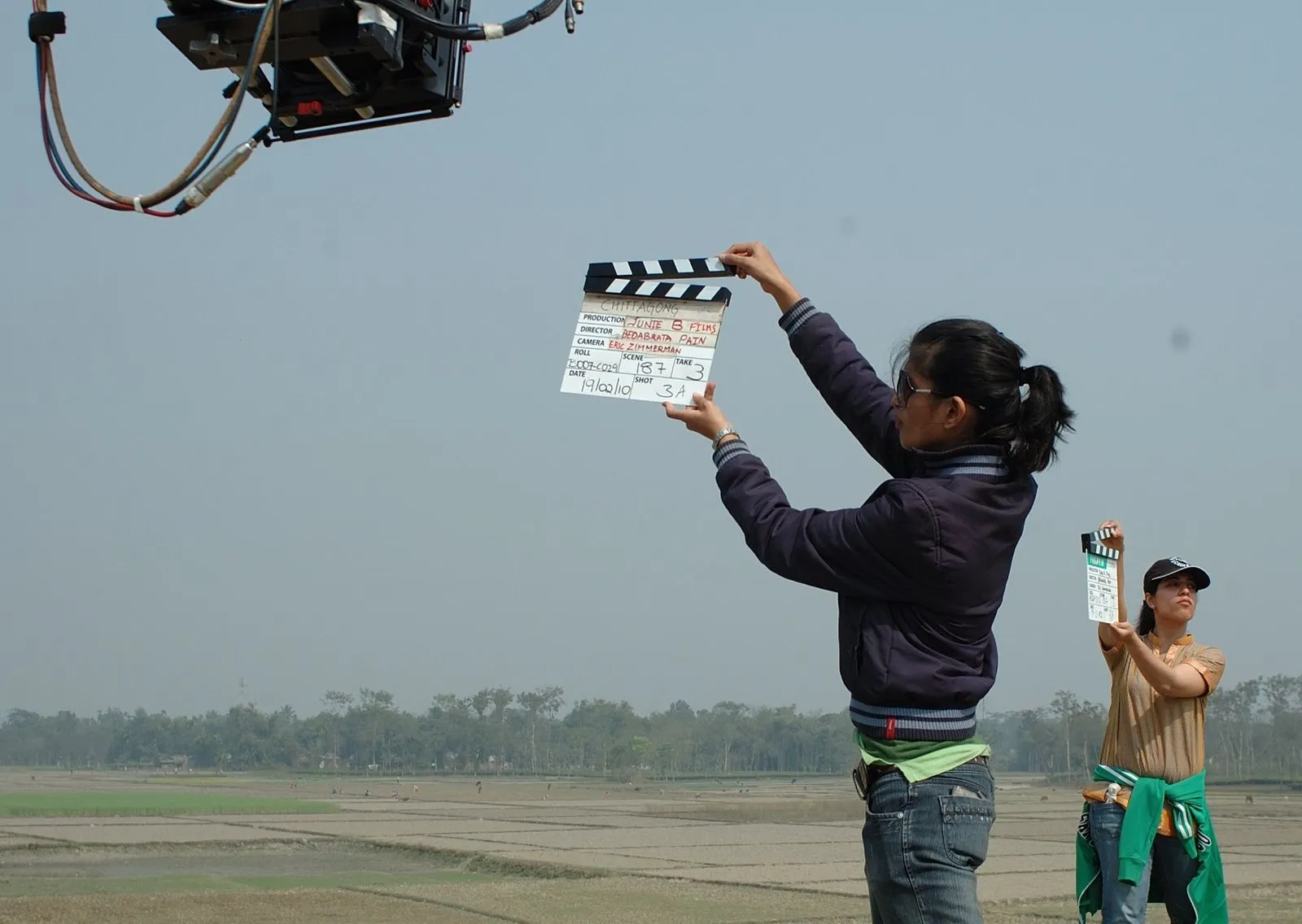
Until and unless you don’t have your own rags to riches story in Mumbai, you don’t really qualify to be an idol to those who look up to you. Bedabrata Pain is one of those rare riches to rags story. As a senior research scientist with NASA, who has 87 patents to his name including the digital imaging, which he invented in 1993, you can imagine the kind of money this scientist-turned-inventor-turned-filmmaker would be making during his NASA days. Still, he left all of that for the uncertain world of Bollywood. That needs a lot of courage. In fact when FHM met filmmaker Anurag Kashyap at one of the press meets, he went on to say, “ I’m sure Bedabrata wouldn’t be paid as much in Bollywood as he used to be when he was scientist, so his decision to take such a step is commendable, and that’s what testifies for his commitment towards what he believes in.”
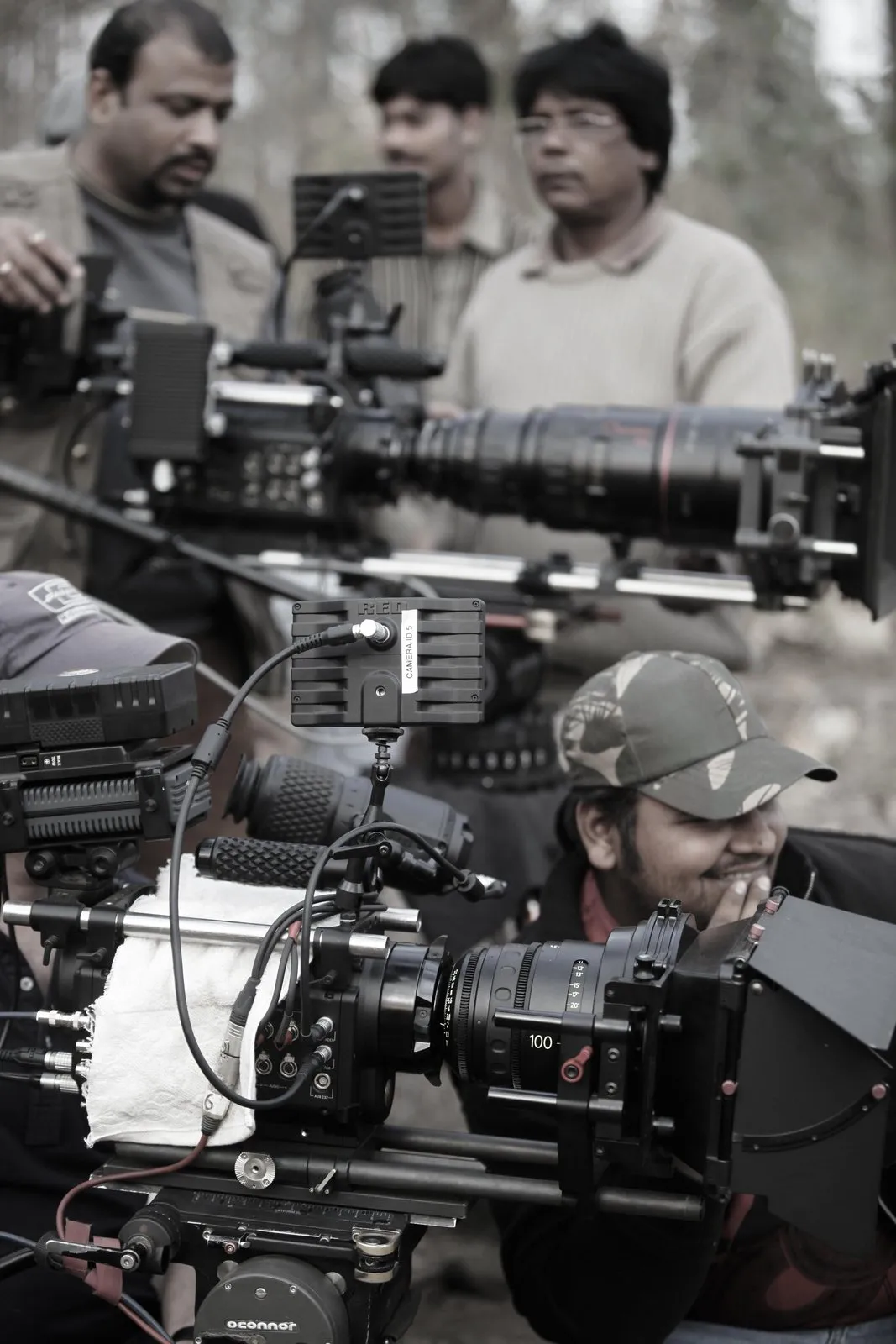
Bedabrata, who is popularly known as Bedo, says, “ Had I continued with NASA, I could have been promoted to a higher position because I was doing good work. I was absolutely stable, but this stability scared me a lot. I asked myself if this is all that I wanted to do in my life or if there is nothing more to me than this. Even during my days in IIT Kharagpur and Columbia University, I was actively involved in theatres. One of my friends once reminded me about some play in which I had worked, and told me how much he liked me in that work. That’s when the whole focus changed. So, I quit NASA in 2005, and started to focus on Chittagong,” tells the director whose directorial debut Chittagong has been well received by the film reviewers and the audience who believe in good cinema. Talking more about his transition, Bedo says, “ It was not for several reasons. A lot of producers wanted to make this film, but then came the recession in 2008, and the money suddenly vanished. That was the time when I had almost given up, but then I received payments for my patents at NASA, and sourced every penny of it in the film. However, that’s not the only thing that I had to struggle with. People don’t take first time filmmakers seriously, so you have to be really confident to the get your things done. My Mumbai crew and Kolkata crew didn’t get along well, so I had to also make sure that peace continues to prevail on the sets. Then the equipments wouldn’t arrive on time. I remember, we were shooting a sequence on an abandoned railway station, and at the last moment we were told that we don’t have the necessary permissions even though we had papers to prove otherwise. Once some villagers also mobbed us in a wrong way, and I had to pacify them by telling them that we were just shooting a film, and that we meant no harm to them. An established filmmaker will have a team to deal with it, but a first time filmmaker has to deal with all of this himself,” says the filmmaker who firmly believes that “There is a thin line between bravery and foolishness”. “I was in trance for the last 2-3 years when I was trying hard to get this film somehow releases. Now that it’s out, I first want to take a break, and decide how will I earn my living because I have nothing left with me, but I will continue to make films that I believe in,” he says goodbye on an inspiring note.
BEDO’S TIPS FOR FIRST TIMERS
Be prepared to struggle without expecting results.
Until and unless you don’t have a good script, don’t make a film because no matter how big your star cast is, in the absence of a good script, they would fail to deliver.

Understand that result is not in your hand, so don’t give a lot of thought to it.
A lot of people will try to influence you and ask you to do things that would make it more saleable, but you have to believe in yourself, and make the film as you want to. Believe in your vision, and act accordingly. If you start compromising, you will not make the film that you wanted to.
Don’t think a lot about the audience because not everyone will like your film.

BLOW UP QUOTES: “People don’t take first time filmmakers seriously, so you have to be really confident to the get your things done.”
WHAT FHM REALLY LIKED ABOUT HIM: His ability to get on board prestigious names like that of Anurag Kashyap, lyricist Prasoon Joshi, music directors Shankar, Ehsaan, Loy, Academy Award winner sound designer Resul Pookutty. Has a first timer ever managed to bring together people of such repute for his debut venture?
IMRAN ZAHID
Actor Marksheet, a film based on Ranjit Don who shook the country by allegedly leaking the CAT question papers a few years back
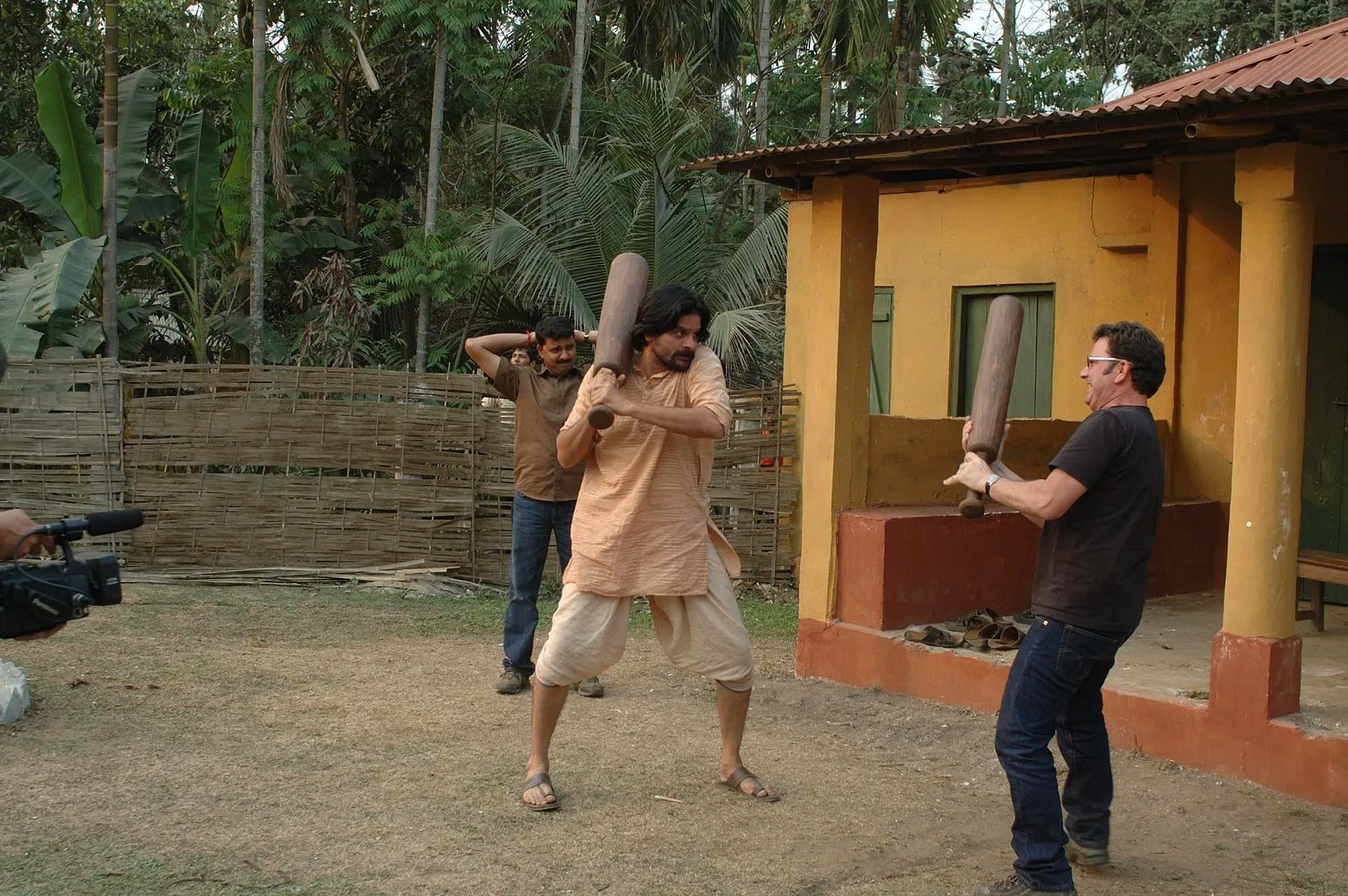
Imagine it’s your first day at your first job. You are all suited-booted and just when you enter the office, you are told that your recruitment has been cancelled because someone has objected to it, or for that matter any other excuse. How would you feel? Disheartened and demoralised, right? Something similar happened to actor Imran Zahid who was supposed to mark his entry in Bollywood with Mahesh Bhatt’s Chandu, but the film based on the student leader of Jawaharlal Nehru University and Communist Party leader Chandrakant Prasad who was shot dead during a rally in 1997 got stuck in court cases, and couldn’t be made. “I remember it was this film that gave me front page presence in almost all the news daily supplements of New Delhi, and I was really kicked up about it because I thought I have arrived, but when the film got stuck in court cases, I was hurt…deeply. I had met Bhatt Saheb in 2007 in Dubai, and he told me, ‘tum to hero type lagte ho.’ On one hand, I was happy that someone of his stature is praising me, but I also knew that Bhatt Saheb meets so many good looking actor type material every day, and if his compliments would actually materialise into a film. On my return, I got a call from his office asking me to send some pictures. Maine 4-5 picture bhej di. Then, I was told that if anything suitable comes up, I’ll be contacted, but I heard nothing for the next three years. Finally, when Chandu was announced you know what happened. I was also offered bit roles in Jism 2 and Jannat 2, but I didn’t want to debut in that manner. Infact for Jannat 2, I even shot a few sequences, which were decided to be omitted, but some of it was used in the film, “ says the actor who believes that if you are no body in Bollywood, a godfather like Mr Bhatt always comes handy. “ Even though my film hasn’t released, people know me because Bhatt saheb presented me as the man in his next venture. Three things decided your fate in Bollywood – the one who backs you, your PR mechanism, and the ability to realise the importance of what to speak, when to speak and how to speak,” he adds. “ In Bollywood, it’s very important to be on clear terms with everyone. So, when I decided to opt out of Jism 2 and Jannat 2, I didn’t had any tussle with the makers because we sat together like mature people and talked about the film,” Imran starts shooting for his next film Marksheet that’s based on Ranjit Don in New Delhi.
Blowup quote: Three things decided your fate in Bollywood – the one who backs you, your PR mechanism, and the ability to realise the importance of what to speak, when to speak and how to speak
WHAT FHM REALLY LIKED ABOUT HIM: While every Bollywood aspirant talks about compromising, here comes a man who makes sure that he works on his own terms – indeed a brave outlook.

Casting director:
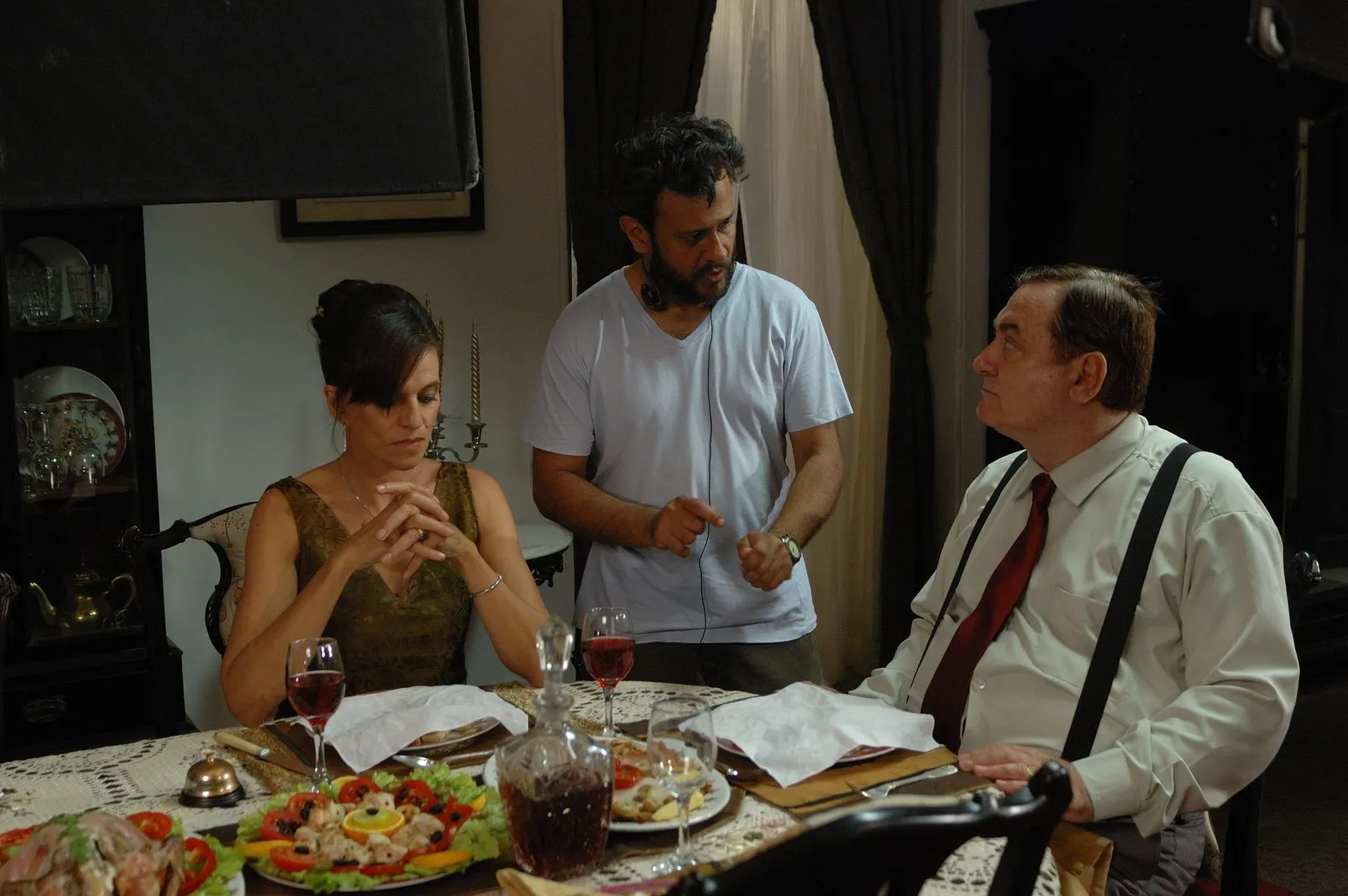
Casting directors like Mukesh are a hope to millions of people who want to get a break in Bollywood. They are ones who make right talent available for right projects. Though Mukesh is one of the most successful casting directors in films and advertising world, he is best known for Rockstar (2011), Kaminey (2009), Chillar Party (2011) and the recent cult Gangs of Wasseypur. “ It took me a year to bring together 390 professional actors for GOW. I have always insisted on casting people who are closer to life. I don’t believe in portfolio shoot. If a guy has potential, it would be evident even in a picture in which he is cutting his birthday cake,” says the 31-year-old Delhite who believes in “fortune favours the brave.” The Delhi University graduate who attained his specialisation as an actor with a diploma from The Shri Ram Centre for Performing Arts, Delhi says that being a casting director is a tough choice of career because a lot of people expect favouritism from you. “ People want to be friends with me just because I can get them a break irrespective of the fact whether they deserve it or not, but as a casting director you have to make sure that favouritism doesn’t affect the quality of talent you are supplying.” So what are the qualities of a good casting director, “ An understanding of the script is a must. Else, you will always suggest a cast that wouldn’t suit the film. A theatre background obviously helps because then you are in a better position to spot the talent than someone who is a novice at casting. Also, a casting director has to be open about talking to people anywhere and everywhere. I often end-up spotting talent on the streets, and I have to tap them then and there. A casting director also has to research well and should have link across all geographical locations because you might need someone from Kashmir while you are sitting in Kanya Kumari.”
What he expects from an aspiring actor
Be real because that's what I want you to look.
Self-assessment is extremely important. “ If you are 50 percent ready, we can help you cover that extra 50 percent to make you a 100 percent actor, but if you are completely ignorant, your chances of getting selected are dim.”
While a theatre background is not a prerequisite, a basic understanding of films and how they are filmed helps.
You have to have a certain level of intelligence because this is one thing that we can’t teach you.
Have some patience because nothing in Bollywood is instant. It takes time.

Blow up quotes: If a guy has potential, it would be evident even in a picture in which he is cutting his birthday cake
WHAT FHM REALLY LIKED ABOUT HIM: His decision to give break to only deserving candidates might make Bollywood a fair world.
Gangs of Wasseypur
“The first step towards Bollywood is to come to Mumbai,” highly recommends writer-actor Zeishan Quadri who wrote the story and dialogues (co-written) of Gangs of Wasseypur, and played the role of Definite in the film. “ During my school days in Dhanbad, I used to watch a lot of plays, not because I was interested in them, but because ladkiyaan bahut dikhti thi waha per. However, I was inclined towards theatres and especially writing, but since most of my friends were interested in cricket, main bhi cricket hi khelne laga. Also, in academically motivated states like Bihar, it’s very tough to even think about making a non-engineering or medical career. So, I left Dhanbad in 1998 and came to Delhi. I used to stay in Noida, Sector 71, and had lots of friends in Jamia Millia Islamia who needed a lot of help in theatre writing, so I used to help them,” tells the management graduate who was encouraged by his friends to take up acting. “ In 2008, when the recession showed its ugly face, I decided to go to Mumbai to take up acting. As I said earlier, it’s very important for any Bollywood aspirant to come to Mumbai because once you are here, things automatically get in order. However, you must not join call centre or part time jobs to sustain because then you lose focus. Instead, assist a director because that’s what you have come to the city for. Don’t worry, itna to mil hi jaata hai ki sustain ker le, “ suggests the actor who believes that you don’t need to sleep on streets to make it to the film world. “ If you here to struggle, do it right. Instead of staying alone, share your flat with 3-4 people. When I came I used to stay with three more people and the rent per head was ₹2500, but when the landlord decided to sell our flat, I had to move to a room that was shared by 12 guys. Every night when I would return to sleep, I would see 2-3 people sleeping. Jab subah uthta tha to 12 ladke underwear mein so rahe hote the. If an auto driver who earns ₹10,000 month can survive in Mumbai, and send money to his parents in his hometown, why can’t we?,” asks the guy who grew up in a strict and protective environment. “ When we started filming GOW, I shifted with Perpendicular (Aditya Kumar). Even today I stay in a one BHK and that too alone because a writer needs his space to think a lot. Mera funda clear tha. Agar kuch nahi hua to wapas chala jaunga. I never wanted to live a life, the burden of which I couldn’t carry. Even after the success of GOW, I haven’t taken-up anything lavish because I still don’t know if I’ll be able to continue with that sort of spending.”
And what are the tips that he would like to give to the aspiring writers? “ Never stop writing because you never know somewhat might be looking for something that you have on paper. When I had approached Anurag sir, I only had GOW 2 in mind. He liked the idea and asked me to write it elaborately. I got so immersed in writing that I ended up writing both of them, and I remember Anurag sir saying, ‘dono films banayenge’. Prior to this I had met a few other filmmaker, who in the name of writer just needed someone who can be like a typewriter and type on paper their ideas. Beware of such people. A lot of people would come to you and tell you that they have the money to make a film. Log aake mujhse kehte the ki kuch suna. C’mon I’m not a storyteller, and I hated such requests because I knew they were not serious about what they are saying. You just got to believe in the way you write, and continue with it,” he closes the conversation by saying that his inclination towards writing is influenced by real life experiences, and he would like to work with people like Vishal Bhardwaj, Sudhir Mishra and Hansal Mehta.
Mera funda clear tha. Agar kuch nahi hua to wapas chala jaunga. I never wanted to live a life, the burden of which I couldn’t carry.
From the November 2012 issue of FHM India.
Spotted a mistake, or your photo used without permission? Report a correction











 in your inbox