
Manoeuvring music: Paul Schneiter
Sound engineering is one of the most important aspects of making and producing music. FHM got to the bottom of it with the man from Paris himself at the Orange Music Festival.
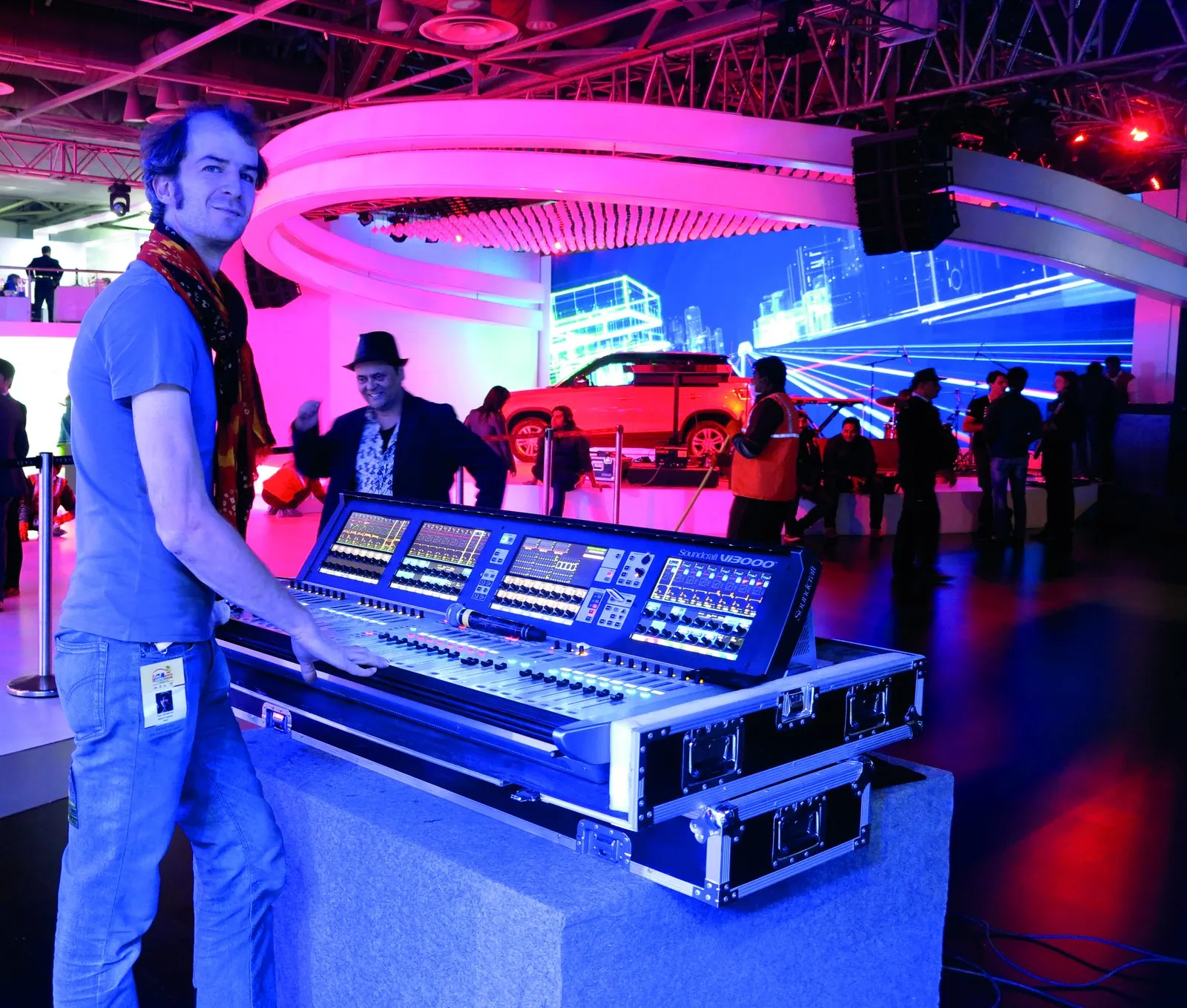



Hi Paul, it was great to meet you at Dambuk. How is it going?
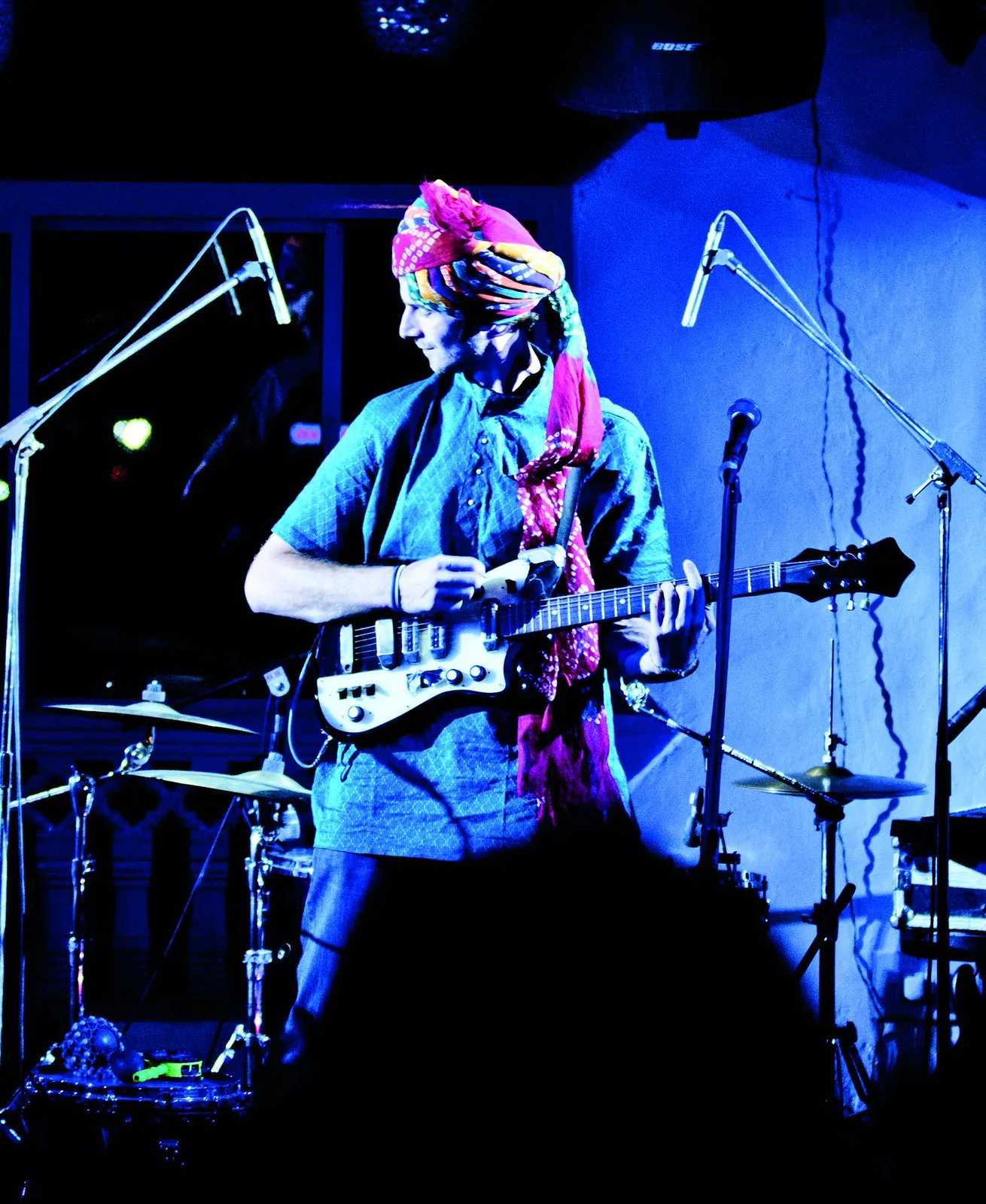
It’s going great, thanks! I’ve been on a roll since we met in Dambuk. I ended up touring the Northeast with Tritha Electric for more than a month, staying several weeks in traditional bamboo houses. Most recently I played the laser harp at the Auto Expo in Noida. I think it was the first time the instrument was played in India!

You were the man behind the beautiful soundboard who always had a place to sit no matter how crowded it got. What do you exactly do with all those buttons and nozzles?

Hahaha! That’s right, the mixing engineer always gets the best seat in the house! Basically the mixing console is the centrepiece of a live concert; each instrument arrives at the console from the stage on a separate channel where I can alter its volume and sound characteristics by applying equalisation and compression. Or I can also add effects like reverb, chorus or delay. All channels are then blended together inside the master buss before coming out of the speakers and going into the audience’s ears. Unfortunately, I am not only mixing for the crowd (that would be too easy!!), I also have to give a separate mix to each musician on stage, called monitor mixes. For instance, the drummer will not want to hear the drums in his mix because he is already hearing them naturally, or the singer will need the vocals very high up to have a good reference of what he or she is singing. Doing all this simultaneously can be very tricky at times, and it is a challenge to make everyone happy.
How did it all start?
You mean my career in sound in India? Well, I first came to the country on an MBA exchange programme in 2007, then one day I noticed a stage being set-up on the campus and went to have a look. Next thing I knew I was behind the console and Indian Ocean was performing on stage! I, then, moved to Delhi for good in 2009 and immediately started touring with the likes of Menwhopause and Advaita. That’s also when I began working at the legendary Katharas Recording Studios in New Delhi, which I am now also managing.
Have you worked or interned with legends that you always admired?
To some extent I did, but not as much as I would have liked to. The legends (at least my legends) of sound engineering are mostly from the US or the UK and I never spent much time there. In Paris, I had the chance to sit on a couple of sessions with Florian Lagatta, one of the engineers behind the sound of Daft Punk’s Random Access Memory. I learned a few cool tricks from him.
What is the mechanism of sound engineering? If you had to explain it to an ordinary person.
Well, sound engineering is pretty much like cooking. You are given several ingredients and you have to cook the best possible meal with them. In this case, the ingredients are the different sounds coming from the stage and the meal is the final mix. Adding masala (i.e. effects like reverb and delay) is also needed, but just like masala if you put too much it won’t taste/sound good… On top of that, you also have to make sure that the kitchen is clean and works well, which translates as making sure that all the cables and speakers are in good condition and connected together in the best possible way.
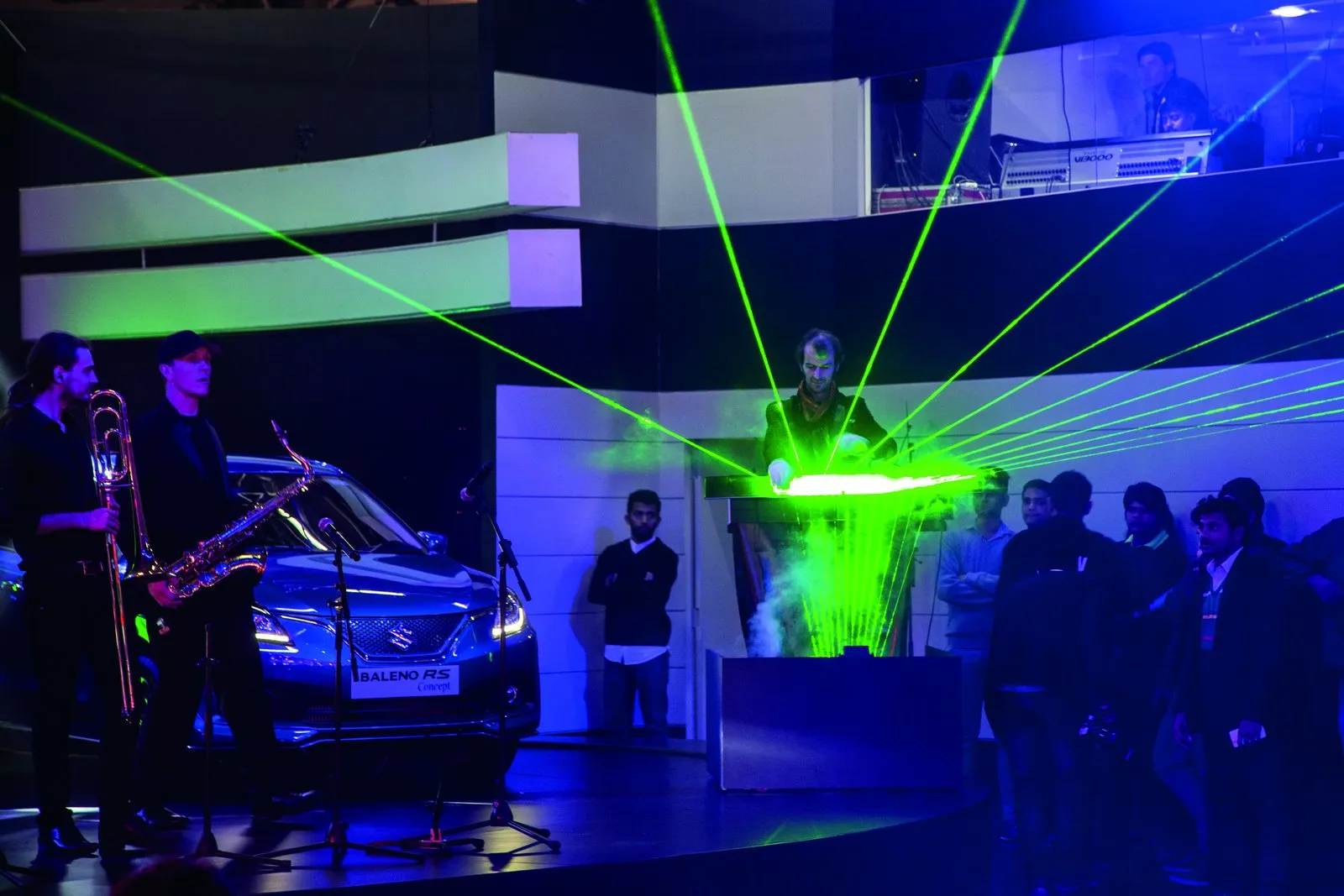
What are the instruments that you use during live gigs and recordings?
Live equipment is very different from recording gear. The former needs to be sturdy while the latter is designed to give the best possible sound and can be quite fragile.
What are the softwares that are commonly used in either set-up?
ProTools is still, for me, the standard for studio recordings. When it comes to live sound, all the modern boards have their own software and sometimes it’s tedious, constantly working with different interfaces.
Your job looks a lot more technical than just playing or making music. How closely do producers and sound engineers work with the artistes? And who gets to have the final say, in case of a stalemate on grounds of creativity?
In the studio, I generally handle both the sound engineer’s and the producer’s duties. The producer is the most important person in the studio as he or she decides the way an album feels and sounds. The producer has to work very closely with the artiste, and at times there are difficult moments in order to achieve the best results. Artistes are so deeply involved in the music that they sometimes lose perspective. So, the job of the producer is to bring some objectivity into the recordings. I try to keep a fan’s approach to the music, and am constantly asking myself in the studio whether a fan of the band would like what we are doing.
Do you also do some production?
I do production in the ‘vintage’ meaning of the word. I am not making instrumental tracks on Logic or Ableton Live. For me, production in the recording studio means guiding the artistes, helping them go where they want to go in terms of sound and energy. That means choosing the right microphones and preamps, telling the musicians how to play and what to pay attention to.
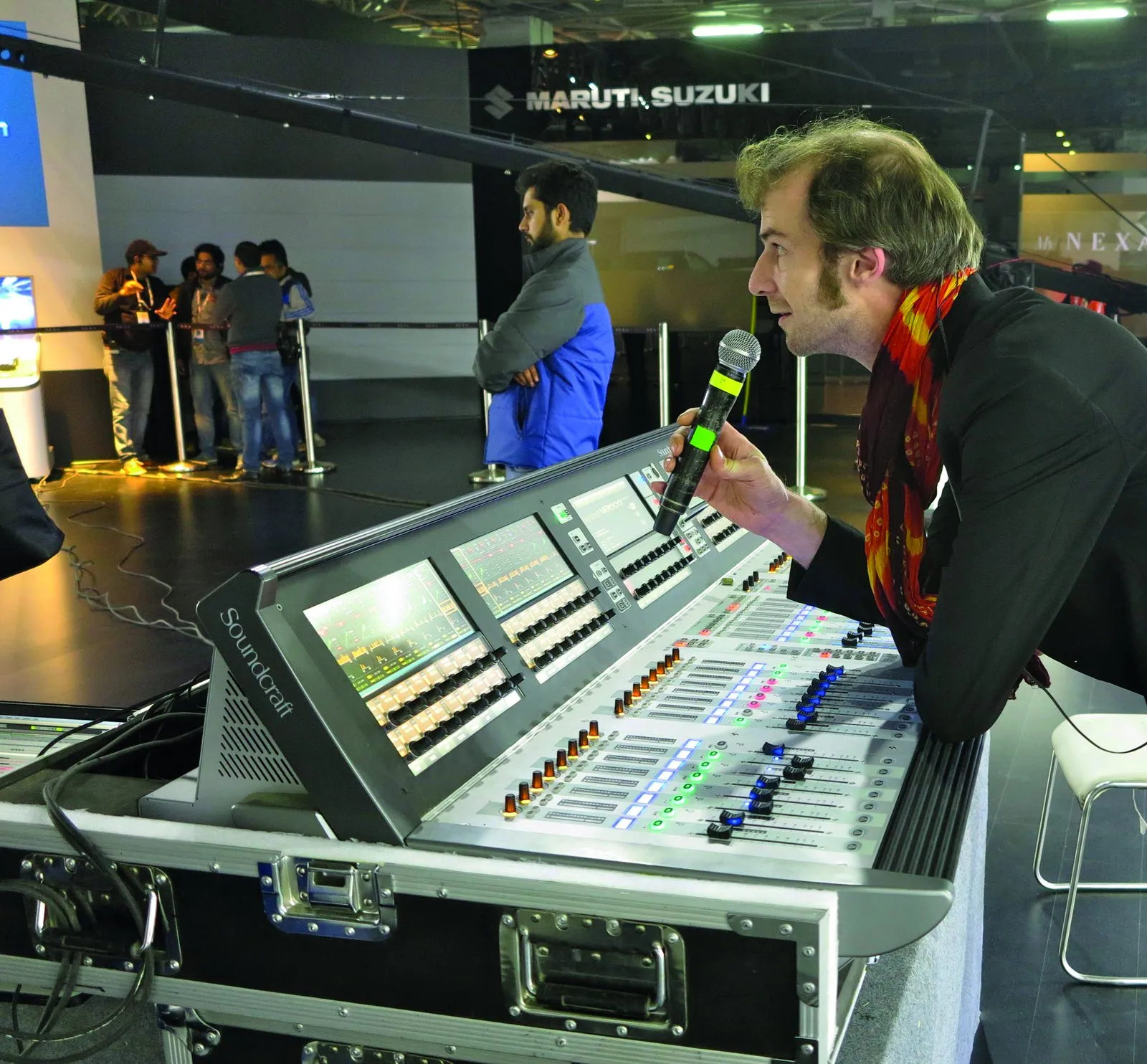
We know you’ve been around in India for quite some time now, learning the kartal. Tell us more about it.
Living in Delhi, I quickly made my way to Rajasthan and was lucky enough to meet Kutla Khan and his group of musicians in Jaisalmer. I was mesmerised by the kartals that they play, and immediately wanted to learn. Kutla’s younger brother Gafoor has been teaching me.
Artistes have specific genres that they play in. They may not sound as good if they switched to an alien category. Does something similar also happen with sound engineers?
Mmmmm… I think good musicians and good engineers are able to work well in any genre. I can work with a rock band today, then an Indian classical artiste tomorrow. In fact, I really enjoy the change; I think I would get bored listening to the same music all the time… and it’s mostly a matter of taste. A good engineer used to rock music only would be able to mix a jazz gig, technically speaking, but as his taste in jazz might not be so good, the final mix might not be what’s required. For me, I think I do a better job if I like the band I am mixing. It is obviously more difficult to make a good mix if I don’t really like the music I am mixing!
What is your kind of music?
My kind of music is music that makes me feel something, music that evokes emotions.
Different genres are like different languages, and once you speak the language, one is able to like or not a particular record or artiste. My background is rock... I grew up listening to The Beatles, and then moved on to Nirvana, Pixies, etc… The first time I heard jazz, it was a Miles Davis psychedelic record, Bitches Brew, I think.
And I just didn’t get it! It took me several listens to start understanding what was going on, and now I love it. This, by the way, doesn’t mean I love all jazz, just that now I can understand what goes on in jazz music.
Do you also play an instrument other than the kartal?
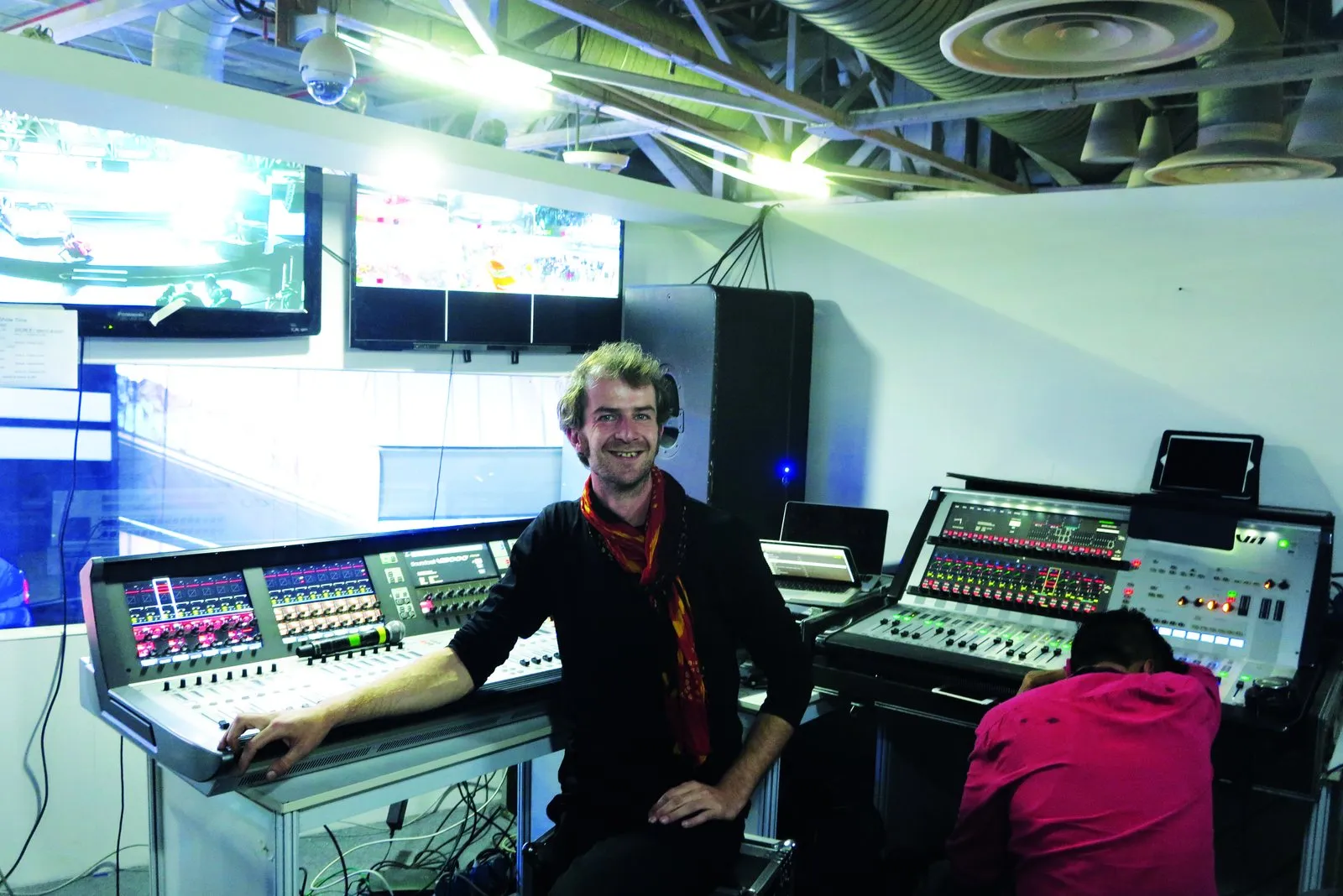
I play the drums live, now mostly with Tritha Electric, the band I started here in India. In the studio, I can play a variety of things, be it percussions, guitars, keys, or just weird noises and effects with the analogue outboard lying in the studio. My favourite right now is the Ibanez AD-202 which I am using a lot on the upcoming Ska Vengers album. It is a very old and noisy unit, and it has so much character and bite in it that I just love using it!
What are the Indian bands that you help during their live gigs?
Recently I’ve done live and studio work with the likes of Menwhopause, The Vinyl Records, The Ska Vengers, Suman Sridhar and Tritha Electric, to name but a few. I’ve also been engineering some more classical festivals which gave me the chance to work with Pandit Vishwa Mohan, Vidya Shah, Muktia Ali and Kutle Khan.
What is your favourite music festival?
There are so many fantastic music festivals on the planet! Looking at India, I feel the best festivals are the ones happening in remote natural beauty. Ziro and Dambuk Festivals in Arunachal Pradesh, as well as the Ragasthan festival in the sand dunes of Jaisalmer are amongst my favourites. Magnetic Fields in Alsisar is also one that I don’t like to miss. I also recently started working with the Kaloobang Festival in Reunion, a beautiful and isolated volcanic island in the Indian Ocean.
How was Dambuk? Any crazy story from there?
Dambuk is always crazy, and I don’t remember anything. Hahaha…
What’s your understanding of the changing music scene in India?
When I came to India, ‘the scene’ in the country was starting to grow. In Delhi, it was at TLR, the first bar in Hauz Khas Village which had a music stage. There I saw the likes of the Reggae Rajahs, The Ska Vengers, Dualist Inquiry, and so many other top artistes of today begin. But it’s EDM that has taken over the clubs in most cities, so live bands playing original material are struggling once more. To take my band as an example, Tritha Electric, in 2015, performed 12 times in India and 26 times abroad. Though the Indian audience loves the sound of the band and go crazy every time we perform, promoters are hard to convince to book what they perceive as a very niche band (Tritha Electric play psychedelic rock in regional Indian languages).
From the March 2016 issue of FHM India.
Spotted a mistake, or your photo used without permission? Report a correction









 in your inbox