
Men Who Report The Wars
This son of Kashmir admits that war reporting is an addiction even as he talks about dodging air force raids and cushy IPL assignments with equal elan…

SUHAIL BUKHARI – THE TV REPORTER
What are the conflict zones you’ve reported from?
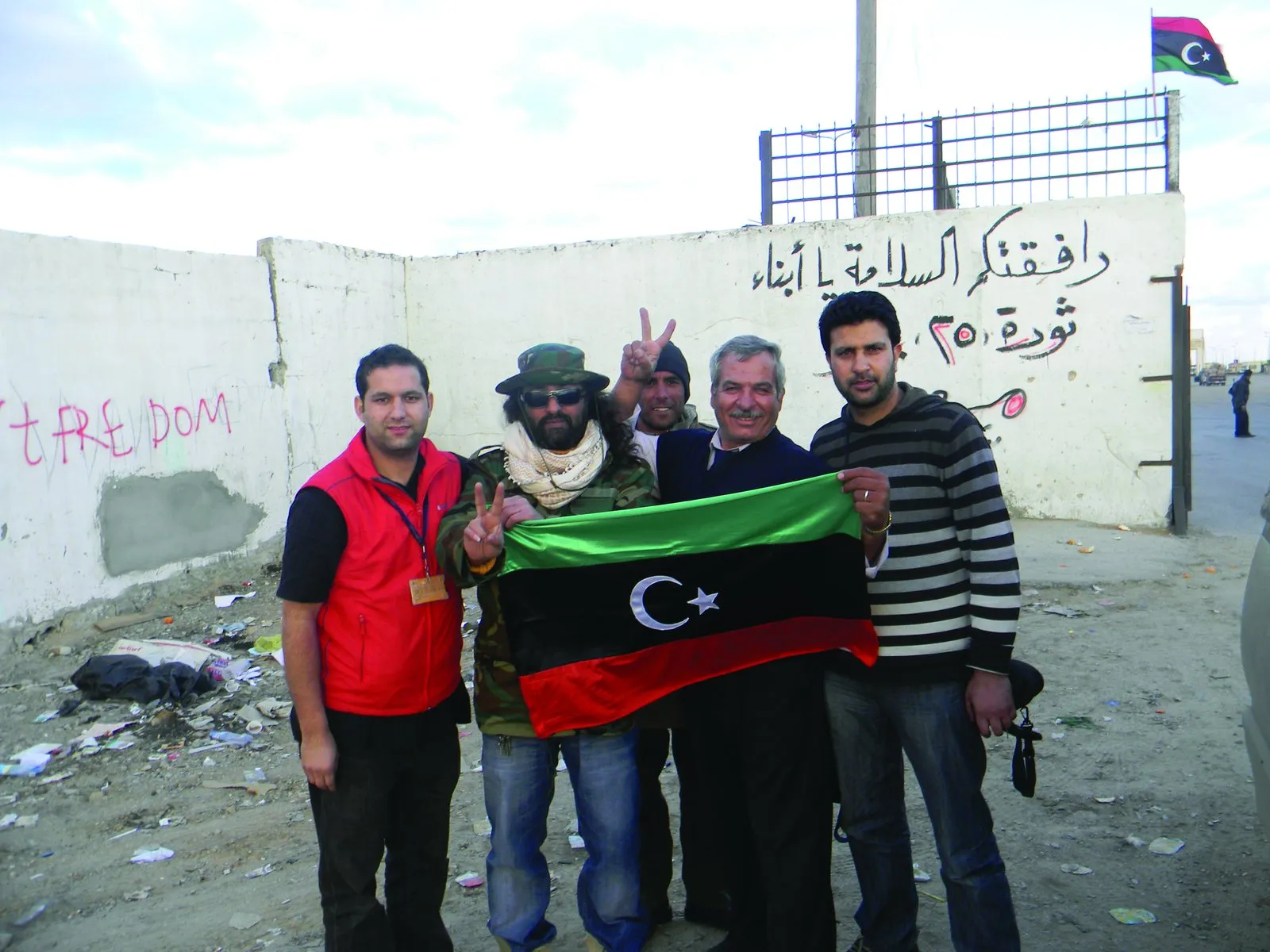
Apart from Kashmir, I’ve reported from Libya and a few dispatches from Egypt.

How does the conflict in Libya stand out compared to other conflicts you’ve covered?
I have primarily covered the conflict in Kashmir, which has been largely an armed struggle and has off late seen a surge in civilian, non-violent agitation. On the other hand, Libya is a case of full-fledged war involving several countries. Lack of order and diverse armed forces fighting independently definitely made things dangerous.
Why do you do it?
War reporting is an addiction. And for a conflict reporter, the greater the risk, the more tempting the assignment is. The people affected, the public attention involved and the ramifications of the conflict at large definitely make some wars more coverable.
How would you compare independently reporting from the war front to being embedded with an army unit?
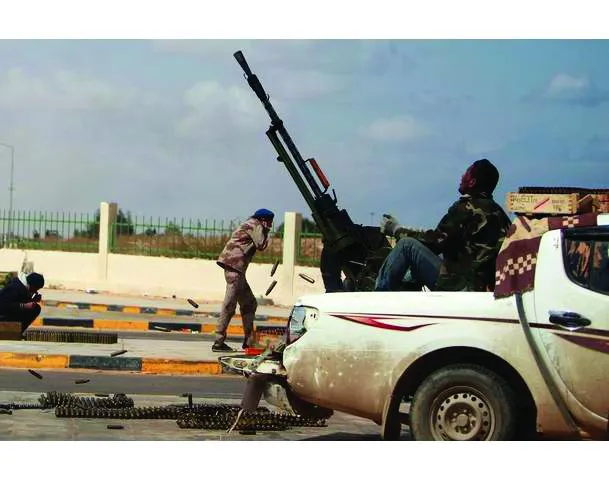
While covering the Libyan war, I had an option of travelling to Tripoli and reporting under the vigil and instructions of pro-Gadaffi forces while being in a ‘safe zone’. I decided against that and travelled to the east of the country. This gave me a chance to report on the situation as it was and move around freely without compromising the non-partisan character of my reports for the sake of my security. However, there may be situations where the only way to report is by being embedded and hence a reporter can’t do much. He would have to be guided by the wishes of the forces he’s accompanying and there would be restrictions on not just how much a reporter gets to see, but also how much of it he’s allowed to report. I do think it’s safer, but given an option, a reporter will always choose to be independent.
How does one end up covering conflicts?
By virtue of the fact that I come from Kashmir and have been reporting on it for many years, I have automatically been given the role of a conflict reporter. While I have reported on almost all aspects of the conflict – be it insurgency, civilian uprising, political dimensions and possible resolutions; my Kashmir experience definitely helped condition me for Libya.
How different has it been covering the conflict in Kashmir and then an assignment like Libya?
Kashmir has been a long, but low-intensity conflict as compared to Libya. There are armed battles and political aspects, but Libya was a different ball game. It was a full-fledged war where the army, navy and air forces of several countries were involved. In Kashmir, I never had to escape air force raids, which is something I experienced in Libya – We were in the outskirts of Ras Nalouf city, which was witnessing a fierce battle. While we approached a group of rebels, we were pounded by Gadaffi’s Air Force. At least 6 bombs fell less than a hundred meters away from us. It was good that the pilot missed the target.
Do reporters talk about the worry of being taken hostage?
Yes, indeed. In Libya we talked about it quite often. And the worst did happen when an American colleague was whisked away by Gadaffi’s forces while reporting from the front. The idea of her being taken into custody just days after we were talking about it was scary.
Who’s in your team when you go out hunting for stories?
I team up with one of my two video journalists who’ve been with me in Kashmir for a while. One of them travelled with me to Libya.
When you are back home, relaxing with a cup of tea who do you turn to when you want to know “the truth” about what’s happening?
I would turn to multiple sources in print, TV and online media and try to reach my own understanding of the situation, even though I prefer a direct chat with onground journalists over everything else.
If given the option – what kind of assignment would you prefer – reporting a war or cushier assignments like say covering IPL?
I am what I would call a rugged reporter and am not used to cushier assignments like the IPL. For me, a war always takes priority.
Finally where in the world are you itching to go right now?
Syria.
MAURYA GAUTAM – THE CAMERAMAN
The cameraman who almost got shot himself while shooting on assignment gives his take on amateur thrill-seekers and real-life danger…
What’s your conflict portfolio like?
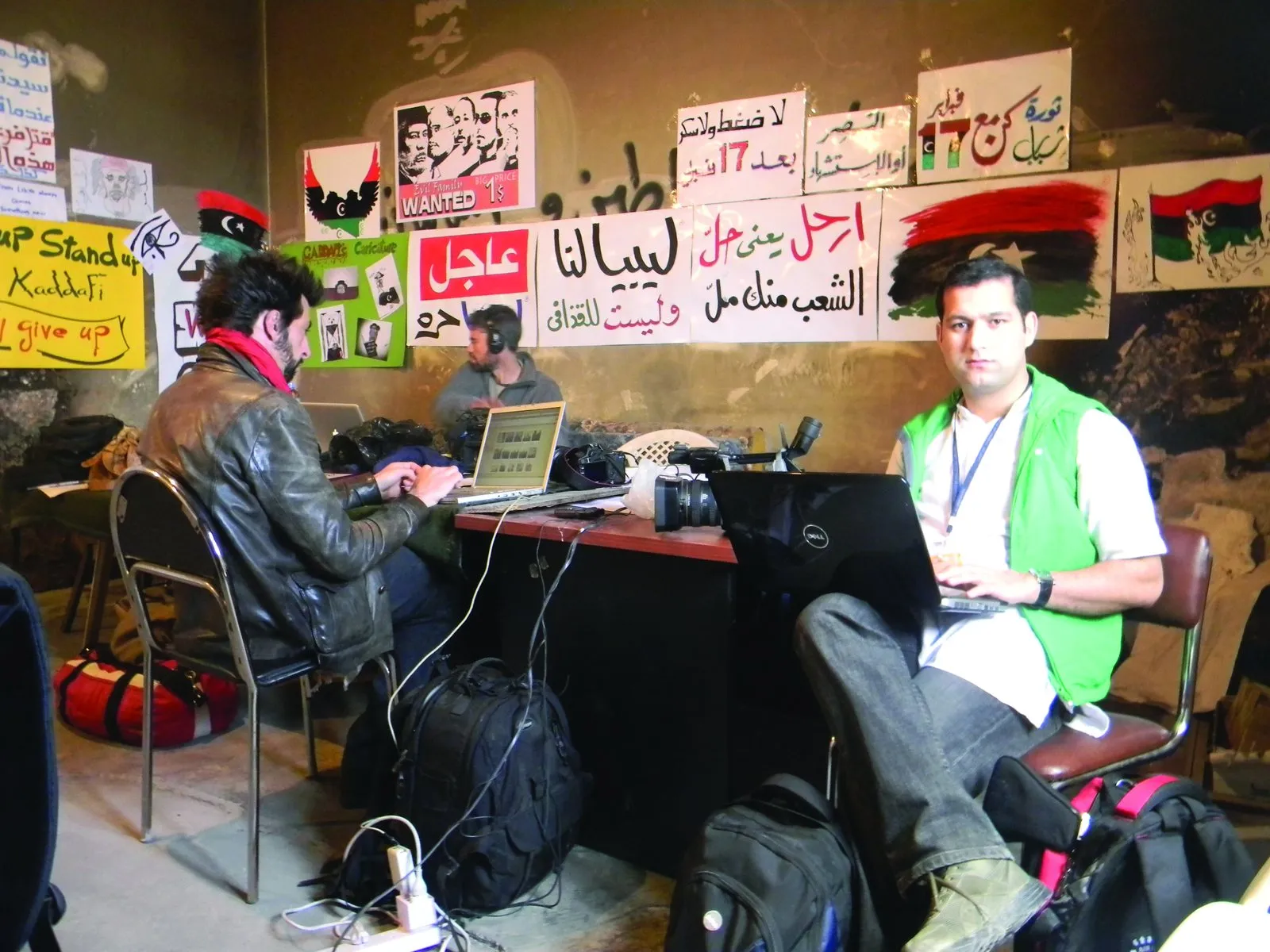
I'm not a war specialist cameraman, in fact I wonder if anybody really is. Nothing can prepare you for war. I'm a news cameraman who gets to cover a variety of stories including wars and conflicts. In my short 11 years in this profession, I've covered the India-Pakistan tensions after the failed Agra talks closely. Following that time, I was positioned in J&K by an international network for a good three weeks, in anticipation of a war. I’ve also covered the internal tensions in Kashmir in 2008-2009 and have worked for about two weeks covering the West Bank. And most recently, I’ve been to Libya to cover the revolution twice this year.
Have things changed considerably between your last two war assignments to Libya?
When I went to Libya in July, I noticed a change in the rebel fighters from my last trip in April-May. They are being given arms training by defected Gaddafi soldiers. Although it’s a short course lasting about a week to ten days, it’s intensive and gives the revolution fighters the confidence and knowledge to be on the front. What the rebels lack in training, they make up with sheer courage. What's happening in Libya is a revolution where people have taken to arms. Chaos and lack of order are part of every conflict, but more so in Libya because of the nature of the fighting. It’s a trained army versus its own armed populace.
Do you think some wars are more coverable than others?
When I talk to the veteran journalists and cameramen at Al Jazeera, I do get the impression that there are wars that are easier to cover. It all depends on the geography and terrain as well as the access journalists get, which makes our job easy or difficult.
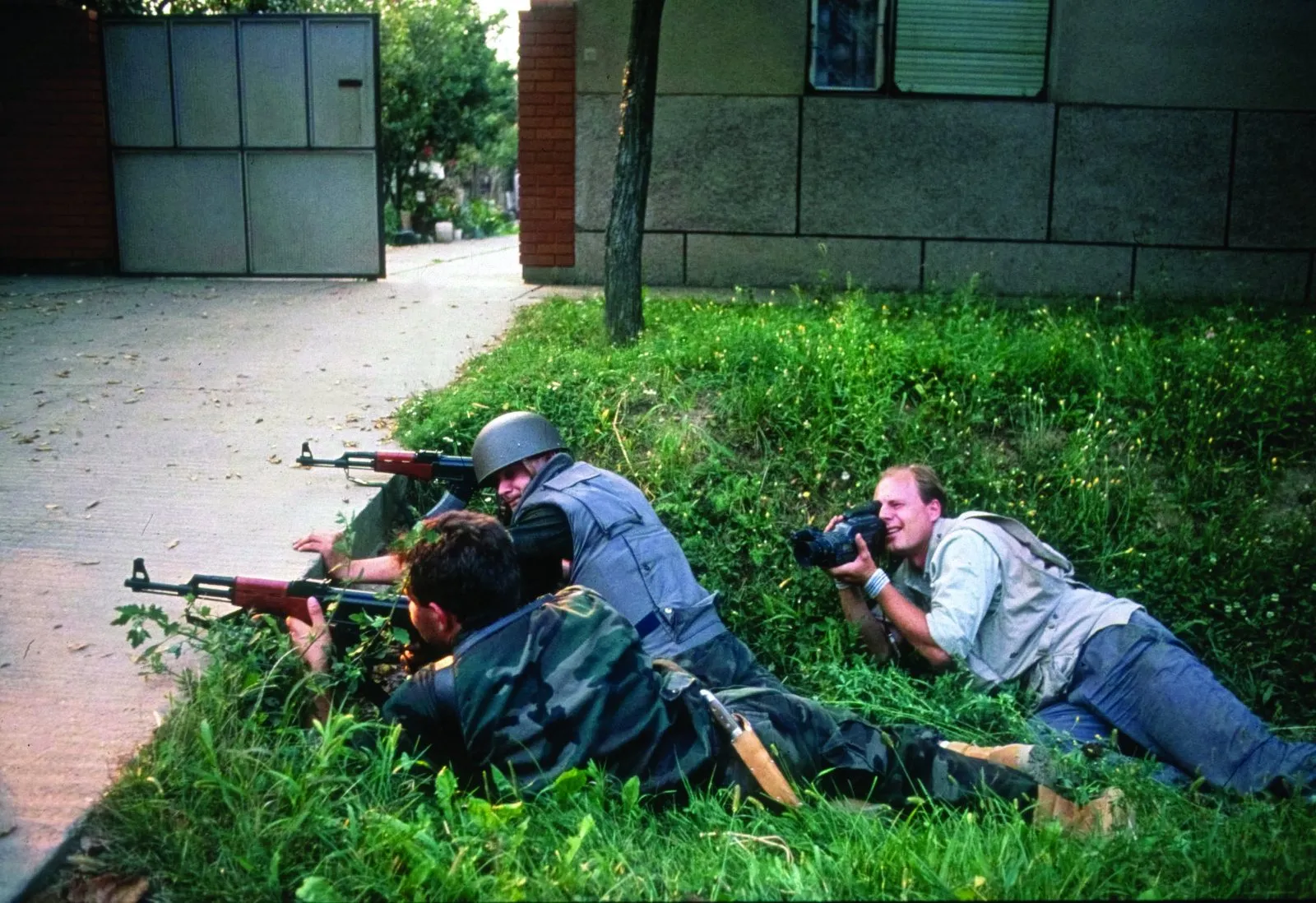
How would you compare independently reporting from the war front to being embedded with an army?
Being embedded is a necessary evil. In certain areas there’s no other way to report. If the journalist is fair and seasoned, he can still tell his story regardless.
How did you end up covering conflicts?
For me war assignments have come after years of regular stories. It’s not something I aspired to do. I take war assignments as a part of my job as a news cameraman. Also, I guess your company has to have the confidence in you before they send you to conflicted areas.
What was your big break?
Joining Al Jazeera in January 2006.
Is there any kind of professional training that you were given before you were dropped off to cover conflicts?
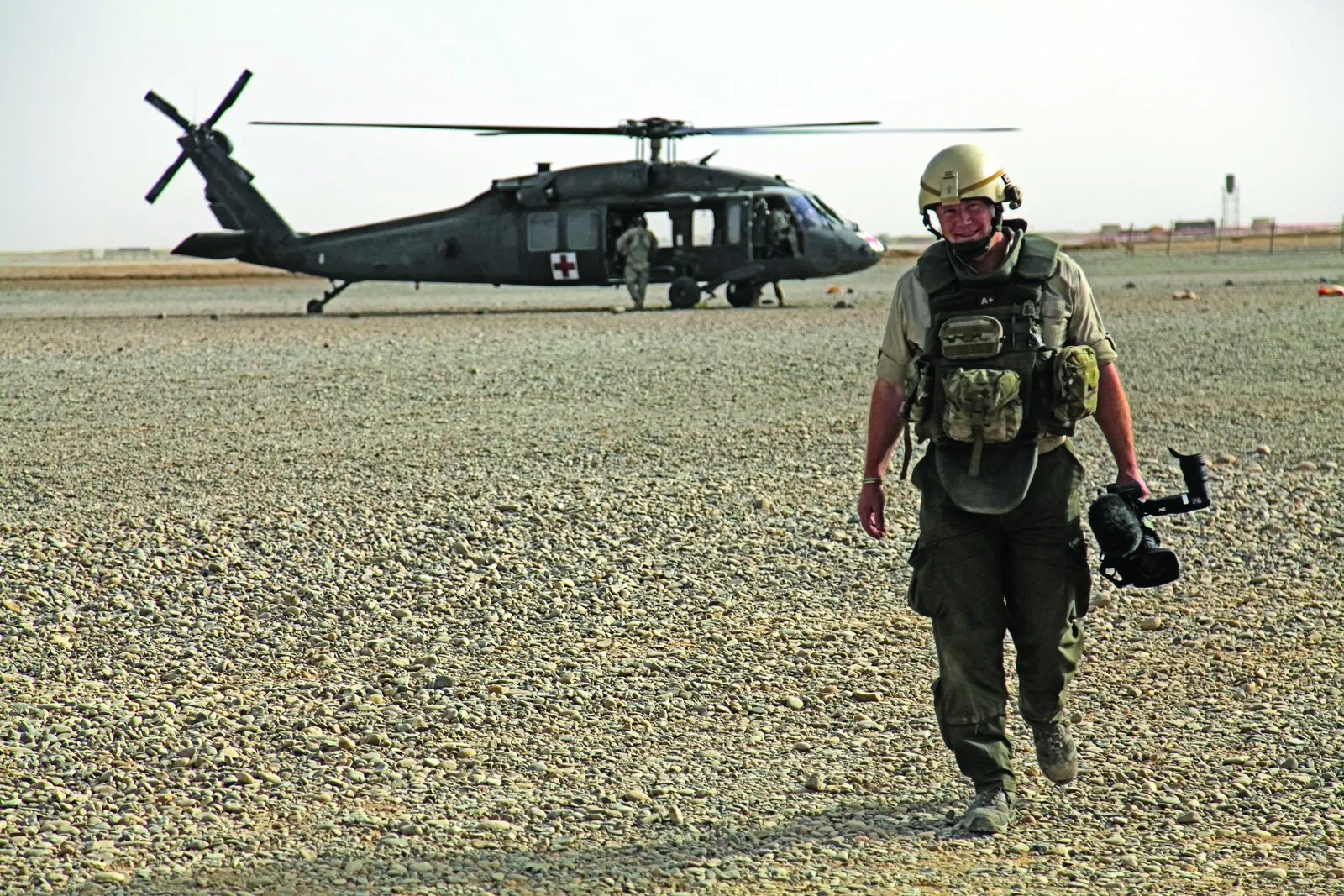
We are put through something called – Hostile Environment training that teaches you how to work in these areas and more importantly, how to survive in case things go wrong. The medical side of training can actually save you or your colleagues in case of injuries.
Unfortunately, journalists have increasingly become an easy target. This year alone 25 have been killed, out of which 5 were in Libya. Al Jazeera Arabic lost a very talented cameraman Ali Hasan Al-Jabar who was ambushed in Benghazi, Libya earlier this year.
What has been your most terrifying day?
When you go to war zones you have to be a believer in destiny. That’s not to say that I go and be irresponsible and leave everything to destiny. In July this year, I was in Misrata with award-winning Al Jazeera correspondent Hoda Abdel Hamid. The fighting was 30-clicks outside the city in a place called Dafniya, but the rockets were landing in the south of the city every day. Four days into my deployment, we got news of an apparent push by the rebels towards the next town of Zlitan, so we went to the frontline to get the story. The rebels were holed up in there and at first there was just some outgoing fire and some incoming small fire. I must’ve gotten about 10 minutes of footage, when suddenly we came under artillery shelling and spent the next 30 minutes in an underground pipe. As things eased up, we discovered one of our tyres was flat due to the splinters. We were pushed back into our hiding spot as our security advisors changed the wheel under intermittent firing and shelling. Thankfully, we got back safely that night. The next day we wanted to go back and see how far the rebels had pushed. We pulled back to the field hospital and were doing live reports thinking that we didn’t need any protective armour since we were out of artillery range. The first live feed went off without a glitch, but the second one was different. We connected to our studio in Doha and were waiting for the anchor to come to us and suddenly we heard a whistling sound followed by a loud explosion less than 800mts from us. While we were deciding on whether to stay or pull out, a second one landed even closer. Needless to say, we didn't stick around after that.
How long do you tend to stay when you’re covering a conflict?
The normal rotation in a war zone is for three weeks, plus travel time. This time it took me three days to get to Misrata and leaving involved a 30-hour boat journey to Malta on a small shipping vessel.
As a professional – what do you think about excitable amateurs who land in war zones intent on making their own documentaries?
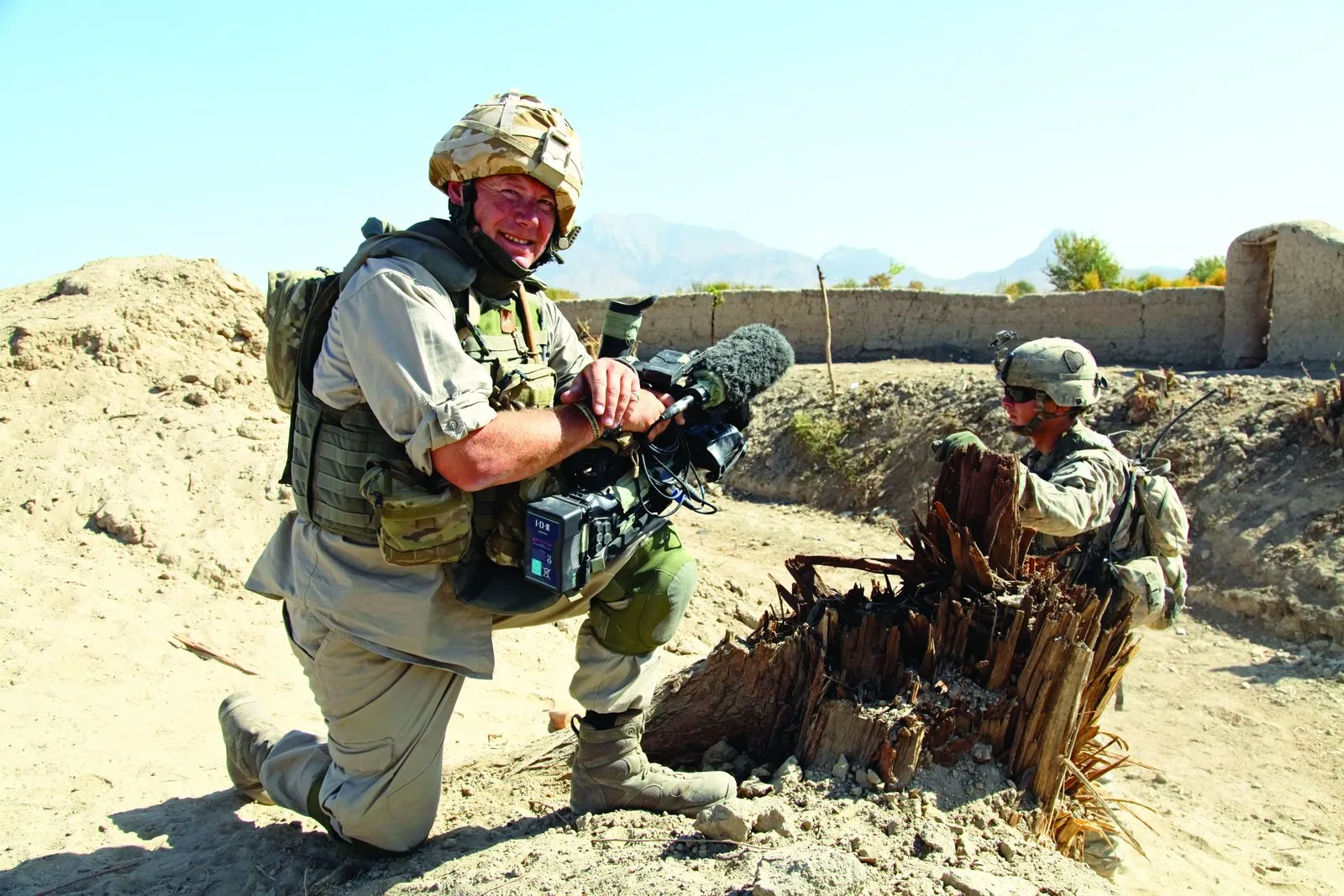
No story is bigger than your life. One should only go if you have the training, mental ability and equipment to cope with such situations. My advice to everyone is to try and not become the story!
It’s usually a correspondent, a security advisor and a local.
When you’re back home, relaxing with a cup of tea who do you turn to when you want to know “the truth” about what’s happening?
Depends on the area I'm interested in. For international news I always turn to Al Jazeera.
Haha! I've covered both and enjoyed it immensely.
MANPREET ROMANA – THE PHOTOGRAPHER
A humble, but gutsy man who ran towards a blast against all human instincts shares his insights on life at the warfront…
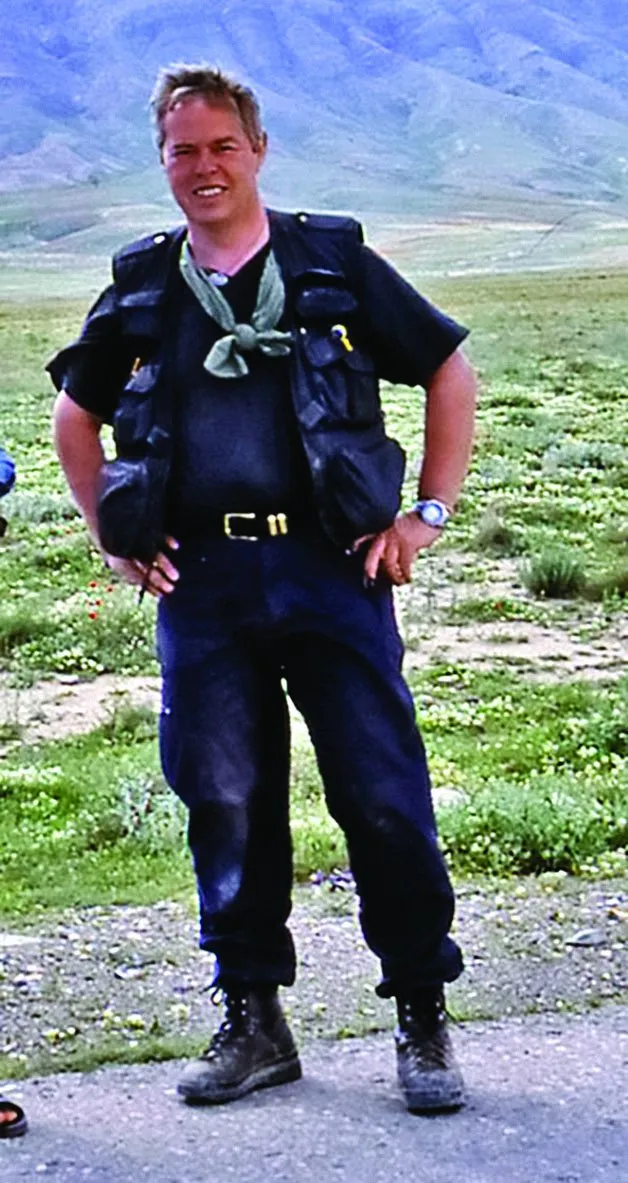
Did you receive any special conflict training before you landed in Afghanistan? Yeah, we were taken to a resort in Bangkok where a bunch of us were given the standard training that all media personnel reporting from conflict areas received – basic defence, how not to make ourselves conspicuous, mock kidnapping drills, map reading and something I thought was the most essential – first aid. But to be honest, there isn’t much that can prepare you for being under fire everyday. You’re in the middle of hostile territory and as embeds with the American Army, the Taliban looks at you as one of the Americans. Even though the first time I went to Afghanistan I was essentially in Kabul and didn’t come under fire, the second time I was there, we were stuck in a convoy truck in the middle of a crossfire between American Marines and Taliban fighters. I’d be lying if I said it doesn’t scare me, but I’m there to do my job. The Marines are much easier to work with than other troops. They laugh and ask you, “Will you make me famous?”
How many times have you been to Afghanistan?
Four, but I also covered the ethnic riots in Thailand.
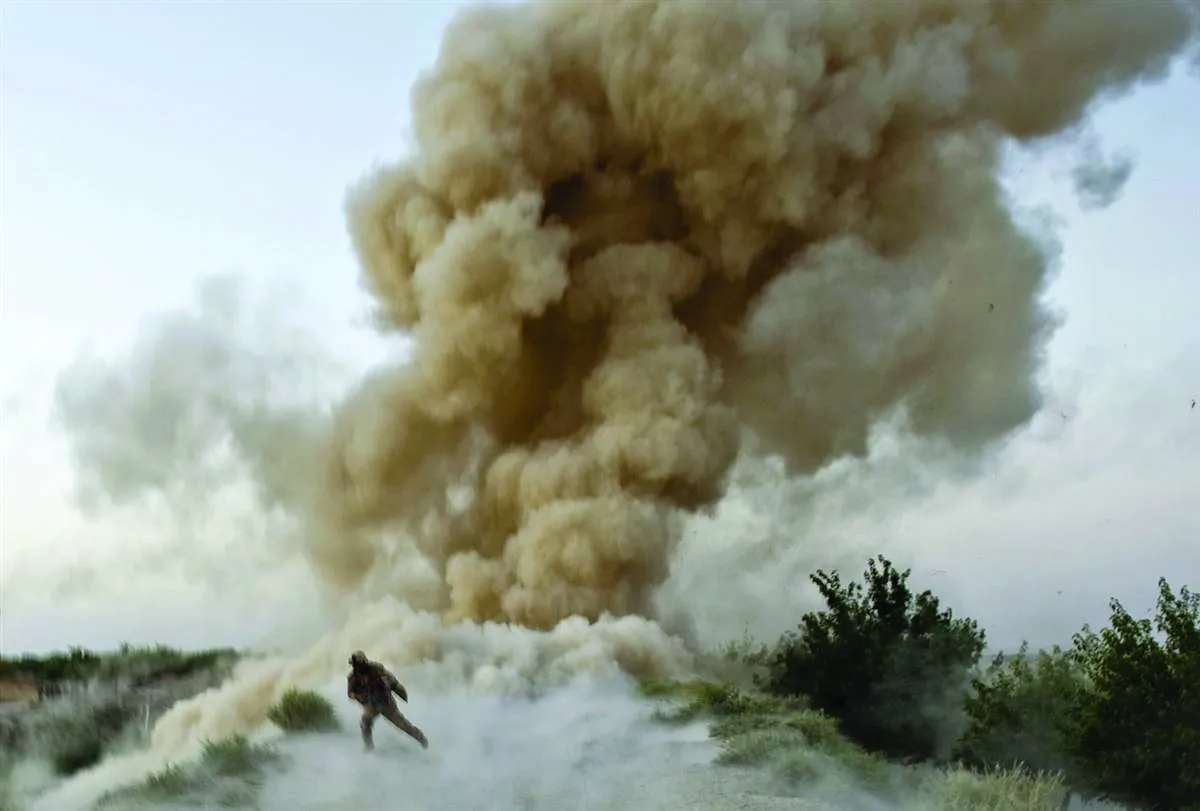
How did the picture of the IED exploding happen? It’s apparently the only one in the world?
I could tell you I did it with no regard for my life and limb or about my higher calling as a photographer, but to be honest it was just pure and simple instinct. I don’t know why I ran towards the blast rather than away from it, but I did. The two soldiers were US marines from the platoon I was posted with. The AFP journalist and I had been taking the same pictures all day so I asked him to stay back while the marines went up ahead to check, that’s when the blast happened. Had I not decided to stay back, it would’ve been me getting blown up.
Bloody hell. So was the shot worth it?
I am proud of it, but what is also true is that I had initially sent it to my photo-editors saying, “I had some shots if they wanted to use them,” and they called me back in disbelief asking, “If I knew what I had managed to shoot?”
But does the fact that you know the soldiers being blown up make it any tougher?
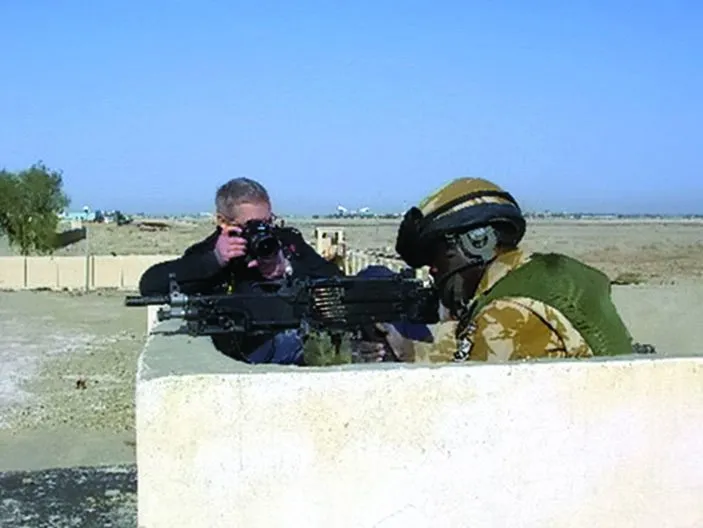
It does because you are eating, living and travelling with these marines and they become friends and who’d want a friend to die? It’s then that what you feel about the cause of the war or your own ideology doesn’t matter anymore.
A lot was made out of American soldiers blasting death metal when they were shooting civilians? What was your experience? Were you required to run the pictures you took by a censor?
There are regulations in place of course – if you’re taking pictures of soldiers then you can’t use them without taking permission from them or their families if you’re running pictures of dead soldiers and their faces are identifiable. I took permission for the picture of the IED blasts, but I wasn’t required to run my pictures by a censor.
Did your family know where you were?
My mother didn’t. For her I was always in Thailand or Malaysia, but my wife knew. Though she didn’t know when the IED blast happened, someone from my office called her to tell her I was safe.
Did you receive any counselling when you returned to India?
That’s what my friends keep asking me. But no, I got back and just got on with things. I do wish though that I could cover a war with only two sides – the right and the wrong, unlike this one.
From the September 2011 issue of FHM India.
Spotted a mistake, or your photo used without permission? Report a correction







 in your inbox