
Mirror in the lens: Stupid Eye’s art of fashion psychology
Now psychotherapy is more than just quiet sessions in the shrink’s office. A duo has brought psychiatry under the lens to a surprising popularity.



One day in Mumbai, while she was working from her apartment in Bandra, Harsheen– a professional psychologist– suddenly got a notification on Facebook saying that Vipul– a photographer and close friend– and she were hosting an event called Stupid Eye. She gave Vipul a frantic call asking him what it was that ‘they’ were planning! And he responded, “I don’t know! I just wanted to do something!”
Started almost with a strike of a matchstick in the dark, this collaboration between two best friends created beautiful flames…

So, what exactly is Stupid Eye?
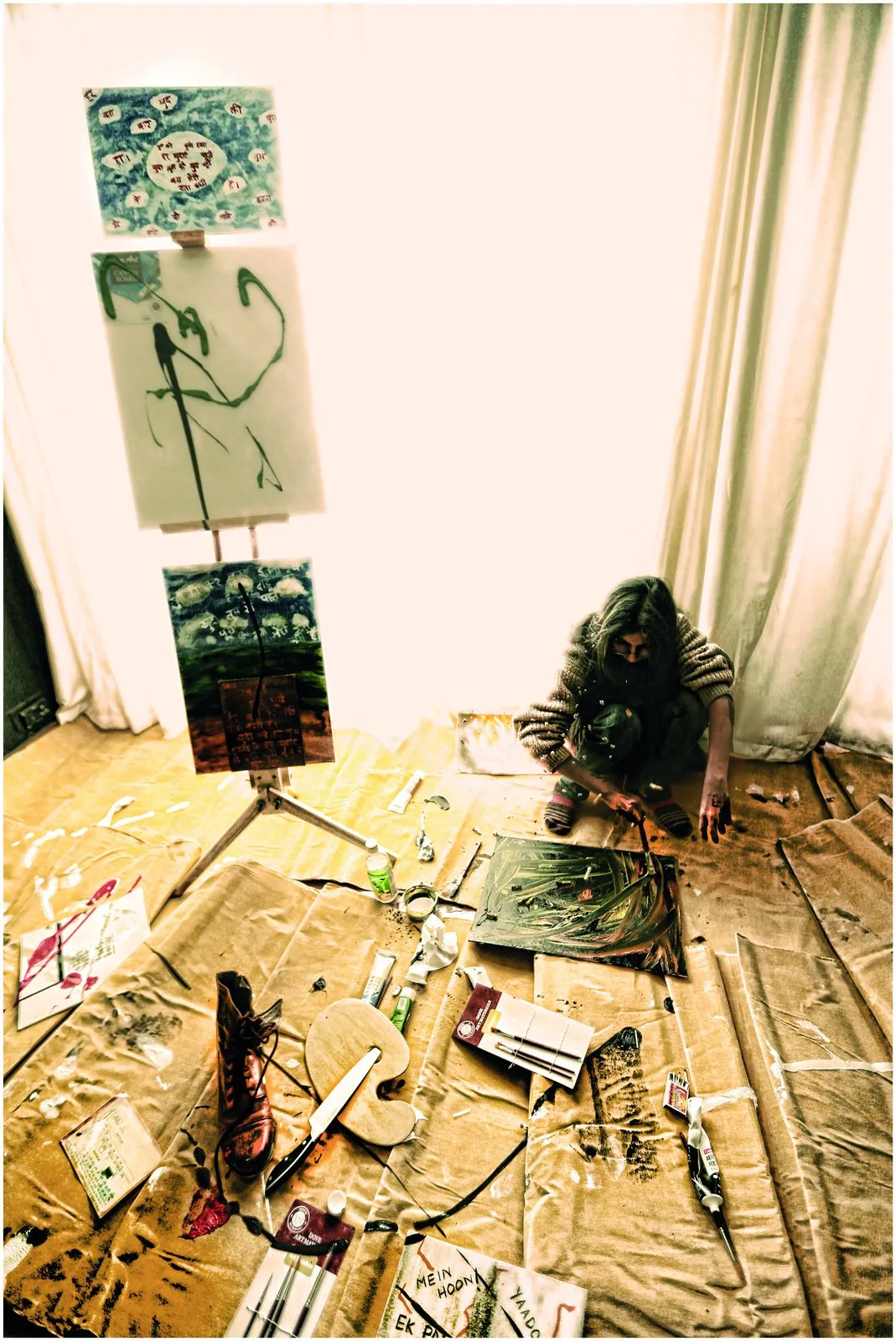
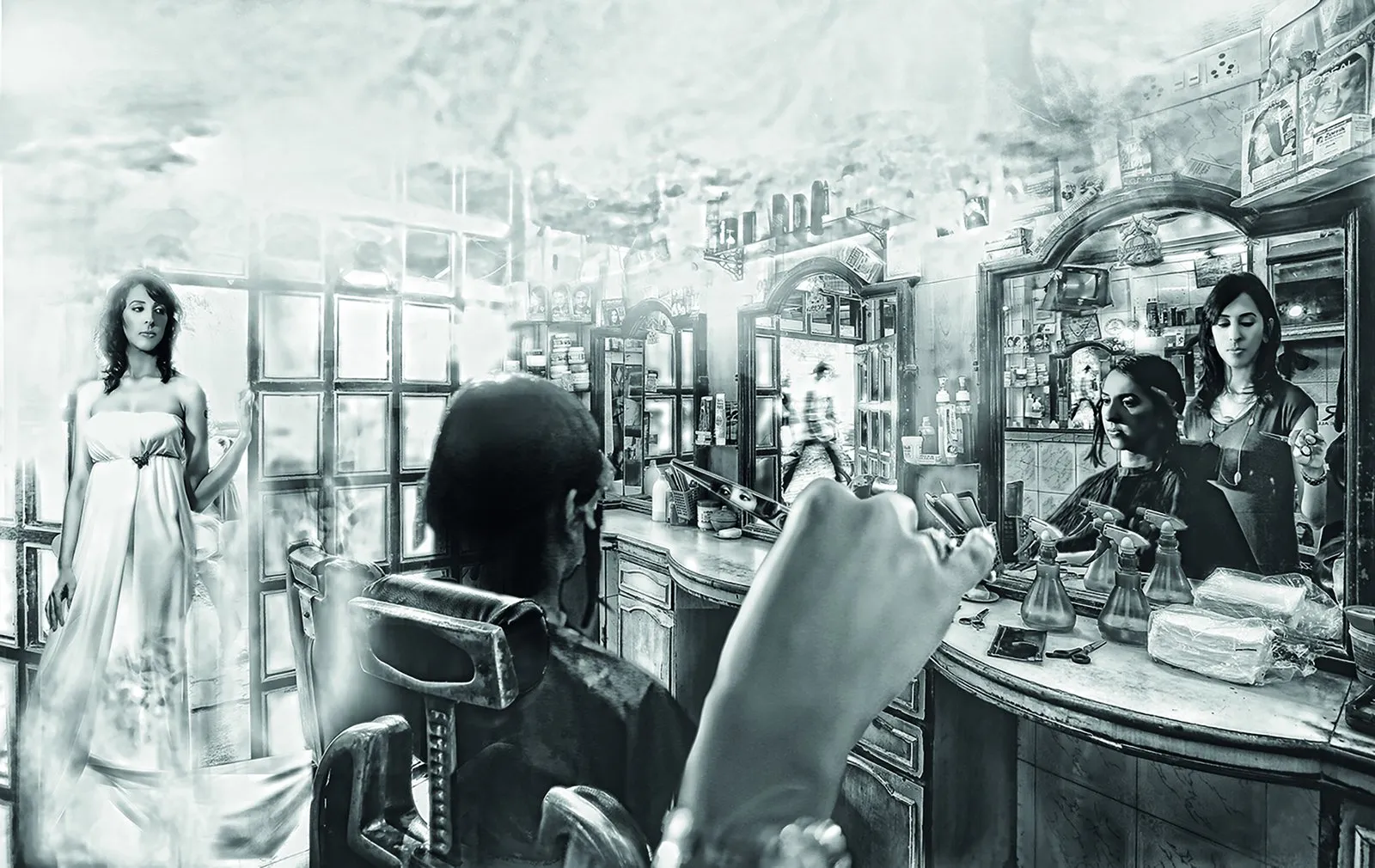
Stupid Eye is a culmination of photography with psychological therapeutic techniques to enhance an individual’s insight into their self. The main aim is bridging the gap between an individual’s real and ideal self; bringing them closer to self-actualization – using the tool of photography.
How does one benefit from this encounter of the real and ideal self?

actualization is “the desire to become more and more what one is, to become everything that one is capable of becoming.” (Maslow, 2006). It helps move from the real self, which is the way the individual is, to the ideal self- that which he wants to be.
How do you do that?
The process involves focusing on these two and capturing it in one photograph. It includes group therapy, individual therapy and an elaborate photo-shoot. The resulting photograph is for the purpose of self-help post the therapeutic process.
Is the composition of these photographs pre-determined?
During the process of the photo-shoot coupled with therapeutic intervention these individuals explore and travel through several layers of their self. This is the time when Vipul has to capture that moment when they are being at their absolute true self – which means that while I make them travel, Vipul constantly has to alter his set and lighting to capture that perfect shot while being in sync with the individual. It is mandatory that the individual, Vipul and I be completely tuned in to the same wavelength hence assisting each other.
Psychology and art are closely related to each other, but usually by the way how art is interpreted. Your style is almost in sync with this process, but in reverse. Could you explain?
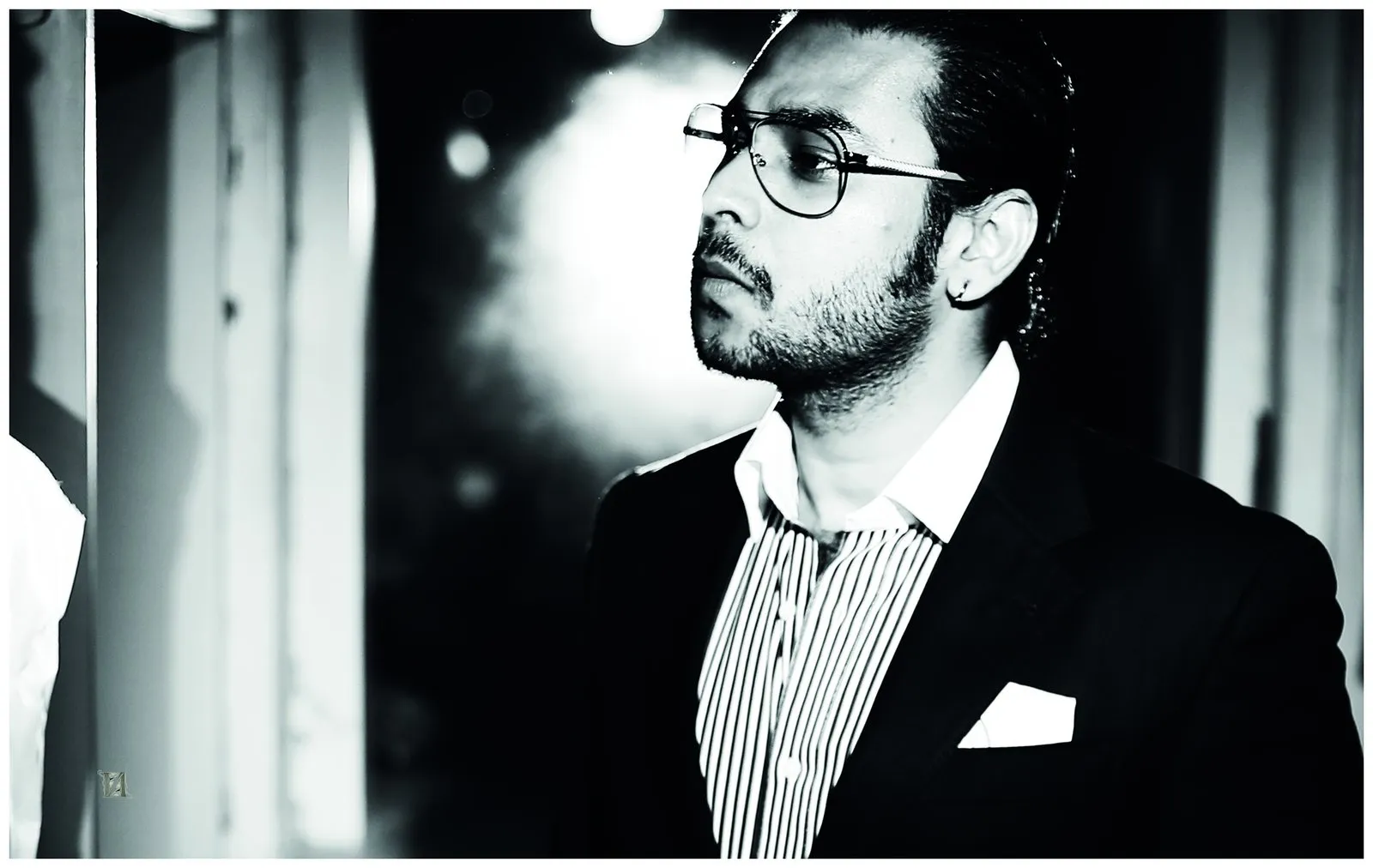
The art of photography involves creating imagery and visuals. Stupid Eye uses this art to custom design an image for participants, which reveals their innermost core. Visuals enhance assimilation of information in the brain and provide the brain with something concrete to process, hence assisting therapy. Photography is used as an extension to therapy, so as to enhance and maintain therapeutic effectiveness.
How wide is the spectrum of people who come to you for help?
We have had clients from the age of 14 years to 50 years.
What expectations should one have about being helped with this project?
The idea is to capture the most honest true self of the individual into one photograph, which will work as a barometer for them in their life’s journey.
How many sessions do you usually dedicate to one client?
It depends from client to client. It depends from client to client.
Do you, as a team, have conflicting opinions over how things ought to be taken ahead? Who wins the debate?
Of course! And we debate it out till each one of us is not convinced. It’s not about who wins the debate, it’s about that everything about the process needs to be true to the individual.
Aren’t clients ever finicky about their privacy in group sessions?
There are both options for clients. Some prefer a group setting as it makes them see that they are not alone. Others prefer to embark on this journey individually.
In India people associate going to a psychologist with being loony. Has the trend changed in any way?
There is definitely a shift in the positive direction in the recent times but we still have a long way to go.
How do you guys de-stress yourself?
I unwind either with a few close friends and music or spend a quiet evening with a book.
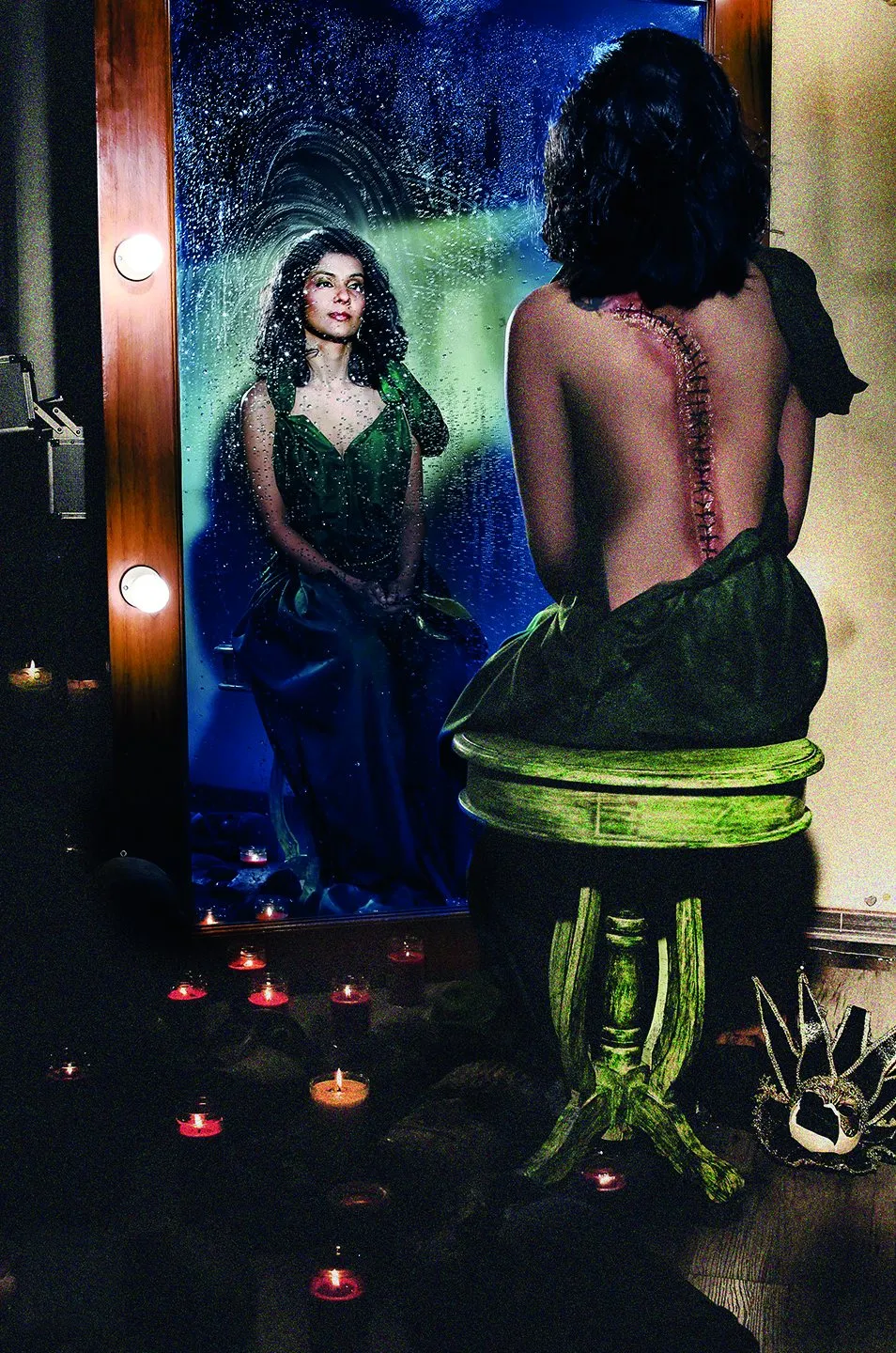
For me, being on the creative side, working on the hobby takes me off the stress. Also many a times being partner to stress creates emotions with which I amplify the creation, and it works as a great de-stressor. However, taking few days off to a quiet place or being with close ones works for me equally well.
Doesn’t it get depressing listening to people’s problems for a major portion of your day?
Well for me I have been doing it since 2008. I don’t view it as listening to problems but rather finding a solution.
I follow a time schedule and divide my hours in a way that my focus does not shift from understanding the other person to getting affected. other person to getting affected other person to getting affected
From the August 2015 issue of FHM India.
Spotted a mistake, or your photo used without permission? Report a correction







 in your inbox