
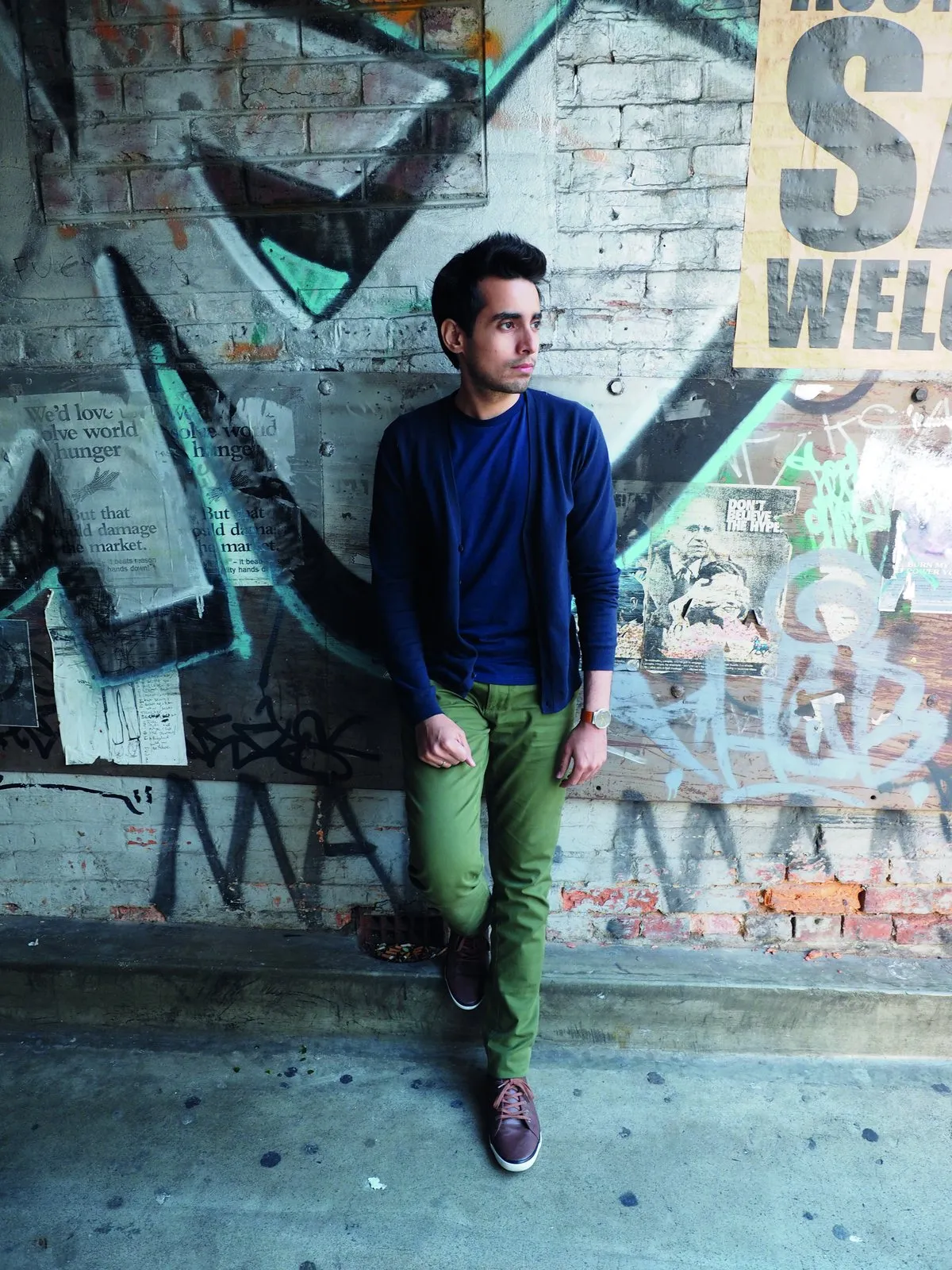
On the batter head: Tarun Balani
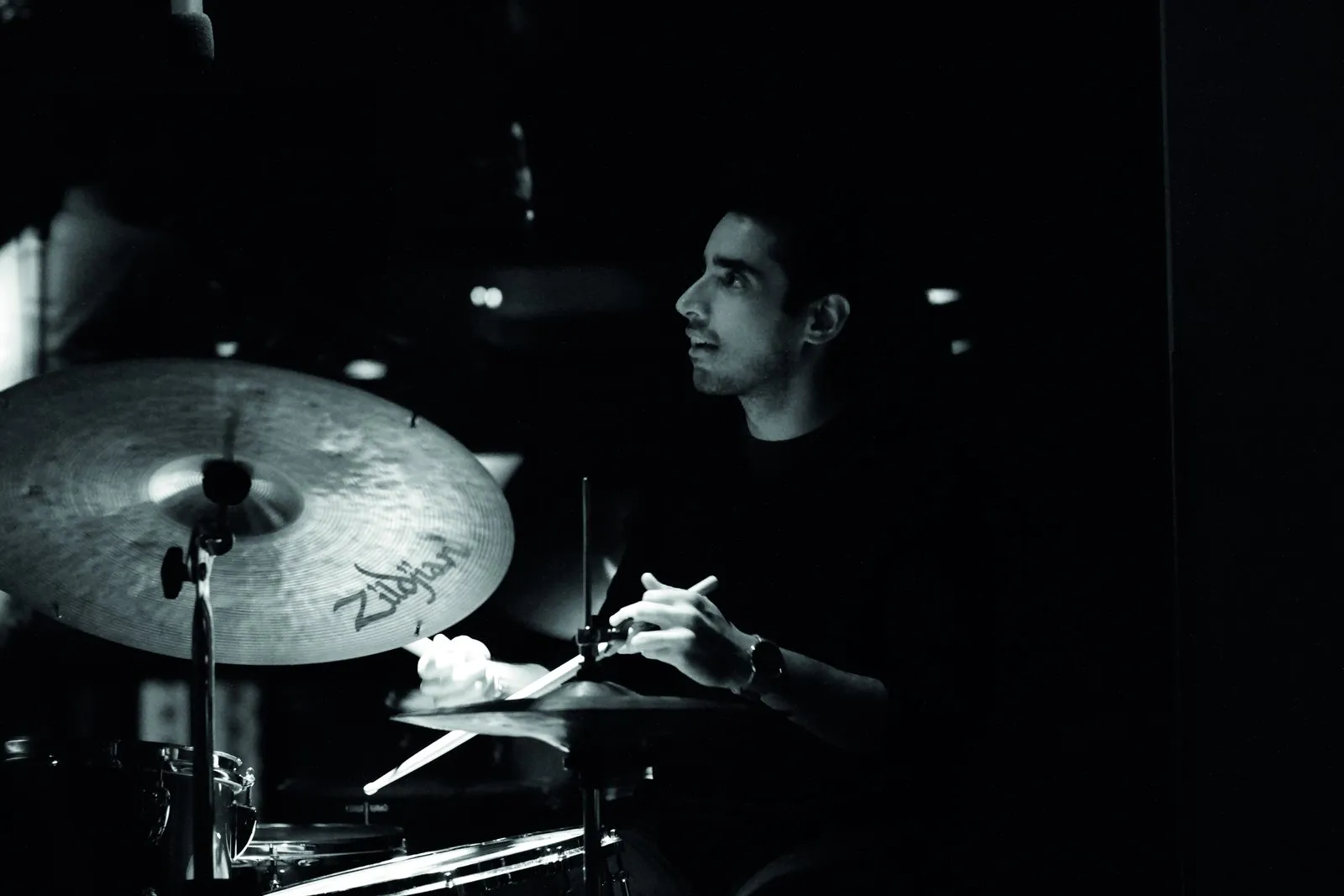
Ace drummer Tarun Balani’s vision as a composer draws from a world of influences, finding its expression in the modern jazz idiom. We found the Tarun Balani Collective performing at The Piano Man Jazz Club and sat the man down.
You’ve carved quite a name for yourself in these few years. Dharma is going to be your third album, right? Tell us more about it.
Yes, Dharma is going to be my third studio album and I’ve been writing and conceptualising it since the beginning of this year. I’ve also been studying composition more deeply. I’m really enjoying the process of finding my voice as a composer and a producer. Dharma also features a new line up of the collective, featuring Italian trumpeter Tiziano Bianchi, New York bassist Joshua Crumbly, Sharik Hasan on piano and Alex Pinto on guitar. I am very excited to present our new body of work. The album is set to release in early 2016.
In your head, who’s your audience? Describe a typical audience that listens to your kinda music.
That’s a tough one. I don’t have a fixed audience in my mind. I hope that I’m able to reach out to and connect with as many listeners as possible and that they are able to find meaning and a connection with my music.
What kind of pressures that a jazz band has to face in an Indian market, where such music is still very niche?
I honestly feel very lucky to be in India at this time of my career and to be playing improvised music. I feel the audience here is very receptive to all styles of music. However, I do feel that this categorisation of jazz as ‘niche’ and exclusive is what is the biggest challenge.
People often mistake jazz to be a genre in itself, while in reality it’s an umbrella for several sub-genres like blues, Chicago jazz, swing music, fusion, etc. Where do you place your music?
For me I just view my music as an extension of myself, my experiences and my beliefs. I try not to judge it and put a label on it.
Tell us something about your initiation into jazz music. Who were you inspired by?
I was 18 years old when I had the opportunity to study at the Drummer’s Collective in New York City. Apart from my studies, I spent a lot of time watching concerts and hanging out at jazz clubs. I remember watching the legendary drummer Roy Haynes leading his quartet at The Village Vanguard... that’s when I knew I wanted to play, pursue and study jazz music.
You’ve played in several bands before starting the Tarun Balani Collective. Was it for absolute creative freedom that you left them or did you finally meet the people cut out for your style?
Yes, I’ve been very lucky to have played with several artistes and groups and I still continue to work as a sideman; but leading my own group and composing excites me the most. Currently, I’m also working with a collaborative project featuring Chayan Adhikari and Vasundhara Vee. I am really enjoying the collective writing process in this new group, The Next Collective.
Usually a typical jazz composition showcases a lot of changes in tempo and mood. How difficult or easy is it to compose?
For me composition is a very organic process. It is improvisation but in slow motion. I often compose very intuitively and only later on, once I have a strong idea, do I start thinking about the shape, form and structure of the piece.
Jazz is also notoriously popular for longish compositions. In a well structured composition strictly out of sheets, how much is the scope to improvise for you guys?
Well it really depends on the context and the composition. It is hard to make a general statement on this.
In most jazz performances, we’ve seen a certain competitive spirit when artistes play solo while improvising and the rest of the band plays in support while waiting for them to fall back to the original line of composition. Do you go on such solo sprees?
I view my compositions as songs, and any improvisational element is also a part of the composition. A lot of the times, soloing is considered the most highlighted element in a performance, however, in my music I also like to draw the attention of the listener to the melody of the piece and use the solo sections to enhance the song or the piece.
Your music is not strictly traditional American jazz – elements from India make their way in a lot. Is that an intentional signature?
Well, I am Indian and I grew up in New Delhi. Listening to Indian music and studying it has influenced my compositions and playing. I’m glad it reflects in my music but it is certainly not something planned or pre-determined. I incorporate Indian elements in my compositions if and when it feels natural.
We’ve seen the sarangi being played in one of your compositions. Have you experimented with any more Indian or South Asian instruments?
I’ve worked with a few Indian classical vocalists... an oud player as well as fretless guitar.
How well does the international jazz community take such introduction of ethnic sounds into jazz?
To be honest, I’ve been lucky and my music has been well received by international audiences. I personally feel they really appreciate and enjoy hearing traditional elements in the music.
The other day I was listening to Malala’s Dream and I quite liked it. It’s mellow but still has an uplifting mood. Tell us more about it.
I wrote Malala’s Dream as a theme song for Malala Yousafzai. I was deeply affected by the assassination attempt and I wanted to write a piece that would be an anthem in support of her spirit and the work she’s doing.
Indian Ocean had certain qualities of jazz initially, though they’ve changed their sound now. Do you think there’s a possibility of collaboration with them?
I would love to collaborate with Indian Ocean!
You’ve studied music in quite a prestigious college. What exactly do they teach you there?
Music school or college is just like any other school and college where they teach you and help you prepare for a career in music and as an artiste. Being at Berklee College of Music was a pivotal point in my musical development and I am truly grateful to all my teachers for sharing their valuable time and experience with me.
Ever had to face a teacher like Terence Fletcher (Whiplash) in the music school?
No. I did have a very strict jazz ensemble teacher but he was also very encouraging and supportive.
What do you think about that particular character anyway?
I feel the movie was quite far from reality and exaggerated. Music school is most certainly not like that, and I am yet to meet a music teacher with that temperament.
What’s on your current playlist?
Currently, I am listening to a lot of Debussy, Ravel and Erik Satie these days...
From the March 2016 issue of FHM India.
Spotted a mistake, or your photo used without permission? Report a correction






 in your inbox