
Reinventing mythology: books to read this month
Aditya Iyengar’s Palace of Assassins retells the Mahabharata from a villain’s side, plus three more books to read this month.



The philosophical theory of moral realism studies statements of morality that are outlined objectively without any encroachment from factors like cultural norms and customs. So, if one was to say that it is wrong to tell a lie it becomes a universally accepted fact of morality. But there are counter theories that claim that reasoning and subjective analysis of situations decide the fate of something to qualify as being moral. Indian mythology has largely played upon concepts of ethics and righteousness in its stories like Ramayana, Mahabharata and several others. These tales project the development of consciousness that has evolved through ages. Where Ramayana delineates moral rules for a perfect wife, a perfect son, a perfect king and so on, a later text like Mahabharata is less severe with these lines and offers open ended interpretations for readers. That is also the reason why many modern writers pick stories and episodes from the latter to improvise fictional stories of their own.
However, Mahabharata has some distinctive villains – those who cannot be absolved from their sins by virtue of a debate on subjectivity of ethics. One such character is Ashwatthama. Son of the legendary teacher-commander of Kuru vansh, Dronacharya, Ashwatthama stooped to such levels of integrity that he was banished from the circle of life and death. His sin – murdering five children in their sleep and attempting to kill an unborn. There have been various attempts at telling the story from the points of view of many grey characters, but not Ashwatthama... till now. Palace of Assassins is the first popular endeavour in this direction.

Iyengar takes a bold shot by placing one of the most hated characters from Mahabharata at the centre of the book’s narration. Except the background the entire story is fictional with fantastical creatures and fanciful justifications. The plot starts with Ashwatthama lying unconscious in the desert, frozen with the curse of immortality – Amrityuvar – and traces of human fluids oozing out of the boils from all over his body. He understands the meaninglessness of his life and tries to commit suicide before leprosy paralyses him completely. When he regains consciousness he finds himself in a cave, being taken care of by a woman. His gut has been sewed back that he had cut open in the hope of embracing death. Scenes from the past dance in his mind, but he is still as arrogant as before without a speck of remorse for his actions.
Time passes and he is approached by a small troop of Trigartadesa citizens who, despite his new identity, recognise him and seek his support in taking revenge from the Pandavas. He grows interested in their proposition when their leader, Senapati, tells him that in the process they will also be able to secure a powerful gemstone – mani – that has the potential to reverse his curse of immortality. After a lot of plotting, training, combats, treachery and sorcery the plan reaches the final stage of execution and the climax unfolds. The book is beyond just the unravelling of events and underlines an inner displacement of Ashwatthama’s morals as he also finds a possible escape from the eternity.
Analysis
I read the first half of the book with a strong distrust upon the writer’s intentions with the central character. I clearly didn’t want to see Ashwatthama being portrayed as a hero. But a book around him, set in a period post the Mahabharata war meant that Iyengar could have used justifications for why he committed such blasphemy and how deep down he was a good soul. It was gratifying to find out none of the sort has been attempted.
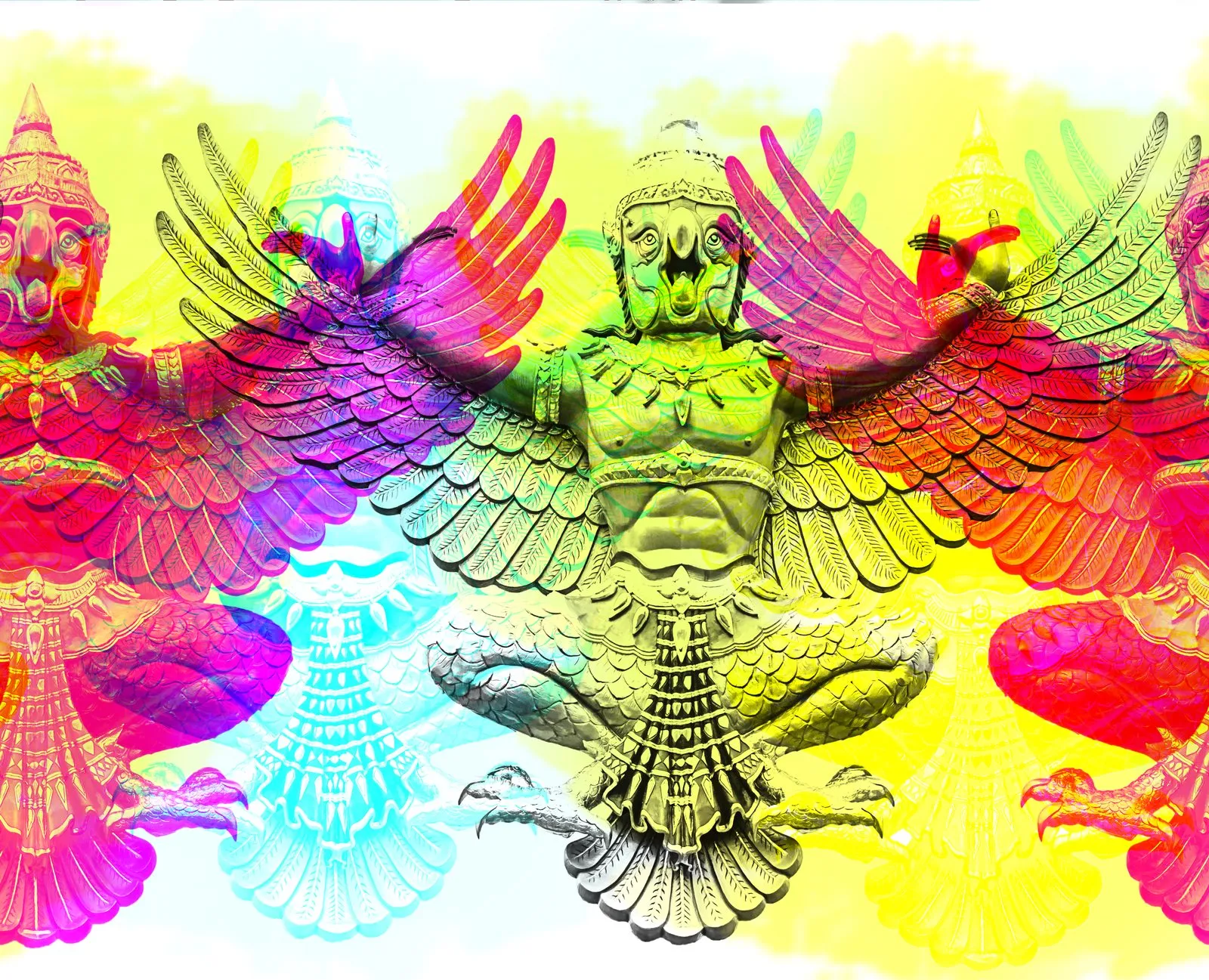
The main theme of the book is revenge, transcending into a bigger yet subtle sub theme of karmic lessons and gradual self realisation. Ahswatthama comes across as a strong warrior with a hard head that learns slow, something evident from his conversations with his father in recap. He is arrogant to the degree of stupidity and you feel quite satisfied when he is spoken to with greater haughtiness by Veerbhadra, the commander of the Garuda Sena. The character building is slow for most of the narrative, but a low-key shift towards the end is impressive and appears quite natural.
Similar events mark the story till action finally starts with the introduction of a demon, Maraan. It brings in a lot of drama in the form of sorcery and supernatural elements. We learn of a fictional flip side to Ashwatthama’s bane of immortality... his ability to self heal. His broken limbs automatically get repaired in a jiffy and the wounds get corrected much like Wolverine’s. Fantastic beasts like Garudas and Narsimha (half human-half lion) also add an interesting flavour. Where the Garudas remind you of Khalisi’s dragons, you marvel at the strength and size of the magnanimous Narsimha. Another object of curiosity is the palace of Indraprastha which is the Pandavas’ abode. It has magical powers and renders the inmates delusional until they possess a certain mani which negates the effects of the spell.
It is a dangerous proposition to have a puny villain as the protagonist with little personality. Nonetheless, Iyengar wins in the end by safely not falling in that trap and also that of clichés. The book is an absorbing page turner that gains pace a little too late despite the absence of literary quality. I wouldn’t have minded a few more episodes like Maraan. There are episodes that are flimsy and predictable, much like a Bollywood movie, but thankfully not at many places. The end is a bit ambitious that connects it to more familiar history. Overall, I don’t see a reason why it shouldn’t be your companion this weekend.
Palace of Assasins
- Author: Aditya Iyengar
- Publisher: Hachette India
- Pages: 232
- Price: Rs 299
Digital Intelligence
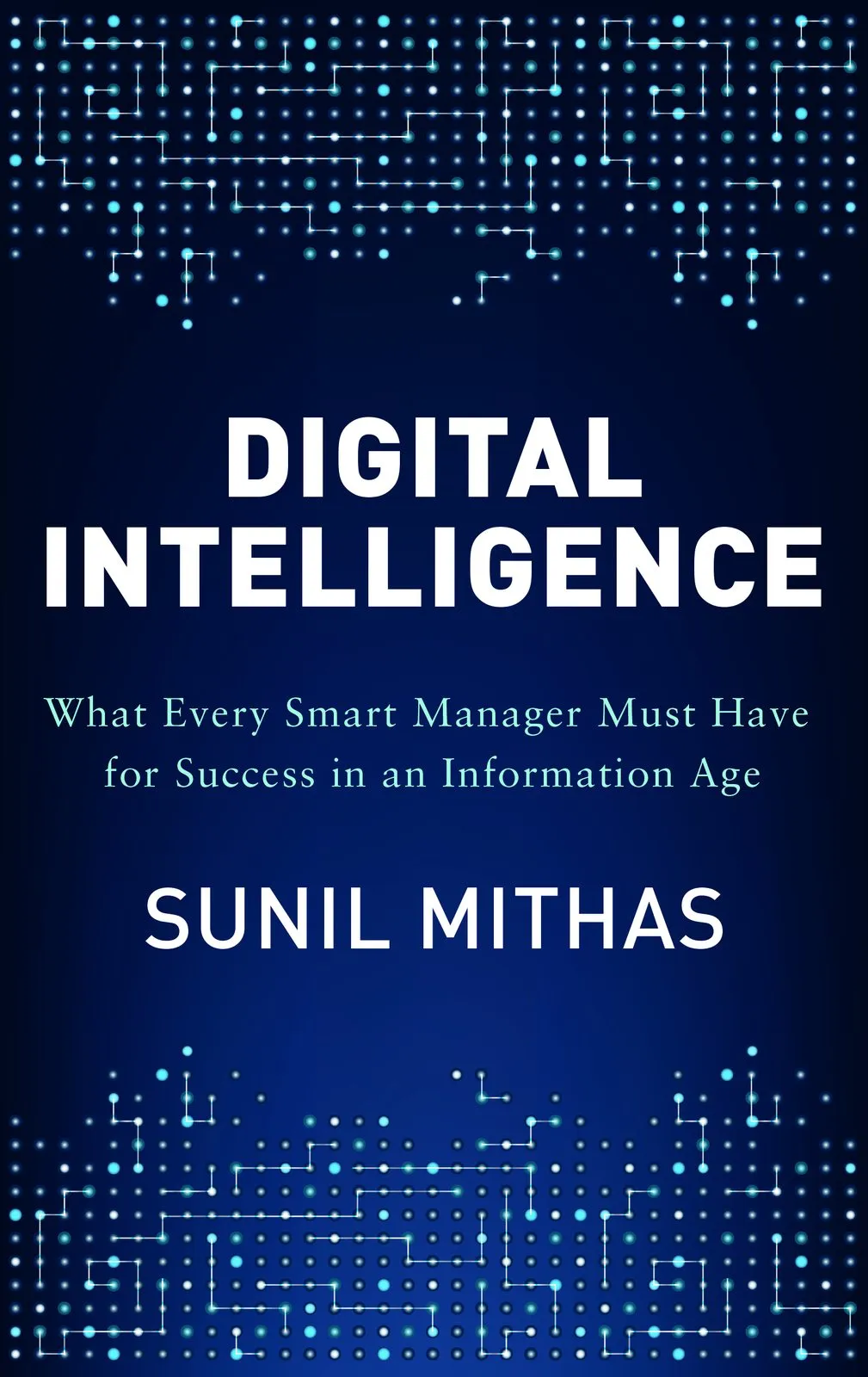
- Author: Sunil Mithas
- Publisher: Penguin India
- Pages: 392
- Price: Rs 599
Sultan of Delhi: Ascension

- Author: Arnab Ray
- Publisher: Hachette India
- Pages: 304
- Price: Rs 299
The travelling belly

- Author: Kalyan Karmakar
- Publisher: Hachette India
- Pages: 282
- Price: Rs 399
From the February 2017 issue of FHM India.
Spotted a mistake, or your photo used without permission? Report a correction












 in your inbox