
Splash some more
If you thought India was the only place that had a festival that involved playing with colours and water, you’re an ignorant goon. Here’s giving you some ideas from across the world to up your Holi game!



Batalla de Vino
Every year between 28th and 30th of June people in the Haro town of northern Spain indulge in something that’s similar to our very own Holi. The difference, you ask? It’s wine that they splash over each other instead of just water or pastel colours. Batalla de Vino or Battle of Wine, in the region of La Rioja, is a part of the Hano Wine Festival which involves a wine drinking competition followed by playing with the fermented grape juice by pouring buckets of it on each other other. Everything imaginable, from a water truck, to buckets and water pistols, are filled with wine and splashed over each other. This frolicking is followed by traditional dances down the hill and a watered down version of the traditional bull fight, with the only difference that instead of bulls there are heifers running around.
Songkran festival
Does the name ring some bell? It’s derived from the Sanskrit word Sankranti and the festival is marked to celebrate the Thai New Year which falls in the month of April every month. People dress up in colourful clothes and bifurcate in two sections of grown-ups and the young. Where the older people pay their respects to monks and donate sand to monasteries for repairs and construction, the younger lot takes on the streets to celebrate a very Holi-like revelry with water. This started with a tradition called rod naam daam hua which was paying respect to the elderly by pouring on their hands. But the current practice is more vigorous, that involves drenching, soaking and dowsing everyone in water. Even the governor of Chiangmai, whose residence the Sangkon parade ends at, is not spared with this. He and his wife are also drenched with water at the time of their official addressal to the parade.

Boryeong mud festival
It’s interesting how a cosmetic brand can start a whole new festival that becomes one of the most popular fiesta in a country. A Korean cosmetic brand launched a range of products made from mud, which were considered to be rich in nutrients. In order to create awareness about the ‘goodness’ of the mud, a festival was started in 1997 so that people would not be averse from using their products. As a result, a few-hours drive away from the capital city of Seoul in South Korea at the Daecheon beach in Boryeong, people from all over the world gather to play in a pool of mud. Sounds gross? Well, not so much. The naturally occurring mud from the mud flats in Boryeong is apparently good for the skin and has other health benefits too. This is considered to be one of the most foreigner-friendly events in Korea. However, if you plan to be a part of this, brace yourself from the giant waves and shark attacks that have been heard of happening in the area.
La Tomatina
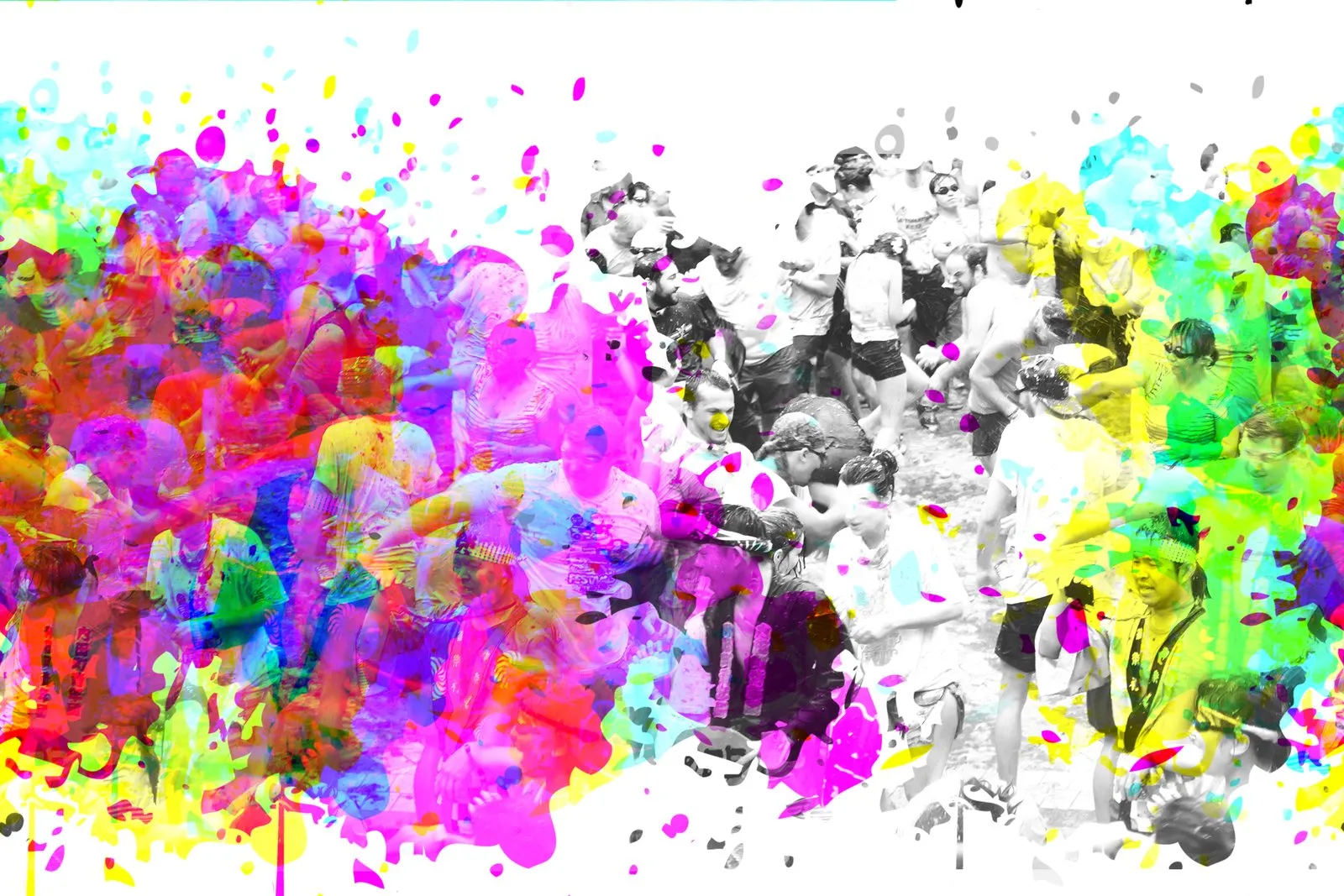
Thanks to media, like movies and music videos we are well aware of the Tomatina festival of Spain, and that’s also how it has become to be one of the most popular events in the world. Held in the town of Buñol on the last Wednesday of August, it is a traditional fight where participants throw tomatoes at each other. A typical fight lasts for about an hour followed by fire trucks washing the entire town square with water to rid it of the tomato paste. This solves another purpose along with a hearty time for the people involved – cleaning the town with the acidity of tomatoes. People from all over the world head to Spain for this festival and this has given the state tourism a huge boost. In 2013 a similar event was hosted in Patna for Holi celebrations.
Battle of the oranges
The largest food fight in Italy, this celebration is organised in the town of Ivrea in North Italy in the memory of a battle that took place in the 12th century, the details of which are now irrelevant. Participants (in thousands) are divided in nine combat teams that re-enact the historical battle by attacking each other with oranges. It is traditionally held on three consecutive days, Sunday, Monday and Tuesday in the month of February, and is part of a bigger carnival of Ivrea. There are troops on foot who throw oranges at those standing on carts and vice versa. Parallelly there are processions on the streets of the town with musical groups from all over Europe. Many people are left with bruises and cuts, so if you plan to be a part of this make sure you read well about the gear to protect yourself.
From the March-April 2017 issue of FHM India.
Spotted a mistake, or your photo used without permission? Report a correction






 in your inbox